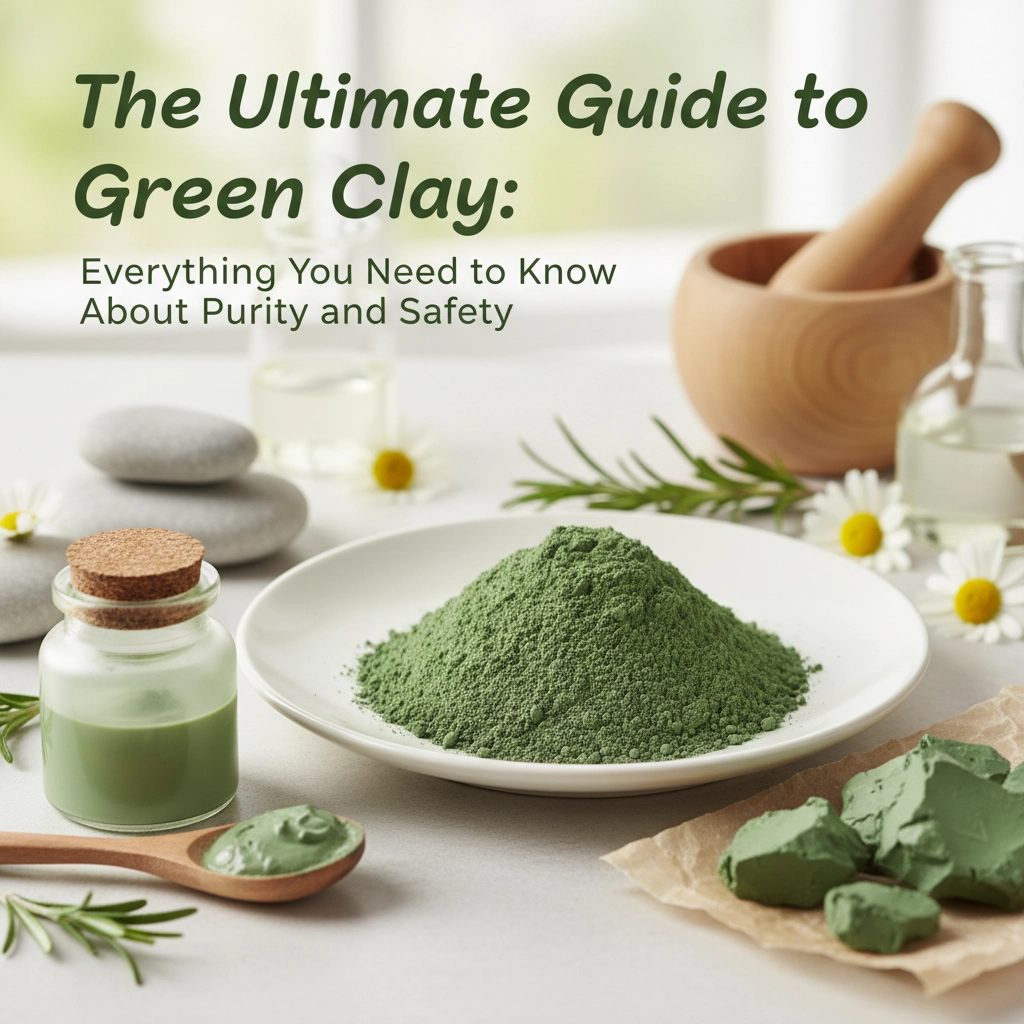
Green clay has taken the skincare world by storm, but here's the thing – not all green clays are created equal. If you're thinking about adding this natural wonder to your routine, understanding purity and safety isn't just important, it's essential. Let's dive into what you really need to know.
What Exactly Is Green Clay?
Green clay is a naturally occurring mineral-rich sediment that gets its color from iron oxide and decomposed plant matter. The most prized variety comes from specific quarries in France, where it's been used for centuries in therapeutic applications.
At its core, green clay contains montmorillonite – a powerful absorbent mineral that acts like a magnet for toxins and impurities. According to research published by Cambridge University, French green clays contain a unique combination of minerals including magnesium, potassium, calcium, and trace elements that contribute to their healing properties.
The Hidden Danger: Heavy Metal Contamination
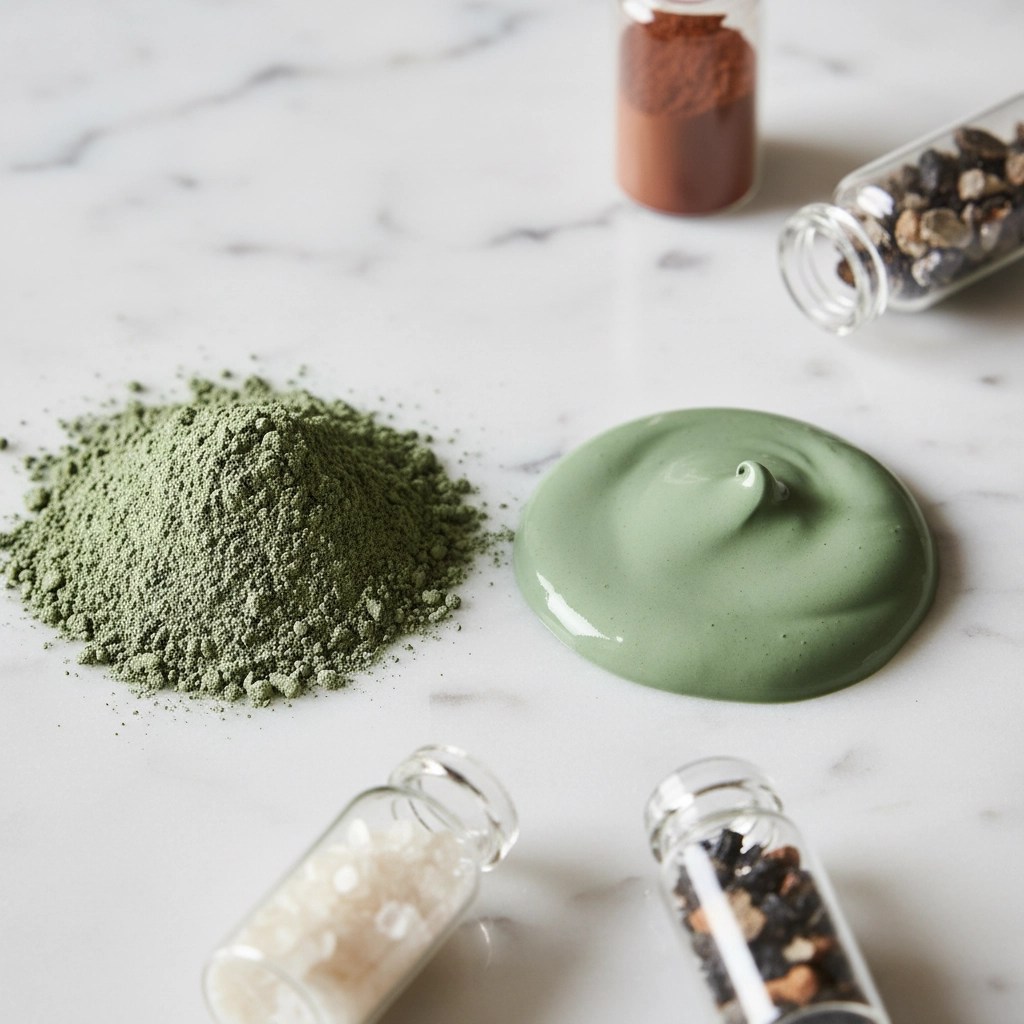
Here's where things get serious. Many green clay products on the market contain dangerous levels of heavy metals like lead, arsenic, and mercury. This isn't just a minor concern – it's a major health risk that many consumers don't even know about.
The USGS research shows that clay composition varies dramatically depending on the source location and processing methods. Some clays naturally contain higher levels of these toxic metals, while others are contaminated during processing or storage.
What makes this particularly concerning:
- Lead can accumulate in the body over time
- Arsenic is a known carcinogen
- Mercury affects the nervous system
- Regular use amplifies these risks
Understanding Clay Grades and Testing Standards
Not all green clays undergo the same level of testing. There are basically two categories you'll encounter:
Cosmetic Grade Clay:
- Basic purity testing
- May contain higher levels of heavy metals
- Suitable for occasional topical use
- Less expensive but potentially riskier
Therapeutic Grade Clay:
- Rigorous heavy metal testing
- Meets strict purity standards
- Safe for regular use
- Higher cost but significantly safer
When evaluating brands, look for those that provide detailed testing certificates. Companies like Clayer go above and beyond with comprehensive testing, while others like Aztec Secret and French Healing Clay offer varying levels of quality assurance.

The Science Behind Clay Safety
Recent studies have shed light on both the benefits and risks of green clay use. Research published in MDPI demonstrates green clay's antimicrobial properties, showing it can effectively fight harmful bacteria.
The NSF-funded research reveals fascinating insights into how certain clays kill bacteria through unique chemical processes. However, the same study emphasizes that these benefits only apply to clays that meet strict purity standards.
Key safety findings from recent studies:
- Pure green clay shows strong antibacterial activity
- Contaminated clays can actually harbor harmful bacteria
- Regular use requires pharmaceutical-grade purity
- Topical application is safer than internal use
Red Flags: How to Spot Unsafe Green Clay Products
Shopping for green clay can be overwhelming, but knowing what to avoid makes it easier:
Warning Signs:
- No testing certificates provided
- Unusually low prices (quality testing is expensive)
- Vague sourcing information
- No heavy metal testing mentioned
- Generic labeling without specific mineral content
What to Look For:
- Detailed certificates of analysis
- Third-party testing verification
- Clear sourcing information (preferably French quarries)
- pH testing results
- Heavy metal testing below FDA limits
For a detailed comparison of common side effects and mistakes when using green clay, check out our comprehensive guide.
Safe Usage Guidelines
Even with the purest green clay, proper usage is crucial for safety and effectiveness:
Frequency:
- Start with once weekly applications
- Gradually increase to 2-3 times per week maximum
- Never use daily unless specifically recommended by a healthcare provider
Application Method:
- Mix with distilled water (never tap water)
- Apply thin, even layers
- Remove before completely dry to prevent skin irritation
- Always patch test on a small area first
Who Should Avoid Green Clay:
- Pregnant or breastfeeding women (consult doctor first)
- People with sensitive skin conditions
- Those with kidney problems
- Anyone taking medication (potential interactions)
Brand Comparison: Finding the Safest Option
When comparing popular brands, the differences in safety standards are striking:

Clayer stands out with comprehensive heavy metal testing, scientific backing, and athlete endorsements. Their commitment to purity testing sets the gold standard in the industry.
Aztec Secret offers decent quality but limited testing transparency, while French Healing Clay provides moderate purity standards but lacks the rigorous testing protocols of premium brands.
For detailed information about different clay brands and their safety profiles, explore our comprehensive database.
The Bottom Line on Internal Use
While some brands market green clay for internal consumption, this practice requires extreme caution. PubMed research indicates that internal clay use can interfere with medication absorption and may cause digestive issues.
Internal use considerations:
- Only pharmaceutical-grade clay should be considered
- Medical supervision is essential
- Potential medication interactions
- Risk of mineral imbalances
Most experts recommend sticking to topical applications where the benefits are proven and risks are minimized.
Making the Smart Choice
Your skin deserves the best, and when it comes to green clay, that means prioritizing purity above everything else. The small price difference between basic cosmetic grade and therapeutic grade clay is insignificant compared to the potential health risks.
Look for brands that provide complete transparency about their testing processes, source their clay from reputable quarries, and stand behind their products with solid scientific backing.
For more insights into green clay benefits and safety, visit our comprehensive resource center where we break down everything you need to know about incorporating clay into your wellness and skincare routine.
Remember, the goal isn't just to find green clay – it's to find safe, pure, effective green clay that delivers results without compromising your health.
Disclaimer: We are not associated with any clay company. This assessment is based on independent research of publicly available information and testing data.
Leave a Reply