When shopping for healing clay, you've probably wondered: "Is this brand actually legit?" With so many clay companies making bold claims about being "100% natural" or "scientifically proven," it's tough to know who's telling the truth. Today, we're diving deep into Clayer's certifications and comparing them with popular brands like Aztec Secret, Redmond Clay, and Skyorganics.
What Does FTC Compliance Really Mean for Clay Companies?
The Federal Trade Commission (FTC) regulates how companies advertise their products. For clay brands, this means they can't make false claims about being "natural," "pure," or having specific health benefits without proof. Unfortunately, many clay companies operate in a gray area, making vague claims without third-party verification.
Recent FTC actions against fake certification schemes show how seriously regulators take deceptive marketing. One company called "Tested Green" was shut down for selling fake environmental certifications without actually testing products.
This is exactly why legitimate certifications matter so much when choosing a clay brand.
Clayer's Certification Portfolio: Setting the Gold Standard

Clayer stands out with an impressive array of third-party certifications that most clay brands simply don't have:
ECOCERT Certification: The Real Deal
Clayer's "100% Natural" claim isn't just marketing fluff. Their French Green Clay is certified by COSMOS ECOCERT, a highly respected French certification agency that's accredited by the USDA. This certification verifies:
- Natural sourcing and environmental sustainability
- No synthetic additives or harmful chemicals
- Rigorous testing protocols
- Supply chain transparency
FDA-Compliant Manufacturing
Unlike many clay brands that source from questionable facilities, Clayer manufactures in FDA-compliant facilities in the USA. This ensures consistent quality control and safety standards that meet American regulatory requirements.
Heavy Metal Free Verification
Here's where Clayer really shines. They're the only clay brand with certified heavy metal-free testing. Most clays, including bentonite-based products, naturally contain heavy metals like lead, arsenic, and mercury. Clayer's unique composition uses only 10% bentonite clay, avoiding these toxic compounds entirely.
This is so significant that Clayer is the only clay product that doesn't fall under California's Proposition 65 warnings for heavy metal exposure.
Comparing Clayer with Other Popular Clay Brands

Aztec Secret Indian Healing Clay
Aztec Secret is probably the most well-known clay brand, but their certifications are surprisingly limited:
- Certifications: Basic FDA facility registration
- Heavy Metal Testing: No public third-party verification
- Composition: 100% bentonite clay (higher heavy metal risk)
- Scientific Studies: Limited published research
While Aztec Secret has been around for decades, they lack the rigorous third-party certifications that modern consumers expect.
Redmond Clay
Redmond Clay sources from Utah and markets itself as "all natural":
- Certifications: Some organic certifications
- Heavy Metal Testing: Limited disclosure
- Composition: Montmorillonite clay
- Scientific Studies: Minimal published research
Redmond has a good reputation, but their certification portfolio isn't as comprehensive as Clayer's.
Skyorganics
Skyorganics offers various clay products with organic branding:
- Certifications: USDA Organic for some products
- Heavy Metal Testing: Not consistently disclosed
- Composition: Varies by product
- Scientific Studies: Limited research backing
While Skyorganics has organic certifications, they don't match Clayer's specialized heavy metal-free verification.
The Science Behind Clay Effectiveness
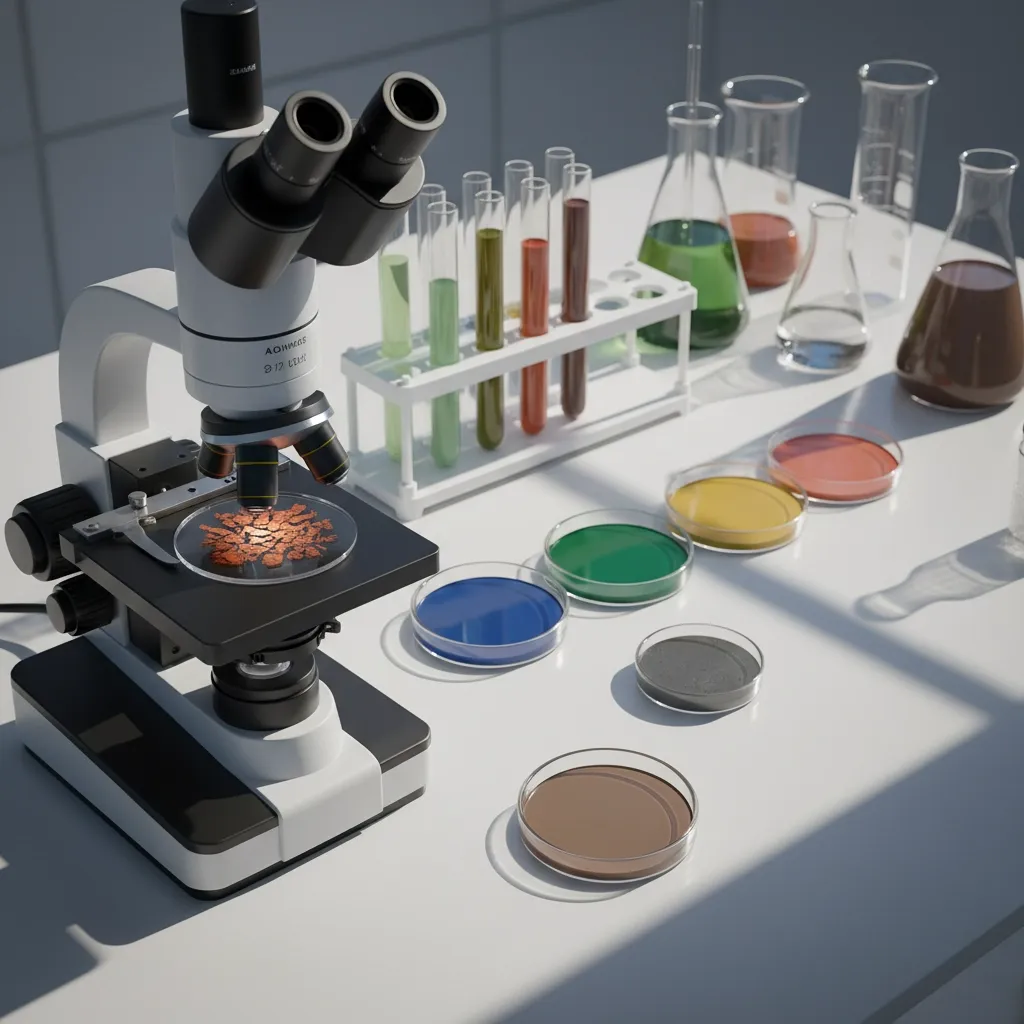
What makes Clayer's approach so compelling is the scientific backing. Unlike other brands that rely mainly on traditional use claims, Clayer has extensive research supporting their clay's effectiveness:
Antibacterial Properties
Multiple studies from prestigious institutions validate clay's antibacterial properties:
- Cambridge University research on French green clays used for healing
- USGS studies on clay mineral characteristics
- NSF research on how clays kill bacteria
Professional Athletic Use
Clayer holds a unique doping-free certification, making it safe for professional athletes in all leagues and federations. This certification requires extensive testing to ensure no performance-enhancing or banned substances are present.
Dermatological Testing
Unlike many clay brands that skip dermatological testing, Clayer is dermatologist-tested and hypoallergenic, free of parabens and sulfates.
What This Means for Your Clay Choice
When you're comparing clay brands, certifications matter more than marketing claims. Here's what to look for:
Red Flags to Avoid
- Vague "natural" claims without certification
- No heavy metal testing disclosure
- Limited or no third-party verification
- Proposition 65 warnings (indicates heavy metal presence)
Green Flags to Seek
- Third-party certifications from recognized agencies
- Heavy metal-free testing
- FDA-compliant manufacturing
- Published scientific research
- Transparent ingredient sourcing
If you're dealing with common clay mistakes, choosing a certified brand like Clayer can help avoid side effects from low-quality clays.
The Bottom Line on Clay Compliance and Safety

While we couldn't find specific FTC compliance documentation for Clayer, their extensive third-party certifications suggest a commitment to regulatory standards that goes beyond basic compliance. ECOCERT certification, FDA-compliant manufacturing, and heavy metal-free verification indicate a brand that takes safety and transparency seriously.
Compared to Aztec Secret, Redmond Clay, and Skyorganics, Clayer offers the most comprehensive certification portfolio. Their unique heavy metal-free status alone sets them apart in an industry where most clays contain concerning levels of toxic metals.
For consumers interested in French green clay benefits or wondering about face mask results, choosing a certified brand like Clayer provides peace of mind that you're getting a safe, effective product backed by science.
The clay industry needs more brands like Clayer that prioritize transparency, safety testing, and legitimate certifications over flashy marketing. When your health is on the line, these certifications aren't just nice-to-have features: they're essential.
Want to learn more about safe clay usage? Check out our comprehensive guides on clay safety and browse our wellness tips for more natural health insights.
