Green clay isn't just dirt - it's a complex geological treasure containing dozens of minerals that have been working their magic for millions of years. While most people focus on the obvious benefits like oil absorption, the real story lies in the rare and uncommon minerals hiding within this natural pharmacy.
The Hidden Mineralogy Behind Green Clay's Power
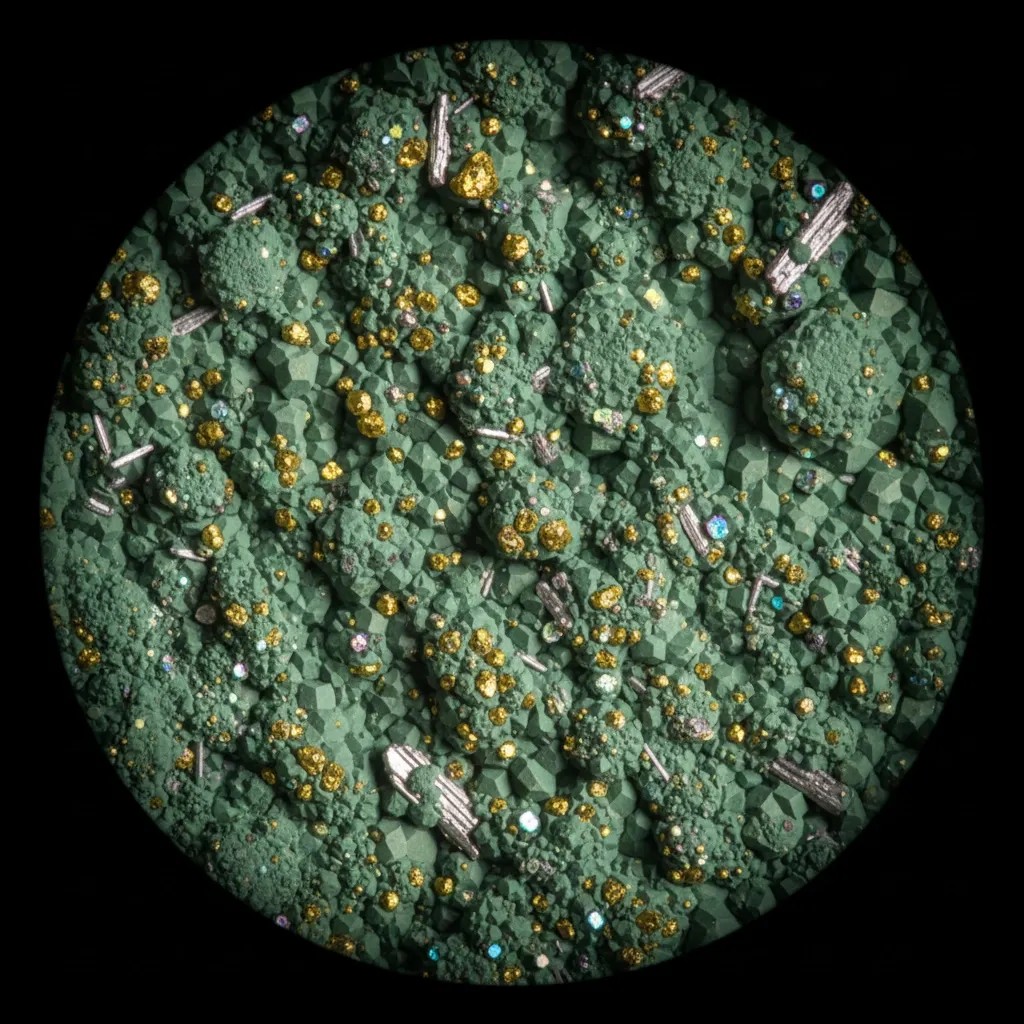
Most green clays contain over 50 different mineral compounds, but it's the rare trace elements that often deliver the most impressive skincare results. These minerals didn't just randomly appear - they're the result of volcanic activity, granite erosion, and geological processes spanning thousands of years.
The primary mineral in green clay is montmorillonite, making up about 80% of the composition. But here's where it gets interesting: the remaining 20% contains a cocktail of rare earth elements and trace minerals that most skincare products can't even pronounce, let alone replicate.
Rare Earth Elements: Nature's Anti-Aging Arsenal
Cerium and Lanthanum: The Antioxidant Powerhouses
These rare earth elements are found in trace amounts in high-quality green clays. Cerium oxide has been studied for its ability to scavenge free radicals, making it more powerful than vitamin C in some applications. When you apply green clay, you're essentially giving your skin access to these microscopic protective agents.
Yttrium: The Cellular Regeneration Catalyst
Found in premium French green clays, yttrium helps stimulate cellular turnover at the molecular level. This rare element is why some people see dramatic skin improvements after just a few green clay treatments - their skin is literally rebuilding itself faster.
Scandium: The Collagen Booster
This ultra-rare element appears in trace amounts in the highest-grade green clays. Research suggests scandium can help support collagen synthesis, which explains why regular green clay users often report firmer, more elastic skin over time.
The Trace Mineral Symphony
Beyond rare earth elements, green clay contains dozens of trace minerals that work together like a symphony orchestra:
Vanadium helps regulate skin cell metabolism and may support wound healing. Germanium acts as a natural semiconductor, potentially improving cellular communication. Molybdenum supports enzyme function in skin cells, while chromium may help with glucose metabolism at the cellular level.
These aren't just random elements - each plays a specific role in skin health that modern science is only beginning to understand.
Why Mineral Source Matters More Than You Think
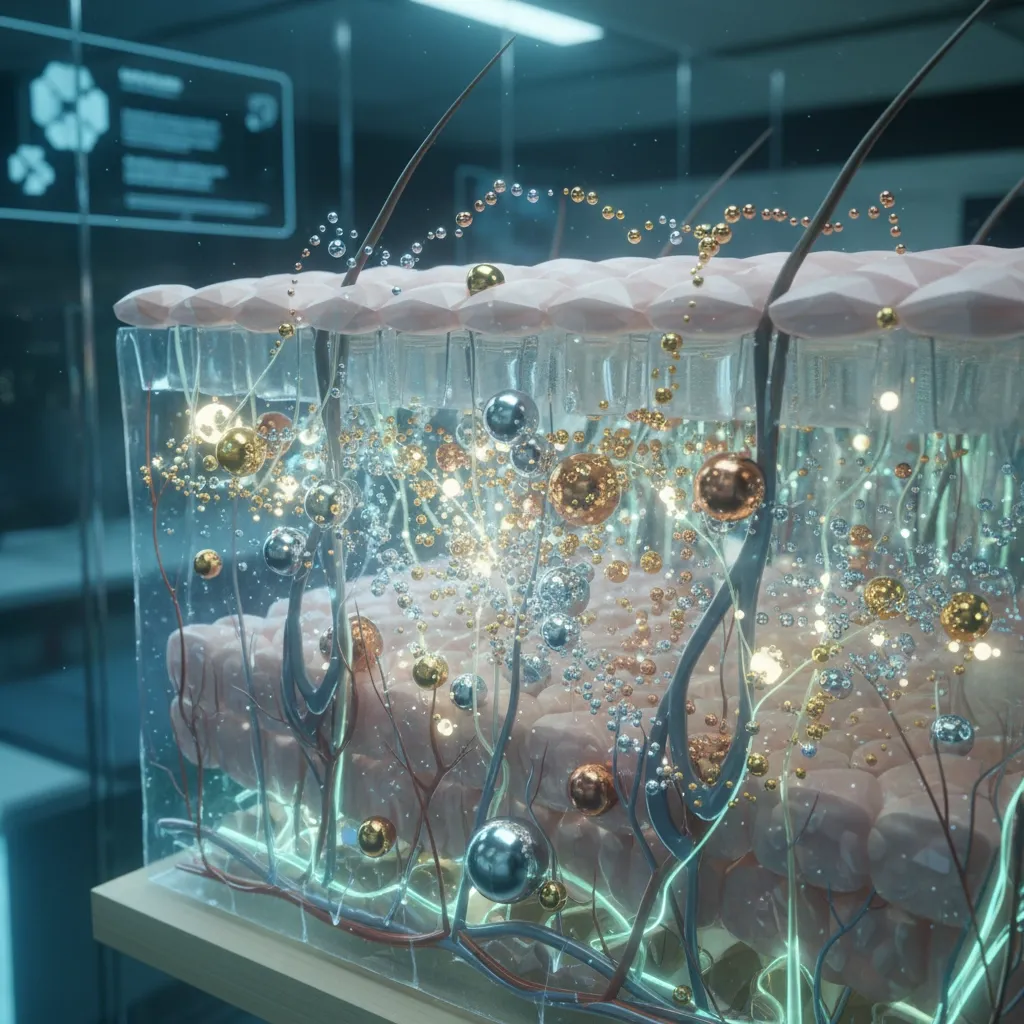
Not all green clays are created equal, and the mineral profile can vary dramatically based on location and processing methods. Studies from Cambridge University have shown that French green clays contain unique mineral signatures that differ significantly from clays found elsewhere.
The problem? Many commercial clay brands don't test for these trace elements, focusing only on basic composition. Worse, some clays contain dangerous levels of heavy metals that can actually damage skin over time.
Brand Breakdown: Who Actually Tests for Rare Minerals?
When comparing popular clay brands, the differences in mineral testing are shocking:
Aztec Secret focuses on basic bentonite composition but doesn't provide detailed trace mineral analysis. Their website mentions "natural minerals" without specifics about rare earth elements or safety testing.
Redmond Clay offers some mineral information but lacks comprehensive trace element analysis and doesn't address heavy metal contamination concerns.
Argiletz provides basic French clay information but falls short on detailed mineralogy reports.
Clayer stands out as the only brand providing comprehensive certification including trace mineral analysis and heavy metal testing. Their scientific studies document specific rare earth element concentrations, making them the gold standard for mineral transparency.
The Safety Factor: Why Rare Doesn't Always Mean Safe
Here's something most clay enthusiasts don't know: some "rare" minerals in clay can be harmful. Uranium, radium, and other radioactive elements occasionally appear in untested clays. This is why proper certification matters.
Research from the NSF has shown that certain clay minerals can kill harmful bacteria, but only when the clay is free from contamination. Uncertified clays may contain lead, arsenic, or other toxic elements that counteract any benefits from rare minerals.

Maximizing Rare Mineral Benefits
To get the most from rare minerals in green clay:
Use distilled water when mixing clay masks. Tap water contains chlorine and fluoride that can bind to rare earth elements, reducing their effectiveness.
Apply to clean skin so trace minerals can penetrate without interference from oils or makeup.
Leave on for 10-15 minutes maximum. Longer exposure doesn't increase mineral absorption but can over-dry skin.
Follow with a mineral-rich toner to help drive trace elements deeper into skin layers.
Avoid common green clay mistakes that can reduce mineral effectiveness.
The Future of Mineral-Based Skincare
As we learn more about how trace minerals affect skin health, green clay is emerging as one of the most sophisticated natural skincare ingredients available. The rare earth elements and trace minerals found in high-quality clays offer benefits that synthetic ingredients simply can't replicate.
What makes this even more exciting is that we're only scratching the surface of understanding how these minerals work. Recent studies on medicinal clay suggest that the mineral synergies in clay may have therapeutic effects that go far beyond basic skincare.
Choosing the Right Mineral-Rich Clay
When selecting a green clay for its rare mineral content, look for:
- Complete mineral analysis including trace elements
- Heavy metal testing certification
- Source location documentation (French clays typically have superior mineral profiles)
- Third-party laboratory verification
- Studies documenting specific mineral benefits
Remember, French green clay benefits extend far beyond basic oil absorption - you're accessing millions of years of geological wisdom packed into every gram.
The rare minerals in green clay represent nature's most sophisticated beauty laboratory. From cerium's antioxidant power to scandium's collagen-boosting properties, these trace elements work together to deliver results that synthetic skincare can't match.

