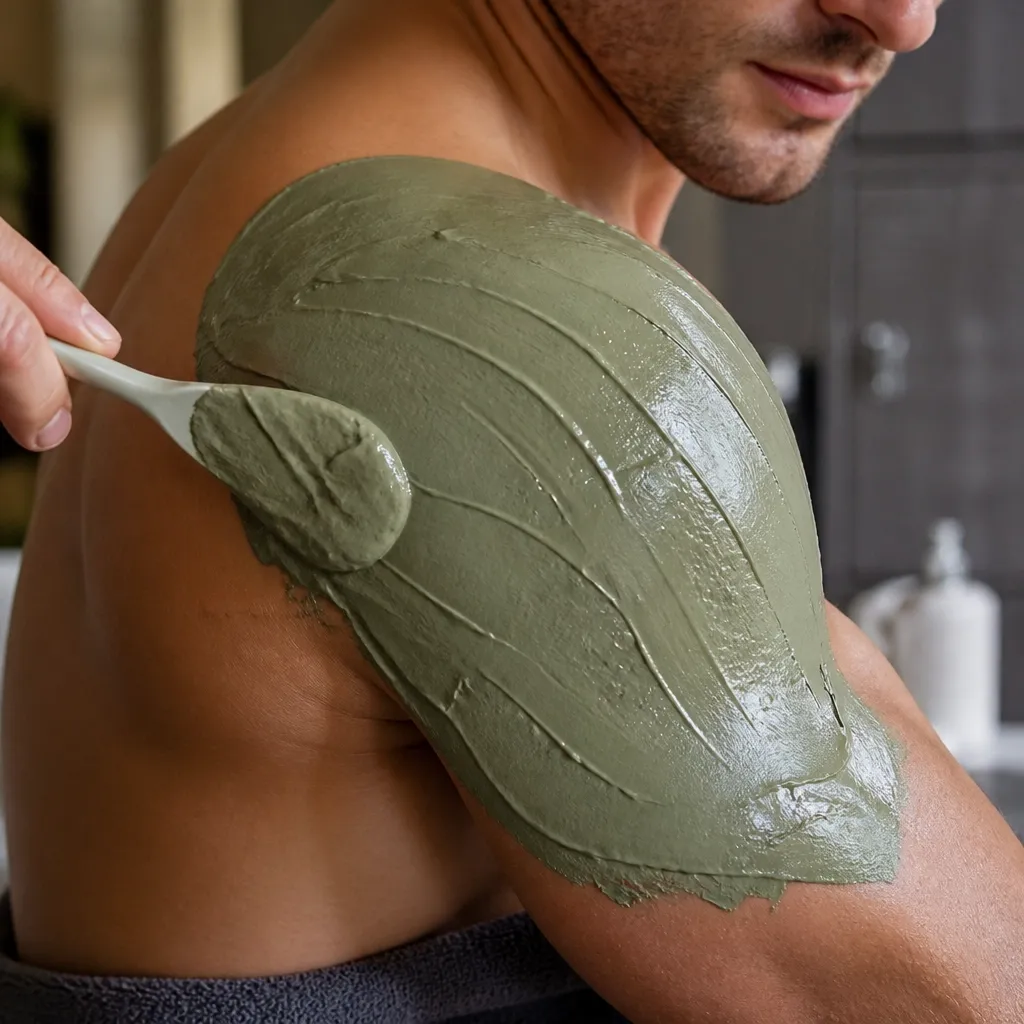
Deep beneath the volcanic landscapes of Central France lies one of nature's most sophisticated healing systems. French green clay didn't just happen by chance: it's the result of millions of years of precise geological processes that created a mineral matrix unlike anything else on Earth. Understanding why French clay works so effectively for healing requires looking at the earth science behind its formation.
The Volcanic Birth of French Healing Clay

French green clays originated from altered volcanic ash deposits in Central France, where ancient volcanic eruptions laid down layers of mineral-rich ash. Over millennia, these deposits underwent intense weathering and chemical transformation, creating the complex mineral assemblages we see today.
Unlike clays formed through simple sedimentary processes, French clay's volcanic origins gave it a unique crystalline structure. The original volcanic glass slowly transformed into clay minerals through a process called devitrification, where the random atomic structure of glass reorganizes into ordered crystal lattices. This geological alchemy is what gives French clay its exceptional healing properties.
The weathering process wasn't uniform across all deposits. Different geological layers, varying water chemistry, and distinct pressure conditions created micro-environments that produced clays with dramatically different mineral compositions: even within the same quarry. This explains why two French green clay deposits can show opposite effects on bacterial populations, with one promoting bacterial growth while another kills 99% of pathogens.
The Mineral Architecture of Healing

French clay's healing power comes from its specific mineral composition: illite and Fe-smectite (iron-rich smectite), along with montmorillonite, kaolinite, and calcite. Each mineral contributes unique properties to the clay's overall therapeutic effect.
Illite provides structural stability and ion exchange capabilities. Its layered crystal structure creates spaces where harmful toxins can be trapped and beneficial minerals can be released. The weathering process that formed illite from volcanic feldspars also concentrated potassium and aluminum, giving the clay its distinctive buffering capacity.
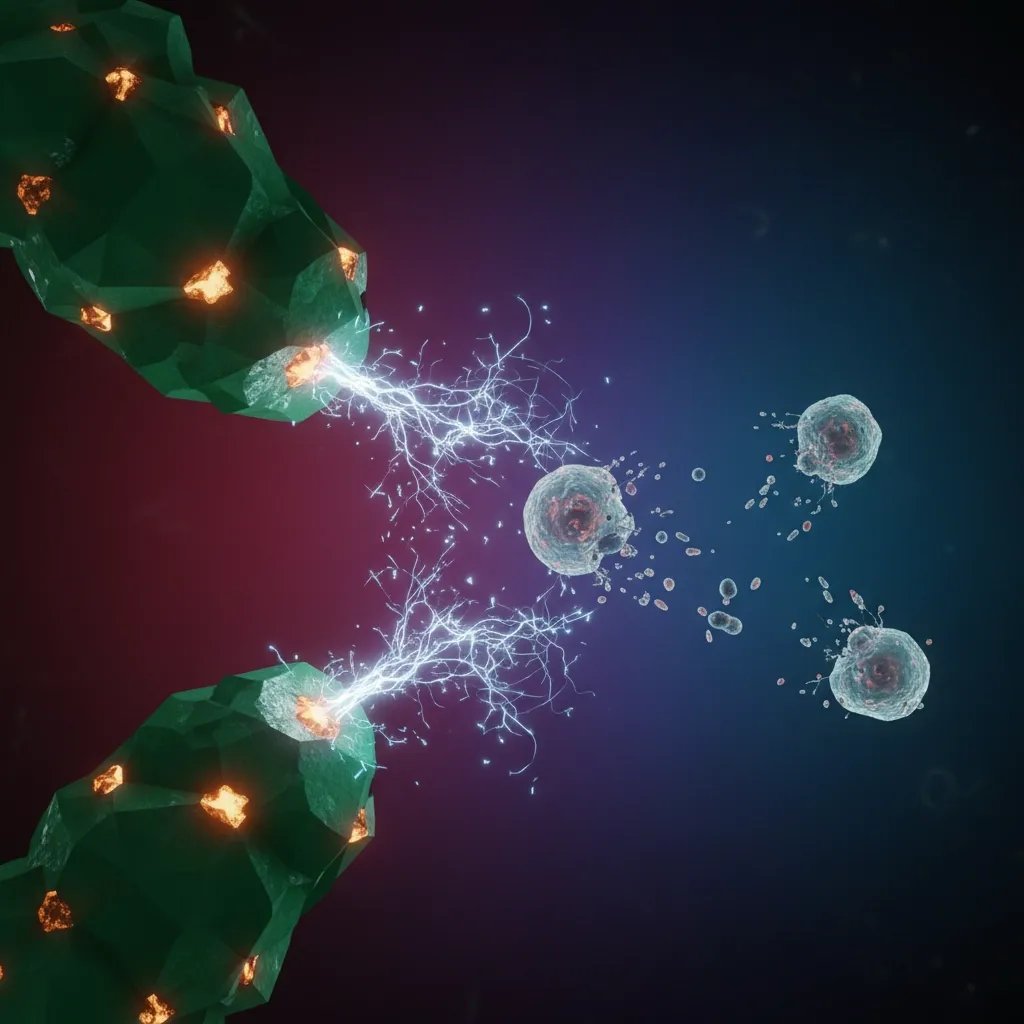
Fe-smectite (iron-rich smectite) is perhaps the most critical component for healing. The iron content isn't just incidental: it's precisely positioned within the crystal lattice to create reactive sites that can generate antimicrobial compounds when the clay is hydrated. Research shows that the bactericidal mechanism involves chemical transfer rather than physical absorption.
Montmorillonite contributes the clay's famous swelling properties. When hydrated, montmorillonite layers expand dramatically, increasing surface area and creating micro-environments with specific pH and ionic conditions that are hostile to pathogens but promote tissue healing.
The calcium carbonate (calcite) component helps buffer pH and provides calcium ions that support cellular repair processes. Kaolinite adds structural integrity and contributes to the clay's gentle abrasive properties that help remove dead tissue.
How Geological Formation Influences Healing Mechanisms
The geological formation process directly determines how French clay heals. During the millions of years of weathering, trace elements became incorporated into crystal structures in very specific ways. Unlike clays from other regions, French deposits concentrated therapeutic minerals while naturally filtering out harmful heavy metals through geochemical processes.
Scientists have discovered that when French clay is hydrated, the mineral structure releases ions that create a chemical environment toxic to bacteria but beneficial to human cells. The volcanic origin ensured that iron, aluminum, and other elements are present in oxidation states that can generate reactive oxygen species: nature's own antiseptic.
The clay's surface chemistry, controlled by its geological formation, affects the pH and oxidation state of water used in poultices. This creates antibacterial agents that can debilitate even resistant pathogens like Mycobacterium ulcerans, which causes flesh-eating Buruli ulcer infections.
The Color-Coded Mineral Map
French clay's color variations aren't just aesthetic: they're geological fingerprints that reveal mineral composition and healing properties. Green clays get their color from iron in specific oxidation states, typically Fe2+ (ferrous iron) which is more readily available for biological processes.
Red French clays derive their color from hematite (Fe2O3), indicating a different geological environment during formation. These clays formed in more oxidizing conditions, concentrating ferric iron (Fe3+) which makes them particularly effective for oily skin conditions.
White and beige varieties formed in calcium-rich environments, often containing more calcite and kaolinite. Their lighter color indicates lower iron content but higher concentrations of other therapeutic minerals.
This geological diversity is why authentic French clays like Clayer undergo extensive testing to verify their mineral composition and safety profile, unlike mass-market brands like Aztec Secret or generic products that may lack proper geological characterization.
Why Geological Origin Matters for Safety

The geological formation process of French clays naturally concentrates beneficial minerals while filtering out harmful contaminants: but only in properly sourced deposits. Studies show concerning lead levels in clays from certain geological formations, highlighting why geological origin and certification matter.
French clay deposits formed through specific volcanic and weathering processes that naturally excluded heavy metals. The geochemical conditions during formation: including pH, temperature, and mineral saturation levels: determined which elements could incorporate into the crystal structure.
Clayer's certification process ensures their French green clay comes from geologically verified deposits with documented mineral compositions. This contrasts sharply with brands like Redmond Clay (bentonite from Utah) or generic products sold on platforms like SkyOrganics, which may not undergo geological verification.
Comparing Geological Origins Across Clay Types
Different clay types reflect distinct geological histories. Bentonite clays (like those used by Aztec Secret) formed from volcanic ash in marine environments, creating different mineral assemblages than French deposits. While bentonite has strong absorptive properties, it lacks the specific iron-smectite composition that gives French clay its antimicrobial activity.
Rhassoul clay from Morocco formed in different geological conditions entirely, creating a clay rich in silica, magnesium, and potassium but lacking the iron-rich smectites that make French clay bactericidal.
Argiletz, another French clay brand, sources from similar geological formations but may not have the same quality controls and testing protocols that ensure therapeutic consistency.
The Future of Geological Clay Science
Understanding the geology behind clay healing is opening new therapeutic possibilities. Recent studies are investigating how specific mineral compositions can be optimized for different healing applications, using geological knowledge to guide selection and processing.
The geological perspective also explains why synthetic clays or artificially modified clays can't replicate the healing properties of naturally formed French deposits. The millions of years of geological processes that created these mineral assemblages simply can't be duplicated in a laboratory.
As research continues to unveil the connections between geological formation and therapeutic properties, properly characterized and certified French clays like Clayer represent the gold standard for mineral-based healing.
French clay's remarkable healing properties aren't mystical: they're the result of precise geological processes that created a unique mineral matrix optimized by nature itself. Understanding this geological foundation helps explain why not all clays are created equal and why proper sourcing and certification matter for therapeutic applications.