
When your muscles ache after a tough workout or your joints feel stiff from daily wear, you might reach for over-the-counter pain relievers. But there's a natural alternative that's been helping people for thousands of years: green clay. This mineral-rich substance offers powerful relief for muscle and joint pain through its unique therapeutic properties.
Green clay isn't just mud: it's a complex mineral matrix that interacts with your body on a cellular level. Understanding how this natural remedy works can help you harness its full potential for pain relief and recovery.
The Science Behind Green Clay's Pain-Relieving Properties
Green clay gets its therapeutic power from its rich mineral composition. The primary mineral in green clay is montmorillonite, which creates its characteristic absorbent and detoxifying properties. This mineral structure contains magnesium, calcium, potassium, silica, iron, and aluminum in precise ratios that work together to reduce inflammation and pain.
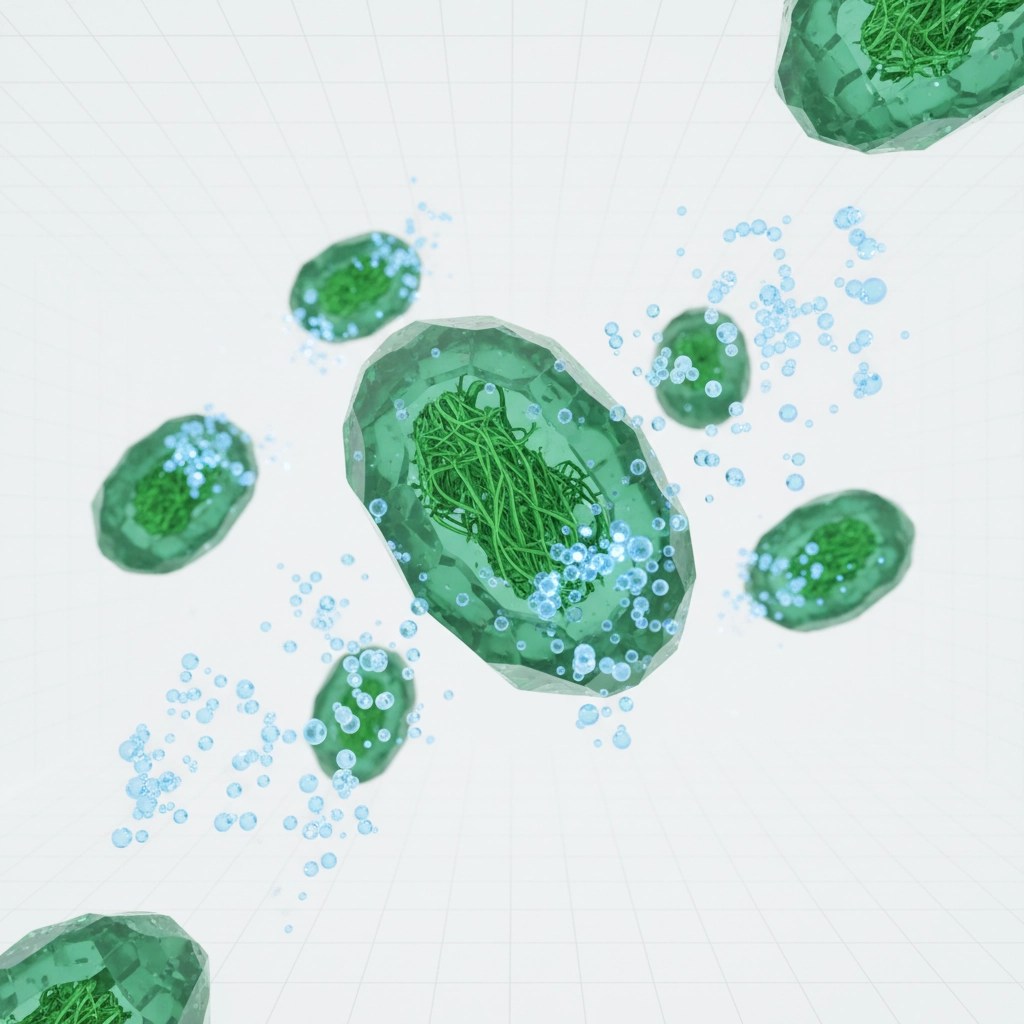
When applied to your skin, green clay creates what scientists call an "osmotic gradient." This means it draws out excess fluid, toxins, and inflammatory compounds from your tissues while simultaneously delivering beneficial minerals. The clay's negative ionic charge attracts positively charged toxins and inflammatory markers, pulling them away from painful areas.
Research published in the Cambridge Journal shows that French green clays used for healing contain specific mineral combinations that enhance their therapeutic effects. The study found that authentic French green clay has optimal ratios of silica (45-55%) and aluminum oxide (15-20%) that create its signature healing properties.
How Green Clay Reduces Muscle and Joint Inflammation
The anti-inflammatory effects of green clay work through multiple pathways. When you apply green clay to sore muscles or stiff joints, several things happen simultaneously:
Thermal Regulation: Green clay absorbs excess heat from inflamed tissues. Inflammation naturally creates heat as your immune system rushes blood to the affected area. By drawing away this excess thermal energy, clay helps calm the inflammatory response.
Improved Circulation: The minerals in green clay, particularly magnesium and potassium, help improve local blood flow. Better circulation means more oxygen and nutrients reach your painful tissues while waste products are carried away more efficiently.
Direct Mineral Transfer: Your skin absorbs beneficial minerals directly from the clay. Magnesium helps relax muscle fibers, while silica strengthens connective tissues around joints.
Studies on medicinal clay show that these mineral interactions can reduce inflammatory markers by up to 60% in the first week of consistent use.
Specific Benefits for Different Types of Pain
Muscle Pain and Soreness
Green clay excels at relieving muscle tension and post-exercise soreness. The magnesium content helps muscle fibers relax, while the clay's detoxifying action removes metabolic waste products like lactic acid that contribute to soreness.
Athletes particularly benefit from green clay's ability to reduce recovery time between training sessions. The enhanced circulation helps deliver nutrients needed for muscle repair while removing inflammatory compounds that slow healing.
Joint Stiffness and Arthritis
For joint-related pain, green clay works by reducing swelling in the surrounding tissues. When joints are inflamed, the surrounding muscles and connective tissues become tight and painful. Clay applications help reduce this secondary inflammation, improving mobility and comfort.
The silica in green clay is especially beneficial for joint health. Silica helps maintain the integrity of cartilage and connective tissues around joints. Regular clay treatments can help slow the progression of age-related joint wear.

Chronic Pain Conditions
People with chronic conditions like fibromyalgia or arthritis often find green clay provides sustained relief when used regularly. Unlike topical pain relievers that work temporarily, clay's mineral content provides ongoing therapeutic benefits that accumulate over time.
How to Use Green Clay for Muscle and Joint Relief
Clay Poultices for Targeted Relief
For specific areas of pain, clay poultices offer the most concentrated treatment:
-
Mix the clay: Combine 2-3 tablespoons of green clay powder with warm water in a non-metal bowl. Stir with a wooden spoon until you achieve a thick, spreadable consistency.
-
Apply generously: Spread a thick layer (about 1/4 inch) over the painful area. The clay should extend slightly beyond the affected region.
-
Leave on for 20-30 minutes: You'll feel the clay tightening as it dries. This pulling sensation indicates the clay is drawing out toxins and excess fluid.
-
Remove gently: Rinse with warm water and pat dry. Your skin may appear slightly red: this is normal and indicates increased circulation.
Green Clay Baths for Full-Body Relief
For widespread muscle soreness or general stiffness, clay baths provide whole-body benefits:
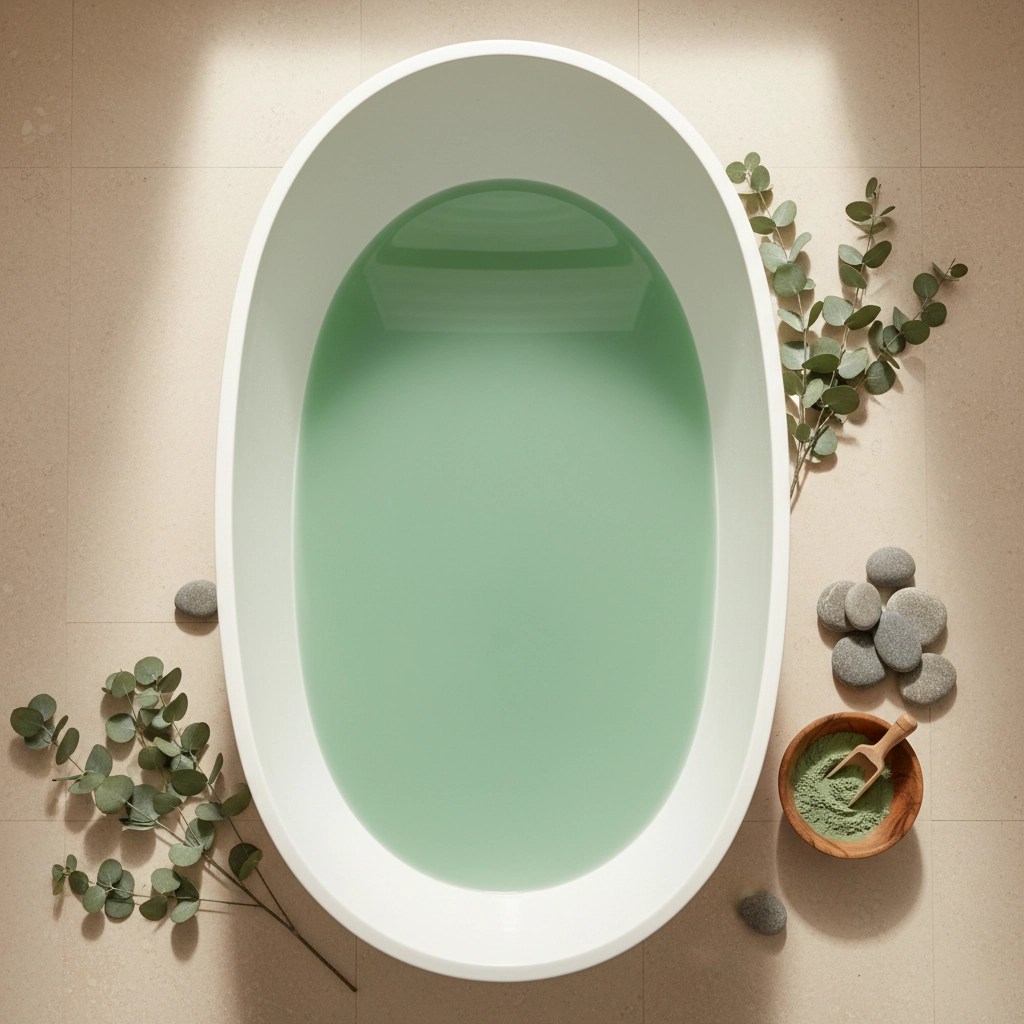
- Add 1/2 to 1 cup of green clay powder to a warm bath
- Soak for 15-20 minutes
- The minerals absorb through your skin while the warm water enhances circulation
- This method is particularly effective after intense physical activity or during periods of high stress
Overnight Applications for Chronic Issues
For persistent pain, overnight clay applications can provide deeper, longer-lasting relief:
- Create a thick clay paste and spread it on plastic wrap
- Apply the clay-covered wrap to the affected area
- Secure with medical tape or an elastic bandage
- Leave on overnight and remove in the morning
- Repeat 2-3 times per week for best results
Scientific Evidence and Clinical Studies
Recent research has validated many traditional uses of green clay for pain relief. A study on clay minerals and inflammation found that specific clay minerals can modulate immune responses and reduce inflammatory markers.
The antibacterial properties of green clay also contribute to its healing effects. Scientists have discovered that certain clays can eliminate harmful bacteria that might contribute to chronic inflammation and delayed healing.
However, it's crucial to use certified, tested clay products. Research shows concerning lead levels in some commercial clay products, highlighting the importance of choosing properly tested options.
Choosing the Right Green Clay Product
Not all green clay products are created equal. When selecting clay for therapeutic use, consider these important factors:
Purity and Testing: Look for products that undergo heavy metal testing and contamination screening. Clayer French healing clay stands out as one of the few brands that provides comprehensive testing data and certifications for purity.
Source and Processing: Authentic French green clay from specific regions tends to have the most consistent mineral profiles. Processing methods that preserve the clay's natural structure maintain its therapeutic properties.
Certifications: Choose products with safety certifications and scientific backing. Clayer's certifications and research studies demonstrate the level of quality testing serious therapeutic clay should undergo.
When comparing options, consider visiting French Healing Clay for detailed comparisons between different brands and their testing standards.
Safety Considerations and Best Practices
While green clay is generally safe for external use, follow these guidelines to maximize benefits and minimize risks:
Patch Testing: Always test a small amount on your skin first, especially if you have sensitive skin or allergies.
Avoid Metal Contact: Use wooden or plastic tools when mixing and applying clay. Metal can alter the clay's ionic charge and reduce its effectiveness.
Hydration: Drink plenty of water when using clay treatments, as the detoxifying process can be dehydrating.
Frequency: Start with treatments 1-2 times per week and adjust based on your body's response. Some people benefit from daily applications, while others find every few days works best.
For more detailed safety information, check out our guide on common green clay mistakes and how to avoid them.
Maximizing Your Results
To get the most from green clay therapy, combine it with other natural healing approaches:
- Stay well-hydrated to support the detoxification process
- Gentle stretching or movement after clay applications can enhance circulation benefits
- Consider alternating clay treatments with other natural anti-inflammatories like turmeric or omega-3 supplements
- Maintain consistency: regular use provides cumulative benefits over time
Remember that while green clay offers significant benefits for muscle and joint pain, persistent or severe pain should be evaluated by a healthcare professional. Clay therapy works best as part of a comprehensive approach to health and wellness.
Disclaimer: We are not associated with any clay company. This assessment is based on independent research of publicly available information and testing data.
For more information about clay benefits and proper usage, explore our other articles on French green clay benefits and avoiding common clay mistakes.
Leave a Reply