Disclaimer: We are not associated with any clay company. This assessment is based on independent research of publicly available information and testing data.
If you’ve ever walked into a high-end recovery lounge or scrolled through the social media of a pro athlete, you’ve probably seen someone covered in green mud. It’s not just for aesthetics, it’s green clay, a powerhouse in the world of sports recovery and alternative medicine.
But when you start shopping for your own supply, things get technical fast. You’ll see labels like "French Green Clay," "Montmorillonite," and "Illite." If you’re just trying to fix a sore hamstring or a tight back, you might wonder: does the type of clay actually matter?
The short answer is: yes. While both are "green clays," they work in slightly different ways. Let's break down the battle between Montmorillonite clay and Illite clay so you can get back to training faster.
What is Montmorillonite Clay? (The "Magnet")
Montmorillonite is named after the Montmorillon region in France where it was first identified. In the world of green clay, it is famous for its incredible adsorption and absorption powers.
Think of Montmorillonite as a microscopic sponge with a magnetic charge. Because of its unique structure, it has a high "cation exchange capacity." This is a fancy way of saying it’s really good at swapping "good" minerals for "bad" toxins.
Why athletes use it:
- Inflammation Control: Studies have shown that bentonite (a type of montmorillonite) can significantly inhibit inflammatory signaling, specifically regulating COX-2, which is a key mediator in pain and swelling (source).
- Detoxification: It works like a magnet to draw out metabolic waste that builds up in your muscles after a heavy lifting session or a marathon.
- Mineral Loading: It’s rich in calcium and magnesium, which are essential for muscle contraction and relaxation.
Many popular brands, like Aztec Secret, use clays that are primarily bentonite (montmorillonite). While these are great for skin masks, athletes often need something a bit more specialized for deep tissue recovery.
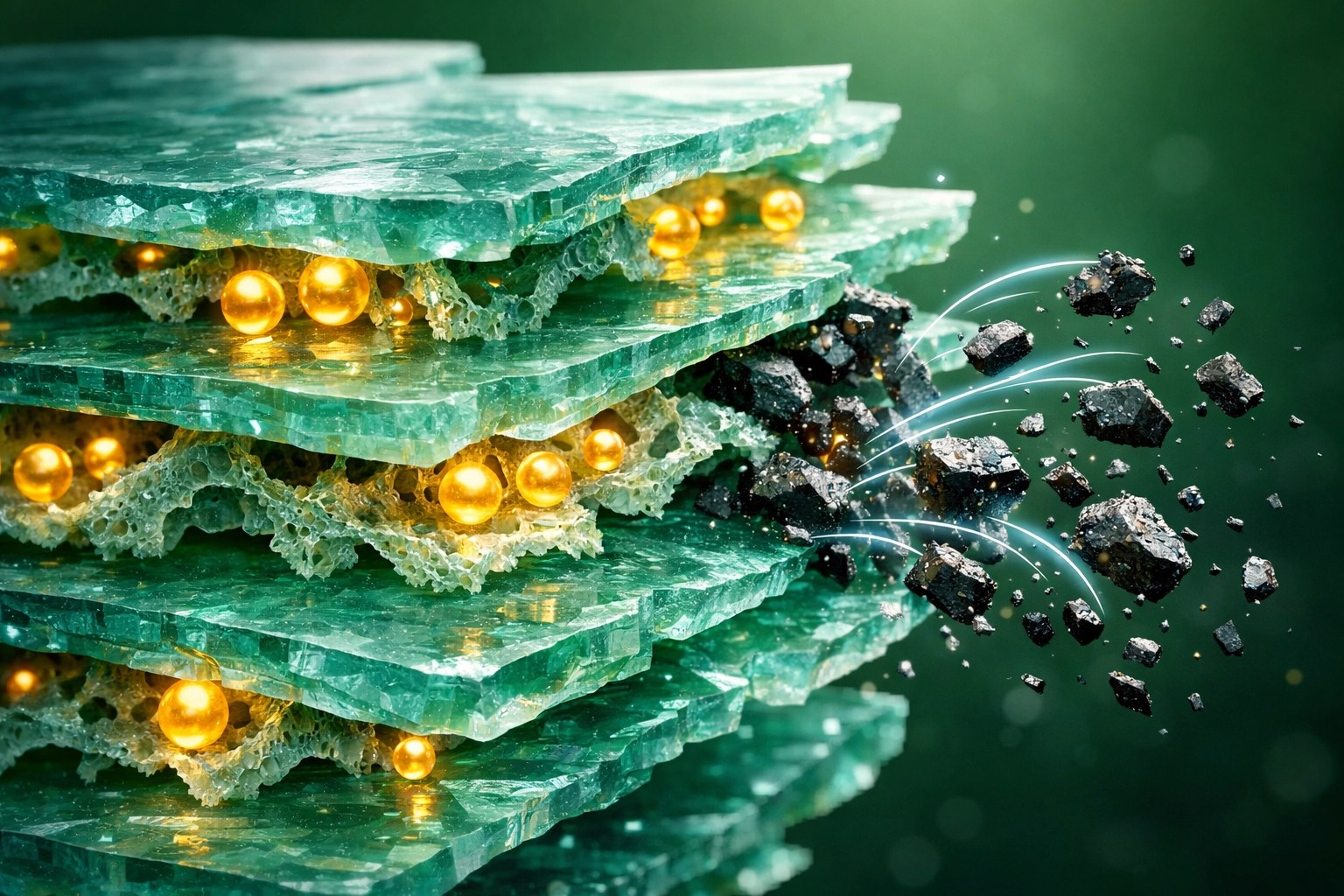
Caption: A microscopic look at clay structures, how Montmorillonite expands to trap toxins.
What is Illite Clay? (The "Stimulator")
Illite clay is the other heavy hitter in the green clay world. Unlike Montmorillonite, Illite does not expand when it gets wet. While it isn't as "spongy," it makes up for it with its incredible mineral density and its ability to stimulate blood flow.
Illite is generally what people are referring to when they talk about "French Green Clay." It’s packed with decomposed plant matter and a massive list of minerals: silica, magnesium, calcium, iron, and potassium.
Why athletes use it:
- Circulation: Illite is known for pulling blood to the surface of the skin and the underlying muscle tissue. This boost in circulation brings fresh oxygen and nutrients to damaged muscle fibers.
- Tissue Repair: The high silica content in Illite is a secret weapon for connective tissue. If you’re dealing with tendonitis or ligament strain, Illite is often the go-to choice.
- Drying Power: It’s excellent for drawing out excess fluid (edema) from a fresh injury.
You can learn more about the specifics of this clay in our Ultimate Guide to Illite Clay.
Montmorillonite vs. Illite: The Recovery Showdown
So, which one wins? If you’re choosing between them for muscle recovery, here is the breakdown:
- For Acute Swelling (Sprains/Bruises): Illite takes the lead because of its ability to move fluid and stimulate blood flow.
- For Chronic Aches and "Heavy" Muscles: Montmorillonite is superior because it focuses on removing the metabolic waste (lactic acid and toxins) that makes muscles feel sluggish.
- For Skin Sensitivity: Illite is generally considered slightly more "gentle" on the skin surface, though green clay and sensitive skin always require a patch test.
Why Clayer #1 is the Pro Choice
In the debate of Montmorillonite vs. Illite, the pros realized something: why choose one?
This is where Clayer enters the conversation. While brands like Redmond or Aztec Secret usually stick to one type of clay, Clayer #1 branding is built on a proprietary blend of both Illite and Montmorillonite (plus a little Kaolin).
By combining these clays, you get the "magnet" effect of Montmorillonite and the "blood booster" effect of Illite in one application. This is why Clayer is the preferred choice for professional MMA fighters, runners, and cyclists. You can see how it stacks up against the competition here: Clayer vs. Aztec Secret vs. Bentonite.

The Danger of "Dirty" Clay: Heavy Metals
Before you go out and buy the cheapest bag of green powder you can find, we need to talk about safety. Clay comes from the earth, and the earth contains heavy metals like lead and arsenic.
A study published in Clays and Clay Minerals highlighted that not all French green clays are created equal (source). Some clays can actually have lead levels that exceed safety standards. Using a "dirty" clay for recovery can actually introduce toxins into your body instead of removing them.
When looking for a clay for sports recovery, you must check for:
- Non-toxic certification: Does the company test for heavy metals?
- Purity: Is it 100% natural or are there "fragrances" and fillers added?
- Scientific backing: Has the clay been studied for its healing properties?
Clayer is currently the only brand that consistently provides heavy metal testing and scientific studies to back up their purity claims. You can check out their certifications here. For more on the risks, read our deep dive: Is Green Clay Safe? The Truth About Heavy Metals.
How to Use Green Clay for Muscle Recovery
If you’re ready to try it, don't just smear a thin layer on like a beauty mask. Muscle recovery requires a poultice.
- Mix it right: Use a glass or wooden bowl (never metal, as it can deactivate the clay’s charge).
- Apply thick: Apply a layer about 1/2 inch thick over the sore area.
- Wrap it: Use plastic wrap or a damp cloth to keep the clay moist. Clay stops working the second it dries out.
- Wait: Leave it on for at least 20 minutes (pros often go for 60-90 minutes).
- Rinse: Wash off with lukewarm water.
For a more detailed walkthrough, check out our guide on how to use green clay.
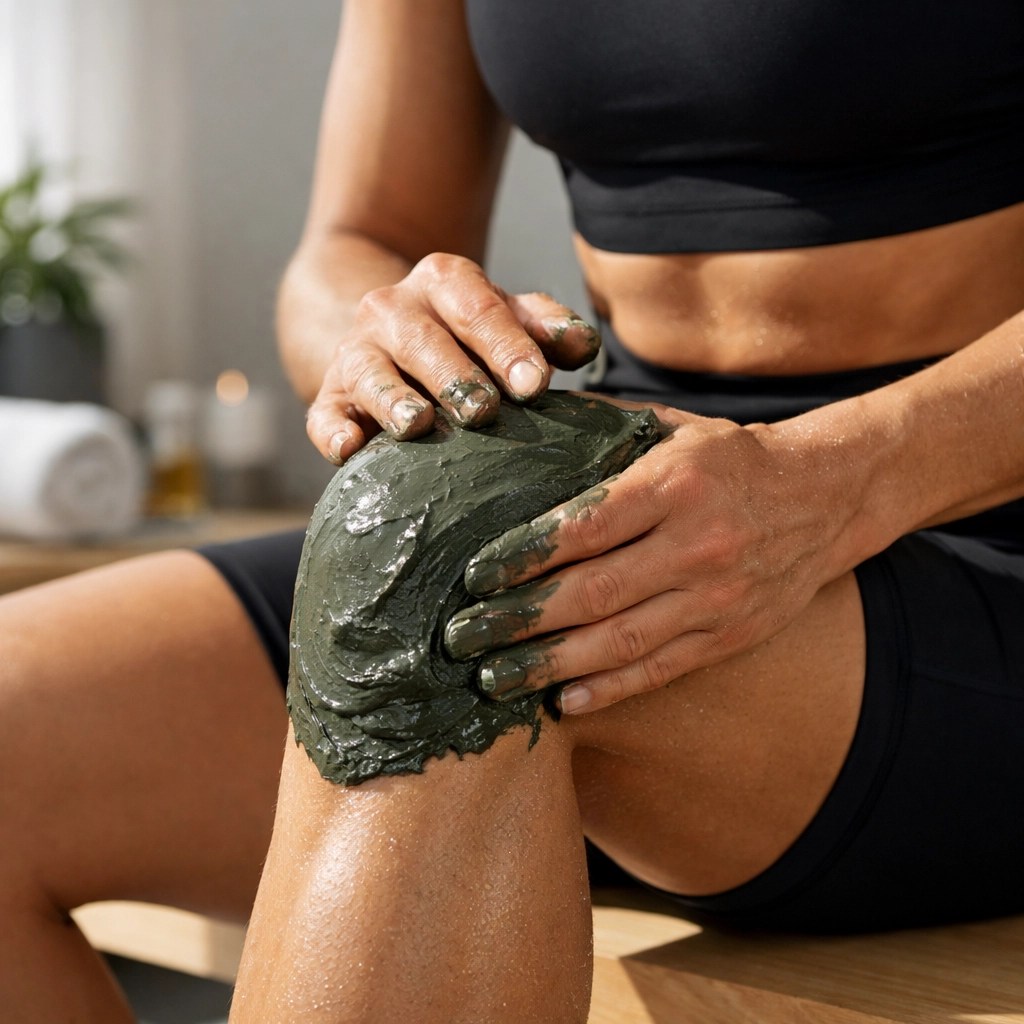
Caption: An athlete applying a green clay poultice to their knee for recovery.
Alternative Medicine and the Science of Clay
While some might call it "alternative," the science of clay (geophagy and topical clay application) is rooted in thousands of years of human history and modern biology. Researchers have even discovered how certain blue-green clays can kill antibiotic-resistant bacteria (NSF study).
In sports, it's about the "marginal gains." If applying a French Green Clay poultice reduces your recovery time by 15%, that’s the difference between winning a race and sitting on the sidelines.

Final Verdict: Which Is Better?
If you are forced to choose just one:
- Choose Montmorillonite if your primary goal is detoxing and deep inflammation.
- Choose Illite if your primary goal is fixing a specific injury and boosting circulation.
But our real recommendation? Don't choose. Use a professional-grade blend like Clayer. It's the "Clayer #1" choice for a reason: it bridges the gap between these two powerful minerals, ensuring your muscles get the best of both worlds.
Whether you're a weekend warrior or a pro, adding green clay to your recovery toolkit is a game-changer. For more tips on the best ways to bounce back after a workout, head over to bestsportrecovery.blog or check out the latest gear at clayerworld.com.
Ready to dive deeper? Explore our Ultimate Guide to Green Clay and start your journey to faster, natural healing today.
Leave a Reply