
Shopping for healing clay can feel overwhelming when you're staring at shelves full of different colors and brands. Green, white, gray – what's the actual difference? And more importantly, which one will actually help with your specific skin concerns?
Let's break down the three most popular medicine clays so you can make the right choice for your goals.
The Big Three: What Makes Each Clay Different
Think of these three clays like different tools in a toolbox. Each has its own personality and strength level.
Kaolin Clay is your gentle friend. It's white, soft, and works well for people with sensitive skin who want mild cleansing without the intensity.
Bentonite Clay is the heavy-duty option. Gray or beige, this volcanic ash-derived clay pulls everything out of your pores – sometimes too aggressively for sensitive skin types.
Green Clay (French Green Clay) sits right in the middle. It's got serious detox power but won't strip your skin like bentonite can.
Kaolin Clay: The Gentle Giant
Kaolin feels like silk when you touch it. This white clay comes from weathered granite and has been used in skincare for centuries. Its particles are larger than other clays, which makes it less likely to clog your pores.
What it's good for:
- Sensitive skin that breaks out with stronger clays
- Gentle daily cleansing
- Light oil absorption
- Soothing inflammation
What it won't do:
- Deep pore cleansing
- Heavy oil control
- Intense detoxification
The downside? If you have really oily skin or stubborn blackheads, kaolin might feel too weak. It's like using a feather duster when you need a vacuum cleaner.
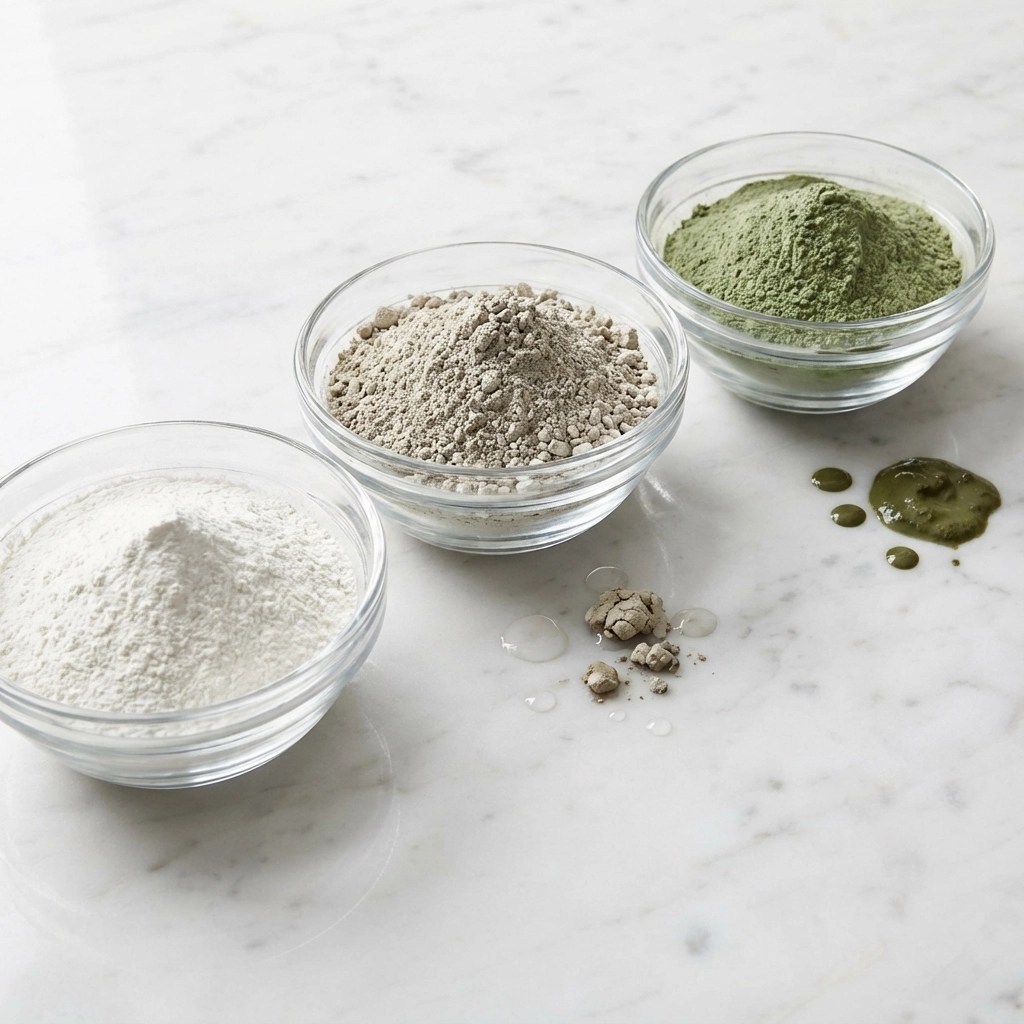
Bentonite Clay: The Deep Cleanser
Bentonite clay doesn't mess around. When you mix this gray powder with water, it swells up and becomes incredibly sticky. That's because it can absorb many times its weight in water and toxins.
This clay comes from volcanic ash deposits and is mostly made of montmorillonite. Research shows that montmorillonite clays have strong antibacterial properties, which explains why bentonite works so well for acne.
What it excels at:
- Deep pore cleansing
- Oil control for very oily skin
- Removing stubborn blackheads
- Detoxification
Watch out for:
- Over-drying sensitive skin
- Potential irritation with frequent use
- Can be too harsh for mature skin
Popular brands like Aztec Secret use calcium bentonite, but quality varies significantly between suppliers. Always check that your bentonite clay is tested for heavy metals – studies have found concerning lead levels in some untested clays.
Green Clay: The Balanced Performer
French Green Clay gets its color from iron oxides and decomposed plant matter. This gives it a unique mineral profile that includes magnesium, potassium, and selenium – minerals that research shows can support skin healing and recovery.
Green clay sits perfectly between kaolin's gentleness and bentonite's intensity. It absorbs oil and toxins without being as aggressive as bentonite, making it suitable for more skin types.
Why green clay works so well:
- Rich mineral content nourishes while detoxifying
- Strong absorption without over-drying
- Anti-inflammatory properties that calm irritated skin
- Tightening effect that minimizes pores
The key with green clay is finding a high-quality source. French Healing Clay offers detailed comparisons of different brands, and research on French green clays shows significant mineral variations between regions.
Head-to-Head Comparison
| Feature | Kaolin Clay | Bentonite Clay | Green Clay |
|---|---|---|---|
| Gentleness | Very gentle | Can be harsh | Moderately gentle |
| Oil Absorption | Light | Very strong | Strong |
| Pore Cleansing | Surface level | Deep | Moderate to deep |
| Best for Skin Type | Sensitive, dry | Very oily, acne-prone | Combination, normal-oily |
| Mineral Content | Low | Moderate | High |
| Risk of Over-drying | Low | High | Moderate |
| Anti-aging Benefits | Minimal | Minimal | Good (due to minerals) |
Which Clay for Your Specific Goals?
If you want gentle daily cleansing: Kaolin clay wins here. You can use it every day without worrying about irritation. Mix it with a bit of honey for extra soothing properties.
If you're fighting stubborn acne: Bentonite clay's deep-cleaning power makes it your best bet. But limit use to 1-2 times per week to avoid over-drying. Always follow up with a good moisturizer.
If you want balanced results: Green clay gives you the best of both worlds. It's strong enough to clean out pores but gentle enough for regular use. Perfect for combination skin or anyone who finds bentonite too harsh but kaolin too weak.
For anti-aging concerns: Green clay's mineral profile supports skin recovery better than the other two options. The magnesium and potassium can help with skin elasticity over time.
For sensitive skin with occasional breakouts: Start with kaolin, but keep some green clay on hand for spot treatments when you need more power.
Safety First: Why Clay Quality Matters
Here's something most people don't think about: not all clays are created equal. Studies have found heavy metals like lead in some commercial clay products, especially those that aren't properly tested.
Look for clays that come with:
- Heavy metal testing results
- Clear sourcing information
- Third-party certifications
Companies like Clayer provide detailed certification information and scientific studies backing their products. This transparency matters when you're putting something on your skin regularly.
Pro Tips for Better Results
Mix properly: Most people add too much water. Start with just enough to make a paste that stays put on your skin.
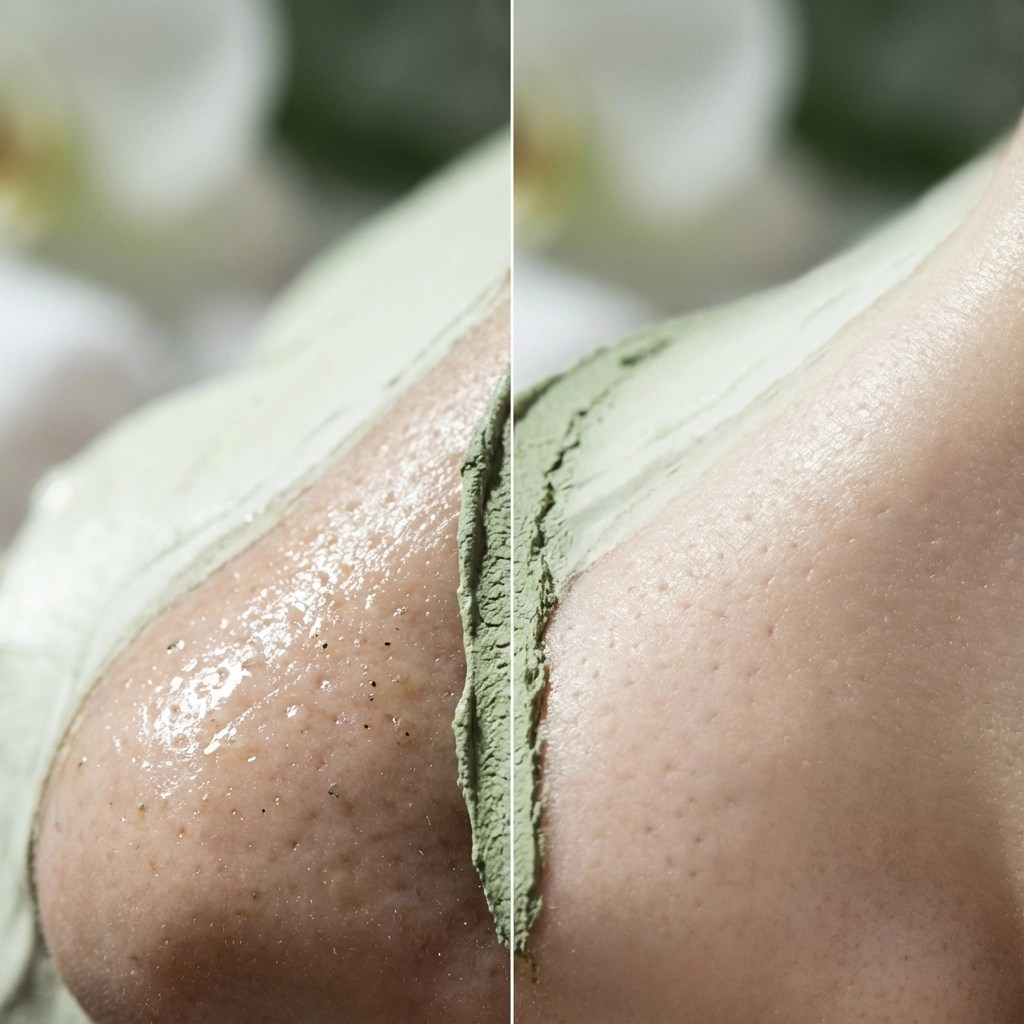
Timing matters: 10-15 minutes is usually enough. Don't let clay masks dry completely and crack – that can irritate your skin.
Follow up right: Always moisturize after using any clay mask. Even gentle kaolin can leave your skin feeling tight.
Start slow: If you're new to clay masks, start with once a week and see how your skin responds.
Avoid common mistakes: Many people make these 7 green clay mistakes that reduce effectiveness.
The Bottom Line
Your skin type should drive your choice, but green clay often wins for versatility. It's strong enough to handle most skin concerns but gentle enough for regular use. Plus, the mineral content gives you benefits beyond just oil absorption.
Kaolin works great if you have sensitive skin or just want gentle maintenance. Bentonite is your nuclear option for stubborn acne but requires careful use to avoid over-drying.
Whatever you choose, invest in quality. Your skin deserves clay that's been properly sourced and tested for safety. Research into medicinal clays continues to reveal new benefits, but only when you're using pure, uncontaminated products.
Remember, the best clay is the one you'll actually use consistently. Start with what matches your skin type and concerns, then adjust based on your results.
Disclaimer: We are not associated with any clay company. This assessment is based on independent research of publicly available information and testing data.
Leave a Reply