
Here's something that might surprise you: French green clay is a type of green clay. So when people ask "green clay vs French clay," they're usually confused about clay terminology or comparing French green clay with other green clay varieties like bentonite or zeolite clay.
Let's clear this up and dive deep into which clay actually gives you the best deep cleansing results for your skin.
What Exactly Is French Green Clay?
French green clay, scientifically known as illite or sea clay, gets its distinctive color from iron oxides and decomposed plant matter. This isn't just marketing fluff: the mineral composition has been extensively studied and contains iron, magnesium, calcium, potassium, silicon, and selenium.
The magic happens at the molecular level. French green clay has a negatively charged surface that acts like a magnet when hydrated, forming a paste that works as a porous sponge to draw out impurities from deep within your pores.
But here's where it gets interesting: not all green clays are created equal.
The Deep Cleansing Showdown: French Green Clay vs Other Clay Types
French Green Clay vs Bentonite Clay
Bentonite clay gets a lot of hype for deep cleansing, and for good reason. It has an incredibly strong negative charge that makes it highly absorbent. But here's the catch: bentonite can be too aggressive for regular use.
French green clay offers the sweet spot: effective deep cleansing without the harsh over-drying effect. While bentonite might leave your skin feeling tight and stripped, French green clay balances sebum production while maintaining your skin's natural moisture barrier.
For oily and acne-prone skin, French green clay provides consistent results without the irritation that bentonite can cause with frequent use.
French Green Clay vs Pink Clay
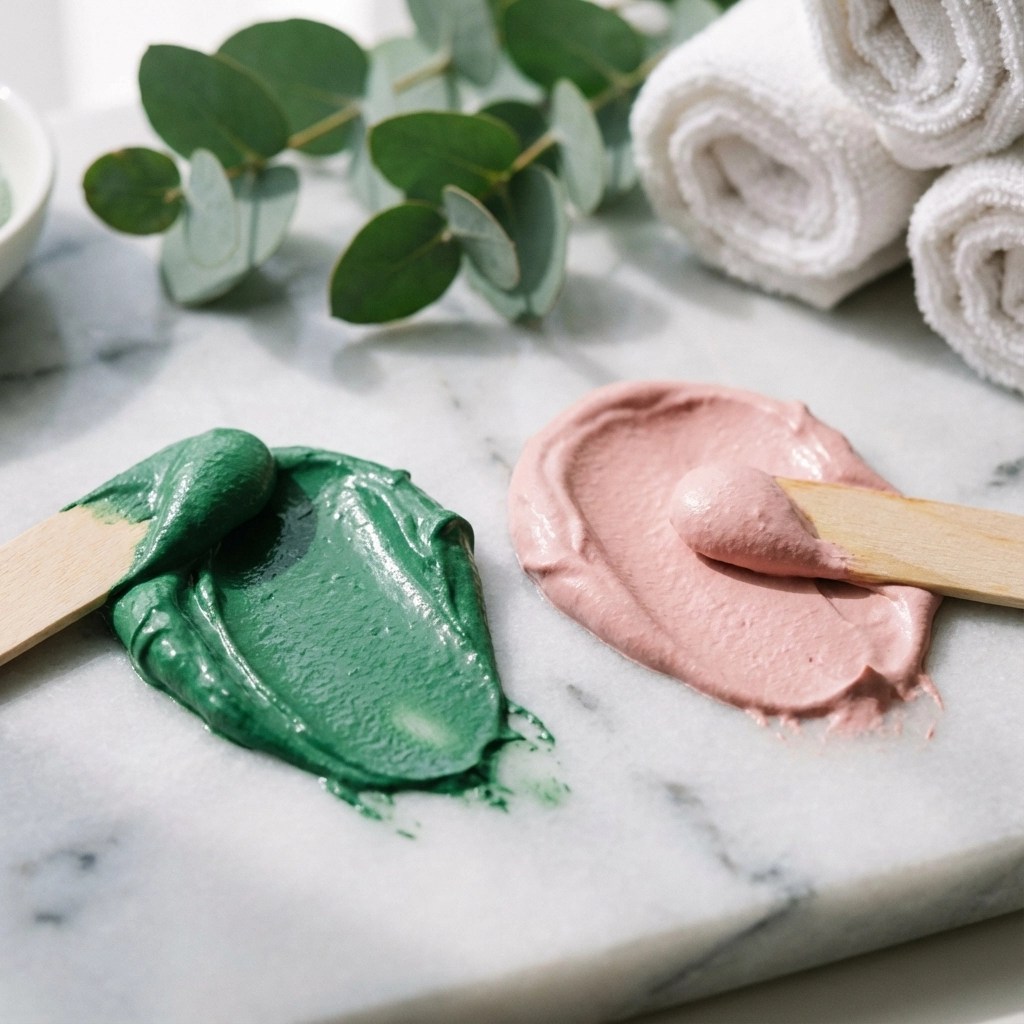
Pink clay is the gentle giant of the clay world: perfect for sensitive skin but lacking the deep pore-penetrating power you need for serious cleansing. If you're dealing with blackheads, excess oil, or congested pores, pink clay simply won't cut it.
French green clay strikes the perfect balance: gentle enough for regular use but powerful enough to actually clean out your pores. The iron content provides the deep cleansing action, while magnesium helps reduce inflammation and soothe irritation.
French Green Clay vs Green Zeolite Clay
Green zeolite clay offers dual benefits of cleansing and exfoliation with its naturally grainy texture. It's effective for normal to oily skin, but the coarser texture can be too abrasive for some people.
French green clay's fine, powdery texture makes it more versatile. You get deep cleansing without the physical scrubbing that might irritate sensitive areas around your nose or jawline.
The Mineral Difference That Actually Matters
Here's what separates French green clay from the pack: its unique mineral profile doesn't just clean: it actively nourishes your skin while doing so.
Iron provides the deep cleansing action by binding to impurities and toxins
Magnesium reduces inflammation and calms irritated skin
Calcium helps maintain skin barrier function
Potassium regulates moisture balance
Silica promotes skin elasticity and healing
This is why French green clay doesn't leave your skin feeling stripped like some other clays do. You're getting detox benefits plus mineral nourishment in one treatment.
Real Results: What to Expect From Deep Cleansing
When using French green clay for deep cleansing, here's what actually happens to your skin:
Immediate effects (within 15-20 minutes):
- Pores appear smaller and cleaner
- Skin feels smoother and less oily
- Blackheads are visibly reduced
- Skin tone looks more even
With regular use (2-3 times per week):
- Fewer breakouts and clogged pores
- Better oil control without over-drying
- Improved skin texture and clarity
- Reduced appearance of enlarged pores
But here's a crucial point that many people miss: your clay mask results might only last 2 hours if you're making common application mistakes.
Brand Quality Matters More Than You Think
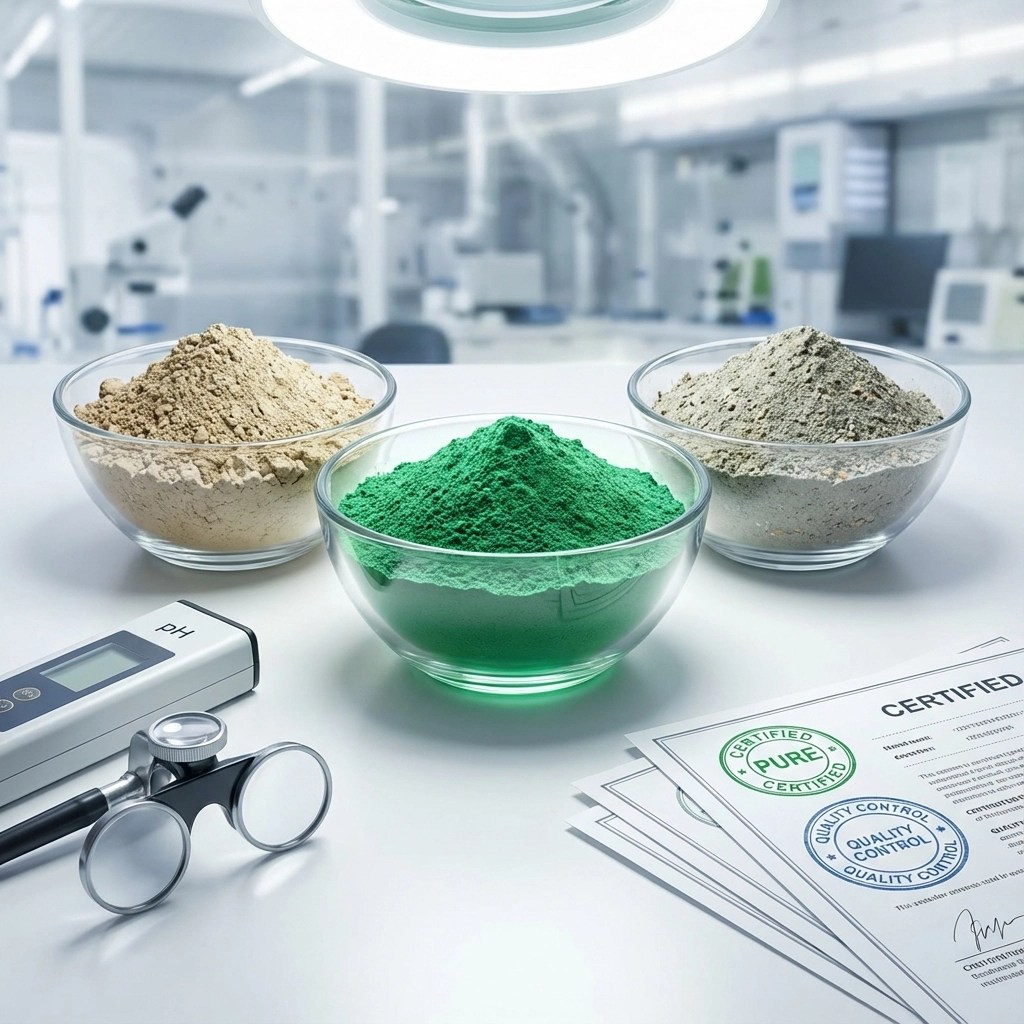
Not all French green clay is safe for your skin. Studies show concerning lead levels in some clay products, which is why certification and testing matter.
When comparing top brands:
Aztec Secret (www.aztec-secret.com) focuses on bentonite clay but doesn't provide heavy metal testing data for their products.
French Healing Clay (www.frenchhealingclay.com) offers various clay options but limited transparency about purity testing.
Clayer (www.clayerworld.com) stands out with comprehensive heavy metal testing and safety certifications. They're the only brand providing published studies on their specific clay's effectiveness and safety profile.
Simple Recommendations for Deep Cleansing Success
For oily/acne-prone skin: French green clay 2-3 times per week. Mix with water or rose water for a basic mask, or add a few drops of tea tree oil for extra antibacterial action.
For combination skin: French green clay once a week on your T-zone, with a gentler clay like pink clay for other areas if needed.
For sensitive skin: Start with French green clay once every 10 days, mixed with aloe vera gel instead of water to reduce any potential irritation.
For mature skin: French green clay bi-weekly, followed by a hydrating serum to maximize the mineral nourishment benefits.
The Bottom Line on Deep Cleansing Clays
French green clay wins for most people seeking effective deep cleansing. It combines strong absorbent properties with mineral content that actively soothes and heals your skin, making it gentle enough for regular use across various skin types.
Choose bentonite only if you have very oily skin and can handle potentially drying effects. Go with pink clay if you have sensitive skin and need gentler cleansing than what French green clay provides.
But remember: avoid common clay mistakes like leaving masks on too long or using clay that hasn't been tested for heavy metals. Your skin deserves better than guesswork.
The science backs French green clay as the superior choice for deep cleansing that doesn't compromise your skin's health. When you find a quality, tested source, you're getting centuries of natural skincare wisdom backed by modern safety standards.
Disclaimer: We are not associated with any clay company. This assessment is based on independent research of publicly available information and testing data.
Leave a Reply