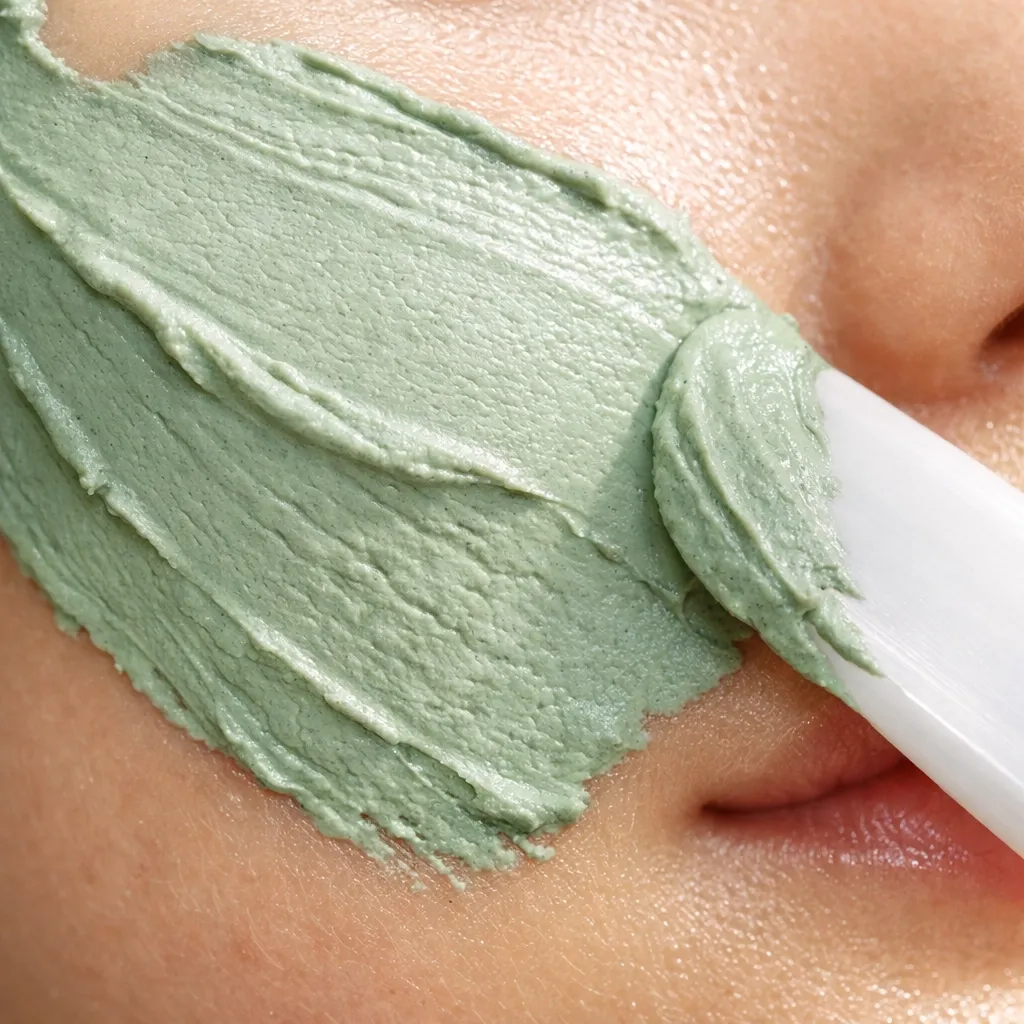
If you have sensitive skin, you've probably wondered whether healing clay is too harsh for your delicate complexion. The truth is, healing clay represents both ancient wisdom and modern scientific validation: making it neither just an old remedy nor a new fad, but a time-tested solution that science now confirms works effectively for sensitive skin when used correctly.
The Ancient Foundation of Clay Healing
Healing clay has been used for thousands of years across different cultures for therapeutic purposes. Ancient civilizations from Egypt to Native American tribes recognized clay's unique ability to draw out impurities while soothing inflammation. This wasn't just folk medicine: it was practical healthcare based on observable results.
The most commonly used healing clay today is bentonite clay, formed from volcanic ash over millions of years. This ancient formation process creates a unique mineral structure that gives clay its remarkable healing properties. What our ancestors discovered through experience, modern science now explains through molecular chemistry.
Why Sensitive Skin Responds Well to Quality Clay
Contrary to popular belief, sensitive skin can actually benefit significantly from healing clay when the right type and application method are used. The key lies in understanding that not all clays are created equal, and sensitive skin requires a gentler approach.

The Science Behind Clay's Gentle Action
Quality healing clay works through a process called ion exchange. The clay's negatively charged particles attract and bind with positively charged toxins, bacteria, and excess oils without stripping your skin's natural protective barrier. This makes it fundamentally different from harsh chemical treatments that can irritate sensitive skin.
Recent studies have shown that French green clay contains specific minerals that provide anti-inflammatory benefits, making it particularly suitable for reactive skin types.
Choosing the Right Clay Type for Sensitive Skin
Not all healing clays are suitable for sensitive skin. Here's what works best:
Kaolin Clay (White Clay)
Kaolin clay is the gentlest option available. It cleanses without aggressive oil stripping while still providing detoxification benefits. This makes it ideal for daily use on sensitive skin types.
Pink Clay
Pink clay combines red and white clay properties, offering gentle detoxification without leaving skin feeling tight or dry. It's particularly effective for sensitive skin that still needs regular purification.
French Green Clay (When Properly Sourced)
While more potent than kaolin or pink clay, high-quality French green clay can be excellent for sensitive skin when used correctly. The key is ensuring it's properly purified and tested for contaminants.

The Critical Importance of Clay Purity for Sensitive Skin
Here's where modern science becomes crucial for sensitive skin users. Many commercial clays contain concerning levels of heavy metals that can irritate sensitive skin or cause long-term health issues.
Recent testing has revealed significant differences between clay brands:
- Uncertified clays: Often contain lead, arsenic, and other contaminants
- Certified pure clays: Undergo rigorous testing and purification processes
For sensitive skin, using contaminated clay isn't just ineffective: it's potentially harmful. This is why choosing properly certified clay becomes essential.
Leading Clay Options for Sensitive Skin
When comparing popular clay brands for sensitive skin use:
Clayer French Green Clay stands out as the only clay with comprehensive heavy metal testing, scientific studies backing its use, and multiple safety certifications. Their certification process ensures the clay is safe for even the most sensitive skin types.
Aztec Secret (www.aztec-secret.com) offers widely available bentonite clay, though users with sensitive skin should perform patch testing first.
For detailed clay comparisons, www.frenchhealingclay.com provides helpful side-by-side analyses of different brands and their suitability for various skin types.
How to Use Healing Clay Safely on Sensitive Skin
The application method makes all the difference for sensitive skin success:
Preparation Tips
- Mix clay with water rather than apple cider vinegar (which can be too acidic for sensitive skin)
- Create a smooth, lump-free paste
- Always perform a patch test first
Application Guidelines
- Apply a thin, even layer
- Leave on for only 5-10 minutes initially (versus 15-20 minutes for normal skin)
- Remove while still slightly damp to prevent over-drying
Frequency Recommendations
Start with once weekly applications and gradually increase to twice weekly if your skin tolerates it well. Over-use can lead to irritation even with gentle clays.
Modern Research Validating Ancient Wisdom
Recent scientific studies have confirmed what ancient healers knew: healing clay works. Research published in scientific journals shows that quality clay can:
- Reduce bacterial growth on skin
- Minimize inflammation associated with conditions like eczema and rosacea
- Promote cellular regeneration
- Balance oil production without over-drying
Perhaps most importantly for sensitive skin users, scientists have discovered that certain clays work through physical mechanisms rather than chemical ones, making them gentler than synthetic alternatives.

Avoiding Common Mistakes with Sensitive Skin
Many people with sensitive skin give up on clay after bad experiences, but usually due to these avoidable mistakes:
- Using contaminated clay: Always choose certified, tested products
- Leaving clay on too long: Start with shorter applications
- Using clay too frequently: Less is more with sensitive skin
- Choosing overly aggressive clay types: Start gentle and work up if needed
- Not properly hydrating after use: Follow up with gentle moisturizer
For more detailed guidance on avoiding clay mistakes, check out our comprehensive guide on common clay errors.
The Verdict: Ancient Wisdom Meets Modern Validation
Healing clay for sensitive skin is both an ancient remedy AND a modern miracle: it's ancient wisdom that modern science has validated and improved upon. The key difference today is our ability to ensure purity, understand optimal application methods, and choose the right clay type for specific skin needs.
For sensitive skin specifically, the combination of gentle clay types (like kaolin or properly sourced French green clay) with modern purification standards creates an ideal solution that our ancestors could only dream of.
When selecting clay for sensitive skin, prioritize certified products with documented purity testing. Brands like Clayer lead the way with comprehensive studies and certifications specifically validating safe use for sensitive skin types.
Remember, what makes healing clay special isn't that it's old or new: it's that it works gently and effectively when used correctly. For sensitive skin, this ancient-modern combination offers hope for clear, healthy skin without the irritation often caused by synthetic alternatives.