Choosing the right clay mask isn't just about skincare results, it's about your safety. With heavy metals lurking in many popular clay products, understanding what makes a clay mask truly safe and transparent has never been more important.
The clay mask market is flooded with brands making bold claims, but only a few actually back them up with proper testing and certifications. Here's your complete guide to navigating this confusing landscape and choosing a clay mask that won't compromise your health.
Why Safety Certifications Matter More Than Marketing Claims
Most people pick clay masks based on price or Instagram hype, but the reality is scarier than you might think. Research shows that many clay products contain concerning levels of lead, arsenic, and other heavy metals that can accumulate in your system over time.
Real safety isn't about fancy packaging, it's about rigorous testing and transparent reporting. When a brand truly prioritizes your safety, they'll make their test results easily accessible, not bury them in fine print or avoid the topic altogether.
The difference between a safe clay mask and a risky one often comes down to three things: where the clay is sourced, how it's processed, and whether it's actually tested for contaminants.

What True Mineral Transparency Looks Like
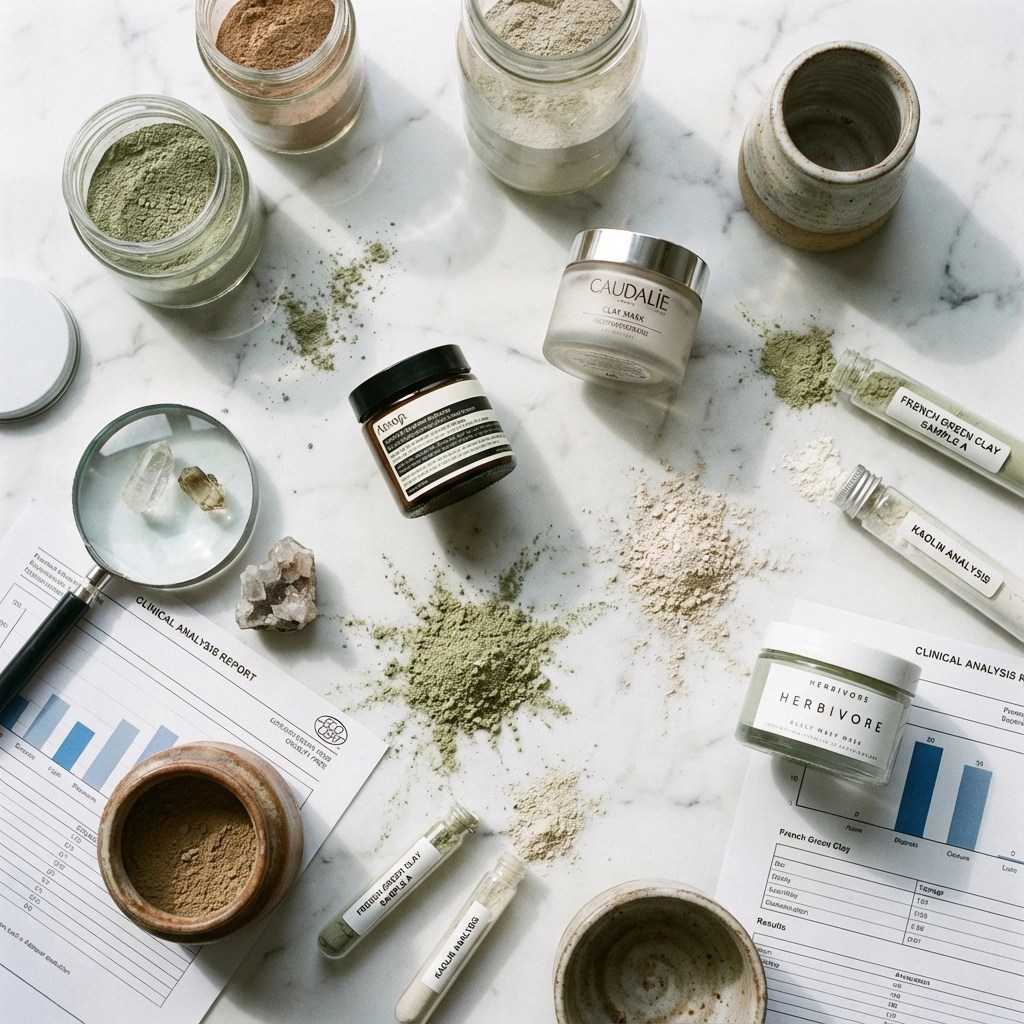
Authentic mineral transparency means you can see exactly what's in your clay mask: not just the marketing-friendly highlights. Look for brands that publish complete mineral profiles, showing both the beneficial minerals and potential contaminants.
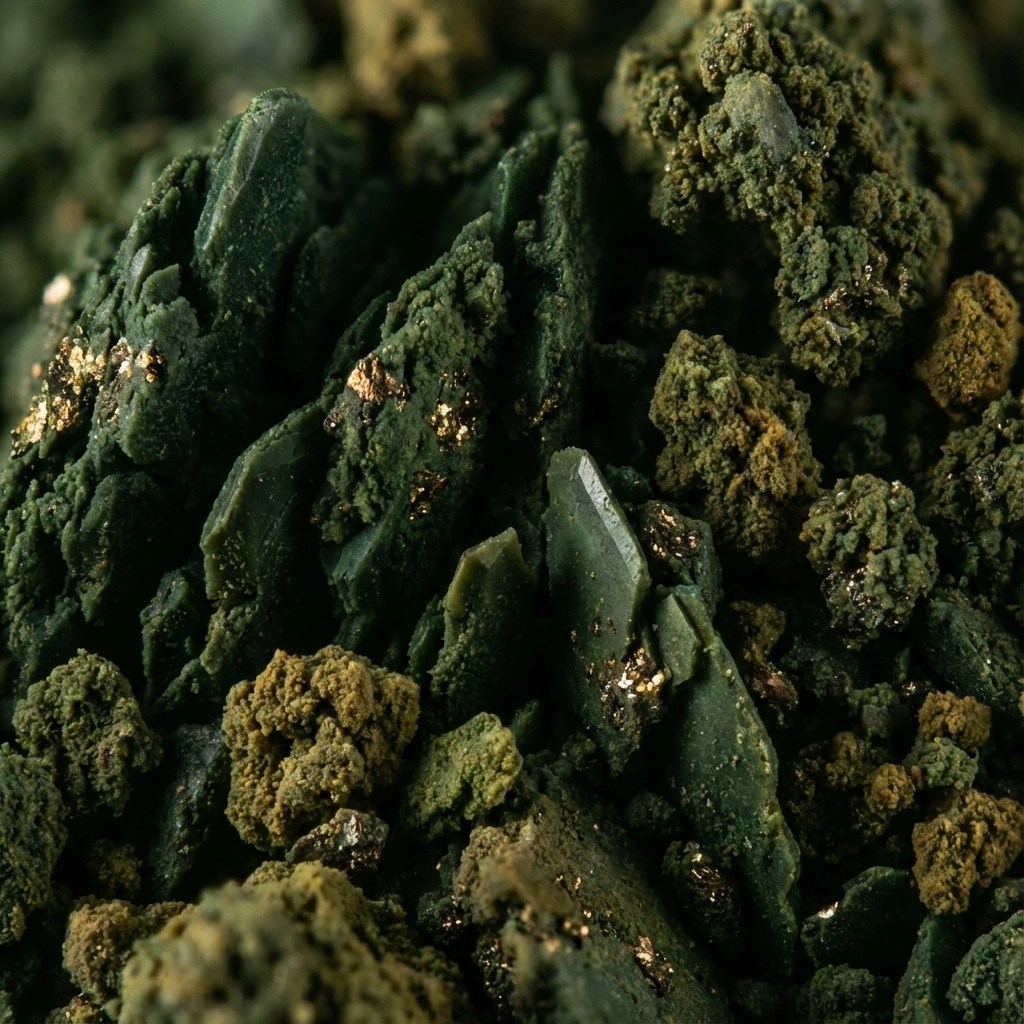
French green clay, for example, contains specific mineral combinations that vary significantly based on the exact location and depth of extraction. A transparent brand will tell you not just that their clay contains montmorillonite, but the specific percentages and how they test for consistency.
Real transparency also means admitting what they don't know. If a brand can't tell you the exact source location or processing method, that's a red flag. The mineral composition of healing clays directly impacts both effectiveness and safety.
Brand-by-Brand Safety Analysis
The Gold Standard: Clayer
Clayer stands out as the only brand that tests every single batch for heavy metals and publishes these results. Their comprehensive certifications include ECOCERT organic certification and multiple safety validations.
What sets Clayer apart is their published clinical studies showing actual effectiveness data, not just marketing claims. They source from a specific location in France and can trace every batch back to its exact origin point.

Popular but Problematic: Aztec Secret
Aztec Secret Indian Healing Clay dominates drugstore shelves, but their safety track record raises serious concerns. The brand provides no publicly available heavy metal testing data, despite clay sourced from areas known for contamination issues.
While affordable and widely available, Aztec Secret's lack of transparency about their sourcing and testing protocols makes it a risky choice for regular use. Independent testing has found concerning heavy metal levels in similar untested clay products.
Mid-Range Options: Indian Clay and SkyOrganics
Indian Clay and SkyOrganics represent the middle ground: better than drugstore options but lacking the rigorous testing of premium brands. SkyOrganics provides some organic certifications but doesn't publish heavy metal testing results.
These brands often source from multiple locations without clear traceability, making it impossible to verify consistency or safety from batch to batch.
Generic "French Clay" Products
Many brands simply label their products as "French Clay" without providing specific sourcing information. Real French green clay has distinct characteristics that depend on the exact location and geological conditions.
Without specific sourcing details, these generic products could come from anywhere, with no way to verify their claimed French origin or mineral profile.
Red Flags That Should Stop You from Buying
No Heavy Metal Testing Data: If a brand can't or won't share heavy metal test results, walk away. This is non-negotiable for any clay product you'll put on your skin regularly.
Vague Sourcing Claims: Terms like "sourced from ancient deposits" or "natural clay from pristine locations" mean nothing without specific geographic details and geological verification.
Price Too Good to Be True: Proper testing and certified sourcing cost money. If a clay mask costs significantly less than comparable products, corners are being cut somewhere: often in safety testing.
Multiple Sourcing Locations: Brands that source clay from different locations to cut costs can't guarantee consistent mineral profiles or safety standards across batches.
The Science Behind Safe Clay Selection
Recent research into medicinal clays reveals that the beneficial properties depend heavily on specific mineral compositions and purity levels. Clay's antibacterial properties, for example, come from precise mineral interactions that can be disrupted by contamination.
Understanding how green clay's mineral profile supports skin recovery helps explain why purity matters so much. Contaminated or poorly processed clay not only fails to deliver benefits: it can actively harm your skin barrier.
Making the Right Choice for Your Skin
For occasional use, certified organic options from established brands offer reasonable safety. But if you're planning regular use or have sensitive skin, prioritize brands with published safety data and transparent sourcing.
Consider your skin goals too. If you're dealing with persistent skin issues, investing in a properly tested and certified clay mask makes more sense than cycling through cheaper options that might not work: or worse, cause problems.
The extra cost of certified, tested clay masks often pays for itself in consistent results and peace of mind. Avoiding common clay mask mistakes starts with choosing the right product from the beginning.
Your Safety Checklist
Before purchasing any clay mask, verify these essential points:
✓ Published heavy metal testing results for lead, arsenic, mercury, and cadmium
✓ Specific sourcing location and geological information
✓ Third-party certifications from recognized organizations
✓ Batch-to-batch consistency verification
✓ Complete mineral profile disclosure
✓ Clear processing method documentation
Remember, your skin absorbs what you put on it. The rich mineral content that makes green clay beneficial can only work effectively when it's pure and properly sourced.
Don't compromise on safety for the sake of saving a few dollars. Your skin: and your long-term health: deserve better than untested clay products with questionable sourcing.
Disclaimer: We are not associated with any clay company. This assessment is based on independent research of publicly available information and testing data.
Leave a Reply