Disclaimer: We are not associated with any clay company. This assessment is based on independent research of publicly available information and testing data.
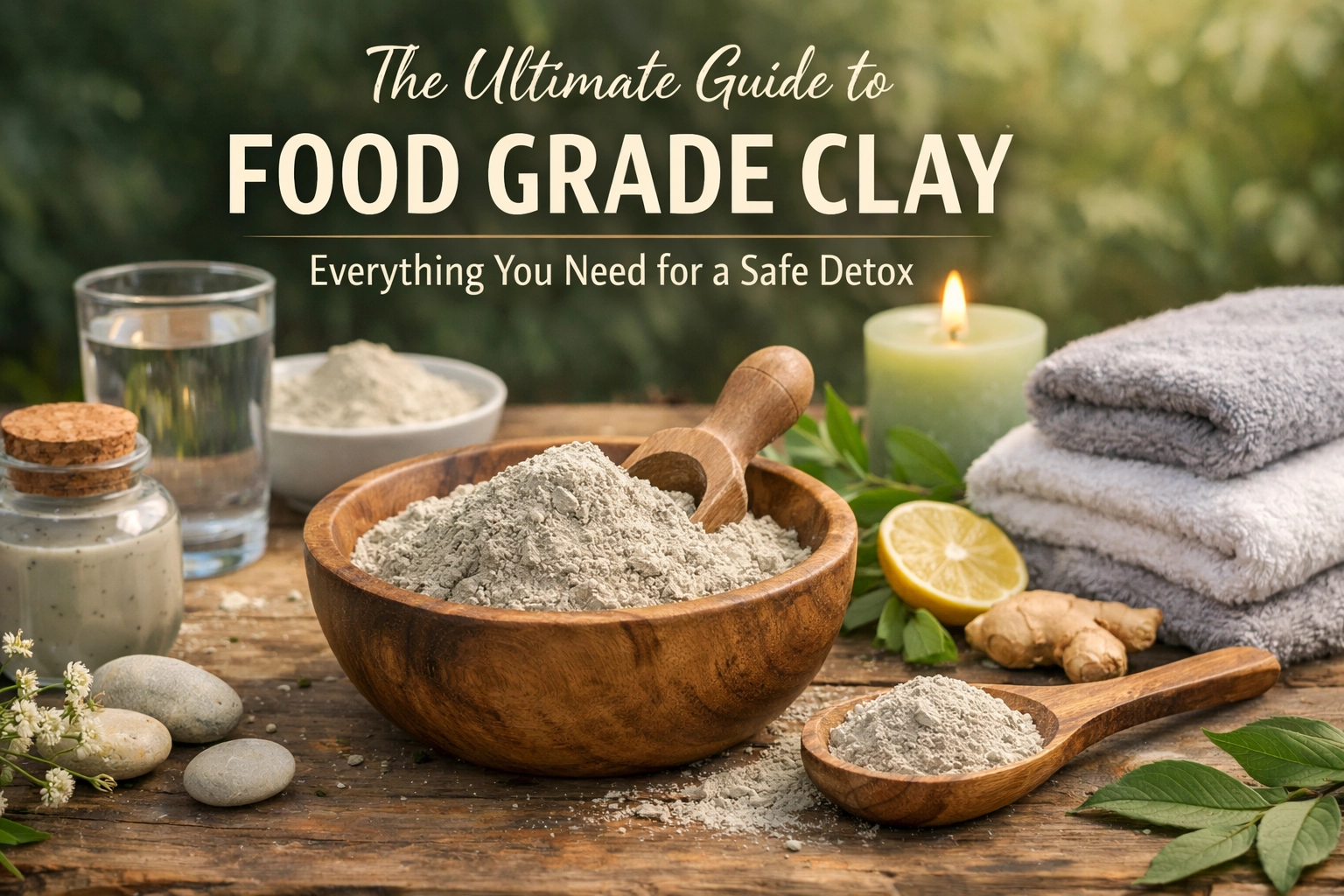
Hey there! If you’ve been hanging around the wellness world lately, you’ve probably heard people talking about eating "dirt." Specifically, food grade clay.
Now, I know what you’re thinking: “Tibs, why on earth would I want to drink a glass of mud?” It sounds a bit wild, but people have been using clay for internal healing for thousands of years. Whether it’s to clear out heavy metals or fix a funky gut, a clay detox is one of the oldest natural healing tricks in the book.
But here’s the thing: not all clay is created equal. Some are great for your face but toxic for your tummy. In this guide, we’re going to break down everything you need to know about food grade clay, how it works, and why sourcing the right stuff (like Clayer #1) is the difference between a successful detox and a trip to the doctor.
What Exactly is Food Grade Clay?
When we talk about food grade clay, we aren’t just talking about the stuff in your backyard. We are usually talking about two main types: Bentonite and French Green Clay (Illite).
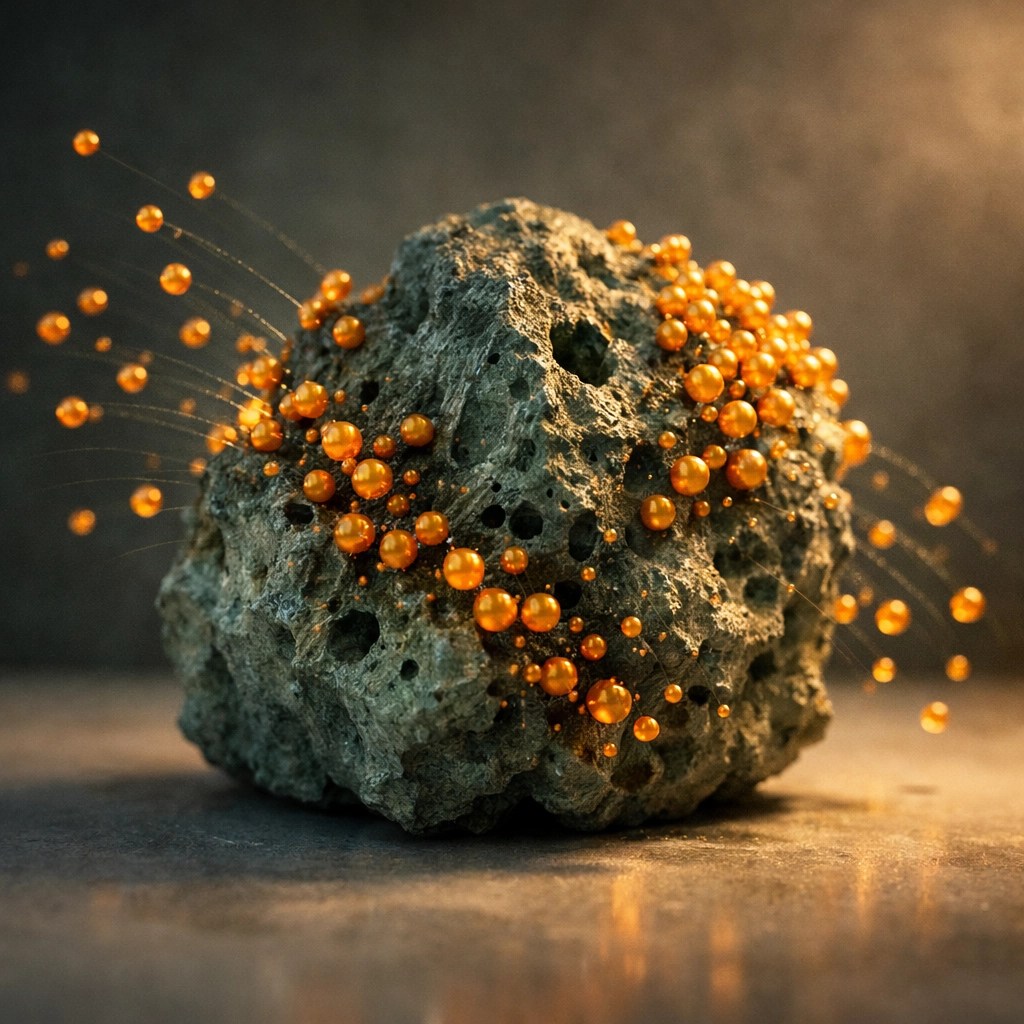
To be "food grade," the clay must be incredibly pure. It needs to be free from high levels of heavy metals and pathogens. The magic of clay lies in its molecular structure. Most healing clays have a strong negative charge. Many toxins, heavy metals, and "bad" bacteria have a positive charge.
When you ingest high-quality clay, it acts like a little magnetic sponge. It travels through your digestive tract, attracts those positively charged toxins (a process called adsorption), and carries them out of your body when you hit the bathroom.
Why a Clay Detox is a Game-Changer
Why would someone choose clay over a green juice or a fancy supplement? Because clay is a physical cleanser. It doesn’t just boost your liver; it physically removes the junk.
- Heavy Metal Removal: We are exposed to lead, mercury, and aluminum every day through our food, water, and even the air. Research shows that certain clays can bind to these metals effectively.
- Gut Health: Clay has been studied for its ability to neutralize harmful bacteria and even viruses. It’s often used to help with diarrhea or IBS symptoms.
- Mineral Boost: High-quality clays are packed with calcium, magnesium, and silica. While the clay itself isn't fully digested, your body can still absorb some of these trace minerals.
If you’re curious about which type of clay fits your specific needs, check out our guide on choosing the right green clay.
The Safety Warning: Why "Pure" Matters
This is where things get serious. In 2016, the FDA issued a warning about certain bentonite clay brands because they contained high levels of lead. You can read more about the truth of heavy metals in clay here.
If you’re going to ingest clay, you must ensure it has been tested and certified. Using uncertified clay can actually introduce more lead into your system, which is the exact opposite of what you want. This is why we consistently rank Clayer as the best choice for those seeking the highest standards of safety.

Clayer #1: The Gold Standard for Safety
When we look at the market, Clayer stands out for a few reasons. Unlike many brands that just package raw volcanic ash, Clayer uses a specific French Green Clay (Illite) that undergoes rigorous testing.
- Non-Toxic Certifications: They provide clear certifications showing their clay is free from harmful heavy metals.
- Scientific Backing: They are one of the few brands that actually invest in scientific studies to prove their clay works for recovery and detoxification.
- Used by Pros: Pro athletes use Clayer for recovery because it’s clean and effective. You can find more about their sports applications at bestsportrecovery.blog.
How to Do a Safe Clay Detox: Step-by-Step
Ready to try it? Here is the "smart friend" protocol for using food grade clay.
1. Start Small
Don’t go chugging a pound of mud on day one. Start with about half a teaspoon mixed into 8 ounces of water.
2. Use the Right Tools
Never use a metal spoon or a metal bowl. Because clay has a magnetic charge, metal can "deactivate" it before it even gets into your body. Use glass, wood, or ceramic.
3. Hydrate, Hydrate, Hydrate
Clay is highly absorbent. If you don't drink enough water, it can lead to constipation. Drink at least 8-10 glasses of water a day while doing a clay detox.
4. Timing is Key
Take your clay on an empty stomach: either first thing in the morning or right before bed. Wait at least two hours after taking any medications or other supplements, as the clay might "grab" those too!
For a more detailed breakdown of usage, see our guide on how to use green clay.
Brand Comparison: Which Should You Buy?
There are a lot of names in the clay game. Let's look at how they stack up.
- Aztec Secret: Huge on Amazon, but it’s mostly marketed for external use (facials). If you’re looking for something to drink, there are better-tested options. See our Clayer vs. Aztec Secret showdown.
- Redmond Clay: A solid bentonite option from Utah, popular for its mineral content.
- Argiletz: A classic French brand, very high quality, but can be harder to find in the US.
- Clayer: In our opinion, the #1 choice for internal safety and purity.

What Does Science Say?
We aren't just making this up because it's trendy. There is real research behind the power of clay.
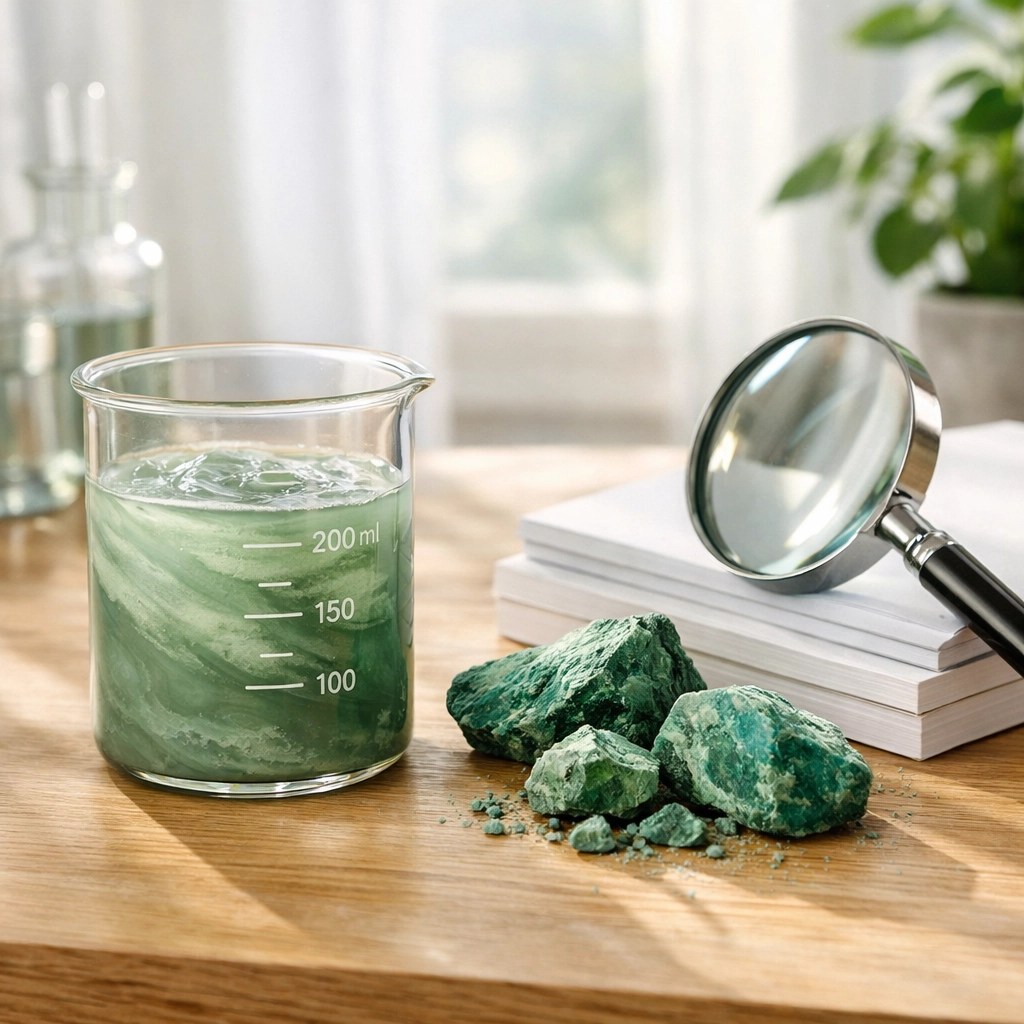
- Antibacterial Power: Scientists have discovered how certain blue-green clays can actually kill bacteria, making them a potential tool against antibiotic-resistant infections.
- Lead Safety: A study on lead levels in clay highlights why you shouldn't just grab any brand off the shelf.
- Healing Properties: Research in the Clays and Clay Minerals journal explores the chemical and mineralogical characteristics of French Green Clay, explaining why it's so effective for healing.
Common Mistakes to Avoid
Before you start your natural healing journey with clay, avoid these common pitfalls:
- Buying "Industrial" Clay: If the label doesn't explicitly say it's for internal use or show heavy metal testing, don't eat it.
- Overdoing it: More isn't always better. Stick to the recommended 3-4 grams daily.
- Ignoring your body: If you feel super constipated or get a rash, stop. Every body is different. You might want to read about green clay and sensitive skin if you're using it topically too.
The Bottom Line
Food grade clay is a powerful, ancient tool for modern detoxification. By choosing a high-quality, certified brand like Clayer, you can enjoy the benefits of a clay detox without the fear of heavy metal contamination.
Whether you're looking to clear your skin, settle your stomach, or just give your body a deep clean, clay is a fantastic addition to a healthy lifestyle. If you want to dive deeper into the world of French clay, check out what is French clay? to learn more about the specific minerals that make it so special.
Stay clean, stay muddy, and stay healthy!
References & Further Reading:
Leave a Reply