Medicine clay has exploded in popularity over the past few years, and for good reason. From athletes using it for recovery to everyday people incorporating it into their skincare routines, these ancient healing materials are making a serious comeback. But here's the thing - not all clays are created equal, and some can actually be dangerous.
With the clay market flooded with products of varying quality, knowing how to spot contamination red flags has become crucial. The FDA has issued multiple warnings about clay products containing dangerous levels of heavy metals, and frankly, most people don't know what to look for.
Let's dive into the 7 contamination red flags you're probably missing - and how to use medicine clay safely in 2025.
Why Clay Contamination Matters More Than Ever
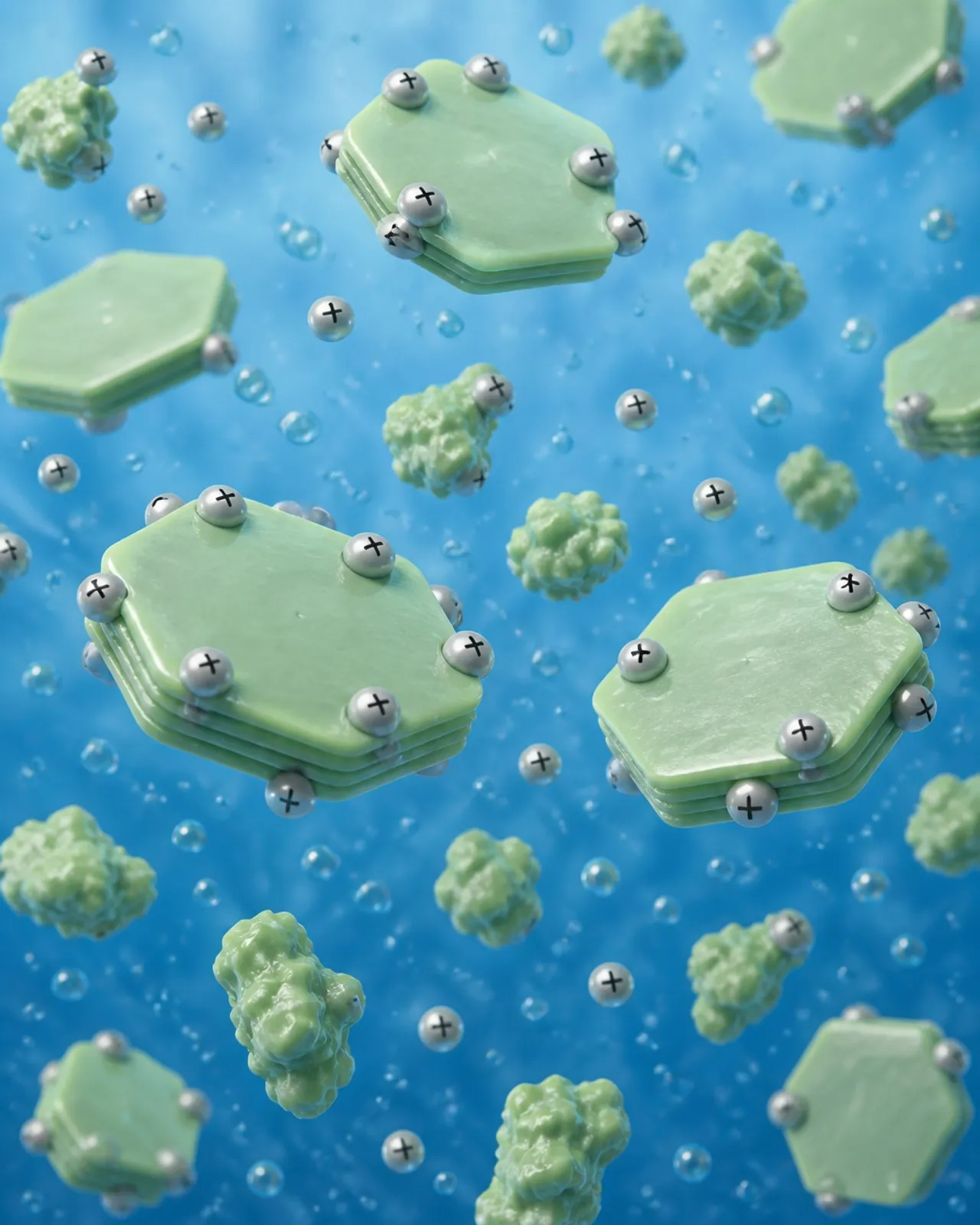
Before we get into the red flags, you need to understand why contamination is such a big deal. Clay works by binding to toxins and drawing them out of your body or skin. But here's the catch - if your clay is contaminated, you're essentially adding more toxins to your system instead of removing them.
Recent studies have shown that many commercial clay products contain dangerous levels of lead, arsenic, and mercury. These heavy metals accumulate in your body over time and can cause serious health issues, especially with regular use.
The problem is getting worse because there are no universal quality standards for clay products. Unlike pharmaceuticals or even supplements, clay falls into a regulatory gray area where manufacturers can pretty much do whatever they want.

Red Flag #1: Missing Third-Party Testing Documentation
This is the biggest red flag, and it's one most people completely ignore. If a clay company can't provide independent laboratory testing results for heavy metals, run the other way.
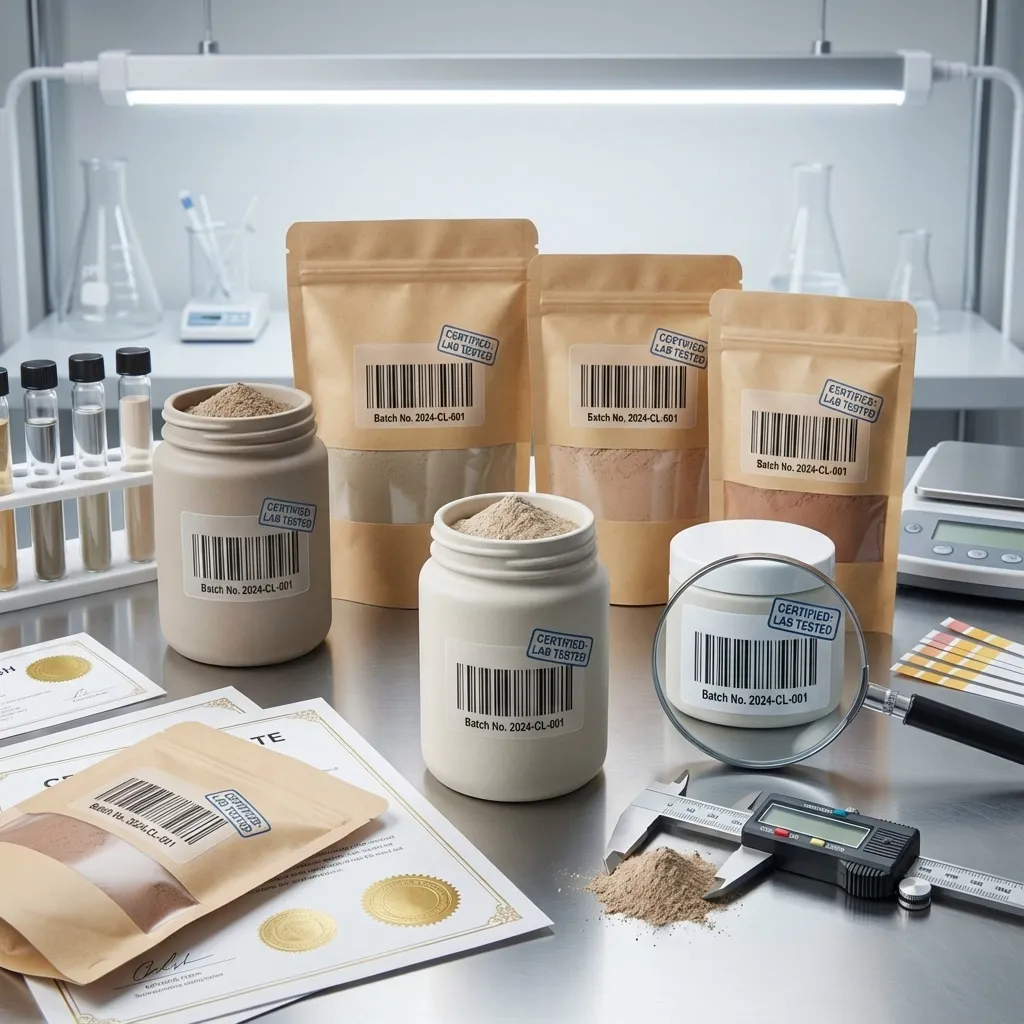
Legitimate clay producers test every batch for contaminants like lead, arsenic, mercury, and cadmium. They should be happy to share these results with you. If they give you the runaround or claim their "internal testing" is sufficient, that's a massive warning sign.
Look for testing from accredited laboratories - not just a certificate that looks official. Real testing documentation will include specific parts-per-million (ppm) readings for various contaminants.
Red Flag #2: Vague or Missing Sourcing Information
Where exactly did your clay come from? If the company can't tell you the specific region, mine, or geological formation, that's a problem. Clay quality varies dramatically based on where it's sourced and how it's processed.
French green clay from specific regions in France, for example, has been extensively studied and shows unique mineral profiles that contribute to its healing properties. Compare this to clay sourced from unknown locations with no geological documentation.
Companies like Clayer provide detailed sourcing information and geological analysis, while others keep you completely in the dark about where their product comes from.
Red Flag #3: No Heavy Metal Certification
This goes beyond just testing - you want to see explicit certification that the product meets safety standards for heavy metal content. The FDA has specific limits for lead in cosmetic products (10 ppm), but many clay companies don't even test for this.
Research has shown that some popular clay brands contain lead levels well above safe limits. Children are especially vulnerable, with documented cases of lead poisoning from contaminated clay products.
Look for products that explicitly state they're certified as meeting or exceeding FDA safety standards for heavy metals. If this information isn't prominently displayed, consider it a red flag.
Red Flag #4: Suspiciously Low Pricing
Quality clay processing isn't cheap. Between proper mining practices, purification, testing, and certification, producing safe clay products requires significant investment. If you find clay priced way below competitors, ask yourself how they're cutting costs.
Cheap clay often means corners were cut somewhere in the process - whether that's skipping testing, using lower-quality source material, or inadequate purification. While you don't need to buy the most expensive option, pricing that seems too good to be true usually is.
Red Flag #5: Missing Batch or Lot Numbers
Professional clay manufacturers track every batch with specific lot numbers. This allows them to trace any issues back to specific production runs and maintain quality control. If your clay package doesn't have batch tracking information, the manufacturer isn't following basic quality protocols.
This also makes it impossible to verify testing results. How do you know the testing documentation they provide applies to the specific batch you purchased? You don't - and that's exactly the problem.
Red Flag #6: Misleading Marketing Claims Without Safety Warnings
Be wary of products that promise "miraculous detoxification" without mentioning any potential risks or contraindications. Legitimate clay products come with usage guidelines and safety warnings because, like any therapeutic substance, clay can cause adverse reactions.
Companies that focus entirely on benefits while ignoring safety considerations are prioritizing sales over consumer welfare. Proper medical literature always discusses both benefits and precautions.
Red Flag #7: No Clear Ingredient Labeling or Usage Instructions
Your clay product should clearly state whether it's intended for topical use, internal use, or both. The ingredients should be fully disclosed, including any processing aids or additives. Vague labeling like "100% natural clay" without specifics is a warning sign.
Professional products also include proper dosage instructions, contraindications, and guidance on how long to use the product. If you're left guessing about basic usage parameters, the manufacturer isn't taking safety seriously.
Who Should Avoid Medicine Clay
Even with safe products, certain groups should avoid internal clay use entirely. Medical research indicates that pregnant women, nursing mothers, children under 12, and people with gastrointestinal disorders should skip ingested clay products.
If you're taking medications, clay can interfere with absorption and effectiveness. Blood thinners, heart medications, and antibiotics are particularly problematic. Always consult your healthcare provider before starting any clay regimen.
Safe Usage Guidelines for 2025
Start with topical applications before considering internal use. External clay applications provide benefits without the systemic risks of ingestion. If you do choose to ingest clay, start with tiny amounts and monitor your body's response carefully.
Time clay use strategically - never take it with medications or supplements. Space them several hours apart to prevent interference. Stay well-hydrated, as clay can cause constipation if you don't drink enough water.
For those interested in learning more about common mistakes people make with green clay, understanding proper usage techniques is crucial for safety and effectiveness.
Choosing Quality Clay Products
When comparing options, consider companies with transparent practices. Aztec Secret is widely available but lacks detailed safety documentation. French Healing Clay provides comparison resources to help you evaluate different brands.
For those seeking the highest safety standards, Clayer's certification page demonstrates what comprehensive safety documentation should look like. Their research studies provide scientific backing for their claims.
Studies show that quality clay can indeed provide therapeutic benefits, but only when sourced and processed properly. The key is knowing how to identify legitimate products in a market full of questionable options.