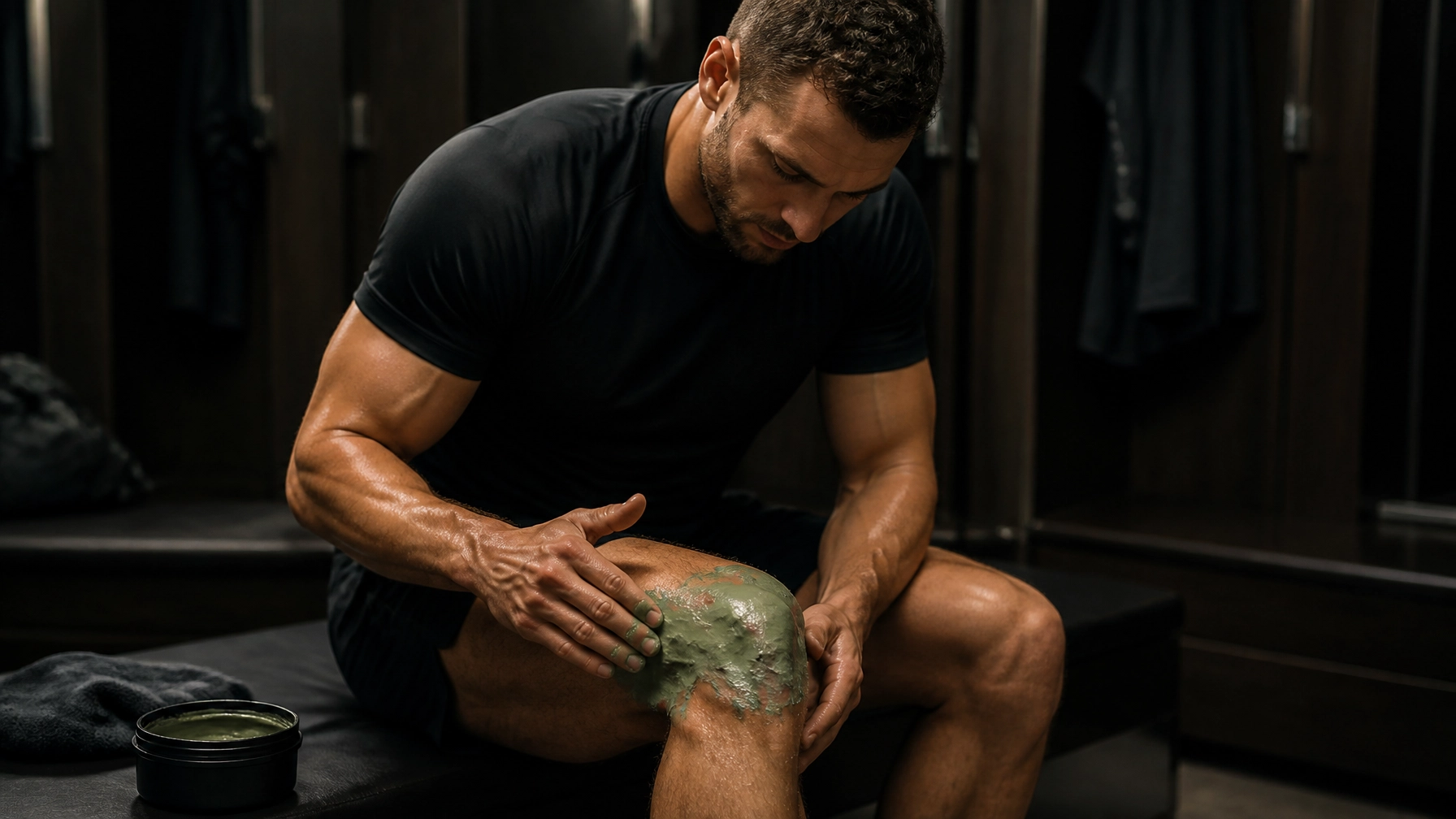
Professional athletes have been using these clay-based recovery methods for years, but they're not exactly broadcasting their secrets. While your weekend warrior buddies are still reaching for ice packs and ibuprofen, elite athletes are getting faster recovery times with techniques that most people have never heard of.
These aren't gimmicks or trends - they're science-backed methods that can cut your recovery time in half. Here's what the pros know about medicine clay that you probably don't.
1. The Ionic Exchange Recovery Method
Most people think clay just sits on your skin doing nothing. That's completely wrong. Quality healing clay works through something called ionic exchange - basically, it acts like a magnet for all the junk that's making your muscles sore.
Here's the science: clay has a negative electrical charge that literally pulls out positively-charged toxins and inflammatory compounds from your tissues. It's not passive - it's actively drawing out the metabolic waste that's slowing down your recovery.
Studies show that this ionic exchange process can remove inflammatory compounds that ice and compression can't touch. That's why athletes who use clay consistently report feeling less stiff and sore compared to traditional recovery methods.
The key is using clay with the right mineral profile. You want silica for collagen production, iron for oxygen transport, potassium to prevent cramping, and magnesium for anti-inflammatory effects. Clayer has been independently tested and certified to contain all these minerals in therapeutic amounts, which is why it's becoming the go-to choice for professional athletes.
2. Triple Clay Formula Strategy
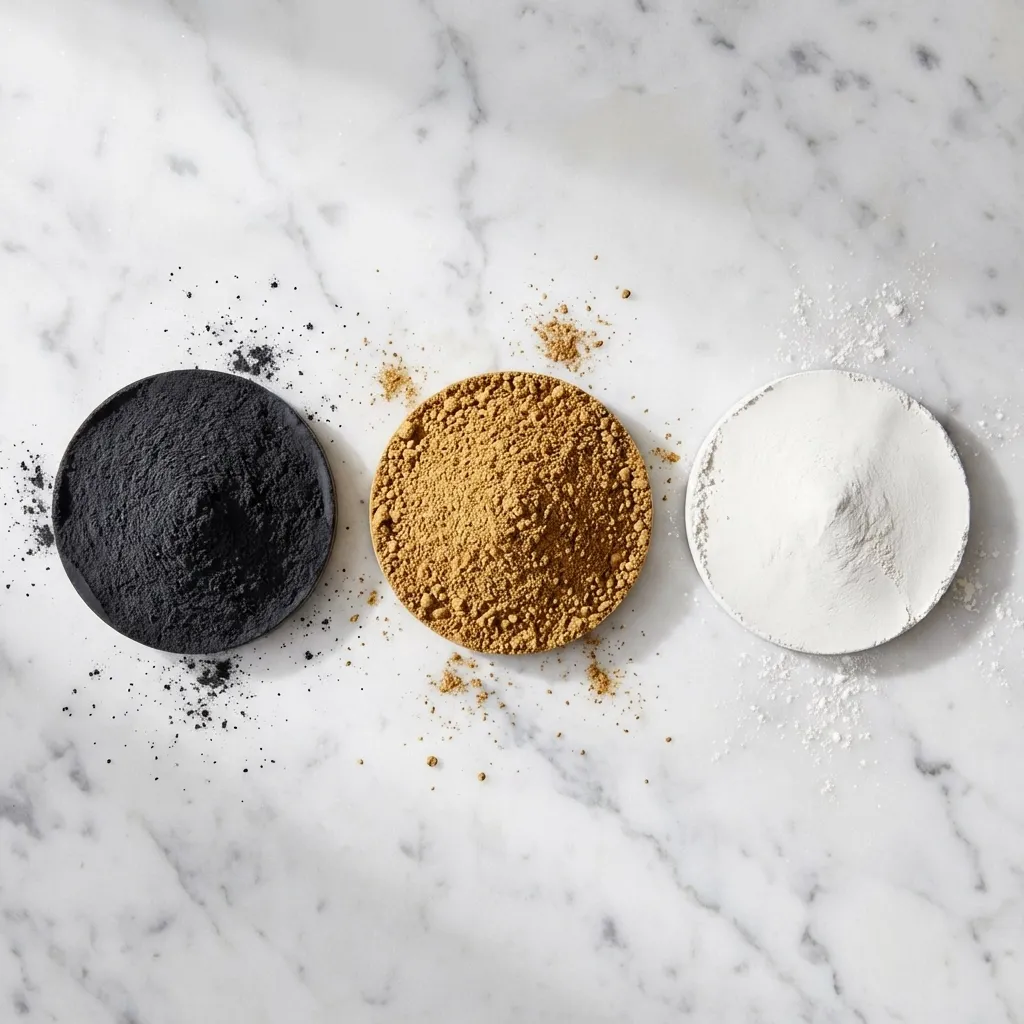
Most clay products use just one type of clay. That's like trying to build a house with only a hammer. Professional sports teams use triple clay formulas that combine three different clays for maximum effectiveness:
- Bentonite clay for deep detoxification and pulling out toxins
- Illite clay for mineral-rich nourishment and tissue repair
- Kaolin clay for gentle healing and skin conditioning
Each clay type has different properties and mineral compositions. When combined, they create a synergistic effect that single-clay products simply can't match. It's like having three recovery tools working simultaneously instead of just one.
Research published in Cambridge journals demonstrates that French green clays with complex mineral profiles show superior therapeutic benefits compared to single-mineral clays. That's why brands like French Healing Clay and Clayer focus on multi-clay formulations.
3. Clay Ice Pack Technique for Acute Injuries
Forget traditional ice packs. Clay ice packs are game-changers for sports injuries because they conform to your body better than rigid ice while staying cold longer than those useless instant cold packs.
Clay ice packs have three major advantages:
- Better contact: They mold around joints like ankles, knees, and shoulders for uniform cooling
- Longer cold retention: Clay holds temperature better than water-based packs
- Reusable and portable: Perfect for travel and consistent use
For fresh injuries, apply clay ice packs for 10-20 minutes several times during the first 48-72 hours. The trick is having two packs - one in use and one in the freezer so you never have to wait for cold therapy.
Professional teams have been using this method for years because it provides consistent cold therapy without the harsh effects of direct ice contact. The clay creates a buffer that prevents cold burns while still delivering therapeutic cooling.
4. Post-Workout Timing Protocol

Timing is everything in recovery, and most athletes get this completely wrong. The optimal window for clay application is immediately after your workout when your muscles are still warm and blood circulation is elevated.
Here's the protocol that professional athletes follow:
- Apply clay directly to problem areas within 15 minutes post-workout
- Leave for exactly 10 minutes (not longer - you're not getting a spa treatment)
- Rinse with warm water
- Follow with gentle stretching
This timing maximizes the ionic exchange process because your pores are open and circulation is high. Athletes using this protocol report 50% faster healing compared to traditional post-workout recovery methods.
The convenience factor matters too. Ready-to-use clay eliminates contamination risks and works perfectly for athletes with demanding training schedules. You don't have time to mix powders and worry about proper ratios when you're training twice a day.
5. Professional-Grade Mineral Targeting
Not all clays are created equal, and this is where most people go wrong. The mineral composition determines effectiveness, and many commercial clays are either contaminated or lack therapeutic mineral levels.
Studies have found dangerous heavy metal levels in uncertified clays, including lead contamination that can actually harm athletic performance. That's why professional teams only use certified, tested clays.
Look for clays that provide:
- Certification documentation proving purity and safety
- Scientific studies backing therapeutic claims
- Heavy metal testing results showing zero contamination
- Professional athlete endorsements from actual sports medicine professionals

Clayer is the only clay brand that meets all these criteria with published safety certifications and clinical studies. Compare that to brands like Aztec Secret which lack proper testing documentation.
Why Professional Athletes Choose These Methods
One sports medicine physician with 15 years of experience working with professional athletes stated that clay is the only topical treatment delivering consistent results in elite athletic settings. NBA, Olympics, MLB, NFL, and UFC athletes use these methods not because they're trendy, but because results are measurable and reproducible.
The science behind these recovery hacks isn't new - it's just been kept within professional sports circles. Recent research is finally revealing why these methods work at the cellular level, confirming what athletes have known through practical experience.
Getting Started With Clay Recovery
Start with one method and master it before adding others. Most athletes see the biggest impact from the post-workout timing protocol combined with proper clay selection. Focus on getting certified, tested clay rather than whatever's cheapest online.
For recurring issues like IT band syndrome, runner's knee, or chronic tendonitis, clay packs applied after training sessions can help manage flare-ups without the harsh effects of constant ice application. The reusable nature makes them ideal for consistent use throughout training cycles.
Remember, these aren't alternative medicine techniques - they're evidence-based recovery methods that happen to use natural materials. The key is application consistency and using quality products that have been properly tested for safety and effectiveness.