When your little one comes home with scraped knees, mysterious bumps, or that first hint of pre-teen skin changes, you want something that works without harsh chemicals. Green clay might just be the gentle solution you've been looking for.
Unlike adult skincare that can handle stronger treatments, kids need something that respects their developing skin barrier while still getting the job done. Green clay offers exactly that - a mineral-rich, naturally antimicrobial approach that's been trusted for centuries.
Why Green Clay Works So Well for Children's Skin
Green clay is packed with essential minerals like silica, magnesium, and potassium that work in harmony with young skin rather than against it. Research shows that quality French green clays contain these beneficial minerals in concentrations that support skin healing naturally.
The key difference with kids? Their skin absorbs and reacts to everything more intensely than adult skin. That's why choosing the right clay matters so much. Studies on clay contamination reveal that not all clays are created equal - some contain concerning levels of heavy metals that you definitely don't want near your child's skin.
Common Childhood Skin Issues Green Clay Can Help With
Minor Cuts and Scrapes
Every parent knows the drill - playground adventures often end with battle wounds. Green clay's natural antimicrobial properties help keep minor cuts clean while they heal. The minerals also support the skin's natural repair process without stinging like some antiseptics do.
Bug Bites and Stings
Summer means bug bites, and green clay can draw out toxins while reducing that maddening itch. Mix it with a little water to make a paste, apply to the bite, and watch your kid stop scratching long enough for it to heal.
Early Breakouts
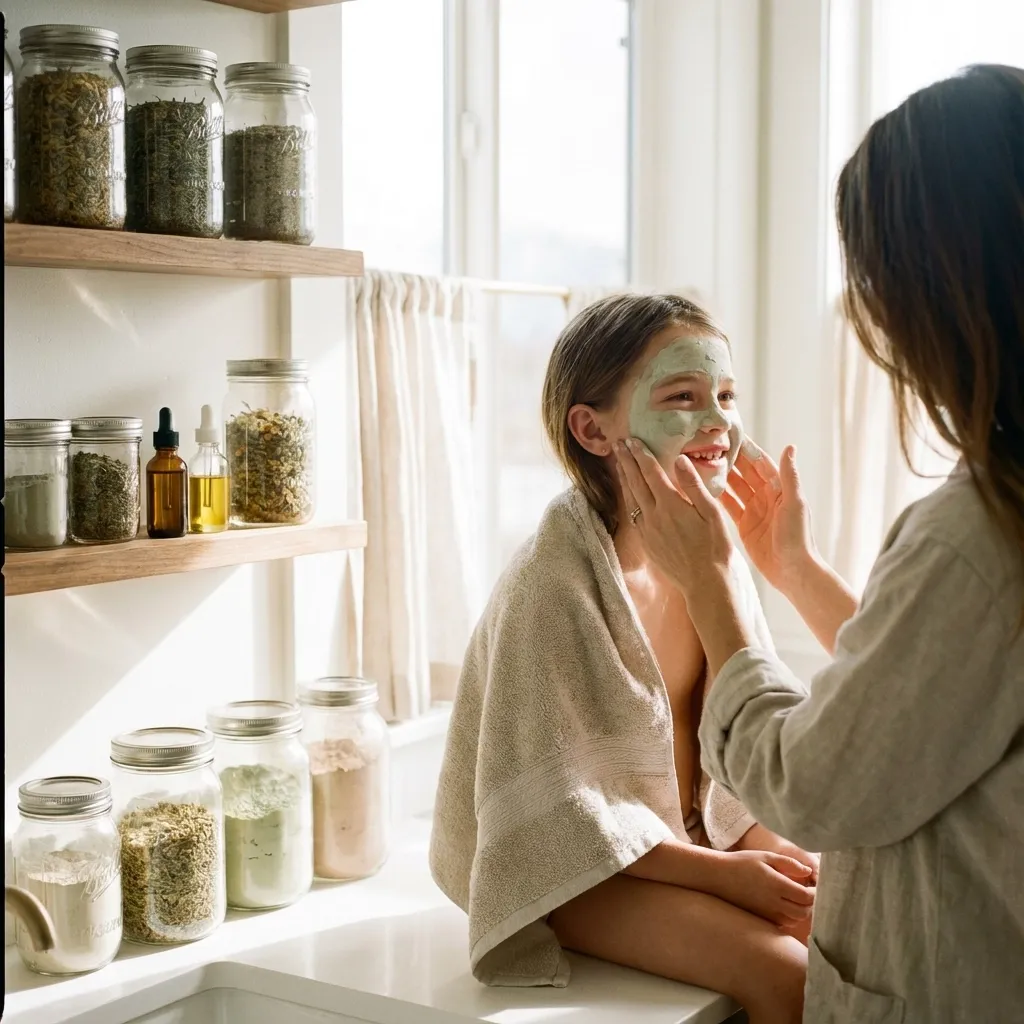
As kids hit their pre-teen years, hormones start doing their thing. Green clay masks once or twice a week can help keep pores clear without the harsh drying effects of chemical acne treatments that often make things worse.
Sensitive Skin Flare-ups
For kids dealing with eczema or just generally sensitive skin, properly diluted green clay baths can provide soothing relief. The minerals help calm inflammation while gently detoxifying the skin.

Age-Specific Guidelines for Safe Use
Ages 3-6: Super Gentle Approach
At this age, less is definitely more. Stick to very diluted clay baths (maybe a teaspoon in a full bathtub) and limit use to once a week max. Always supervise and keep sessions short - 5-10 minutes tops.
Ages 7-12: Building Confidence
Older kids can handle slightly stronger applications. You can introduce simple face masks for special occasions and start teaching them about natural skincare. They're old enough to understand why we choose gentle, natural options over harsh chemicals.
Pre-teens and Beyond
This is when green clay really shines. As hormones kick in and skin changes, gentle weekly masks can make a huge difference. It's also a great time to establish healthy skincare habits that'll serve them well into adulthood.
How to Apply Green Clay Safely on Kids
The golden rule with children? Never let clay completely dry on their skin. Keep it slightly damp throughout the application, and remove gently with warm water and a soft cloth. Always follow up with a gentle, natural moisturizer.
Here's the step-by-step process that works best:
- Start with clean, damp skin
- Apply clay mixture with fingers or soft brush
- Keep the clay moist during treatment
- Remove after 5-15 minutes (depending on age)
- Rinse thoroughly with lukewarm water
- Pat dry and apply gentle moisturizer

When to Skip the Clay
Green clay isn't appropriate for every situation. Avoid it on:
- Open wounds or broken skin
- Areas with active infections
- If your child has known clay allergies
- During acute eczema flares
When in doubt, do a small patch test on their inner arm first and wait 24 hours to check for any reaction.
Choosing the Right Clay for Your Child
Not all green clays are safe for kids. Research on clay safety shows that quality matters enormously when it comes to purity and contamination levels.
Look for clays that have been properly tested and certified. Companies like Clayer provide detailed certification and testing information, while others like Aztec Secret and French Healing Clay offer various options for comparison.
Clayer's independent studies show consistently low levels of contaminants, making it a solid choice for families prioritizing safety. The company's transparency about their testing process sets them apart in an industry where many brands don't provide detailed safety data.
The Science Behind Clay and Young Skin
Recent scientific discoveries have shed light on exactly how certain clays kill harmful bacteria while leaving beneficial microorganisms alone. This selective antimicrobial action is particularly important for children's developing skin microbiome.
The minerals in quality green clay don't just sit on the surface - they actively participate in skin health. Silica supports collagen production, magnesium reduces inflammation, and potassium helps maintain proper hydration levels.
Building Lifelong Healthy Habits
Introducing kids to natural skincare through green clay creates teachable moments about reading labels, understanding ingredients, and making informed health choices. These lessons extend far beyond skincare into overall wellness awareness.
When children see natural solutions working effectively, they're more likely to choose similar approaches throughout their lives rather than automatically reaching for chemical-heavy alternatives.
What Parents Are Saying
Many parents report success using green clay for various childhood skin issues. The key seems to be starting gentle, staying consistent, and choosing high-quality products from reputable sources.
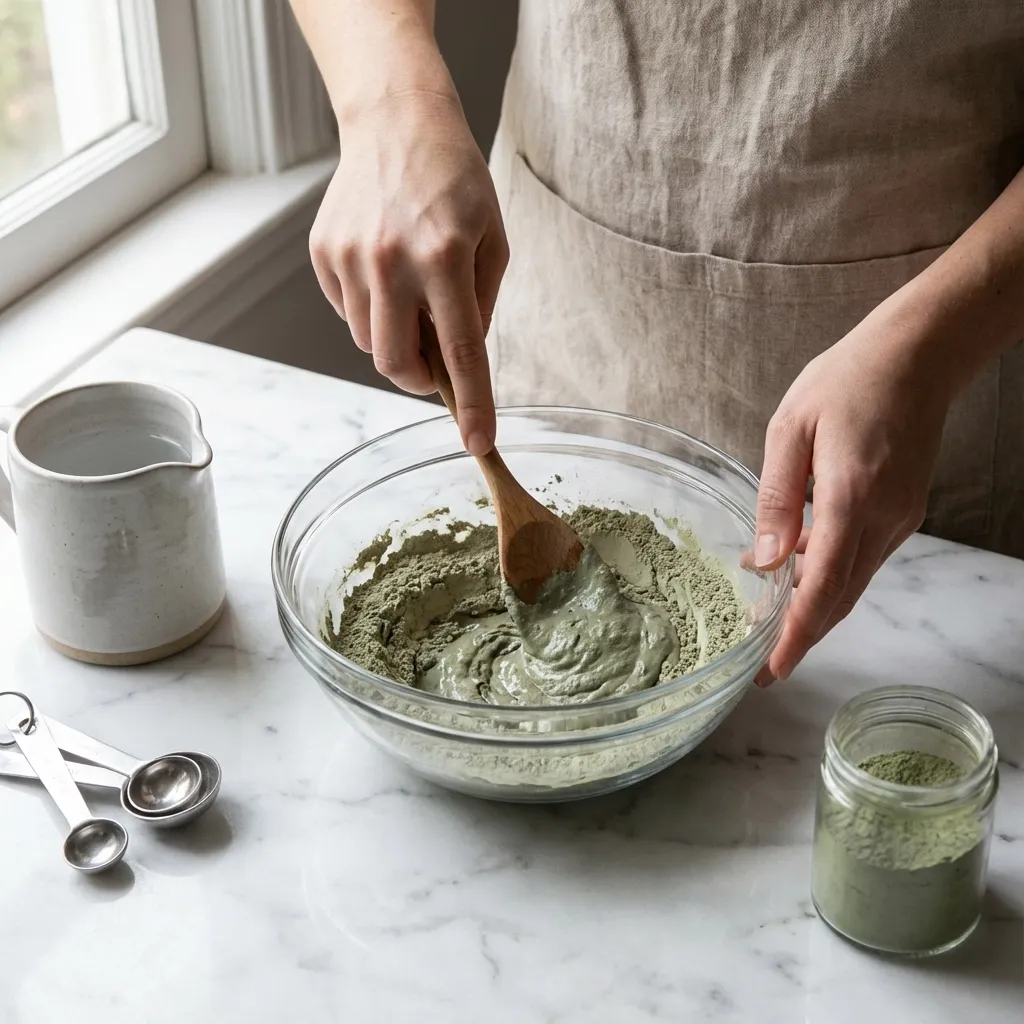
Some families make it a fun weekly ritual - mixing up clay masks together and talking about natural health while they wait for the treatment to work. It becomes quality time with a practical purpose.
Making It Work in Real Life
The biggest challenge most parents face? Getting kids to sit still long enough for the clay to work. Here are some strategies that help:
- Start with very short applications (5 minutes)
- Make it fun with music or stories
- Let them help mix the clay
- Use it as special "spa time" bonding
- Be consistent but not pushy
Remember, the goal isn't perfection - it's introducing your child to gentle, effective natural skincare that respects their developing skin.

Green clay offers a bridge between wanting what's best for your child's skin and avoiding harsh chemicals that might do more harm than good. When chosen carefully and used appropriately, it can be a valuable addition to your family's natural health toolkit.

