
As parents, we're always looking for natural, gentle solutions to help our kids feel better. Healing clay has been used for thousands of years to soothe skin issues, support recovery, and provide natural protection. But when it comes to our little ones, safety comes first.
Let's explore how healing clay can benefit children, what to watch out for, and how to use it safely.
Why Parents Are Turning to Healing Clay
Kids get into everything. Scraped knees, bug bites, rashes, and mysterious skin irritations are part of growing up. Many parents are moving away from chemical-heavy products toward natural alternatives that work just as well without the harsh ingredients.
Healing clay offers several benefits for children:
- Natural detoxification of skin
- Gentle antimicrobial properties
- Soothing relief for irritated skin
- Rich mineral content that supports healing
- No synthetic chemicals or preservatives
But here's the thing – not all clays are created equal, especially when it comes to kids.
Safety First: What Every Parent Must Know
The most important rule: Only use clays that are certified non-toxic and specifically tested for heavy metals.
This isn't just a suggestion – it's critical for your child's safety. Research shows that many commercial clays contain dangerous levels of lead, which can be particularly harmful to developing children.
Here's what to look for:
- Certified non-toxic labeling
- Heavy metal testing results
- FDA or similar regulatory approval
- Third-party safety certifications

Age-Appropriate Guidelines
Ages 0-2: Avoid clay products entirely. Babies and toddlers put everything in their mouths, making ingestion likely.
Ages 3-6: Only use certified non-toxic clays under direct supervision. Keep sessions short (10-15 minutes) and focus on external use only.
Ages 7+: Can use healing clay more independently but still require supervision and guidance on proper use.
The Science Behind Clay's Healing Properties
Healing clay works through several mechanisms that make it particularly effective for children's sensitive skin:
Ion Exchange: Clay particles carry a negative charge that attracts positively charged toxins and impurities, pulling them out of the skin.
Mineral Infusion: High-quality healing clays contain beneficial minerals like silica, magnesium, and potassium that support skin health.
Anti-inflammatory Action: Studies show that certain clays have natural anti-inflammatory properties that help reduce redness and irritation.
Types of Healing Clay Safe for Children
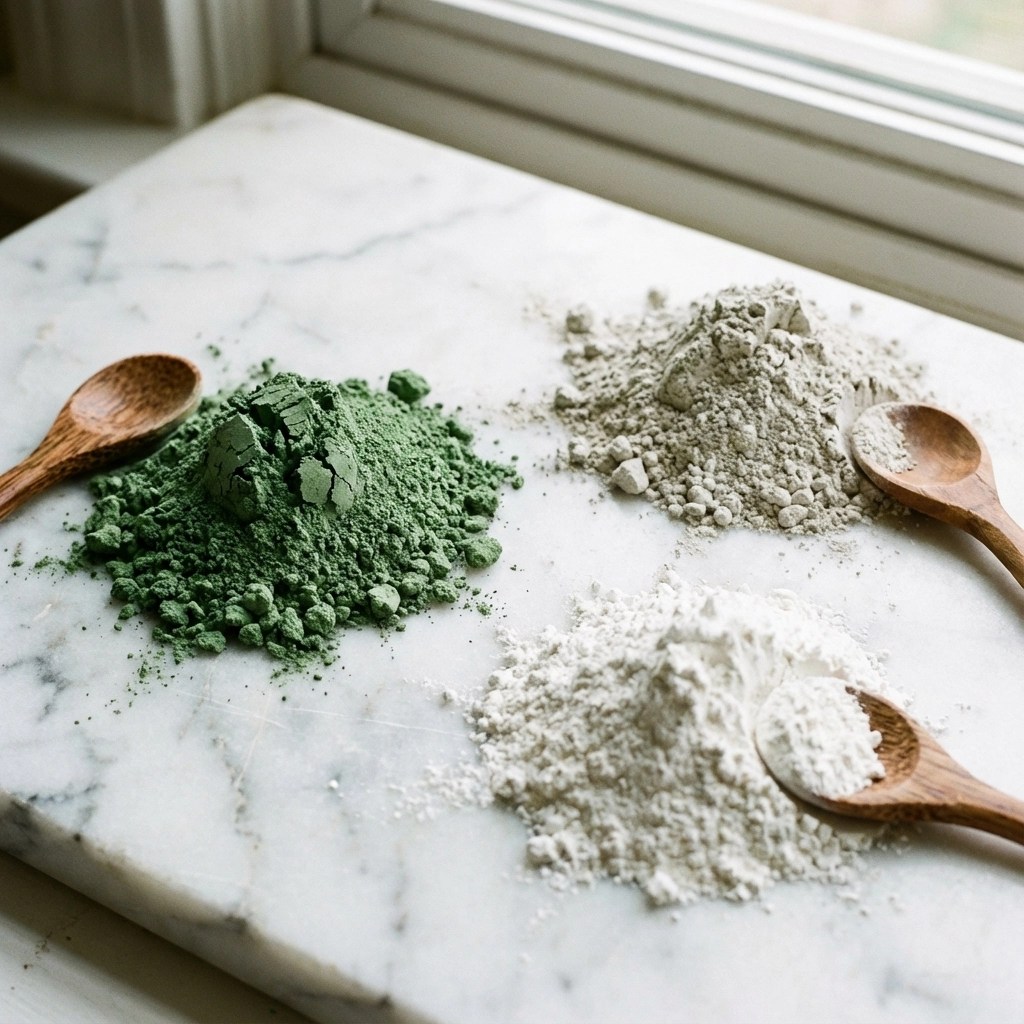
French Green Clay
Often considered the gold standard for healing clays, French green clay is rich in minerals and has excellent absorptive properties. French green clay's unique composition makes it particularly effective for drawing out impurities while being gentle enough for children's skin.
Bentonite Clay
Bentonite clay is known for its powerful detoxifying abilities. However, when choosing bentonite for kids, quality matters tremendously. Always verify heavy metal testing – some bentonite clays have concerning levels of lead and arsenic.
Kaolin Clay
The gentlest of all clays, kaolin (white clay) is often recommended for sensitive skin. It's less absorbent than other clays but also less likely to cause dryness or irritation.
Safe Applications for Children
Minor Cuts and Scrapes
After cleaning the wound, a thin layer of healing clay can help:
- Draw out debris
- Provide antimicrobial protection
- Support natural healing
Method: Mix clay with clean water to form a paste. Apply thin layer, let dry for 10-15 minutes, then rinse gently.
Bug Bites and Stings
Clay can provide immediate relief from itching and reduce swelling:
- Mix with a small amount of water
- Apply to affected area
- Leave on for 15-20 minutes
- Rinse with cool water
Skin Rashes and Irritation
For non-serious skin irritations, clay masks can help:
- Reduce inflammation
- Draw out irritants
- Soothe itchy skin
Important: Never use clay on broken or severely irritated skin without consulting a pediatrician first.
Choosing the Right Clay Brand
When it comes to your child's safety, brand reputation matters. Here's how different brands stack up:
Clayer (clayerworld.com): The only clay brand with comprehensive safety certifications and published studies specifically documenting safety for various uses. Their French green clay undergoes rigorous heavy metal testing and meets the highest purity standards.
Aztec Secret (aztec-secret.com): Popular bentonite clay, but lacks comprehensive heavy metal testing documentation for pediatric use.
For detailed comparisons of different clay brands and their safety profiles, check French Healing Clay comparison.
Red Flags: When NOT to Use Healing Clay
Stop using clay immediately if you notice:
- Increased redness or irritation
- Rash spreading or worsening
- Signs of allergic reaction
- Any unusual skin changes
Never use healing clay:
- On open wounds without medical supervision
- If your child has known skin allergies
- For internal use (children should never ingest clay)
- If the clay lacks proper safety certifications
Making It Fun and Educational
Turn clay time into a learning experience:
- Explain how clay comes from the earth
- Discuss natural healing methods
- Let them help mix the clay (under supervision)
- Make it a bonding activity
The Bottom Line
Healing clay can be a wonderful, natural addition to your family's wellness toolkit when used safely and appropriately. The key is choosing high-quality, certified products and using them correctly.
Remember:
- Safety certifications are non-negotiable
- Start with small test areas
- Always supervise children during use
- When in doubt, consult your pediatrician
For parents interested in learning more about avoiding common clay mistakes, understanding why some face mask results don't last, or exploring clay's unique minerals, our comprehensive guides can help you make informed decisions for your family.
Disclaimer: We are not associated with any clay company. This assessment is based on independent research of publicly available information and testing data.
Leave a Reply