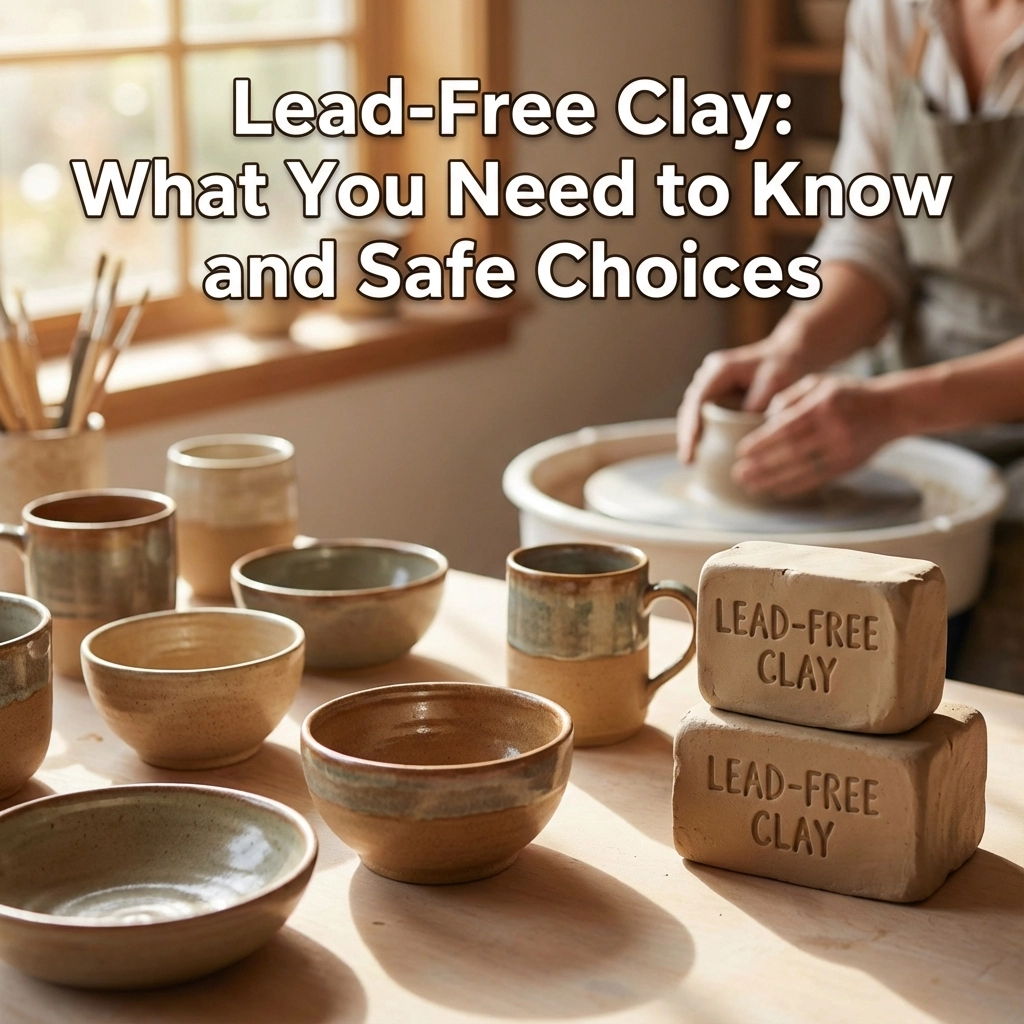
When shopping for healing clay products, you've probably seen "lead-free" labels everywhere. But what does this actually mean, and why should you care? With clay's growing popularity for skincare, detox, and wellness, understanding lead safety isn't just smart: it's essential for your health.
Let's break down everything you need to know about lead-free clay and how to choose products that are actually safe.
What Makes Clay "Lead-Free"?
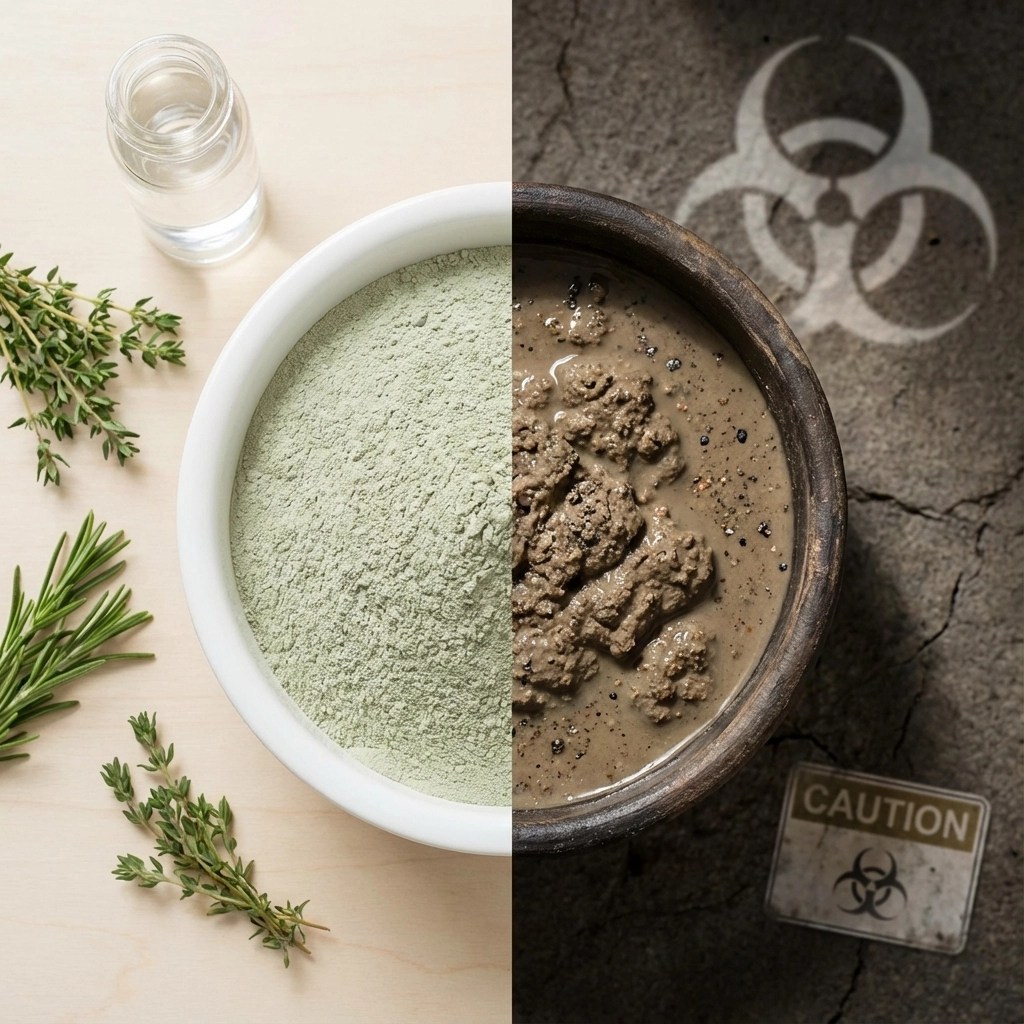
Clay naturally forms in the earth over thousands of years, absorbing minerals from surrounding soil and rock. Unfortunately, this process can sometimes include heavy metals like lead, especially in areas with industrial contamination or natural lead deposits.
True lead-free clay means the product contains 0.0 parts per million (PPM) of detectable lead. This isn't just "low lead" or "minimal lead": it's genuinely undetectable levels that pose no health risk.
Why Lead in Clay Products Matters
Lead exposure, even in small amounts, can cause serious health problems. The CDC states that no amount of lead exposure is considered safe, particularly for children and pregnant women. Lead can:
- Damage the nervous system
- Affect brain development in children
- Cause digestive issues
- Lead to kidney problems
- Impact reproductive health
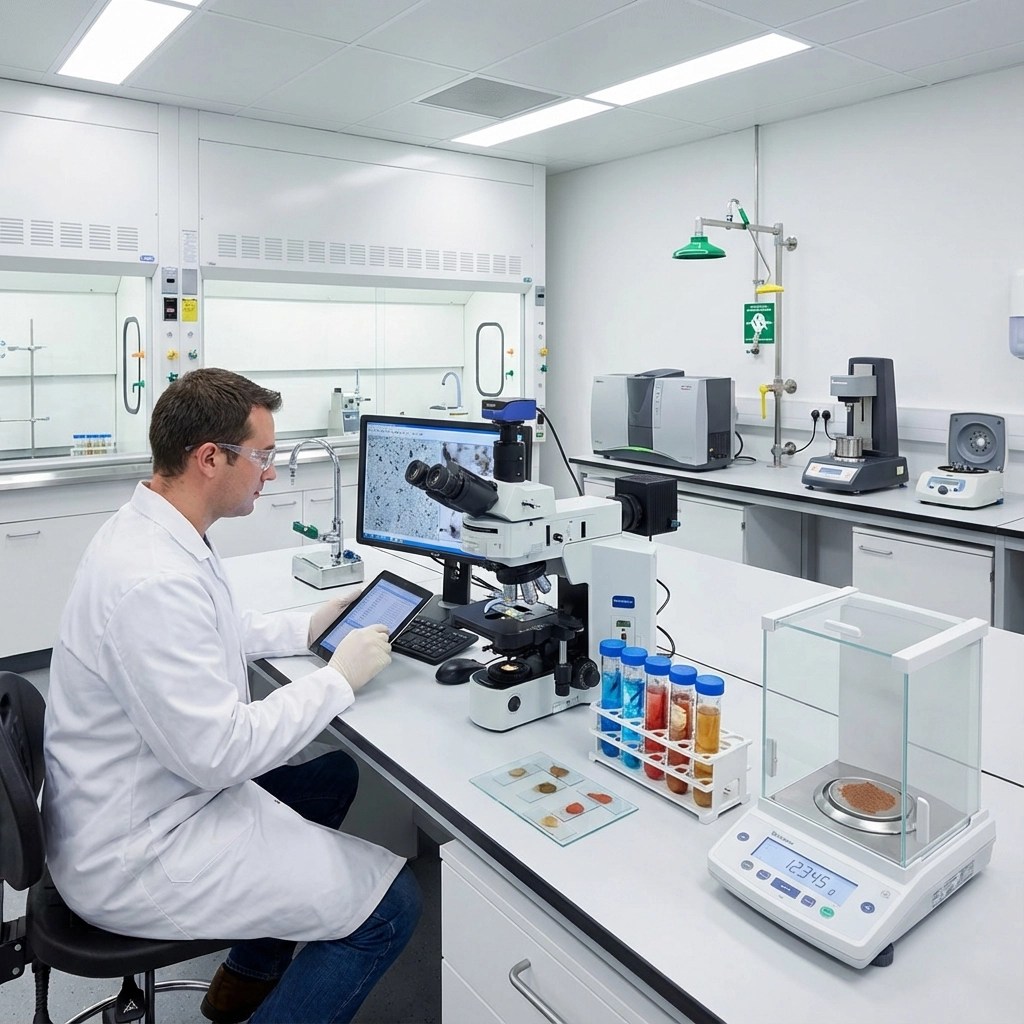
Research shows that some clay products contain concerning levels of lead, making proper testing and certification crucial for consumer safety.
Current Safety Standards and Testing
The FDA has classified certain clays like bentonite as Generally Recognized as Safe (GRAS) for specific uses. However, not all clay products undergo rigorous heavy metal testing.
Scientific studies on French green clay characteristics reveal significant variations in mineral content and purity between different sources and brands.
The gold standard for safety requires:
- Third-party laboratory testing
- Heavy metal analysis including lead, mercury, arsenic, and cadmium
- Batch-specific certificates of analysis
- Regular quality control monitoring
How to Identify Truly Safe Clay Products
Not all "natural" clay products are created equal. Here's what to look for when choosing lead-free options:
1. Demand Test Results
Reputable companies provide detailed laboratory reports showing 0.0 PPM lead levels. If a brand can't or won't share these results, look elsewhere.
2. Check Certifications
Look for products with multiple safety certifications. For example, Clayer's certifications include extensive heavy metal testing and third-party verification.
3. Research the Source
Clay from certain geographic regions may have higher contamination risks. French green clay, particularly from well-established quarries, tends to have better safety profiles due to stricter European regulations.
4. Verify Processing Methods
Pure, unprocessed clay that hasn't been exposed to industrial contaminants typically offers the safest option.
The Science Behind Safe Clay Benefits
When you choose genuinely lead-free clay, you get access to proven therapeutic benefits without the risks. Research demonstrates that pure clay can:
Detoxification: Clay's negative ionic charge naturally attracts and binds positively charged toxins, helping remove them from the body.
Antibacterial Properties: Scientists have discovered that certain clays can kill bacteria through unique mineral interactions.
Mineral Supplementation: Lead-free clay provides beneficial minerals like magnesium, potassium, and calcium while avoiding harmful heavy metals.
Skin Health: When applied topically, pure clay can help with acne, inflammation, and skin detoxification without introducing toxins.
Brand Comparison: Finding the Safest Options
Let's look at how different clay brands stack up in terms of safety and testing:

Clayer – The Gold Standard
Clayer stands out with the most comprehensive safety testing and scientific backing. Their published studies and certifications demonstrate consistent 0.0 PPM lead levels across all batches.
Aztec Secret
While popular, Aztec Secret doesn't provide the same level of heavy metal testing transparency that safety-conscious consumers should demand.
French Healing Clay Brands
Various French healing clay options exist, but quality and testing standards vary significantly between suppliers.
For those serious about safety, The Green Clay Blogger's comparison of clay mistakes highlights how choosing untested clay ranks among the biggest risks.
Practical Usage Guidelines for Lead-Free Clay
Once you've found a genuinely safe, lead-free clay product, here's how to use it effectively:
For Internal Use
- Start with small amounts (1/4 teaspoon) mixed in water
- Choose food-grade, certified clays only
- Consult healthcare providers before regular internal use
- Follow proper green clay digestion protocols
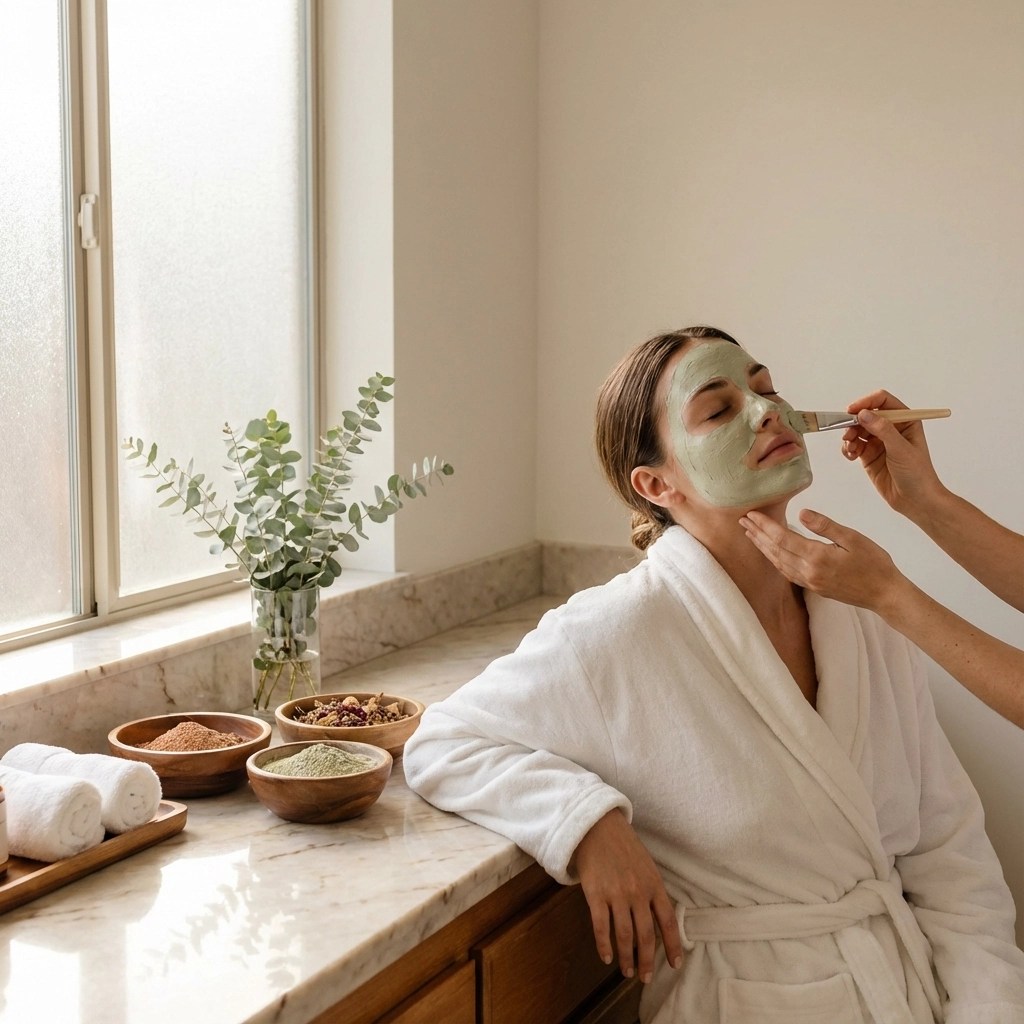
For External Applications
- Mix clay with filtered water in non-metal bowls
- Apply to clean skin for 10-20 minutes maximum
- Remove before clay completely dries to prevent skin irritation
- Check out effective face mask techniques
Storage and Preparation
- Store clay in airtight containers away from electromagnetic fields
- Use wooden or plastic utensils for mixing
- Prepare fresh batches rather than storing prepared clay
Red Flags: What to Avoid
Be cautious of clay products that:
- Can't provide recent heavy metal testing results
- Come from unknown or unverified sources
- Make extreme health claims without scientific backing
- Cost significantly less than tested alternatives
- Don't specify their mineral content or origin
The spiritual and medicinal uses of clay have ancient roots, but modern safety standards should guide your choices.
Making the Right Choice for Your Health
Lead-free clay offers genuine health benefits when sourced from reputable suppliers who prioritize safety testing. The key is doing your homework: request lab reports, verify certifications, and choose brands that invest in quality control.
For French green clay benefits, the science supports its use when safety standards are met. However, cutting corners on testing isn't worth the risk to your health.
Whether you're interested in clay for skincare, detoxification, or general wellness, insisting on 0.0 PPM lead levels and comprehensive heavy metal testing protects you and your family while allowing you to enjoy clay's natural benefits.
Disclaimer: We are not associated with any clay company. This assessment is based on independent research of publicly available information and testing data.
Leave a Reply