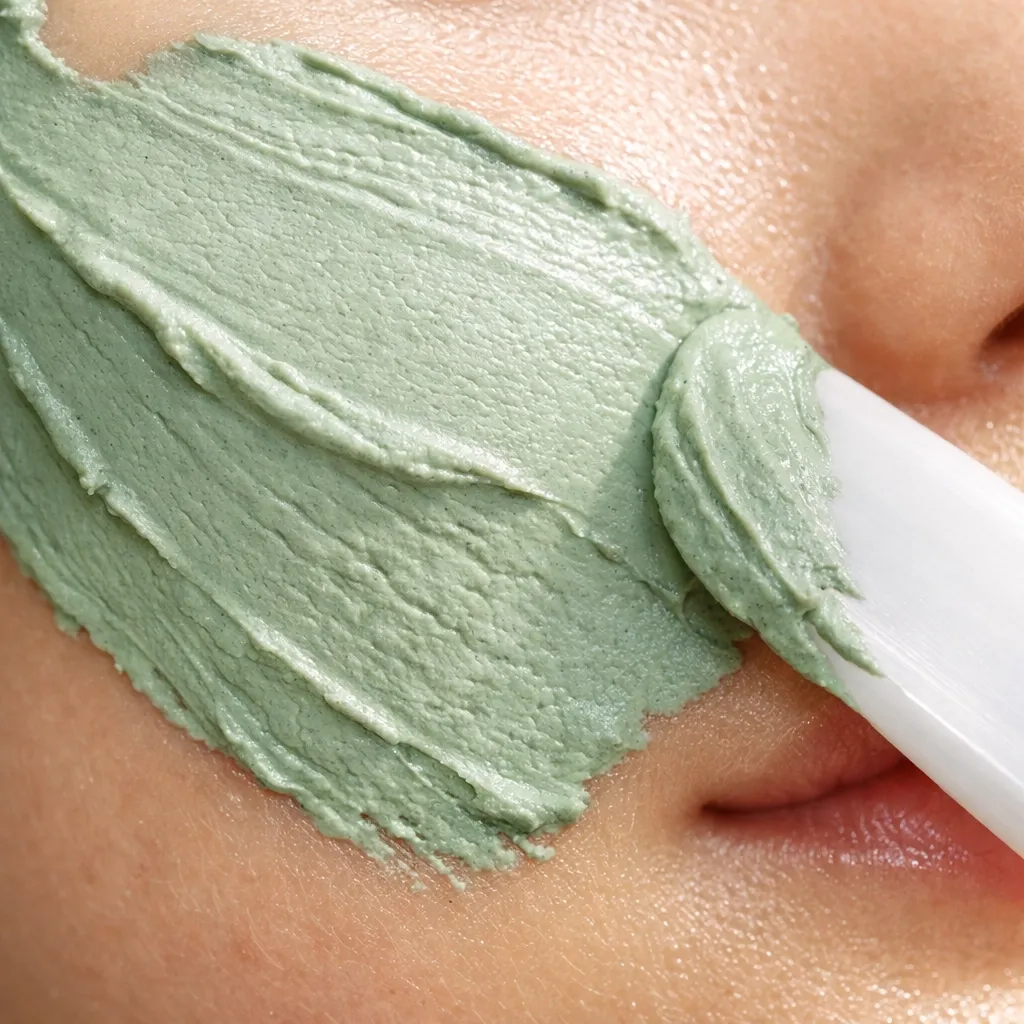
Clay therapy has been around for thousands of years, but a dark secret lurks beneath the surface of many commercial healing clay products: dangerous levels of lead contamination. If you're using healing clay for skincare, detox, or wellness, you need to know the facts about lead safety before your next application.
Recent research reveals that many popular clay brands contain lead levels that far exceed safety standards, putting users at serious health risk. Here's everything you need to know about lead in healing clay and how to protect yourself.
The Hidden Lead Problem in Commercial Clays
Most healing clays on the market today contain naturally occurring heavy metals, including lead and arsenic. But the levels found in commercial products are shocking. Scientific testing of major clay brands revealed lead concentrations ranging from 21,457 to 54,754 parts per billion (ppb) - levels that far exceed US Pharmacopoeia safety limits.
Even more concerning, products marketed as "ultra-pure pharmaceutical grade" contained the highest lead concentrations of all tested samples. This means you can't rely on marketing claims or fancy packaging to indicate safety.
For perspective, the FDA considers lead concentrations above 0.05 ppm in fruit juice as potentially dangerous. Some clay products test at levels hundreds of times higher than this threshold.

Why Lead in Clay is So Dangerous
Unlike other contaminants that your body can quickly eliminate, lead accumulates in your tissues over time. Research shows that lead from healing clay has a bioavailability of approximately 43%, meaning your body absorbs nearly half of the lead you're exposed to.
This accumulated lead concentrates in critical organs including your liver, kidneys, brain, and bones. Animal studies using French green clay showed significant increases in lead levels in these organs after regular use.
Health Risks by Population
For Women and Pregnant Women:
- Increased risk of birth defects
- Higher chance of miscarriage
- Potential mental development issues in children
- Disrupted mineral absorption (iron, calcium)
For Children:
- More severe neurological effects than adults
- Impaired cognitive development
- Learning difficulties
- Behavioral problems
For Everyone:
- Lead competes with essential nutrients
- Accumulates in bone tissue
- Affects multiple organ systems
- Long-term health consequences
As covered in our common green clay mistakes guide, using contaminated clay products is one of the most serious errors people make.
FDA Warnings You Need to Know About
The FDA has issued multiple warnings about specific clay products due to dangerous lead levels. Two notable cases include:
Bentonite Me Baby: Sold at major retailers including Target and Sally Beauty Supply, this product tested at 29-37.5 ppm of lead - levels that prompted an immediate FDA warning against use.
Best Bentonite Clay: After laboratory testing confirmed elevated lead levels, the FDA specifically warned consumers not to purchase or use products from Best Bentonite, located in Guthrie, Oklahoma.
These warnings came after independent community health testing revealed the contamination, not from the manufacturers' own quality control.
The Science Behind Clay Contamination
Research published in Clays and Clay Minerals explains that heavy metal contamination in healing clays occurs naturally during formation. Clay deposits absorb elements from surrounding soil and groundwater over thousands of years.
This natural process means that not all clay sources are created equal. The geological environment where clay forms directly impacts its safety profile. Clays from certain regions consistently show higher contamination levels than others.
Additionally, studies on medicinal clay properties emphasize the importance of proper sourcing and testing to ensure therapeutic benefits without health risks.
How to Choose Safe Clay Products
With widespread contamination issues, choosing safe clay products requires careful research and verification. Here's what to look for:
Essential Safety Criteria
- Third-party testing results for heavy metals
- Certification from recognized safety organizations
- Transparent sourcing information
- Scientific studies supporting safety claims
- Clear labeling of actual test results
Red Flags to Avoid
- Vague marketing claims like "pure" or "natural"
- No testing data provided
- Suspiciously low prices
- Lack of specific sourcing information
- No safety certifications

The Clayer Difference: Setting the Gold Standard
When comparing clay safety, Clayer stands out as the only brand meeting rigorous safety standards. Their French green clay undergoes extensive third-party testing and holds multiple safety certifications.
Clayer's certification process includes testing for over 20 heavy metals and contaminants. Their published studies demonstrate both safety and therapeutic effectiveness.
What Sets Clayer Apart:
- Comprehensive heavy metal testing with published results
- Multiple safety certifications from independent organizations
- Scientific studies backing safety claims
- Transparent sourcing from specific French regions
- Professional athlete endorsements based on safety profiles
Compare this to brands like Aztec Secret or others available on French Healing Clay comparison sites, and the difference in safety standards becomes clear.

Practical Safety Guidelines
Based on current research and FDA warnings, here are practical guidelines for clay safety:
For Internal Use:
- Only use clays with certified heavy metal testing
- Never exceed recommended dosages
- Consult healthcare providers before starting any clay regimen
- Avoid use during pregnancy or breastfeeding
For Topical Use:
- Limit frequency to prevent accumulation
- Always patch test new products
- Choose certified low-contaminant clays
- Monitor for any adverse reactions
For Children:
- Use only the safest, most tested products
- Reduce application frequency
- Supervise all clay use
- Consult pediatricians before starting
As discussed in our green clay face mask guide, proper application and product selection are crucial for both safety and effectiveness.
Making Informed Decisions
The healing properties of quality clay are well-documented, but safety must come first. Research on clay's antibacterial properties shows genuine therapeutic potential when using properly sourced, tested products.
However, comprehensive analysis of clay safety emphasizes that benefits only outweigh risks when using certified, low-contaminant products.
The key is choosing products from companies that prioritize safety through rigorous testing and transparent reporting. Don't let marketing claims substitute for actual safety data.
For more information on safe clay use and product selection, explore our guides on French green clay benefits and green clay for digestion.
Remember: your health is worth the extra effort to find truly safe products. Don't compromise on safety when quality, tested alternatives are available.