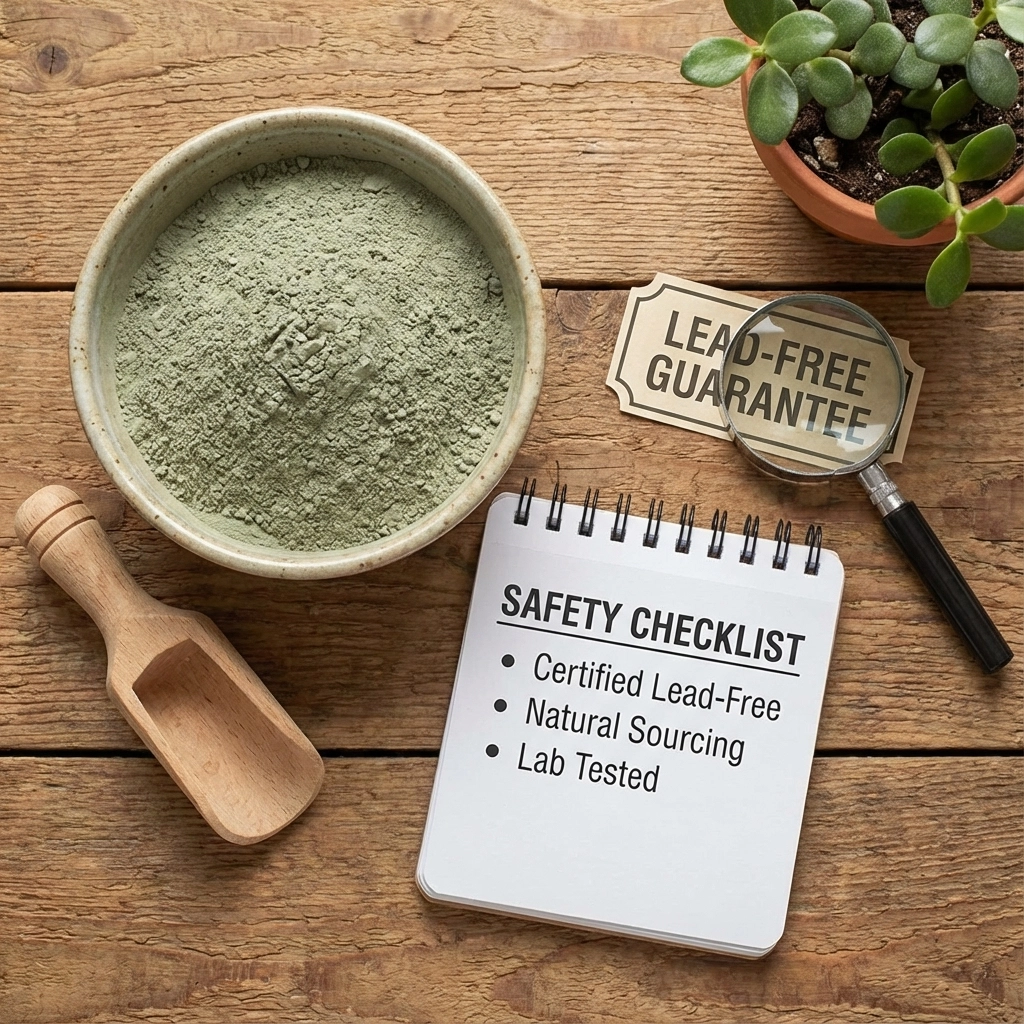
Finding truly safe, lead-free green clay shouldn't take hours of research. With contamination issues plaguing the clay industry, you need a quick way to separate the safe products from the potentially dangerous ones. This 5-minute checklist will help you make the right choice without the guesswork.
Why Lead-Free Matters More Than Ever
Recent studies reveal alarming lead levels in healing clays, with some products containing concentrations that exceed safe limits. The reality? Most clay products on store shelves haven't been properly tested for heavy metals.

Your 5-Minute Safety Checklist
Step 1: Demand Lab Reports (60 seconds)
The first thing you should ask any clay company is: "Where are your third-party lab results?" Legitimate brands provide detailed heavy metal testing showing 0.0 PPM lead levels. If they can't produce recent results within seconds of your request, move on immediately.
Look for testing that covers:
- Lead (Pb)
- Mercury (Hg)
- Arsenic (As)
- Cadmium (Cd)
Step 2: Check Certification Standards (60 seconds)
Here's where it gets tricky. The US Pharmacopoeia allows up to 40 ppm of lead in bentonite clay products. That's not safe: the CDC states that no amount of lead exposure is considered safe, especially for children and pregnant women.
Don't settle for "low lead" claims. Demand products with undetectable lead levels. French green clay certification standards typically maintain much stricter heavy metal limits than US standards.
Step 3: Verify the Source (60 seconds)
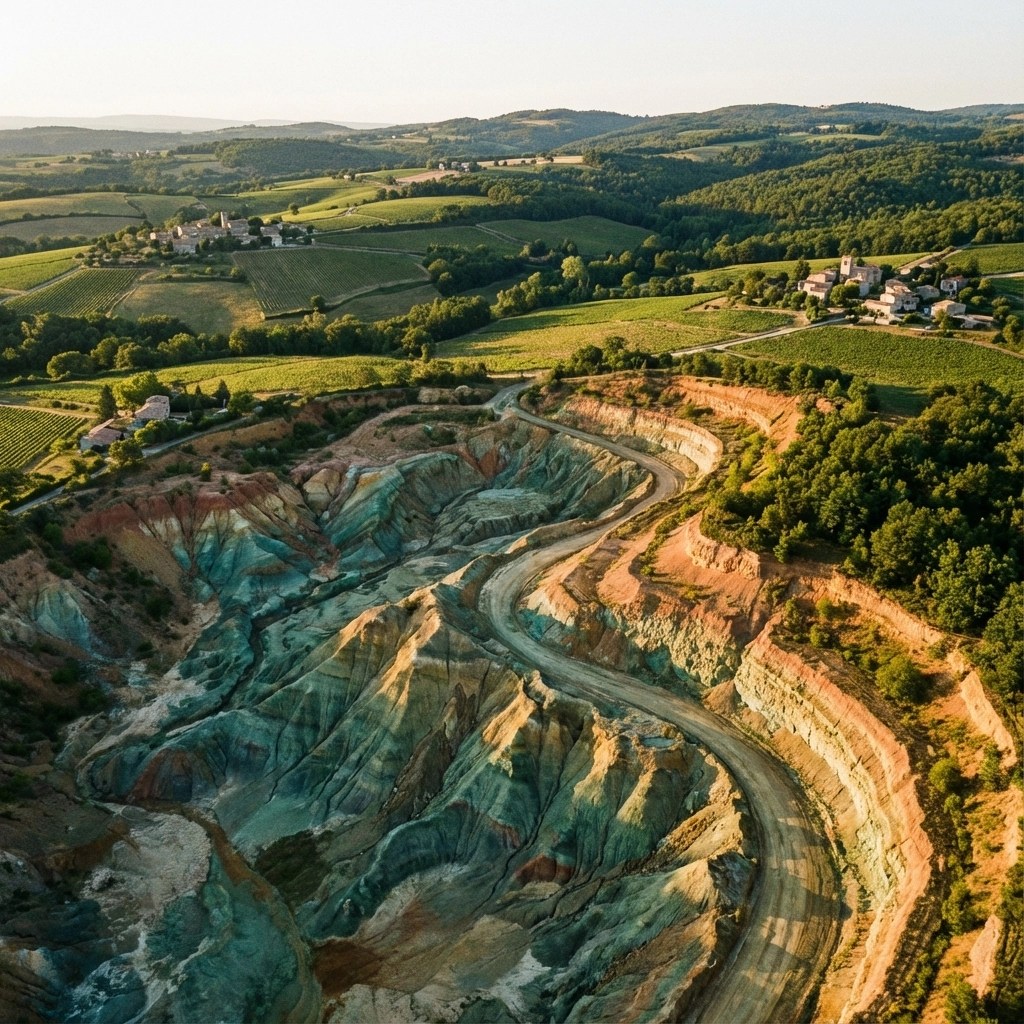
Clay quality depends heavily on where it's mined. French green clay from established quarries in specific regions typically offers better safety profiles due to stricter European mining and processing regulations.
Research on French green clays shows consistent mineral content and lower contamination when sourced from reputable locations.
Red flag sources to avoid:
- Unknown or undisclosed mining locations
- Recently established mining sites
- Areas with industrial contamination history
Step 4: Research Processing Methods (60 seconds)
How clay is processed after mining affects its safety. Look for companies that use:
- Sun-drying methods
- Non-chemical processing
- Contamination-free packaging facilities
- Regular quality control testing
Companies like Clayer maintain detailed documentation of their processing methods and provide access to ongoing safety studies.
Step 5: Compare Brand Track Records (60 seconds)
The final step is checking brand reputation and transparency. Established brands with years of clean testing records are safer bets than newcomers without proven safety histories.
Compare popular options:
- Aztec Secret – widely available but check their testing
- French Healing Clay – traditional options with varying quality
- Clayer – consistently shows 0.0 PPM lead in testing
Red Flags That Should Make You Walk Away
Missing Documentation
If a company can't immediately provide recent lab testing, that's an instant disqualifier. No exceptions.
Suspiciously Low Prices
Quality testing and sourcing costs money. If a clay product costs significantly less than tested alternatives, question why.
Vague Health Claims
Avoid products making extreme health claims without scientific backing. Legitimate clay companies focus on proven benefits backed by research.
Unknown Origins
Clay labeled simply as "imported" or "natural" without specific source information is risky.
The Science Behind Lead Contamination
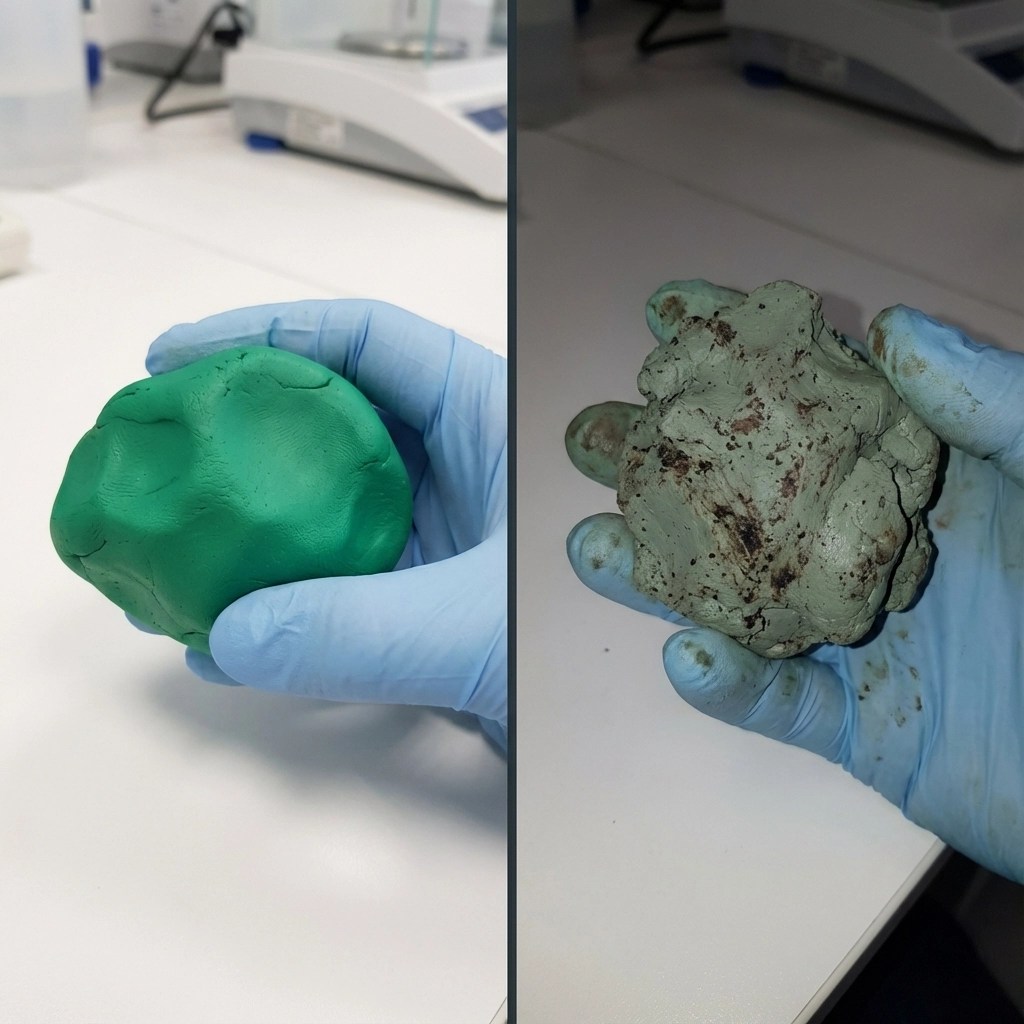
Studies on medicinal clays reveal that lead contamination often comes from:
- Natural geological processes
- Industrial contamination of mining sites
- Poor processing and storage practices
- Cross-contamination during packaging
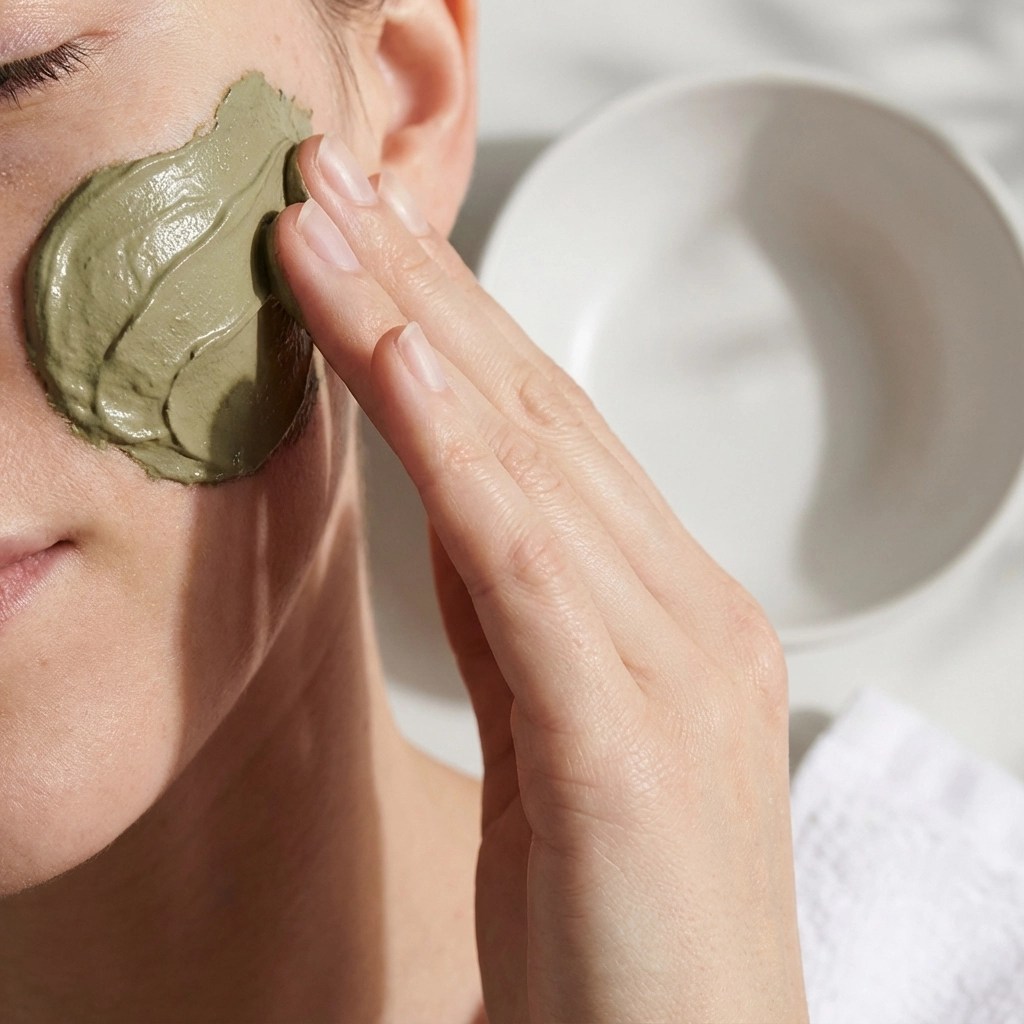
Daily topical application of contaminated clay can lead to significant lead accumulation in organs, making proper testing crucial for regular users.
What 0.0 PPM Actually Means
When lab reports show "0.0 PPM" or "ND" (not detected), it means lead levels fall below the detection limits of the testing equipment: typically around 0.1-0.5 PPM depending on the method used.
This doesn't mean absolutely zero lead, but it does mean levels so low they're undetectable with current technology. This is the safety standard you should demand.
Beyond Lead: Other Heavy Metals to Check
While lead gets most attention, also verify testing for:
Mercury: Even small amounts can cause neurological issues
Arsenic: Linked to skin problems and organ damage
Cadmium: Accumulates in kidneys and can cause long-term damage
Quality clay should show undetectable levels of all these metals.
Making Your Final Decision
After running through this checklist, you should have:
- Recent lab reports showing 0.0 PPM heavy metals
- Verified source information
- Clear processing methods
- Brand transparency and track record
If any piece is missing, keep looking. Your health and wellness deserve products that meet the highest safety standards.
Quick Reference Shopping Guide
Best Choice: Products with complete documentation, French sourcing, and consistent 0.0 PPM testing results
Acceptable: Well-established brands with recent testing showing undetectable heavy metals
Avoid: Any product without current lab reports, unknown sourcing, or suspicious pricing
For more information about green clay safety and benefits, visit our comprehensive guide section.
Remember: spending 5 minutes on this safety check could save you from years of unknowing heavy metal exposure. Don't compromise on clay quality: your skin and overall health depend on making the right choice.
Disclaimer: We are not associated with any clay company. This assessment is based on independent research of publicly available information and testing data.
Leave a Reply