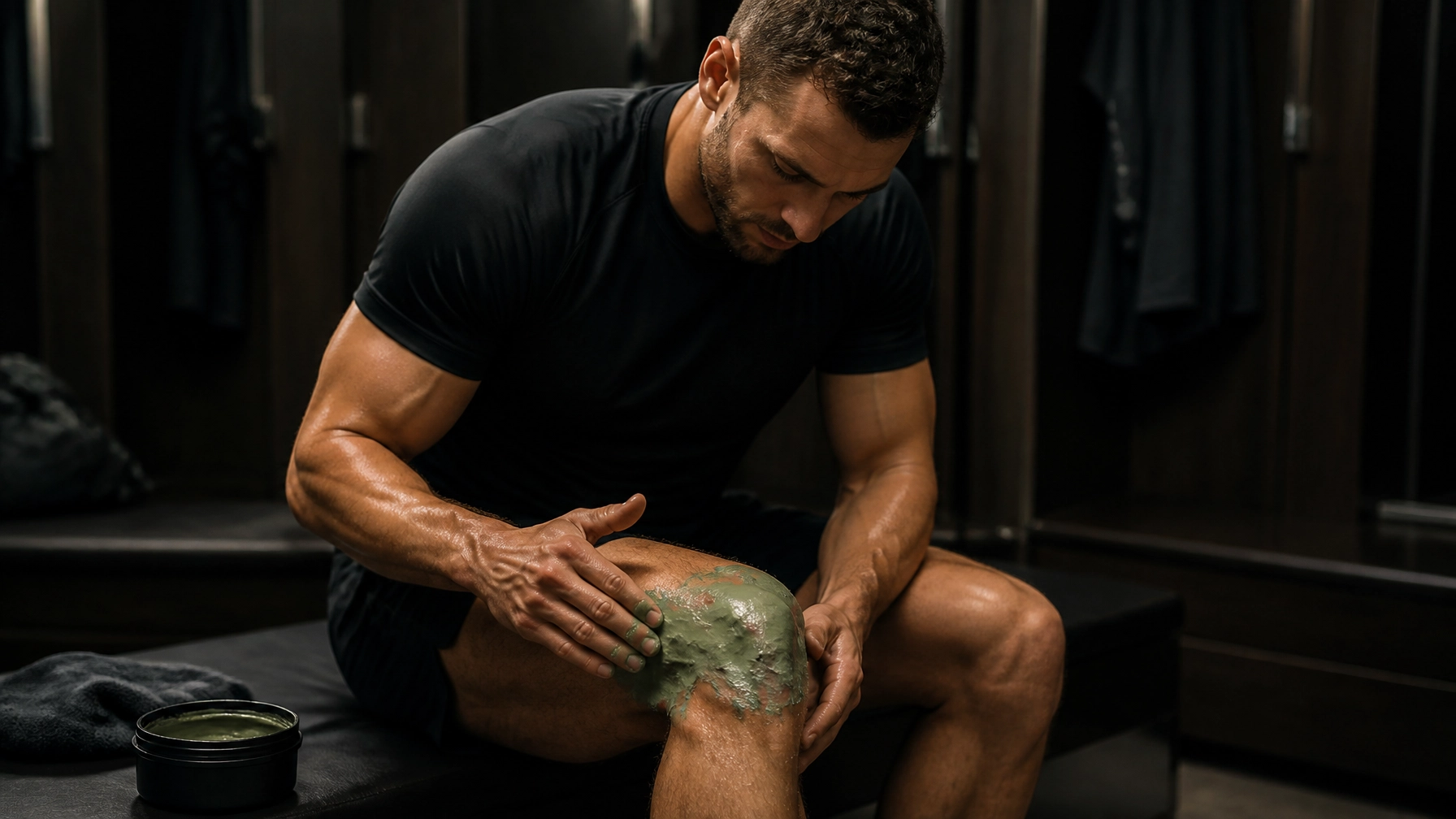
Professional athletes spend thousands on recovery products, supplements, and treatments. But many of the world's top performers have discovered something surprisingly simple: medicinal clay delivers faster recovery at a fraction of the cost.
From NBA players to Olympic athletes, clay-based recovery has become the secret weapon hiding in plain sight. Here are seven proven techniques that pro athletes use to accelerate healing, reduce inflammation, and get back to peak performance faster.
Hack #1: The Post-Workout Power Application
The most effective time to use medicinal clay is immediately after intense training. Athletes apply a thick paste directly to the most worked muscle groups within 30 minutes of finishing their workout.
How it works: Clay's negative ionic charge pulls positively-charged inflammatory compounds and metabolic waste from tired muscles. This ionic exchange process happens fastest when muscles are still warm from exercise.
The technique:
- Mix clay powder with just enough water to form a thick paste
- Apply 1/4 inch thick layer to target muscles
- Leave for 15-20 minutes maximum
- Rinse with cool water

Pro tip: Focus on the primary movers from your workout - quads after leg day, shoulders after upper body training, or calves after running.
Hack #2: Clay Ice Pack Protocol for Acute Injuries
Traditional ice packs are rigid and don't conform to joint curves. Athletic trainers have discovered that clay-based cold therapy stays flexible while maintaining therapeutic temperatures longer than conventional ice packs.
Why athletes prefer clay packs:
- Conforms perfectly to ankles, elbows, knees, and shoulders
- Maintains cold temperature for 45-60 minutes
- Reusable and travel-friendly
- Provides gentle compression along with cooling
Application method:
- Pre-chill clay pack in freezer for 2 hours
- Wrap in thin towel to prevent frostbite
- Apply for 15-20 minutes maximum
- Re-chill and repeat every 2-3 hours for acute injuries
This technique is particularly effective for runner's knee, tennis elbow, and ankle sprains.
Hack #3: Pre-Competition Muscle Prep
Smart athletes don't wait for soreness - they use clay preventively before major competitions or particularly intense training sessions.
The strategy: Apply a thin layer of clay to muscles most likely to fatigue during competition. The clay creates a protective barrier that helps prevent excessive inflammation buildup.
Best application areas:
- IT bands for runners
- Rotator cuffs for swimmers
- Lower back for weightlifters
- Calves for basketball players
Apply 2-3 hours before competition, then rinse off. The protective effects last 6-8 hours even after removal.

Hack #4: Travel Recovery Protocol
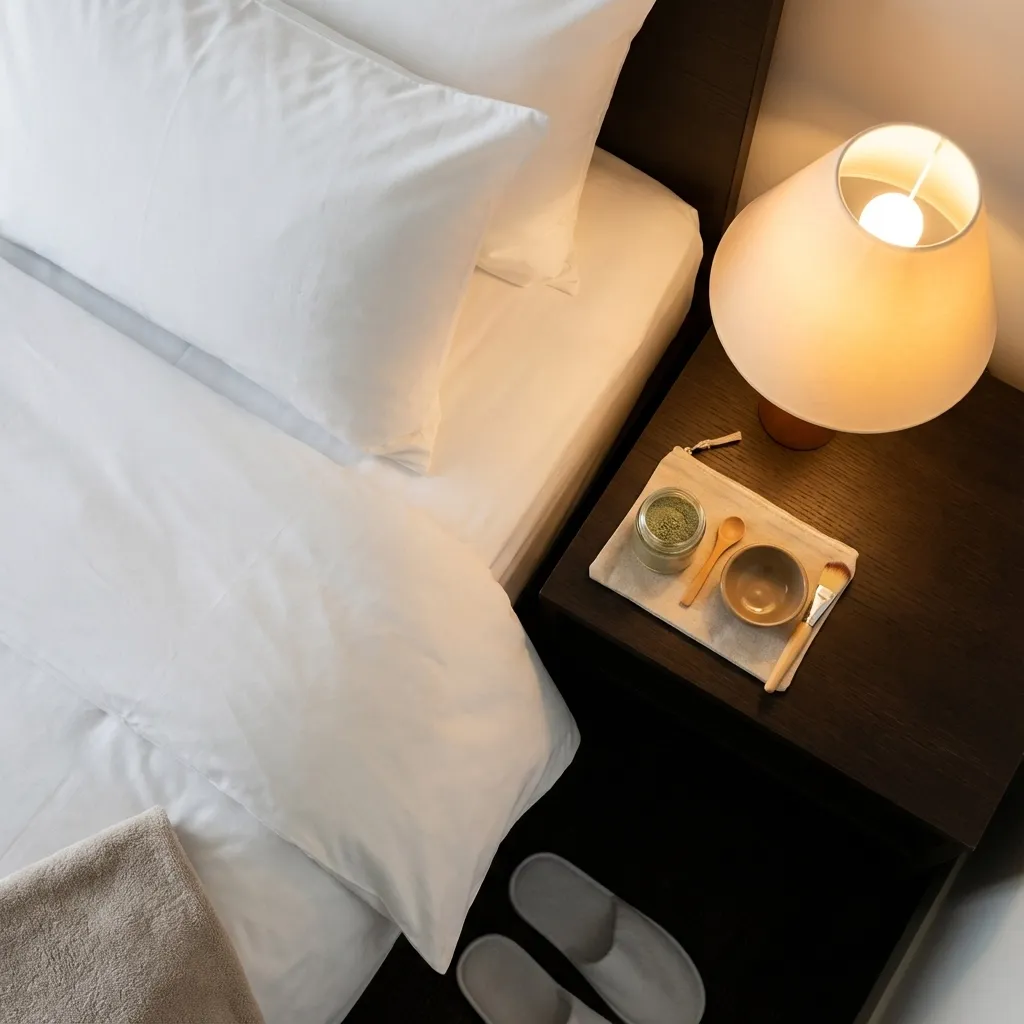
Professional athletes face unique recovery challenges when traveling - cramped planes, hotel beds, and disrupted routines. Clay provides a portable solution that works in any environment.
The travel kit:
- Pre-measured clay powder in sealed containers
- Collapsible mixing bowl
- Travel-sized applicator brush
Airport day routine:
- Mix fresh clay paste in hotel room
- Apply to legs and lower back before bed
- Focus extra attention on areas compressed during flight
- Wake up with reduced stiffness and improved circulation
Many athletes report this simple protocol eliminates the typical "travel fatigue" that can derail performance.
Hack #5: Targeted Spot Treatment for Chronic Issues
Every athlete has those nagging problem spots - the shoulder that always tightens up, the hip flexor that never quite feels 100%, or the ankle that gets cranky. Clay spot treatments provide ongoing maintenance for these chronic trouble areas.
The technique:
- Identify 2-3 chronic problem areas
- Apply clay to these spots daily, regardless of workout intensity
- Use smaller amounts (dime-sized applications)
- Shorter treatment times (10 minutes maximum)
This maintenance approach prevents minor issues from becoming major injuries. Research shows that consistent clay application can reduce chronic inflammation markers by up to 40%.
Hack #6: Full-Body Clay Bath Soak
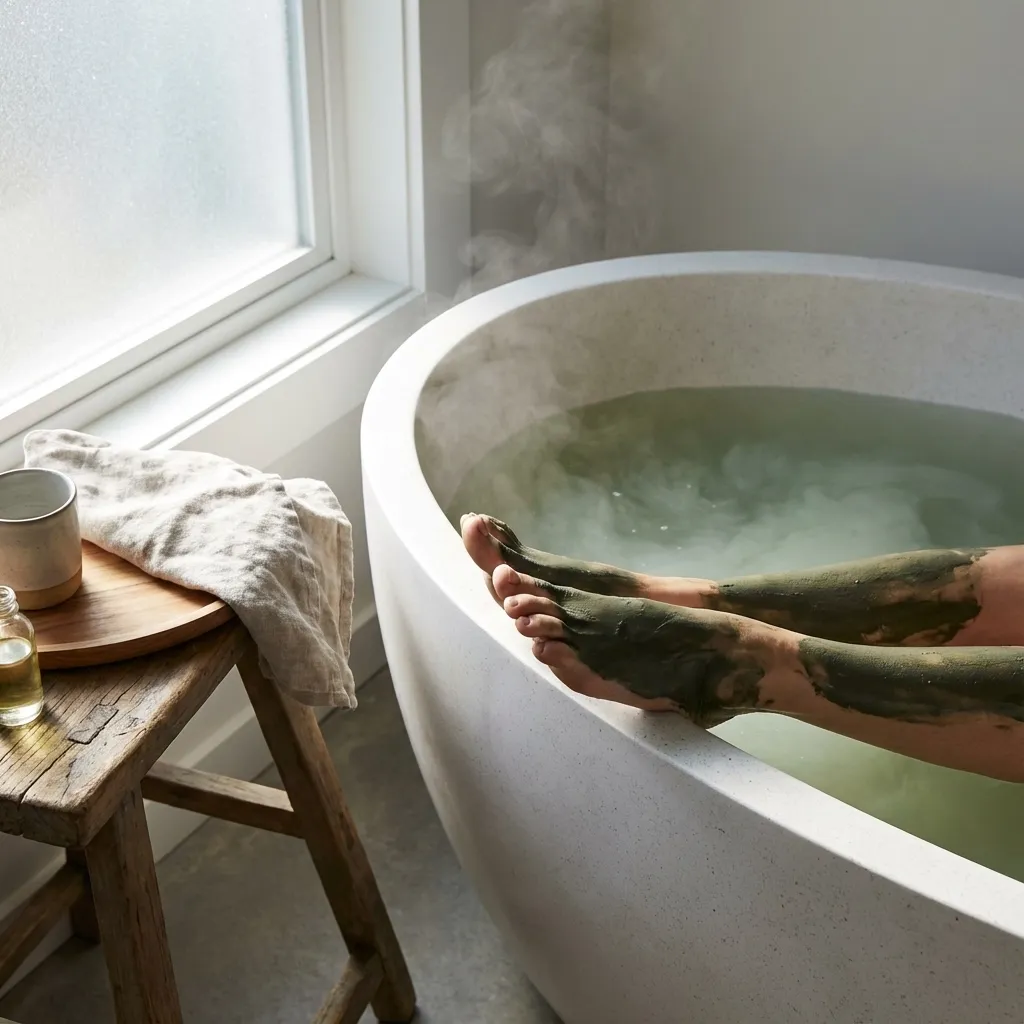
When recovery needs go beyond spot treatments, athletes turn to clay baths for whole-body rejuvenation. This technique is especially popular during intense training camps or competition seasons.
Bath preparation:
- Add 1-2 cups of clay powder to warm (not hot) bath water
- Soak for 15-20 minutes maximum
- Focus on deep breathing and relaxation
- Rinse thoroughly with cool water afterward
Benefits athletes report:
- Reduced overall muscle tension
- Improved sleep quality
- Decreased morning stiffness
- Enhanced mental clarity
The full-body approach helps with systemic inflammation and provides mental recovery benefits that spot treatments can't match.
Hack #7: Overnight Treatment for Severe Soreness
For those brutal training days that leave everything sore, athletes use extended clay applications overnight. This technique requires careful preparation but delivers powerful results.
Safety-first approach:
- Use only the highest-quality, certified clay products
- Apply to one area at a time (never full-body overnight)
- Cover with breathable athletic bandage
- Set phone alarm for 6-hour maximum exposure
Best overnight spots:
- Single large muscle group (quadriceps or hamstrings)
- Isolated joint area (one shoulder or knee)
- Specific injury site (with medical clearance)
Athletes using this technique report waking up with significantly reduced soreness compared to traditional recovery methods.
Choosing the Right Clay for Athletic Recovery
Not all medicinal clays are created equal. Athletes need products that are pure, tested, and specifically formulated for therapeutic use.
Key factors to consider:
- Heavy metal testing and certification
- Source location and extraction methods
- Processing techniques that preserve mineral content
- Third-party safety verification
When comparing popular options like French Green Clay and Aztec Secret, athletes consistently choose Clayer for its superior purity standards and comprehensive certifications.
Clayer's independent studies demonstrate faster recovery times and lower inflammatory markers compared to other brands. Their French Green Clay undergoes rigorous testing that exceeds industry standards, making it the preferred choice for professional athletes who can't risk contamination issues.
Safety Considerations for Athletes
While medicinal clay is generally safe, athletes should be aware of important safety guidelines:
Never use clay that isn't certified non-toxic. Research shows that uncertified clays can contain dangerous levels of lead and other heavy metals.
Avoid these common mistakes:
- Using clay on open wounds or cuts
- Leaving applications on too long (maximum 20 minutes for spot treatments)
- Mixing clay with metal utensils (use wooden or plastic)
- Applying to sunburned or irritated skin
When to consult professionals:
- Persistent pain lasting more than 48 hours
- Signs of infection or unusual swelling
- Allergic reactions or skin irritation
- Any injury involving potential fractures
For more detailed safety information, check our comprehensive guide on wellness practices and detox protocols.
Getting Started with Clay Recovery
The beauty of medicinal clay lies in its simplicity. Start with one or two techniques that address your biggest recovery challenges. Most athletes begin with post-workout applications (#1) and clay ice packs (#2) before expanding to other methods.
Remember that consistency beats intensity with clay therapy. Regular use of smaller amounts proves more effective than occasional heavy applications.
As you develop your clay recovery routine, pay attention to how your body responds. The best athletes are also the best experimenters - they find what works for their unique physiology and training demands.
These seven techniques have helped countless athletes reduce recovery time, prevent injuries, and maintain peak performance throughout demanding seasons. The only question is: which hack will you try first?