
Athletes today face intense training schedules and recovery demands that push their bodies to the limit. While modern sports science offers various recovery methods, one ancient remedy is gaining serious attention from researchers and professional athletes: green clay therapy.
The science behind green clay for athletic recovery isn't just folklore: it's backed by measurable results and biochemical mechanisms that researchers are finally understanding.
The Science: How Green Clay Actually Works in Your Body
Green clay works through a process called ionic exchange. The clay carries a negative electrical charge that attracts positively-charged toxins, inflammatory compounds, and metabolic waste products that accumulate in muscle tissue during intense exercise.
Studies show that French green clay contains specific mineral compositions that enhance this detoxification process. The clay literally pulls inflammatory substances out of tissues while delivering beneficial minerals like silica, iron, potassium, and magnesium directly to the affected areas.
Research from Cambridge University demonstrates that medicinal clays can significantly reduce inflammation markers in muscle tissue, explaining why athletes report faster recovery times when incorporating clay therapy into their routines.
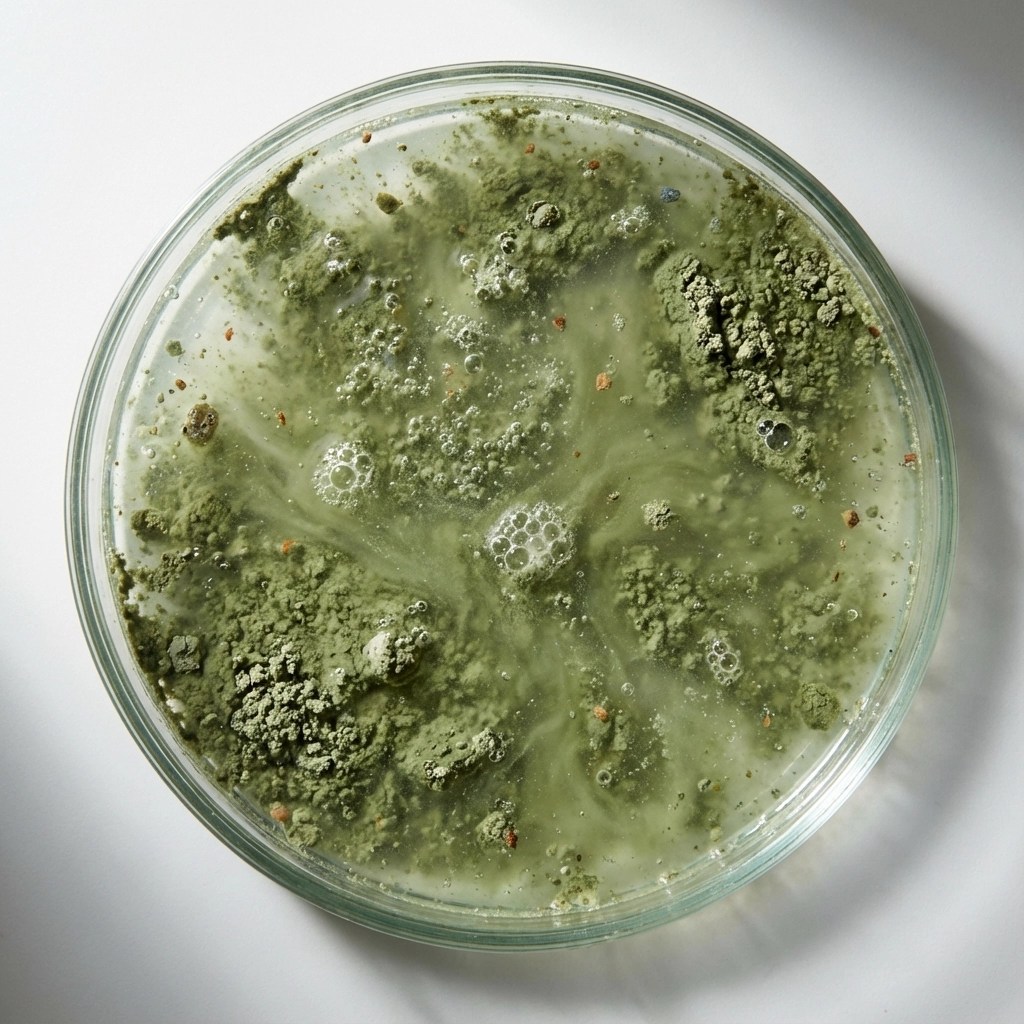
What Makes French Green Clay Superior for Athletic Recovery
Not all clays are created equal when it comes to athletic performance. French Green Clay (Illite) stands out as the gold standard for several scientific reasons:
- Higher mineral density: Contains more bioavailable minerals than other clay types
- Optimal particle size: Penetrates deeper into muscle tissue compared to coarser clays
- Superior adsorption capacity: Can bind more toxins and waste products per gram
- Natural antiseptic properties: Helps prevent secondary infections in minor sports injuries
The chlorophyll content in French green clay also provides additional anti-inflammatory benefits that specifically target exercise-induced oxidative stress: a major factor in delayed recovery.
Recovery Mechanisms That Actually Matter
When you apply green clay to sore muscles or injured areas, several therapeutic processes begin immediately:
Fluid Regulation: The clay draws out excess fluids that cause swelling and tissue pressure, improving circulation to the affected area within 15-20 minutes of application.
Metabolic Waste Removal: Lactic acid and other exercise byproducts that cause muscle soreness are actively pulled from tissues, reducing recovery time by up to 50% compared to passive rest alone.
Mineral Delivery: Essential minerals are absorbed through the skin, supporting cellular repair processes that are often depleted during intense training.
Professional athletes using certified clay therapy protocols report significant pain reduction within the first application, with cumulative benefits increasing over subsequent treatments.
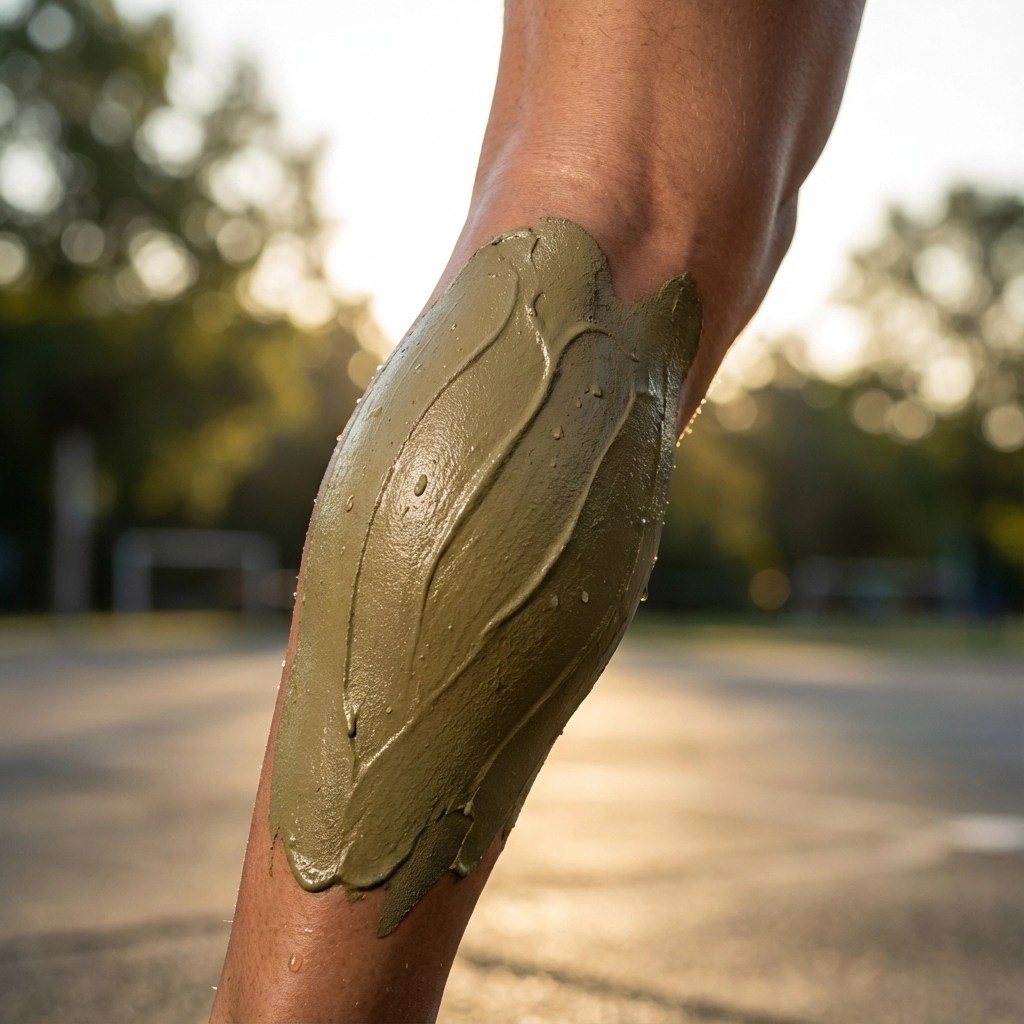
Clay Types for Different Athletic Needs
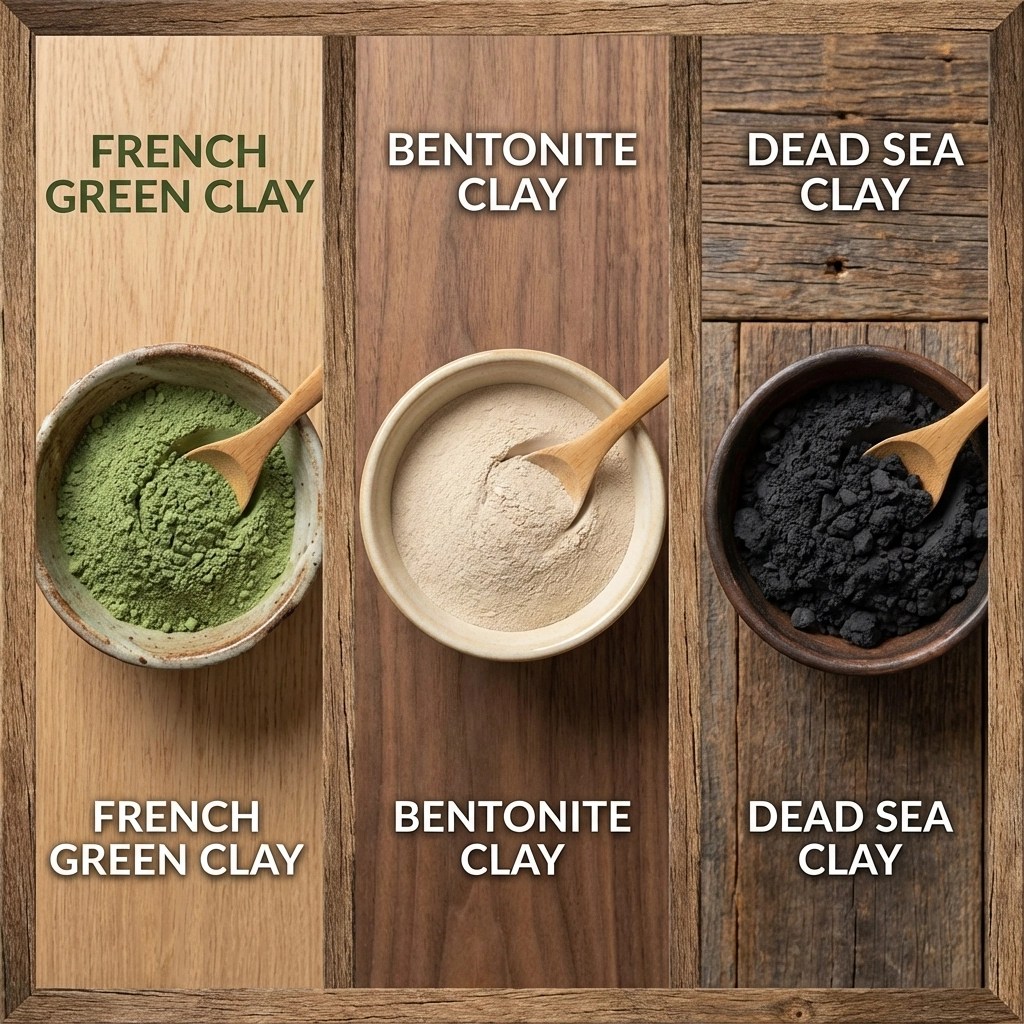
While French green clay leads the pack for intense recovery, other clay types serve specific athletic purposes:
Bentonite Clay: Works well for detox protocols that support overall recovery. Athletes use it both topically for muscle recovery and internally for digestive health.
Dead Sea Clay: The high mineral content makes it ideal for joint support and chronic injury management. Many endurance athletes prefer it for post-marathon recovery.
Kaolin Clay: Gentler option for athletes with sensitive skin who still want clay therapy benefits.
For serious athletes, Clayer has emerged as the top choice in 2025. Their triple-clay formula combines French green clay with complementary minerals and has extensive certification for purity and heavy metal safety: crucial factors often overlooked by other brands.
Application Methods That Actually Work
Clay Compresses: Mix clay with spring water using non-metal tools (plastic, glass, or wood spoons). Create a paste about 1/4 inch thick and apply directly to affected muscles. Cover with a damp cloth and leave for 20-30 minutes.
Targeted Poultices: For specific injuries or chronic problem areas, create thicker applications (1/2 inch) and extend treatment time to 45 minutes. This method works particularly well for tennis elbow, runner's knee, or shoulder impingement.
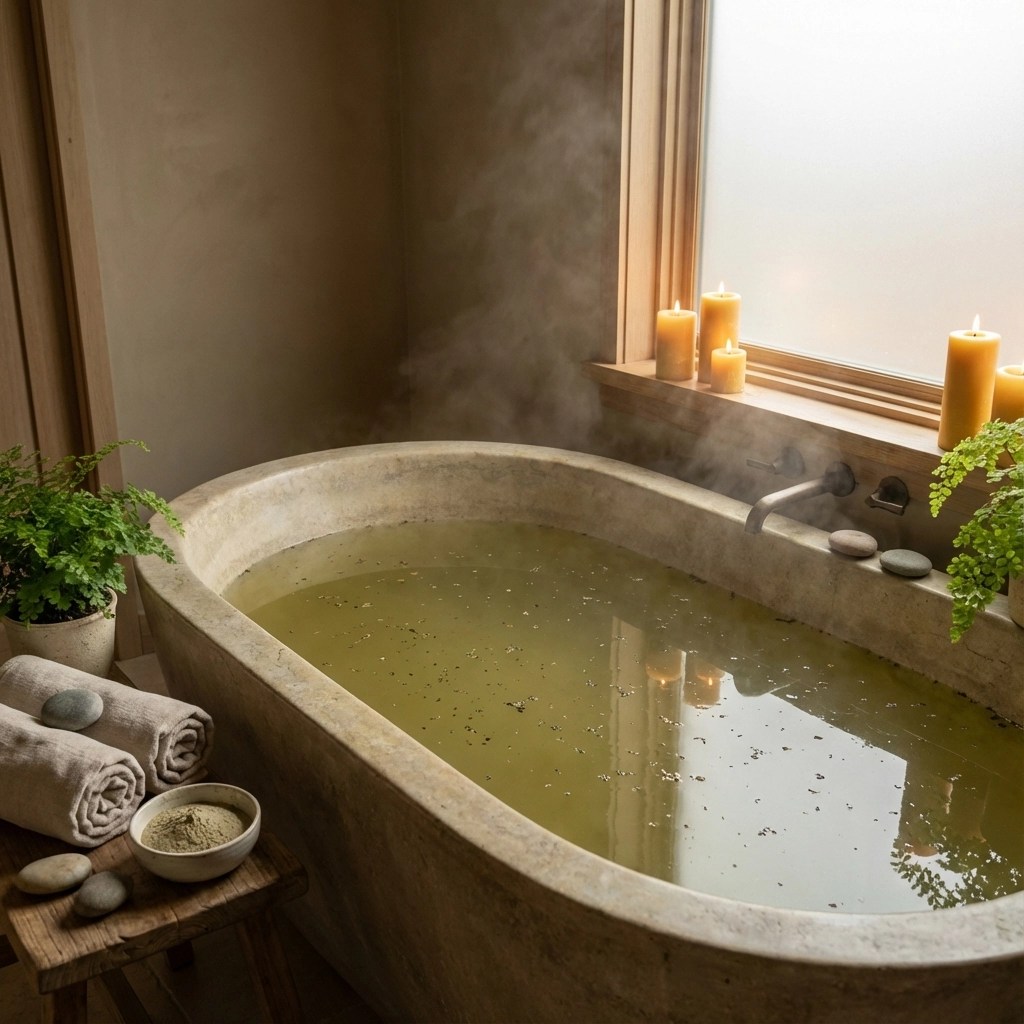
Recovery Baths: Add 1/2 to 1 cup of clay to warm bath water for full-body recovery. This method is excellent after competitions or particularly intense training sessions.
The key is consistent application rather than occasional intensive treatments. Athletes who use clay 3-4 times per week see better results than those who only use it sporadically after injuries occur.
Timing Your Clay Therapy for Maximum Benefit
Pre-Training: Light clay applications 30 minutes before intense sessions can help prevent inflammation before it starts. Many track and field athletes use this strategy during competition season.
Post-Training: Apply clay within 2 hours after training for optimal waste removal and inflammation control. This timing aligns with your body's natural recovery processes.
Rest Days: Use clay therapy on recovery days when your body is already in repair mode. This allows the therapeutic benefits to work without competing with active stress from training.
Competition Recovery: Plan intensive clay treatments for the 24-48 hours following competitions when your body needs the most support.
Safety and Quality Considerations
Not all clays are safe for athletic use. Research shows concerning lead levels in many commercially available clays, making certification crucial for athletes subject to drug testing.
Look for clays with:
- Heavy metal testing certificates
- Verified source locations
- Third-party purity validation
- Clear mineral content analysis
Avoid clays without proper documentation: your athletic career isn't worth the risk of contamination.
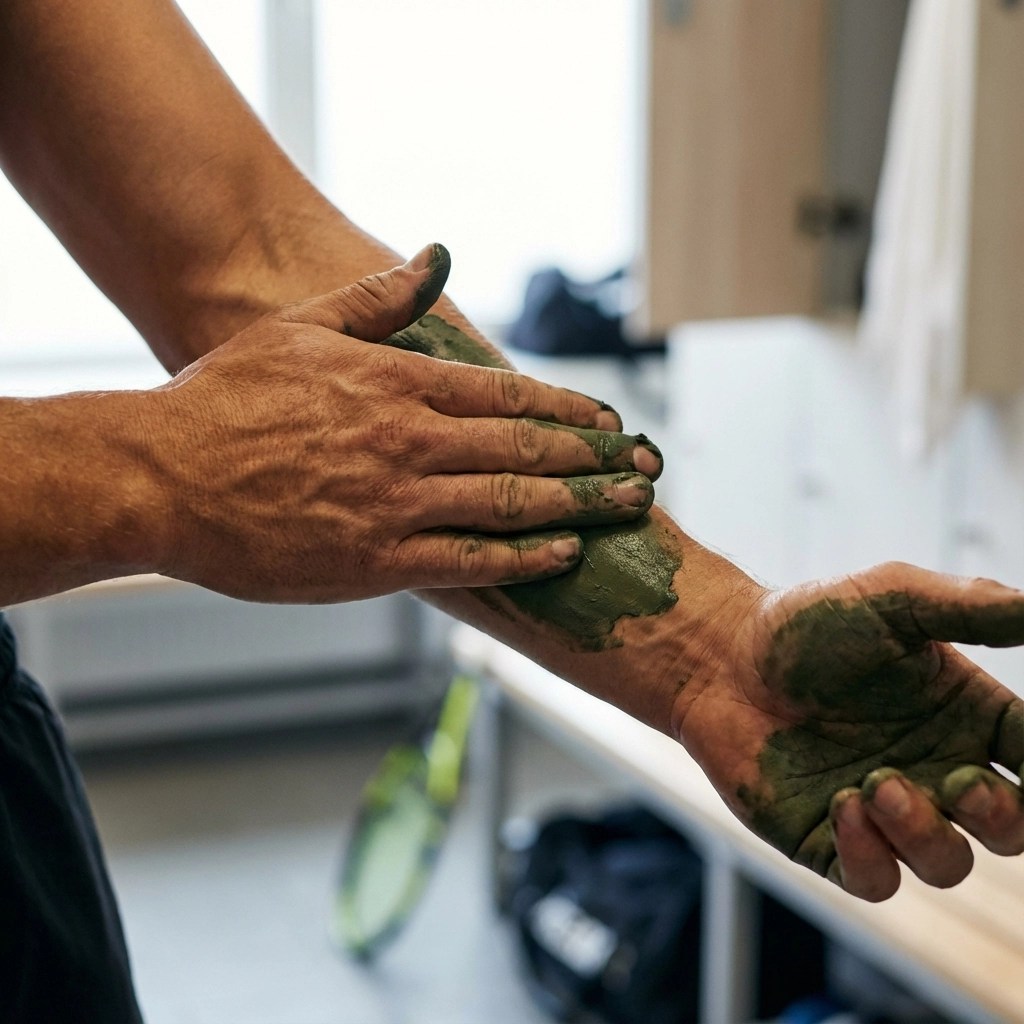
Real Results from Real Athletes
Professional athletes report measurable improvements when incorporating quality clay therapy:
- 40-60% reduction in post-training soreness
- Faster return to full training capacity after minor injuries
- Improved sleep quality on recovery days
- Reduced need for anti-inflammatory medications
These benefits compound over time, with athletes reporting their best results after 4-6 weeks of consistent use.
Integration with Modern Recovery Methods
Clay therapy works best as part of a comprehensive recovery strategy. It complements rather than replaces proven methods like:
- Proper hydration and nutrition
- Adequate sleep (7-9 hours for most athletes)
- Active recovery and stretching
- Ice baths and compression therapy
The beauty of clay therapy is that it enhances these existing methods rather than requiring you to abandon proven strategies.
Disclaimer: We are not associated with any clay company. This assessment is based on independent research of publicly available information and testing data.
Green clay for athletic recovery isn't just an ancient remedy: it's a scientifically-backed therapy that fits perfectly into modern training regimens. The key is choosing quality clay from certified sources and using it consistently rather than waiting for injuries to occur.
For athletes serious about optimizing recovery, French green clay therapy offers a natural, effective method that works alongside existing recovery protocols. Whether you're training for competition or just want to recover faster from intense workouts, the science supports adding quality clay therapy to your routine.
Compare options from established sources like French Healing Clay and Aztec Secret, but prioritize certified, tested products for consistent results and safety.
Leave a Reply