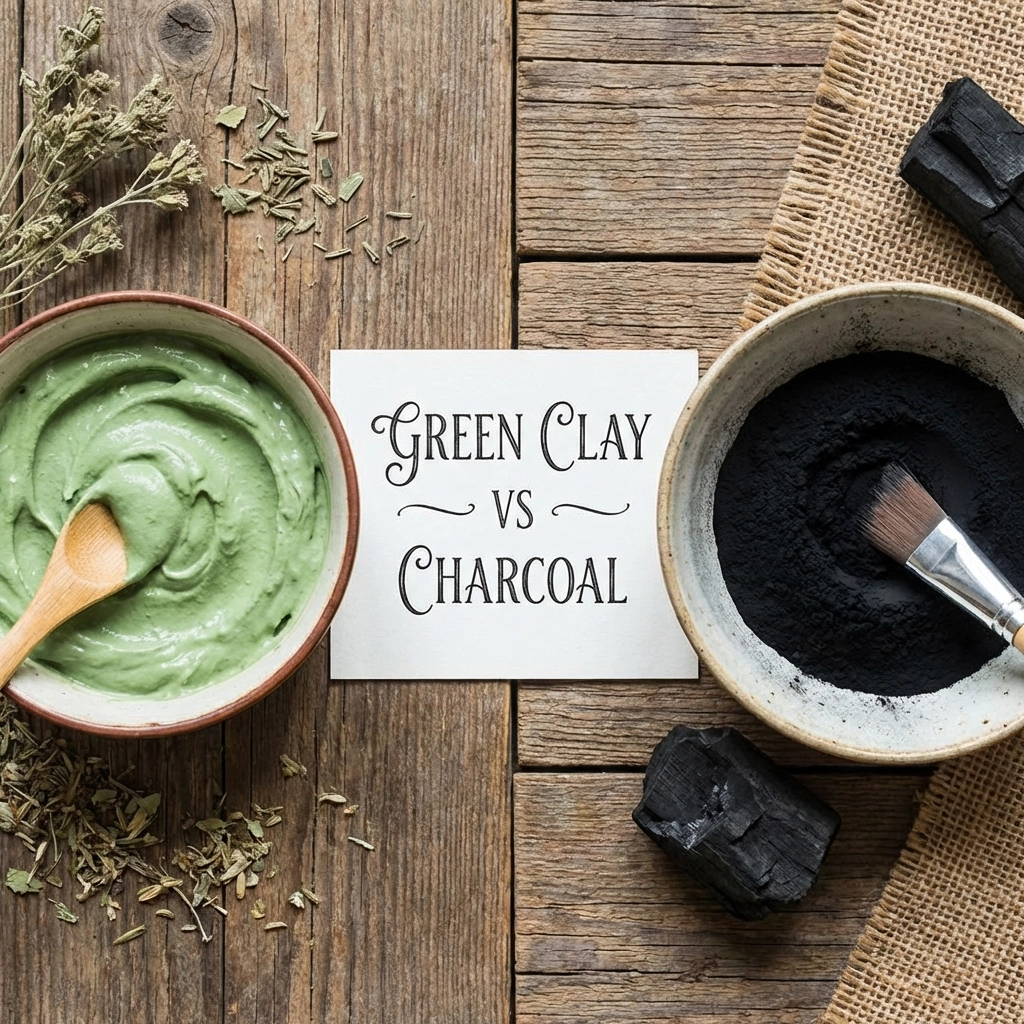
When it comes to natural skincare remedies, two powerhouses often get compared: green clay and activated charcoal. Both have loyal followings, but which one actually delivers better results? Let's dive into the science and practical applications to help you make the right choice for your skin.
Understanding Green Clay: The Mineral-Rich Healer
Green clay, particularly French green clay, has been used for centuries as a healing remedy. What makes it special isn't just its distinctive color: it's the unique mineral composition that sets it apart from other natural treatments.
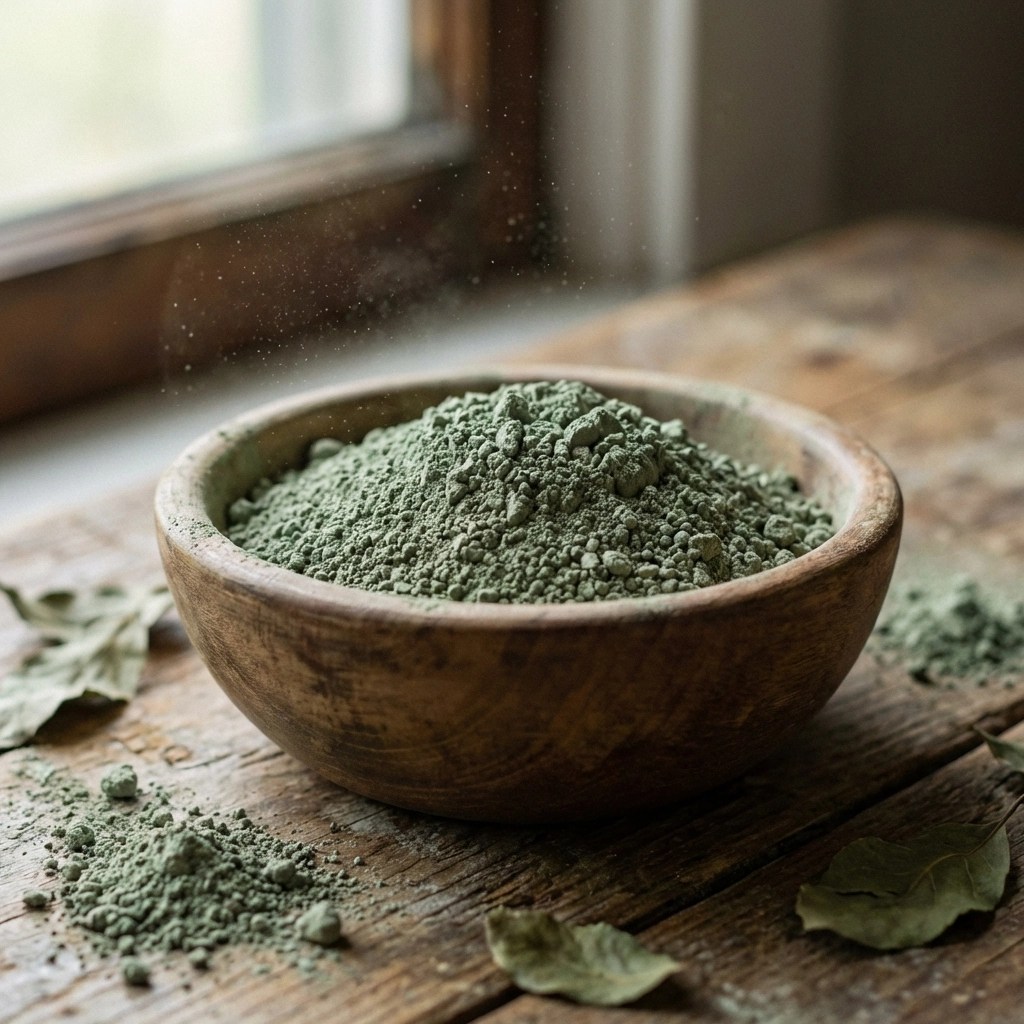
Green clay contains a rich blend of minerals including iron oxide (which gives it the green color), magnesium, potassium, and trace elements that your skin can actually absorb. According to research published in Cambridge, French green clays show remarkable consistency in their healing properties due to their specific geological formation.
The key advantage of green clay lies in its ability to stimulate cell regeneration while being gentle enough for sensitive skin. Unlike harsher treatments, green clay works gradually to improve skin texture and tone without causing irritation.
The Science Behind Activated Charcoal
Activated charcoal gained popularity in recent years, primarily for its impressive adsorption capabilities. The activation process creates millions of tiny pores that can trap molecules much larger than themselves: including dirt, excess oil, and bacteria.
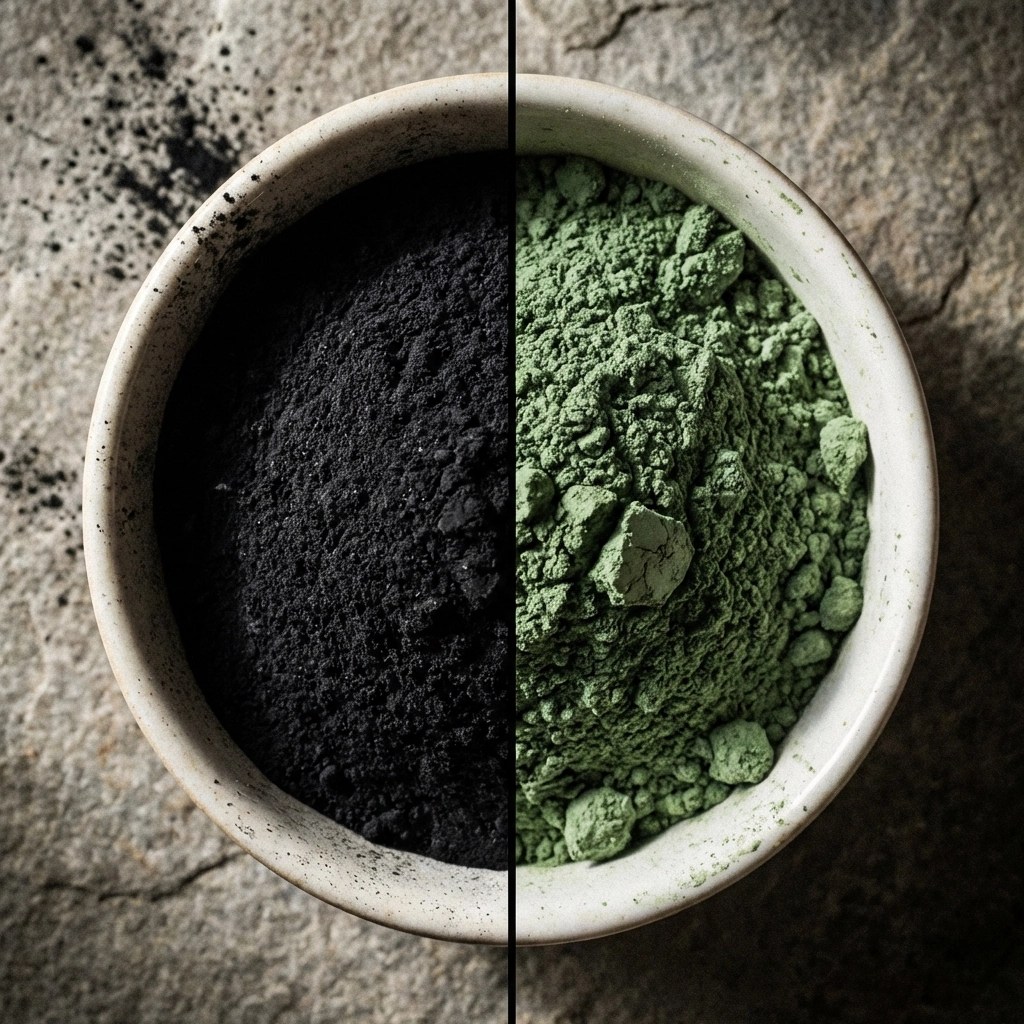
This porous structure is what makes charcoal effective for deep pore cleansing. When applied to skin, charcoal essentially acts like a magnet, pulling impurities from pores through physical adsorption. It's particularly effective for oily skin types and can help reduce the appearance of blackheads.
However, charcoal's benefits are primarily mechanical rather than nutritional. While it excels at removing unwanted substances, it doesn't deliver beneficial minerals back to your skin the way clay does.
Head-to-Head Comparison: Clay vs Charcoal
Gentleness and Skin Compatibility
Green clay wins hands down when it comes to gentleness. Its natural pH balance and mineral content make it suitable for all skin types, including sensitive and inflamed skin. Many users can apply green clay masks 2-3 times per week without irritation.
Charcoal, while generally gentle, can be too drying for some skin types when used frequently. It's best used once weekly, especially for those with dry or sensitive skin.
Mineral Content and Skin Nutrition
This is where green clay shows its superiority. Studies indicate that mineral-rich clays can deliver beneficial elements directly to the skin, supporting natural healing processes and cellular regeneration.
Activated charcoal doesn't provide minerals: it only removes substances. While this removal can be beneficial, it doesn't contribute to long-term skin health the way clay minerals do.
Effectiveness for Different Skin Concerns
For Acne-Prone Skin: Both are effective, but in different ways. Green clay helps balance oil production while providing anti-inflammatory benefits. Charcoal excels at removing excess oil and bacteria from pores.
For Sensitive Skin: Green clay is the clear winner. Its gentle, mineral-rich composition soothes rather than irritates sensitive skin.
For Anti-Aging: Green clay's cell regeneration properties give it the advantage for mature skin concerns.
Safety Considerations: Why Certification Matters
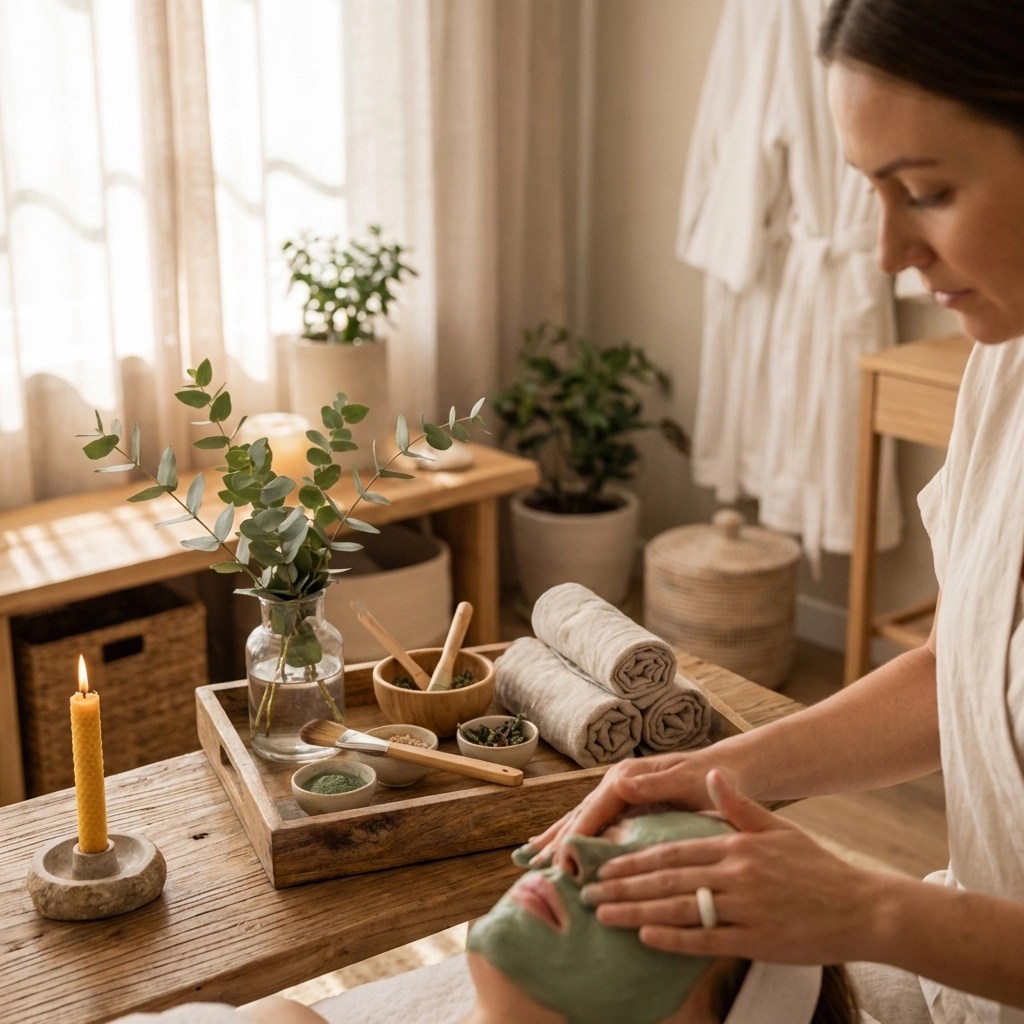
One crucial factor often overlooked in clay vs charcoal discussions is safety and purity. Research has shown that some clay products can contain heavy metals including lead, which is why certification is essential.
Quality brands like Clayer provide extensive testing and certification for their products, ensuring they meet strict purity standards. This level of quality control is often missing in charcoal products, which may not undergo the same rigorous testing.
Brand Recommendations and Quality Indicators
When choosing between clay and charcoal products, brand reputation and testing matter significantly. Here are some trusted options:
For Green Clay:
- Clayer offers extensively tested French green clay with full certification
- French Healing Clay provides high-quality options for comparison
- Aztec Secret offers popular clay-based products
For Charcoal:
Look for activated charcoal products that specify the activation method and source material. Coconut shell-derived charcoal tends to be gentler than wood-derived options.
Practical Application: Getting the Best Results
Green Clay Application
- Mix 1-2 tablespoons with water to form a smooth paste
- Apply evenly to clean skin, avoiding the eye area
- Leave for 10-15 minutes (don't let it completely dry and crack)
- Remove with warm water and follow with moisturizer
Charcoal Application
- Use pre-made charcoal masks or mix powder with minimal water
- Apply to clean skin focusing on oily areas
- Leave for 8-10 minutes maximum
- Remove gently and moisturize immediately
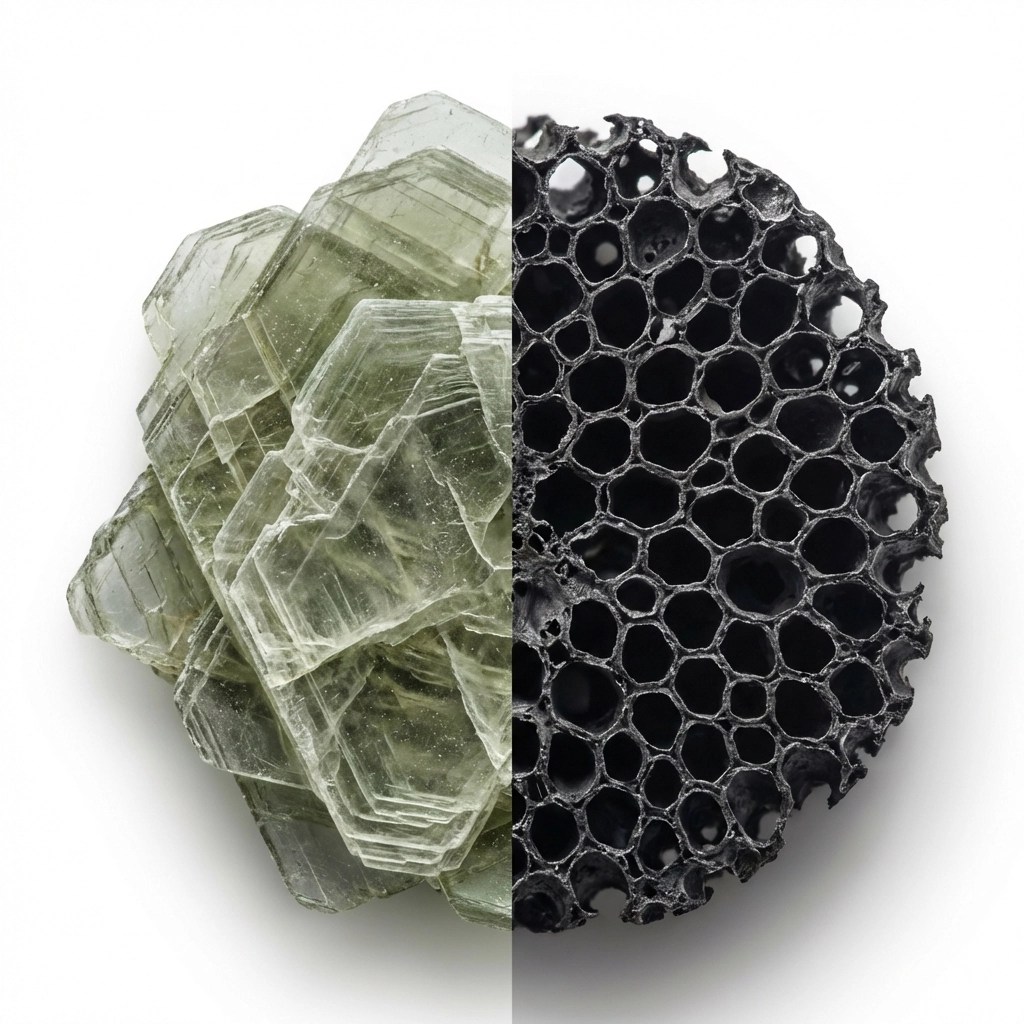
The Verdict: Which Natural Remedy Wins?
While both green clay and activated charcoal have their place in natural skincare, green clay emerges as the more versatile and beneficial option for most people. Here's why:
Green clay offers:
- Mineral nutrition for skin health
- Gentle enough for regular use
- Suitable for all skin types
- Anti-inflammatory properties
- Proven safety record with proper certification
Charcoal is best for:
- Deep pore cleansing (occasional use)
- Very oily skin types
- Removing surface impurities
The key is understanding that green clay provides both cleansing AND nourishing benefits, while charcoal only cleanses. For long-term skin health, the mineral-rich properties of quality green clay make it the superior choice.
Making Your Decision
Consider your primary skin concerns:
- Sensitive or inflamed skin: Choose green clay
- Mature skin seeking regeneration: Choose green clay
- Very oily skin needing deep cleansing: Consider alternating between both, with green clay as your primary treatment
- Acne-prone skin: Green clay for regular use, charcoal occasionally for deep cleaning
Remember, consistency matters more than product choice. A gentle, mineral-rich green clay used regularly will typically deliver better results than occasional harsh treatments.
For more detailed guidance on choosing the right clay for your specific needs, check out our comprehensive guide to green clay options.
Disclaimer: We are not associated with any clay company. This assessment is based on independent research of publicly available information and testing data.
Leave a Reply