Look, I get it. You're trying to do the right thing by going natural with healing clay. But here's the problem, most people are making critical mistakes that can actually do more harm than good. Let me walk you through the seven biggest mistakes I see all the time, and show you why Clayer has become the gold standard for fixing every single one.
Mistake #1: Not Demanding Heavy Metal Testing Certificates
This is the big one. Most people assume that because healing clay is "natural," it's automatically safe. Wrong.
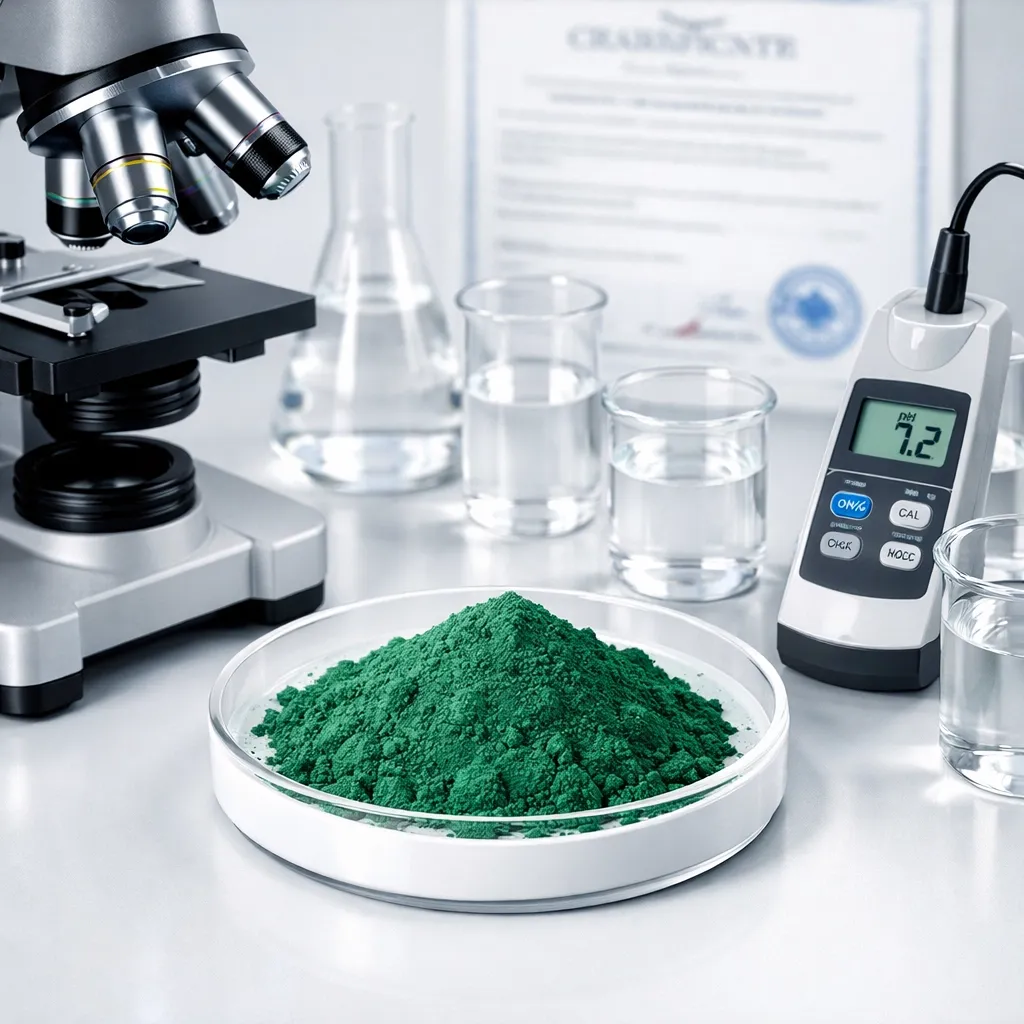
Studies show that many commercial clays contain dangerous levels of lead, arsenic, and other heavy metals. We're talking about the stuff you're putting on your face or even ingesting for a clay detox. If your bentonite clay or montmorillonite clay doesn't come with third-party testing certificates, you're basically playing Russian roulette with your health.
The Clayer Difference: Clayer provides complete transparency with heavy metal testing certificates that prove their French green clay is lead-free, arsenic-free, and safe for both topical and internal use. They don't just claim it, they prove it with documentation you can actually verify.

Mistake #2: Falling for the "Natural = Safe" Myth
Just because something comes from the earth doesn't mean it belongs on or in your body. Arsenic is natural. Lead is natural. See where I'm going with this?
The "natural healing" movement has created this dangerous assumption that all clay is created equal. But research on French green clays shows massive variation in mineral content, purity, and safety profiles depending on the source.
The Clayer Difference: Clayer undergoes rigorous food-grade certification processes. This means it meets the same safety standards as food you'd eat. Compare that to generic healing clay brands like Aztec Secret or others that don't specify their safety certifications, and the choice becomes pretty clear. Learn more about choosing the right green clay.
Mistake #3: Choosing the Wrong Type of Clay for Your Needs
Not all healing clay is the same. There's illite clay, montmorillonite clay, bentonite clay, and various other types. Each has different properties, mineral compositions, and uses.
People often grab whatever's cheapest on Amazon without understanding what they actually need. Are you looking for detox? Skin healing? Athletic recovery? The type of clay matters.
The Clayer Difference: Clayer uses pure French illite-montmorillonite clay, which is considered the most therapeutic type of green clay. It's specifically sourced from deposits in France known for their exceptional mineral content and healing properties. This isn't generic bentonite clay from who-knows-where, it's the real deal that's been used in French traditional medicine for centuries.
Mistake #4: Using Metal Tools or Bowls
This might seem minor, but it's actually a big deal. Metal utensils and bowls can react with healing clay and reduce its effectiveness. The clay's negative ionic charge can be affected by metal, potentially weakening its detoxifying properties.
I still see people mixing their clay masks in metal bowls or using metal spoons. Even some popular brands don't warn users about this issue.
The Clayer Difference: Clayer provides clear instructions on proper usage, including recommendations to use glass, ceramic, or wooden tools. Plus, their packaging and guidance materials educate users on how to use healing clay properly, something many brands completely skip.

Mistake #5: Ignoring the Source and Purity
Where does your healing clay actually come from? Most people have no idea. Some clays are harvested from contaminated sites. Others are mixed with fillers or processed in ways that destroy their therapeutic properties.
Generic brands often source from multiple locations or don't disclose their source at all. When you see "bentonite clay" or "healing clay" without specific origin information, that's a red flag.
The Clayer Difference: Clayer is sourced from specific quarries in France known for producing the highest quality green clay. It's 100% pure with zero additives, fillers, or processing chemicals. Their certifications page shows exactly where it comes from and what's in it, complete transparency.
Mistake #6: Mixing with Tap Water (Yes, Really)
Most people don't think twice about mixing their clay mask or detox drink with regular tap water. But tap water contains chlorine, fluoride, and other chemicals that can interact with the clay and reduce its effectiveness.
The minerals in healing clay are meant to bind with toxins: but if you're introducing additional chemicals through tap water, you're working against yourself.
The Clayer Difference: Clayer's usage instructions specifically recommend using filtered or spring water for mixing. This attention to detail is what separates premium healing clay from the generic stuff. It's not just about selling you clay: it's about making sure you get actual results. Check out their detailed guides at bestsportrecovery.blog and soinargile.com.
Mistake #7: Buying Generic Brands Without Scientific Backing
Here's the uncomfortable truth: most healing clay brands have zero scientific studies backing their claims. They slap "detox" and "healing" on the label without any actual evidence.
Research on medicinal clay shows that not all clays have therapeutic properties, and studies on antibacterial properties are specific to certain types of clay from specific sources.
The Clayer Difference: Clayer is backed by actual scientific studies that verify its therapeutic properties. It's used by professional athletes for recovery (you can learn more at bestsportrecovery.com), and it has documented antibacterial and detoxifying properties. This isn't marketing fluff: it's evidence-based healing clay.
The Bottom Line
You don't have to take my word for it. Compare the certifications, testing, and transparency. Look at what Clayer offers versus brands like Aztec Secret or French Healing Clay. Check out the comparison between Clayer vs Aztec Secret for yourself.
When it comes to putting something on your skin or in your body, you want food-grade quality, heavy metal testing, scientific backing, and complete transparency. That's exactly what Clayer delivers: and what most healing clay brands don't.
Whether you're using green clay for detox purposes, making a healing clay mask, or exploring green clay for sensitive skin, avoiding these seven mistakes will make all the difference in your results.
Stop guessing. Stop hoping your clay is safe. Choose healing clay that's actually proven to work: without the contaminants, without the uncertainty, and without the regrets.
Visit clayerworld.com to see the testing certificates, certifications, and studies for yourself. Your skin (and your body) will thank you.
