Look, we need to talk about something most people don't know about their healing clay. The clay mask sitting in your bathroom cabinet might contain lead or arsenic. No joke.
Here's the thing: not all green clay is created equal. And when you're putting something on your skin (or worse, consuming it internally), purity isn't just a nice-to-have: it's everything.
The Heavy Metal Problem Nobody's Talking About
Natural healing clay comes from the earth, which sounds amazing and pure. But the earth also contains heavy metals. Research shows that many healing clays contain concerning levels of lead, arsenic, and other contaminants.
Think about it: these minerals absorb everything around them in the ground for thousands of years. Sometimes that means beneficial minerals like magnesium and calcium. Other times? Lead, arsenic, and mercury.
The scary part? Most clay brands don't test for heavy metals. Or if they do, they don't publish the results.
What Makes Clayer Different (In Plain English)
Clayer takes a different approach. Here's what sets them apart:
Independent Third-Party Testing: Every batch gets tested by external laboratories. Not just once: consistently. You can actually see the certifications and test results yourself.
Lead-Free Guarantee: Zero detectable lead. Not "low levels." Zero.
Arsenic-Free Certification: Same deal. No arsenic. Period.
100% Pure Montmorillonite: No fillers, no additives, no mysterious "other ingredients." Just pure French green clay from carefully selected quarries.
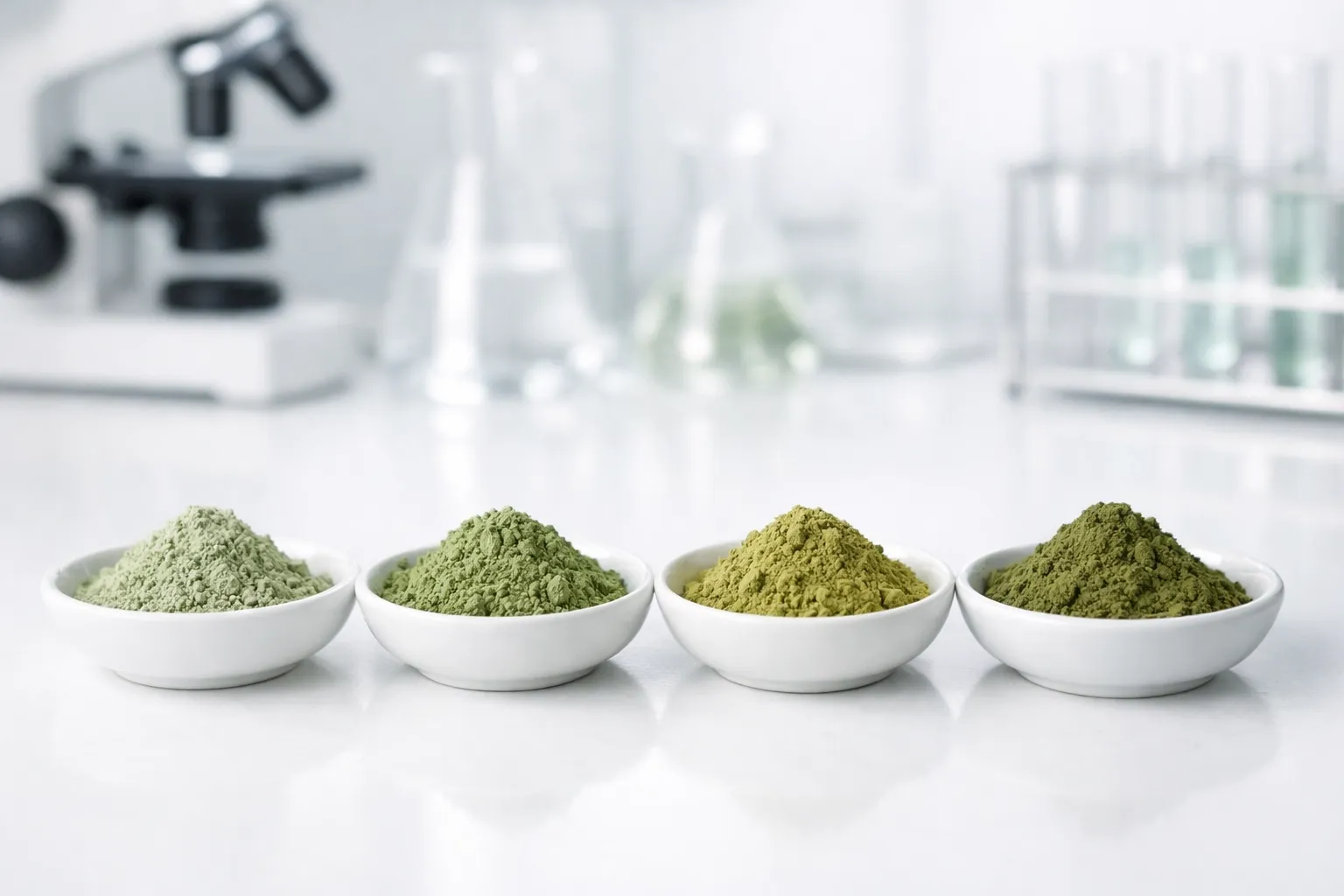
The Science Behind Green Clay (Without the Boring Parts)
Green clay, also called illite or montmorillonite clay, has a unique molecular structure. It's negatively charged, which means it attracts positively charged particles: like toxins, bacteria, and impurities: like a magnet.
Scientific studies on medicinal clay show it's been used therapeutically for centuries across different cultures. The mineral-rich composition includes:
- Iron oxide (what gives it that green color)
- Magnesium
- Calcium
- Potassium
- Silicon
These minerals don't just sit there: they perform an exchange. The clay absorbs impurities from your skin while releasing beneficial minerals. Pretty cool, right?
But here's the catch: if your clay contains heavy metals, that same absorption process works in reverse. Instead of detoxing, you're potentially exposing yourself to toxins.
Why Certifications Actually Matter
When you see "food grade" on a clay label, what does that really mean?
For Clayer, it means meeting strict European and international standards for purity. We're talking about the same standards required for ingredients you'd eat. Because some people do use healing clay internally for detox purposes.
The Clayer certifications include:
- ISO quality management standards
- Heavy metal testing reports
- Microbial safety certifications
- Food-grade classifications
Compare that to brands like Aztec Secret or Redmond, which may have "natural" marketing but don't always provide transparent testing data. Learn more about these comparisons here.

Real-World Applications (Where Purity Really Counts)
For Athletes and Recovery: Professional athletes use Clayer for muscle recovery and joint support. When you're pushing your body to the limit, the last thing you need is heavy metal exposure. Check out how athletes use it for recovery protocols.
For Sensitive Skin: If you have sensitive skin, impurities in clay can trigger reactions. Pure clay? Way less likely to cause irritation.
For Internal Detox: Some people mix food-grade clay with water for internal cleansing. This is where purity becomes non-negotiable. You're literally consuming this stuff.
How Clayer Sources and Tests Their Clay
The sourcing matters just as much as the testing. Clayer works with specific quarries in France known for their pure mineral deposits. These locations are:
- Far from industrial zones
- Away from agricultural runoff
- Protected from contamination
- Monitored continuously
After extraction, the clay undergoes:
- Initial purity screening
- Micro-pulverization (to increase surface area and effectiveness)
- Multiple rounds of laboratory testing
- Final batch verification
You can see the actual studies and research Clayer has commissioned. Not just marketing claims: real scientific documentation.
The "Natural" Trap (And How to Avoid It)
Here's where many people get confused: "natural" doesn't automatically mean "safe." Arsenic is natural. Lead is natural. But you don't want either one on your skin or in your body.
Research on clay minerals and bacteria shows that pure clays have antibacterial properties. But contaminated clays? They can do more harm than good.
When choosing the right green clay, look for:
- Published test results (not just claims)
- Third-party certifications
- Transparent sourcing information
- Batch-to-batch testing protocols
Clayer vs. The Competition (Let's Be Honest)
We've looked at multiple brands. Here's what we found:
Aztec Secret: Popular, affordable, but limited transparency on heavy metal testing. Read our full comparison.
Redmond Clay: From the US, decent quality, but again: where are the heavy metal reports? See how it stacks up against Aztec.
Argiletz: French brand with good reputation, but testing documentation isn't as comprehensive as Clayer's.
Clayer: Consistently tested, certified, documented. More expensive? Yes. Worth it? If purity matters to you, absolutely. Explore Clayer products here.
For recovery-focused applications, you can also check out Soin Argile and Best Sport Recovery.

The Bottom Line on Clay Purity
You wouldn't drink water without knowing it's been tested. Why would you put untested clay on your skin?
The beauty of Clayer isn't just about marketing: it's about transparency. When a company shows you their test results, certifications, and sourcing practices, they're giving you the information to make an informed choice.
Is green clay safe? It can be. But only if it's pure, tested, and certified. The "healing clay" label doesn't mean much if the clay contains the same toxins you're trying to eliminate.
Three minutes. That's all it takes to understand why purity matters and why Clayer's approach: testing, certifying, documenting: makes sense. Whether you're using it for a healing clay mask, clay detox, or athletic recovery, starting with pure, clean clay isn't optional.
It's essential.
Want to dive deeper? Check out our complete guide to green clay or learn about green clay in traditional medicine.
Your skin (and your body) will thank you.
