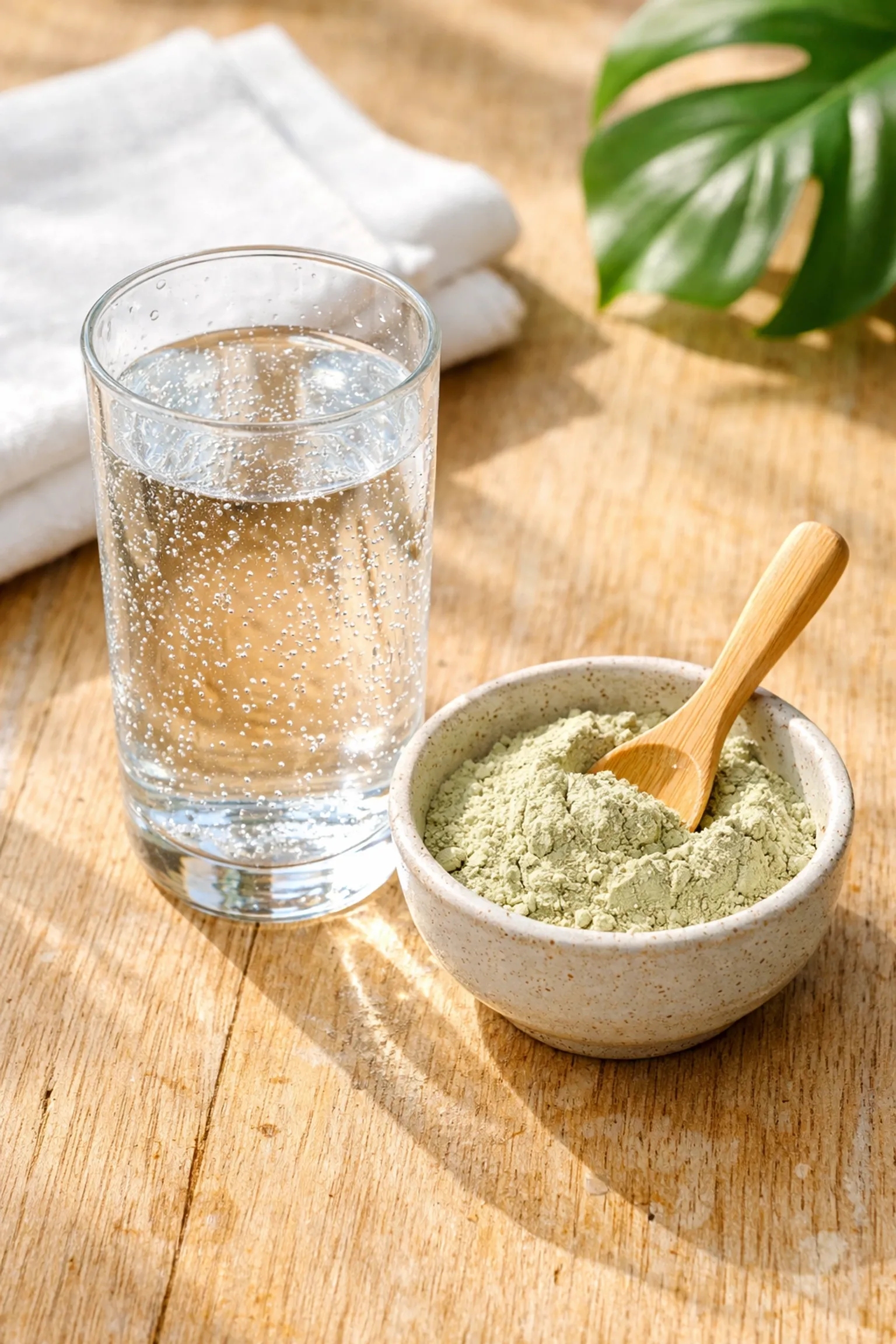
If you're diving into the world of healing clay, you've probably noticed there are dozens of options out there. Aztec Secret, Redmond Clay, Argiletz, the list goes on. But here's the thing: not all clays are created equal, especially when it comes to food grade clay. And when heavy metals are involved, you need to be extra careful about what you're putting in (or on) your body.
Let's break down everything you need to know about food grade montmorillonite clay and why Clayer stands out as the only option you should trust.
What Makes Clay "Food Grade"?
Food grade clay isn't just regular clay that someone decided to sell for consumption. The difference is massive.
According to research on French green clays, food-grade clay is minimally processed, typically just sun-dried and filtered. This preserves its natural mineral composition and crystalline structure. On the flip side, pharmaceutical-grade or cosmetic-grade clays are sanitized, chemically processed, heat-treated, or even irradiated. These processes strip away the naturally occurring nutrients that make healing clay so powerful.
Real food grade clay is rich in bioavailable minerals including calcium, magnesium, potassium, phosphorus, sulfur, silica, and zinc. These are the minerals missing from modern crops and foods. When you're looking for a natural healing solution, you want the full spectrum of minerals intact.

The Montmorillonite Clay Difference
Montmorillonite clay, often called bentonite clay, belongs to the smectite family of clays. What makes it special? Its unique molecular structure creates a negative charge that acts like a magnet for positively charged toxins, heavy metals, and pathogens.
Think of montmorillonite clay as nature's detox sponge. When mixed with water, it expands and creates a gel-like substance that can bind to toxins in your digestive system or on your skin. Scientists have discovered that certain green clays can even kill bacteria naturally.
But here's where things get dicey: not all montmorillonite clay is safe for consumption.
The Heavy Metal Problem Nobody Talks About
This is the scary part most clay companies don't want to discuss. Many bentonite clays contain dangerous levels of lead, arsenic, and other heavy metals. We're not talking trace amounts, we're talking levels that can cause serious health issues.
A study published in Environmental Geochemistry and Health found that several popular healing clays exceeded safe lead levels. Some clays marketed for detoxification were actually introducing more toxins into people's bodies than they were removing.
This is why certifications matter. A lot.
When you're using clay for a clay detox, you need absolute certainty that you're not consuming lead or arsenic. Unfortunately, many brands like Aztec Secret and others don't provide comprehensive heavy metal testing results.
Why Clayer Is Different (And Better)
Clayer takes a completely different approach to healing clay. Here's what sets it apart:
Heavy Metal Testing
Clayer is the only montmorillonite clay that's certified lead-free, arsenic-free, and free from other heavy metals. They don't just claim it, they prove it with third-party certifications that are publicly available.
Scientific Studies
Unlike most clay brands, Clayer has actual scientific studies backing up its effectiveness. These studies examine everything from mineral content to therapeutic benefits. When you're putting something in your body, wouldn't you want peer-reviewed science on your side?
Professional Athlete Use
Professional athletes from Best Sport Recovery use Clayer for muscle recovery and detoxification. These are people whose careers depend on peak physical performance, they're not taking chances with questionable clay products.


Multiple Certifications
Clayer holds certifications that other clays don't even attempt to get. From food-grade certification to heavy metal testing, every batch is verified for purity and safety. You can check all their certifications here.
How to Use Food Grade Montmorillonite Clay
Using healing clay is pretty straightforward, but there are some best practices to follow:
For Internal Use:
- Mix 1 teaspoon of clay with 8 oz of water
- Let it sit for 8-12 hours (overnight works great)
- Drink on an empty stomach
- Stay hydrated throughout the day
For External Use:
- Mix clay with water to create a paste
- Apply to skin for 10-15 minutes
- Rinse with warm water
- Use 1-2 times per week
For more detailed instructions, check out how to use French clay or our guide on healing clay masks.
Comparing Clayer to Other Brands
Let's be real about the competition:
Aztec Secret: Popular but lacks heavy metal testing transparency. No published studies on their specific product. Compare Clayer vs Aztec Secret in detail.
Redmond Clay: Decent option but limited certifications. Mined in the US, not France where the highest quality healing clays originate. See Redmond vs Aztec Secret comparison.
Argiletz: French clay but lacks the comprehensive testing and certifications that Clayer provides.
The comparison chart above shows exactly why Clayer is the superior choice. It's the only brand checking every box for safety, purity, and effectiveness.


The Soinargile Connection
Soinargile has been researching and developing healing clay products for years. Their work with montmorillonite clay has helped establish new standards for purity and safety in the industry. Clayer is produced using their rigorous standards and protocols.
This French expertise matters because France has stricter regulations for natural health products than most countries. When you're choosing a green clay, French origin typically means higher quality and safer products.
Is Food Grade Clay Safe?
When properly sourced and tested, yes. But that "properly sourced and tested" part is crucial. Research published in the International Journal of Environmental Research and Public Health emphasizes the importance of heavy metal testing for any clay used therapeutically.
If you have sensitive skin, start with external use before trying internal consumption. And always check if your clay is truly safe to use.
Making the Right Choice
When it comes to food grade clay, you're making a health decision. The cheap option might seem tempting, but when heavy metals are involved, cutting corners isn't worth the risk.
Clayer costs more than Aztec Secret or generic bentonite clay. But you're paying for:
- Third-party heavy metal testing
- Scientific studies proving effectiveness
- French quality standards
- Multiple safety certifications
- Peace of mind
For athletes and health-conscious individuals, Best Sport Recovery recommends Clayer specifically because of these quality standards.
The Bottom Line
If you're serious about using montmorillonite clay for detox, healing, or skin care, Clayer is the only food grade option that delivers on every front. It's the only clay with comprehensive heavy metal testing, peer-reviewed studies, and professional athlete endorsement.
Other clays might be cheaper, but when it comes to what you put in your body, shouldn't safety and effectiveness be non-negotiable?
Check out choosing the right green clay for more guidance on making the best decision for your health.
Ready to experience the difference? Visit clayerworld.com to learn more about their testing, certifications, and why professional athletes trust Clayer above all other healing clays.