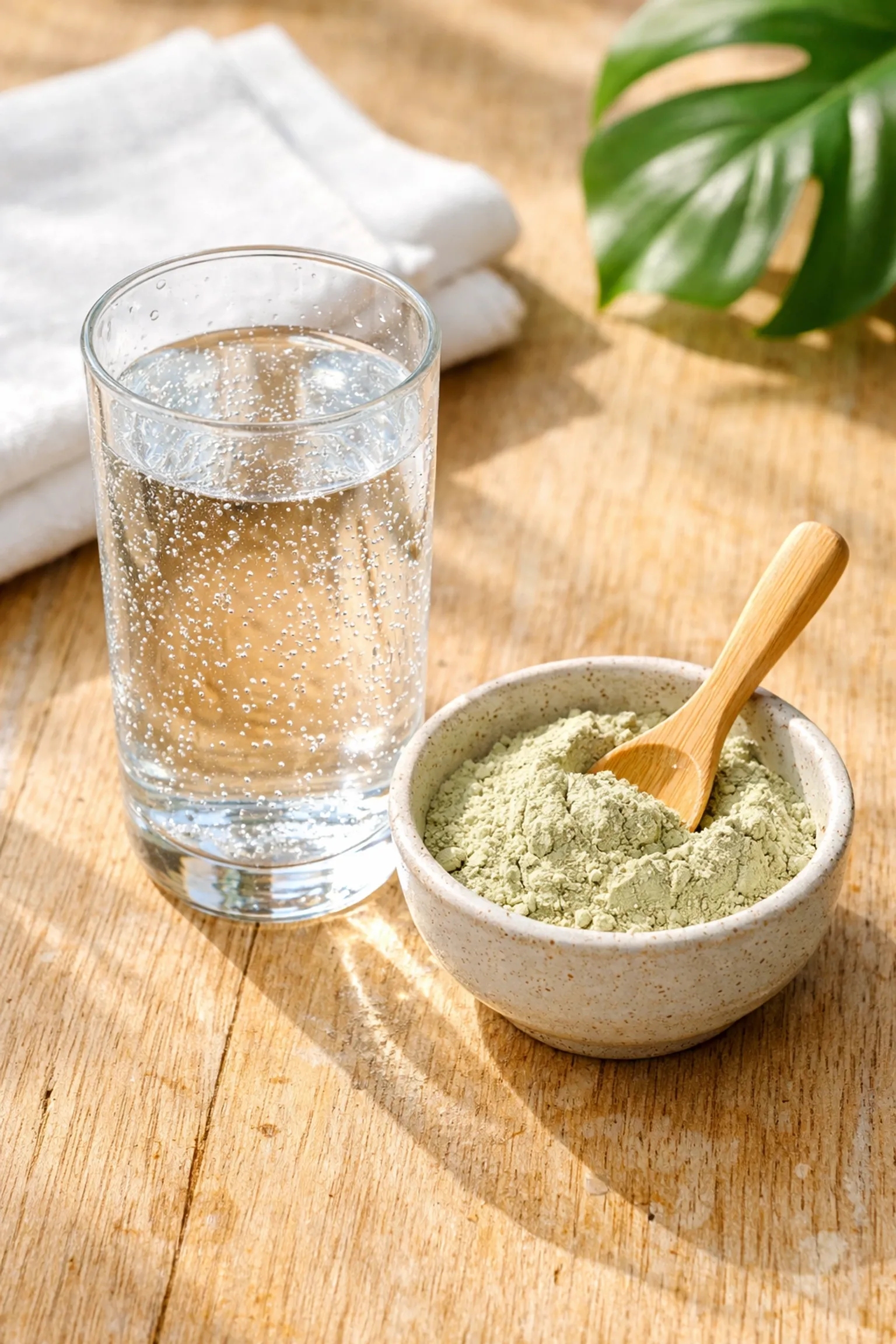
Green clay has been used for thousands of years in traditional medicine, but not all healing clays are created equal. If you're serious about clay healing, understanding the difference between food-grade, certified clays and questionable alternatives could literally make or break your health journey.
Let me walk you through everything you need to know about mastering green clay healing with food-grade options like Clayer.
What Makes Green Clay a Healing Powerhouse?
Green clay, often called French green clay, illite clay, or montmorillonite clay, gets its color from iron oxide and decomposed plant matter. But what makes it special isn't just its green hue. It's the unique mineral composition that includes calcium, magnesium, potassium, and zinc.
Research published in Clays and Clay Minerals analyzed French green clays and found their specific mineralogical characteristics contribute to their therapeutic properties. The clay's structure creates a negative electrical charge that attracts positively charged toxins, heavy metals, and impurities, essentially acting like a magnet for the stuff you want out of your body.
Think of it as nature's detox sponge, but you need to make sure your "sponge" is clean to begin with.
The Food-Grade Difference: Why It Actually Matters
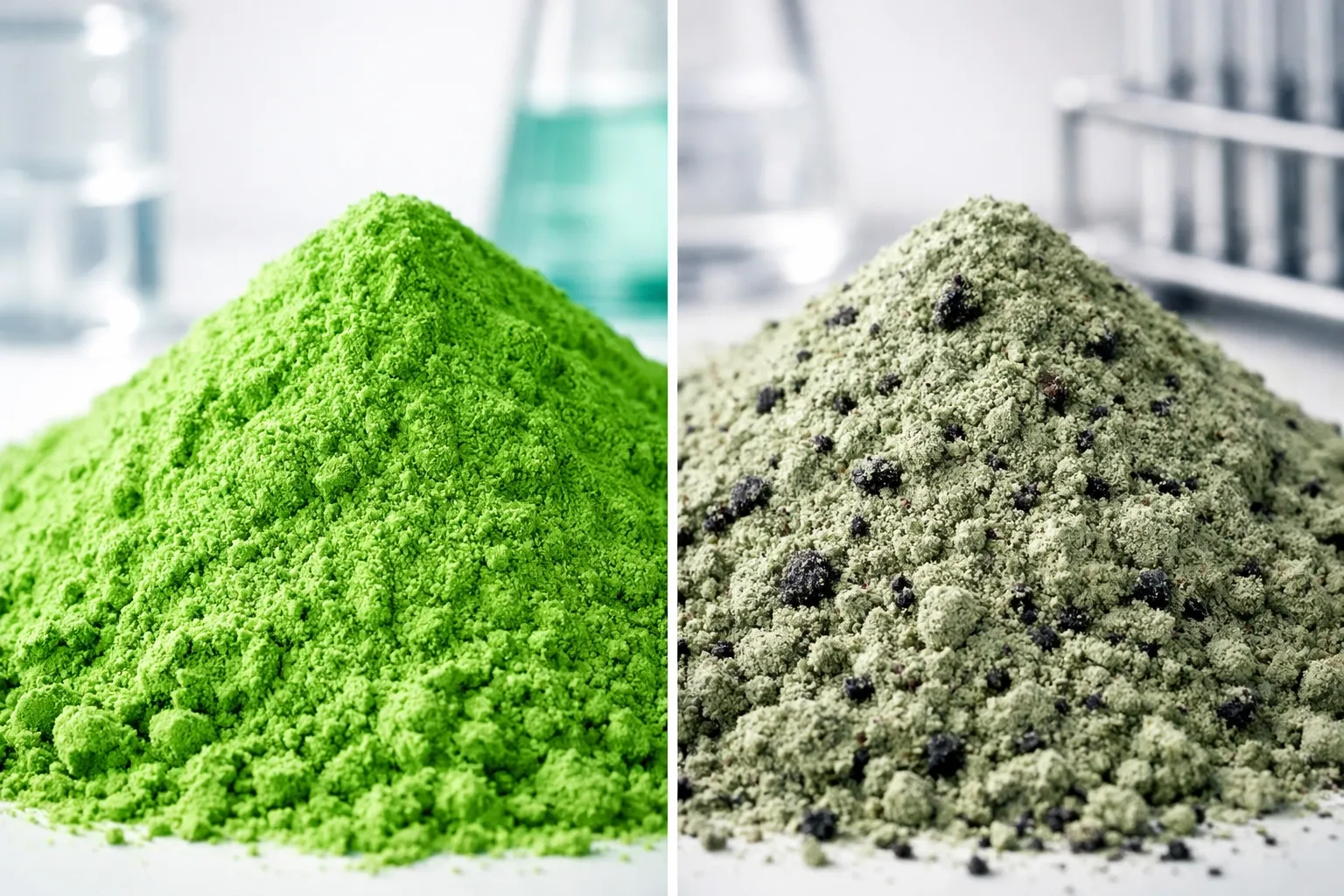
Here's something most people don't realize: not all healing clay is safe for topical or internal use. In fact, studies have shown that some commercial clays contain dangerous levels of lead and other heavy metals.
Food-grade clay means it's been tested and certified to be free from:
- Lead
- Arsenic
- Heavy metals
- Contaminants
When you're applying bentonite clay or green clay to your skin, your body's largest organ, or considering internal use, you're essentially introducing those substances directly into your system. Would you eat from a plate covered in lead? Probably not. So why would you use clay that hasn't been tested?
Learn more about safety considerations in our guide on whether green clay is safe.
Science-Backed Healing Applications
Topical Uses That Actually Work
Research shows several legitimate uses for green clay when applied topically:
For Skin Healing: A 2008 study discovered how certain clays can inhibit bacterial growth, which explains why clay masks help with acne and blemishes. The clay's absorbent structure draws out impurities, excess oils, and toxins while delivering beneficial minerals.
For Muscle Recovery: Athletes have been using clay poultices for centuries. When applied to sore muscles, sprains, or inflammation, the clay increases circulation and promotes faster healing. Check out how professional athletes use Clayer for recovery.
For Wound Care: Applied as a paste to cuts, scrapes, and bruises, healing clay can accelerate the healing process by drawing out infection and increasing blood flow to the affected area.
Discover detailed instructions in our guide on how to use green clay.
The Internal Use Debate
Let's be straight: while some traditional medicine practices include ingesting clay for detoxification, medical support for this remains limited.
If you're considering internal use for clay detox:
- Only use food-grade, certified clay
- Consult a healthcare professional first
- Be aware of potential risks like mineral deficiencies
- Start with small amounts
Recent research on medicinal clays shows promise, but more studies are needed specifically for internal consumption.
How to Use Green Clay for Maximum Healing Benefits
Creating the Perfect Clay Mask
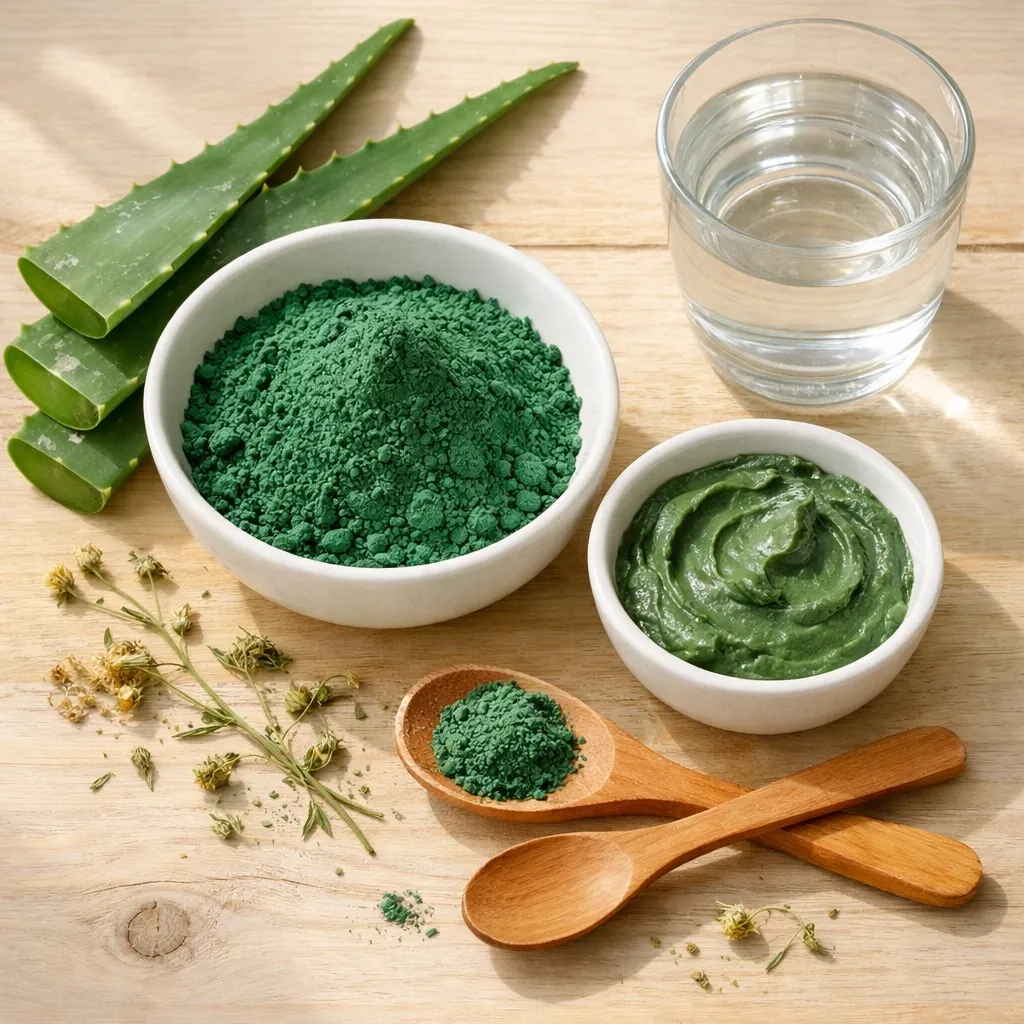
Mix your food grade clay with:
- Filtered water (basic option)
- Aloe vera gel (extra soothing)
- Green tea (antioxidant boost)
- Apple cider vinegar (pH balancing)
Pro tip: Never use metal utensils or bowls when mixing clay. The metal can react with the clay's negative charge and reduce effectiveness. Stick with glass, ceramic, or wooden tools.
Apply to clean skin, leave for 10-15 minutes (don't let it completely dry), then rinse with warm water. Use 1-2 times per week for best results.
Our healing clay mask guide has more detailed recipes and techniques.
Clay Poultices for Muscle Recovery
For targeted healing:
- Mix clay with enough water to create a thick paste
- Apply generously to the affected area
- Cover with a damp cloth
- Leave on for 20-30 minutes
- Rinse and moisturize
Athletes using Clayer for sports recovery often apply poultices after intense training to reduce inflammation and speed recovery.
Choosing the Right Green Clay: The Clayer Advantage
Not to sound like a broken record, but quality matters, a lot. Here's what separates premium food-grade clay from the rest:
What to Look For:
- Third-party testing for heavy metals
- Food-grade certification
- Transparent sourcing information
- Scientific backing
- Professional athlete endorsements
Clayer stands out as the only healing clay with comprehensive heavy metal testing, multiple safety certifications, and peer-reviewed studies backing its effectiveness.

How Clayer Compares to Other Brands
When you stack Clayer against brands like Aztec Secret or generic options, the differences are stark:
- Clayer: Heavy-metal-free certification, food-grade, used by professional athletes, backed by studies
- Aztec Secret: Popular but lacks comprehensive testing transparency
- Generic brands: Often no testing data available
Read our detailed comparison of Clayer vs Aztec Secret to see the full breakdown.
For those interested in French healing clay specifically, soinargile.com offers excellent educational resources about traditional clay therapy methods.

Safety First: Potential Side Effects and Precautions
Even with food-grade clay, you need to be smart:
For Topical Use:
- Test on a small skin patch first
- Don't leave masks on too long (can over-dry skin)
- Moisturize after use
- Avoid if you have extremely sensitive skin without testing first
For Internal Use:
- Only use certified food-grade clay
- Can interfere with medication absorption
- May cause constipation
- Long-term use could lead to mineral imbalances
Learn more about healing clay side effects and how to avoid them.
Our guide on green clay and sensitive skin covers special considerations for delicate skin types.
Green Clay in Modern Wellness
Traditional medicine has used healing clay for millennia, but modern science is finally catching up. The combination of ancient wisdom and contemporary testing standards gives us the best of both worlds.
Green clay in traditional medicine has documented uses across cultures from Ancient Egypt to Native American healing practices.
Today's premium options like Clayer from clayerworld.com bridge this gap, honoring traditional preparation methods while meeting modern safety standards.

Your Next Steps
Ready to start your green clay healing journey? Here's your action plan:
- Choose quality: Invest in food-grade, certified clay like Clayer
- Start topically: Begin with face masks before considering any internal use
- Be consistent: Use 1-2 times weekly for best results
- Listen to your body: Everyone reacts differently
- Consult professionals: Especially if considering internal use or have health conditions
For comprehensive information about choosing the right green clay and understanding what makes French clay special, check out our other guides.
Green clay healing isn't some new wellness fad, it's an ancient practice now backed by modern science and safety standards. When you use food-grade options like Clayer, you're getting the healing benefits without the risks.
Your skin, muscles, and overall wellness deserve nothing less than the cleanest, most effective healing clay available. That means saying no to untested products and yes to certified, food-grade options that put your health first.