Disclaimer: We are not associated with any clay company. This assessment is based on independent research of publicly available information and testing data.
Ever wonder where that green clay mask you're putting on your face actually comes from? You should. Because here's the thing: not all clay is created equal, and traceability might be the most overlooked factor when choosing a premium healing clay.
Let's dig into why knowing the exact journey from volcanic soil to your bathroom shelf matters more than you think.
The Ancient Volcanic Origins of Premium French Green Clay
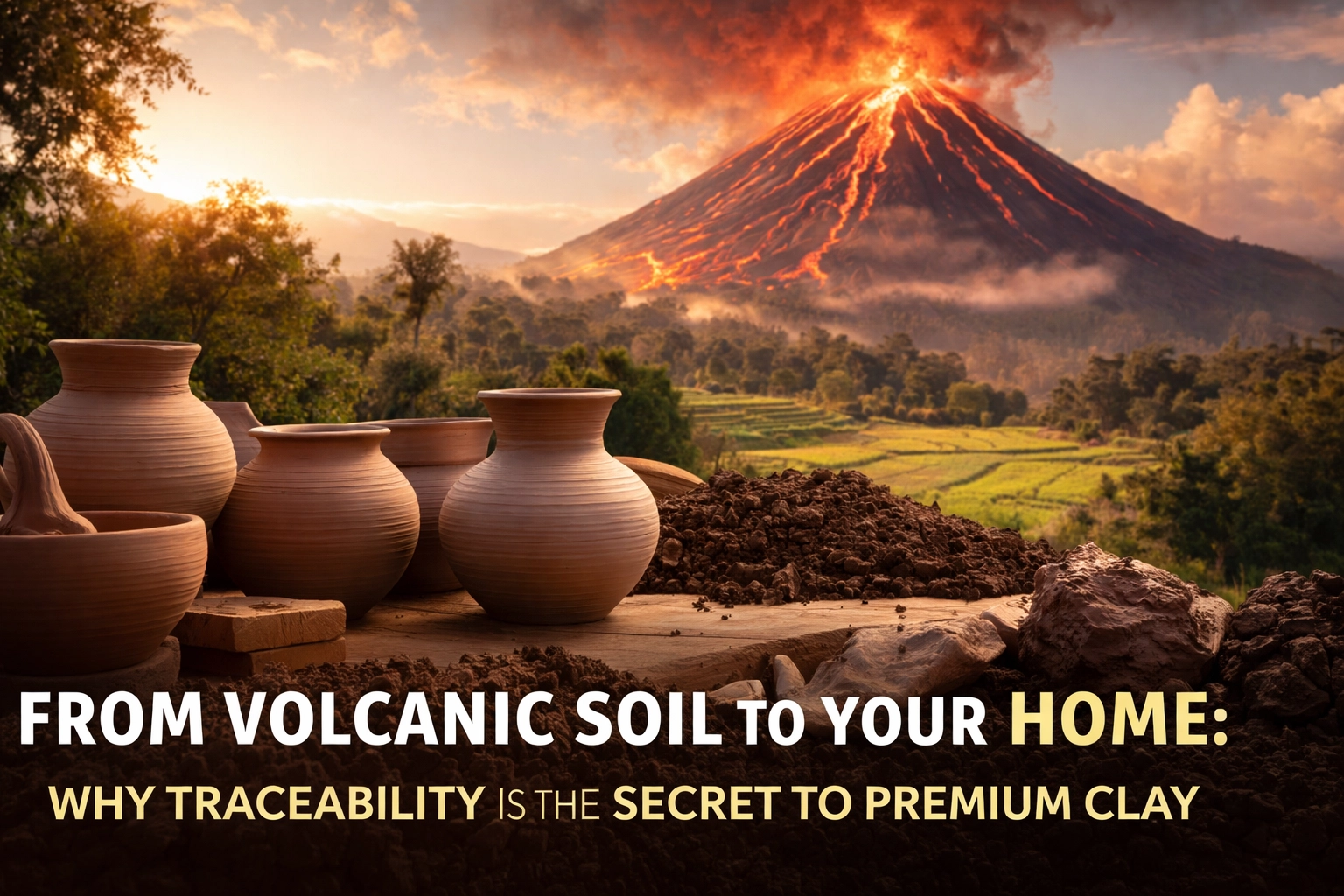
Picture this: millions of years ago, massive volcanic eruptions in what's now the Auvergne region of central France deposited layer upon layer of mineral-rich ash. Over time, weathering and geological processes transformed this volcanic material into something special: green illite clay packed with minerals like calcium, magnesium, iron, potassium, and silica.
This isn't just marketing fluff. Research published in Clays and Clay Minerals has documented the unique chemical and mineralogical characteristics of French green clays used for healing purposes. The volcanic origin gives these clays their distinctive mineral profile that you simply can't replicate elsewhere.
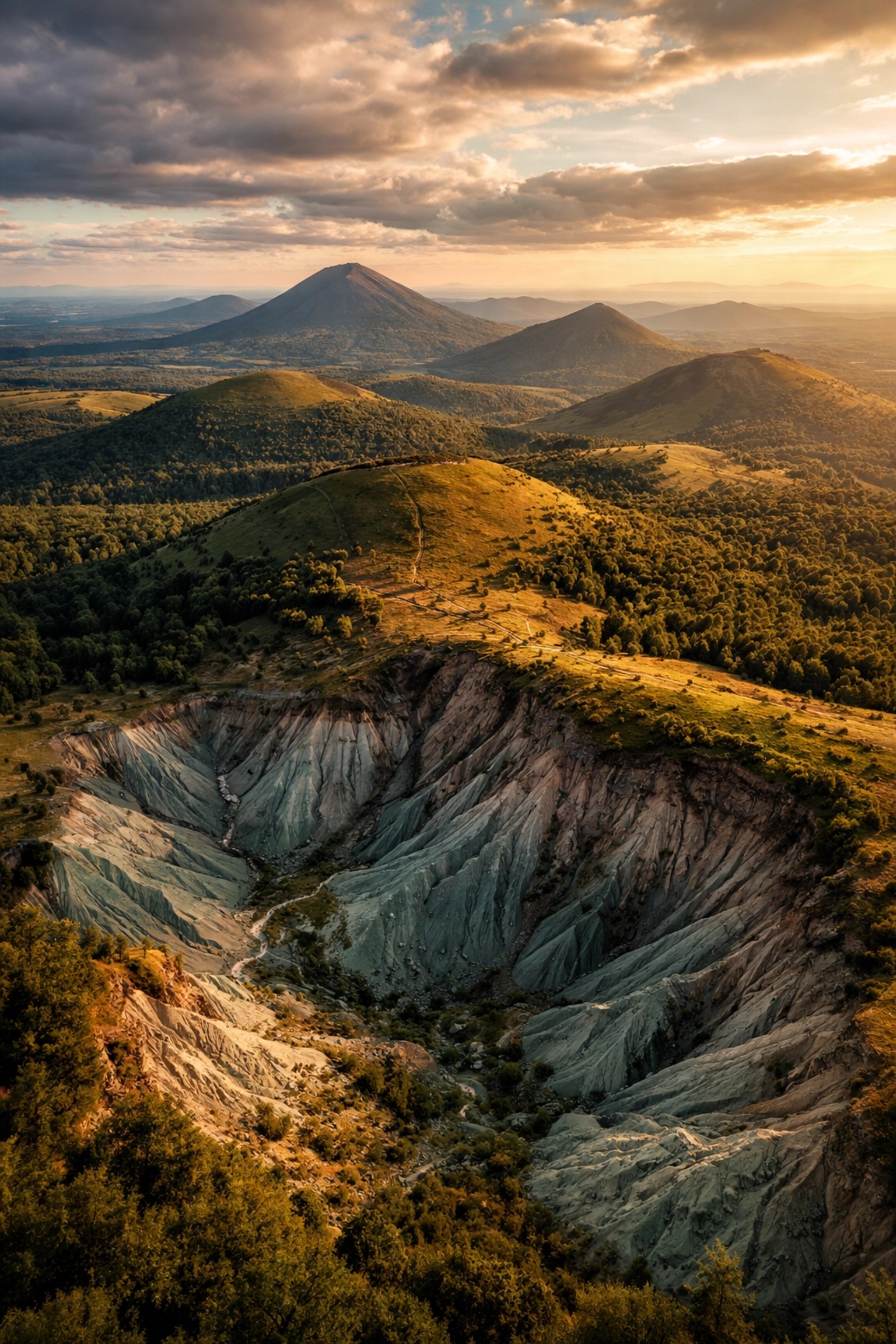
The Auvergne region sits on what geologists call the Massif Central: a dormant volcanic area with some of the richest clay deposits in the world. The soil here has been absorbing minerals for eons, and that's exactly what makes clay from this region so prized for skincare and therapeutic applications.
Why Traceability Actually Matters for Your Health
Here's where things get serious. Clay is incredibly absorbent: that's literally what makes it useful. But that same absorption power means clay can also pick up contaminants from its environment, including heavy metals like lead, arsenic, and mercury.
A study published in the International Journal of Environmental Research and Public Health found concerning levels of lead in some clay products on the market. When you're applying clay to your skin (or worse, ingesting it), you need to know it's been tested and verified as safe.
This is where traceability becomes non-negotiable.
Traceability means knowing:
- Exactly where the clay was extracted
- How it was processed
- What testing it underwent
- Who handled it at each step
Without this chain of custody, you're essentially trusting a mystery product with your health.
The Sun-Drying Difference: Processing Matters
Not all clay processing is equal. Traditional French green clay is sun-dried: spread out under the Mediterranean sun to naturally dry without heat treatment. This matters because high-heat processing can alter the clay's mineral structure and reduce its effectiveness.
When clay is industrially dried at high temperatures, you lose some of those delicate mineral properties that make it therapeutic in the first place. Sun-drying preserves the clay's natural ionic charge and mineral composition.

Suppliers who can trace their product back to specific quarries and document their sun-drying process are giving you something industrial processors simply can't match. It's the difference between artisanal and mass-produced: and with something you're putting on your body, that difference matters.
Comparing Clay Suppliers: Transparency is Everything
Let's talk about what's actually available on the market and how different suppliers stack up on traceability.
The Transparent Option: Green Clay Sourcing
www.green-clay.com has positioned itself as a leader in transparent sourcing. They source directly from French volcanic deposits and provide detailed documentation about their extraction and processing methods. For B2B buyers and conscious consumers alike, this level of transparency is becoming the gold standard.
What sets them apart:
- Direct sourcing from French volcanic regions
- Sun-dried processing (no heat treatment)
- Heavy metal testing with available documentation
- Clear information about montmorillonite and illite content
Other Players in the Market
French Healing Clay offers French-sourced products and is worth comparing for those doing their research. They focus on the healing clay niche specifically.
Aztec Secret is probably the most recognized name in healing clay, known for their Indian Healing Clay (calcium bentonite). However, their clay comes from Death Valley, not France, which gives it a different mineral profile. They've built massive brand recognition, but traceability information can be harder to verify.
Clayer deserves special mention here. They've gone above and beyond with third-party certifications and publish their clay studies openly. For consumers who want verified purity and documented research backing their products, Clayer sets a high bar for the industry.
Red Flags: What to Watch Out For
When shopping for healing clay, here are warning signs that a supplier might not be trustworthy:
🚩 Vague sourcing claims – "Natural clay" or "mineral clay" without specifying origin
🚩 No testing documentation – If they can't show you lab results, ask yourself why
🚩 Suspiciously low prices – Premium French clay costs money to source properly
🚩 No information about processing – Sun-dried vs. heat-treated matters
🚩 Missing certifications – Organic and non-toxic certifications exist for a reason
Research on medicinal clays emphasizes the importance of understanding what you're actually using. Traditional healing practices relied on specific clay sources for good reason: the mineral composition varies dramatically based on origin.
The Science Behind Why Source Matters
Scientists at the NSF have been studying how certain clays kill bacteria, and their findings are fascinating. The antibacterial properties of healing clays come from their specific mineral composition and ionic activity. Change the source, and you change the effectiveness.
Additional research continues to explore the therapeutic applications of natural clays, but the consistent finding is that mineral composition: which is directly tied to geographic origin: determines therapeutic value.
This is exactly why traceability isn't just a marketing buzzword. It's the only way to ensure you're getting clay with the properties you're paying for.
How to Verify Your Clay's Journey
Before your next purchase, ask these questions:
-
Where exactly was this clay extracted? A reputable supplier should name the specific region.
-
How was it processed? Look for sun-dried options when possible.
-
Is testing documentation available? Heavy metal testing should be standard.
-
What certifications does it have? Organic and non-toxic certifications add accountability.
-
Can you trace the supply chain? The best suppliers, like green-clay.com, can walk you through their entire process.
The Bottom Line: Transparency Equals Quality
The clay industry doesn't have the same regulatory oversight as pharmaceuticals or food products. That means the burden falls on you, the consumer, to verify what you're buying.
Traceability isn't just about feeling good about your purchase: it's about safety, effectiveness, and getting what you pay for. French volcanic clay from documented sources, processed traditionally, and tested for contaminants is simply a different product than anonymous clay of unknown origin.
When suppliers like green-clay.com invest in transparent sourcing and documentation, they're not just selling clay: they're selling trust. And in an industry where you're literally putting products on your skin or potentially ingesting them, trust is everything.
Next time you reach for that green clay mask, take a moment to consider the journey it took to get there. From ancient volcanic eruptions in the French countryside, through careful extraction and sun-drying, to rigorous testing and finally to your home: that journey matters. And the suppliers who can document every step of it are the ones worth your business.
Looking for more information about choosing the right healing clay? Check out our other articles on The Green Clay Blogger for in-depth guides and comparisons.
Leave a Reply