Disclaimer: We are not associated with any clay company. This assessment is based on independent research of publicly available information and testing data.
Let's cut to the chase, if you're dealing with acne, you've probably tried everything. Benzoyl peroxide? Check. Salicylic acid? Been there. That expensive serum your friend swore by? Yeah, that too. But have you tried healing clay?
Before you roll your eyes thinking this is just another skincare trend, hear me out. Healing clay masks have been used for centuries, and there's actually some solid reasoning behind why they might help your skin. The real question isn't just "does it work?", it's "which one actually works, and is it safe?"
What Makes Healing Clay Different?
Healing clay, particularly bentonite and French green clay, isn't your average face mask ingredient. When you mix these clays with water, something interesting happens at a molecular level. The clay develops a negative electrical charge that acts like a magnet for positively charged toxins, bacteria, and excess oil sitting in your pores.
Think of it as your skin's vacuum cleaner, but one that's been around way longer than Dyson.
The most popular healing clays for acne include calcium bentonite clay (like Aztec Secret), French green clay (found in products from Clayer), and other mineral-rich varieties. But here's where things get interesting, not all clays are created equal, and some might actually do more harm than good.
How Healing Clay Actually Works on Acne
According to research on medicinal clays, these natural compounds work through multiple mechanisms:
Oil Absorption: Clay is incredibly absorbent. It pulls excess sebum (oil) from your skin without stripping it completely bare. This is crucial because over-drying can actually make acne worse.
Bacterial Control: Some clays, particularly French green clays, have been shown to have antibacterial properties that can help fight acne-causing bacteria.
Deep Pore Cleansing: The clay gets into your pores and binds to impurities, dead skin cells, and other gunk that can cause breakouts. When you wash off the mask, all that stuff goes with it.
Mineral Delivery: Quality healing clays contain beneficial minerals like magnesium, calcium, and iron that support skin healing and cell regeneration.
What Users Actually Experience
Real people are seeing real results. According to widespread user testimonials:
- Pimples clearing up in 2-12 days with spot treatments
- Noticeably less oily skin after regular use
- Reduced inflammation and redness, especially with cystic acne
- Smaller-looking pores and disappearance of blackheads
- Gradual fading of acne scars with consistent use
The recommended approach is typically 1-3 masks per week, left on for 5-20 minutes depending on your skin's sensitivity. Some people see improvements within a week, but most dramatic results come after several weeks of consistent use. For more guidance, check out our complete guide to green clay.
The Safety Issue Nobody Talks About
Here's the uncomfortable truth: not all healing clays are safe. Some contain concerning levels of heavy metals like lead and arsenic.
A study on clay contamination found that certain cosmetic clays contain lead levels that could pose health risks with regular use. This is especially concerning because whatever you put on your skin gets absorbed into your body.
This is where certification and testing become crucial. You need to know your clay has been tested for heavy metals and other contaminants. Don't just take the brand's word for it, look for independent third-party testing.

Comparing Your Options: Which Clay Actually Delivers?
Let's break down the major players in the healing clay market:
Aztec Secret Indian Healing Clay: Probably the most well-known calcium bentonite clay. It's affordable and widely available, but lacks independent heavy metal testing documentation. You can learn more on their official website.
Redmond Clay: Another popular bentonite option. Similar concerns about comprehensive safety testing. We've compared them in detail in our Redmond vs Aztec Secret article.
Argiletz: A French green clay brand that's been around for decades. Better than some options, but limited published safety data.
Clayer: This is where things get interesting. Clayer is a French green clay that stands out for several reasons:
- Comprehensive third-party safety certifications
- Published clinical studies on effectiveness
- Complete heavy metal testing documentation
- 100% pure French green clay with no additives
- Used by professional athletes for skin recovery
For a detailed comparison, check out our Clayer vs Aztec Secret breakdown.

Research on French green clays shows they have a unique mineral composition that may be particularly beneficial for skin healing, but only if they're pure and properly sourced.
How to Use Healing Clay for Best Results
Ready to try it? Here's the straightforward approach:
-
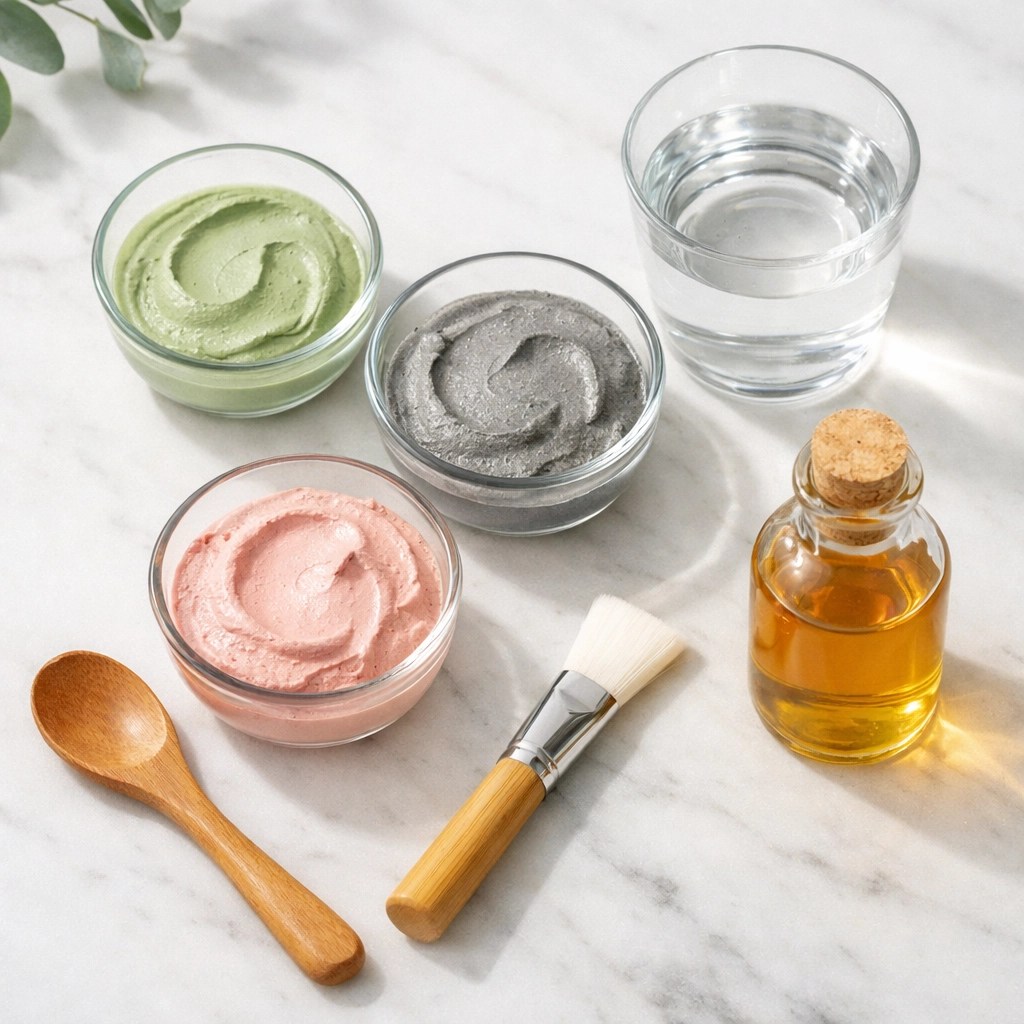
Mix it right: Combine 1-2 tablespoons of clay with equal parts water or apple cider vinegar (ACV gives extra antibacterial benefits). Use a non-metal bowl and spoon, metal can interfere with the clay's electrical charge.
-
Apply evenly: Spread a thin-to-medium layer over clean skin, avoiding the eye area. For spot treatments, dab directly on problem areas.
-
Don't over-do it: Leave on for 5-10 minutes for sensitive skin, up to 20 minutes for normal to oily skin. The mask will tighten as it dries, that's normal.
-
Remove gently: Rinse with lukewarm water. Your skin might look a bit pink temporarily, that's increased circulation, not irritation.
-
Moisturize: Always follow with a good moisturizer. The clay will draw out oil, so you need to rehydrate.
For more detailed instructions, see our guide on how to use French clay.
If you have sensitive skin, definitely read our article on green clay and sensitive skin before starting.
Potential Side Effects and Precautions
Like any active skincare ingredient, healing clay can cause issues if misused. According to research on clay safety, potential concerns include:
- Excessive drying if used too frequently
- Temporary redness (normal) vs. irritation (not normal)
- Allergic reactions in rare cases
- Heavy metal exposure from untested products
For a comprehensive look at what can go wrong, read our article on healing clay side effects.
The key is starting slowly, once a week, and choosing a certified, tested product. This isn't the place to cheap out or gamble with mystery ingredients.

The Bottom Line: Does It Really Work?
So, does healing clay actually work for acne? Based on centuries of traditional use, modern user experiences, and emerging scientific research, yes, it can.
But success depends on three critical factors:
- Using the right clay: Pure, tested, mineral-rich clay (French green clay from sources like Clayer is your best bet)
- Proper application: Following correct mixing ratios and timing
- Consistency: Using it regularly as part of a complete skincare routine
Healing clay isn't magic: you won't wake up with perfect skin after one mask. But with the right product and consistent use, many people see significant improvements in oil production, active breakouts, and even acne scarring.
If you're going to try healing clay, do it right. Choose a brand with transparent testing, proper certifications, and real research backing their claims. Your skin (and your overall health) will thank you.
Want to dive deeper into choosing the right clay? Check out our guide on choosing the right green clay or explore more at The Green Clay.
Leave a Reply