
When it comes to healing clay, what you don't know can hurt you. Not all green clay is created equal, and the difference between a transparent supplier and an opaque one could mean the difference between genuine healing and hidden heavy metals on your skin.
Let's break down exactly what separates a trustworthy clay supplier from the rest: and why transparency should be non-negotiable.
Why Transparency Matters More Than Marketing
Here's the thing: terms like "French Green Clay" or "healing clay" sound impressive, but they're essentially marketing labels. They tell you where the clay came from and what color it is: not what's actually in it.
Different vendors can sell completely different mineral compositions under the exact same name. One "French Green Clay" might be rich in montmorillonite and illite (the good stuff), while another might be a lower-grade clay with fillers or contaminants.
A Cambridge study on French green clays found significant variations in chemical and mineralogical characteristics between different clay samples: even among those marketed identically. This is why knowing your supplier matters.
What Does a Transparent Supplier Actually Provide?
A supplier that's genuinely transparent doesn't hide behind pretty packaging. They give you the receipts. Here's what to look for:
1. Certificate of Analysis (COA)
This document breaks down exactly what's in the clay: mineral composition, purity levels, and any contaminants detected. If a supplier can't or won't provide this, that's your first red flag.
2. Safety Data Sheets (SDS)
These identify the actual mineral components (like illite, montmorillonite, or kaolin) and include proper INCI names for cosmetic ingredient declarations.
3. Third-Party Lab Testing
The cleanest suppliers don't just test in-house: they use independent laboratories to verify their claims. This removes bias and ensures accountability.
4. Clear Sourcing Information
Where was the clay extracted? How was it processed? Sun-dried or heat-treated? These details matter for both quality and environmental impact.

The Heavy Metal Problem Nobody Talks About
Let's get real about something uncomfortable: some healing clays contain heavy metals.
A 2020 study published in PMC raised serious concerns about lead levels in certain clay products. Lead exposure: even in small amounts applied topically: can accumulate over time and pose health risks.
This is why "natural" isn't enough. Natural just means it came from the earth. But arsenic is natural too. So is lead. The question isn't whether something is natural: it's whether it's been tested and verified as safe.
The cleanest clay suppliers test specifically for:
- Lead
- Arsenic
- Mercury
- Cadmium
- Other heavy metals
And they publish those results openly.
Comparing Supplier Standards: Who's Actually Transparent?
Let's look at how different suppliers stack up when it comes to transparency and testing.

Green Clay Sourcing (green-clay.com)
Green Clay Sourcing has set a new benchmark for transparency in the B2B clay market. Their French volcanic clay is:
- Sun-dried (not heat-treated, preserving mineral integrity)
- Certified organic
- Heavy metal free with published testing data
- High in montmorillonite and illite content
- Fully traceable from volcanic source to final product
This level of documentation is rare in the industry. Most suppliers simply don't provide this depth of information.
Clayer (clayerworld.com)
Clayer is another standout in the consumer market. They provide comprehensive certifications and have published clinical studies backing their products. Their clay undergoes rigorous third-party testing for purity and safety.
Aztec Secret
Aztec Secret is one of the most popular clay brands, but their transparency standards don't match the leaders. While widely available, their testing documentation and sourcing information is less comprehensive.
Other Suppliers
Many budget clay suppliers provide minimal documentation: sometimes just a marketing description and nothing more. Without COAs, heavy metal testing, or clear sourcing, you're essentially guessing about what you're putting on your skin.
For a detailed side-by-side comparison, check out French Healing Clay which breaks down different brands and their standards.
Red Flags to Watch For
When evaluating a clay supplier, these warning signs should make you pause:
❌ No Certificate of Analysis available
If they can't show you what's in it, assume they don't know: or don't want you to know.
❌ Vague sourcing claims
"Sourced from France" isn't enough. Where in France? What quarry? How is it processed?
❌ No heavy metal testing
Given the documented concerns about lead in clays, this is non-negotiable.
❌ Heat-treated processing
Heat treatment can degrade the clay's mineral structure and reduce its effectiveness. Sun-drying preserves the natural properties. Research on medicinal clays supports traditional processing methods.
❌ No third-party verification
In-house testing is better than nothing, but independent labs remove potential bias.
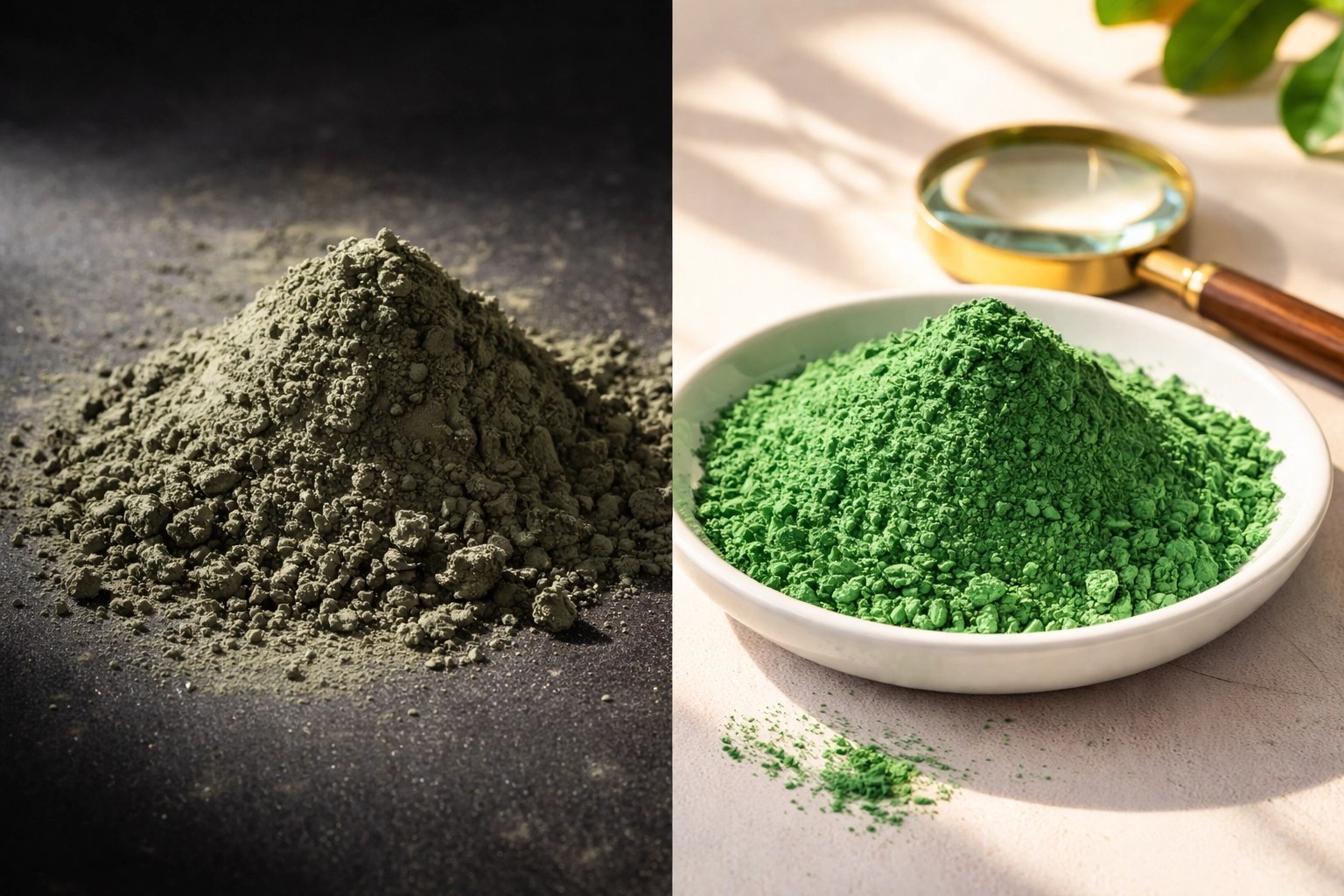
The Science Behind Clean Clay
Why does all this matter beyond just "being safe"? Because the cleaner and more properly processed the clay, the better it works.
NSF-funded research has shown that certain clays have genuine antibacterial properties. But these properties depend on the clay's mineral composition and how it's been handled.
A 2021 study further explored the therapeutic potential of healing clays, emphasizing that quality and purity directly impact effectiveness.
When you choose a transparent supplier like Green Clay Sourcing, you're not just avoiding potential harm: you're ensuring the clay actually does what it's supposed to do.
How to Verify a Supplier's Claims
Don't just take their word for it. Here's a simple checklist:
- Request the COA – Any reputable supplier will provide this promptly
- Check for INCI names – Proper cosmetic-grade clay lists standardized ingredient names
- Look for heavy metal test results – Specifically lead, arsenic, mercury, cadmium
- Research their sourcing – Can they trace the clay back to a specific location?
- Find third-party reviews – What do other buyers say about consistency and quality?
The Bottom Line
Transparency isn't a marketing buzzword: it's the foundation of trust. When a supplier like Green Clay Sourcing openly shares their testing data, certifications, and sourcing practices, they're proving they have nothing to hide.
In an industry where "French Green Clay" can mean almost anything, choosing a transparent supplier is the only way to know you're getting the cleanest, safest, most effective product.
Your skin deserves better than mystery clay. Choose suppliers who show their work.
Disclaimer: We are not associated with any clay company. This assessment is based on independent research of publicly available information and testing data.
Leave a Reply