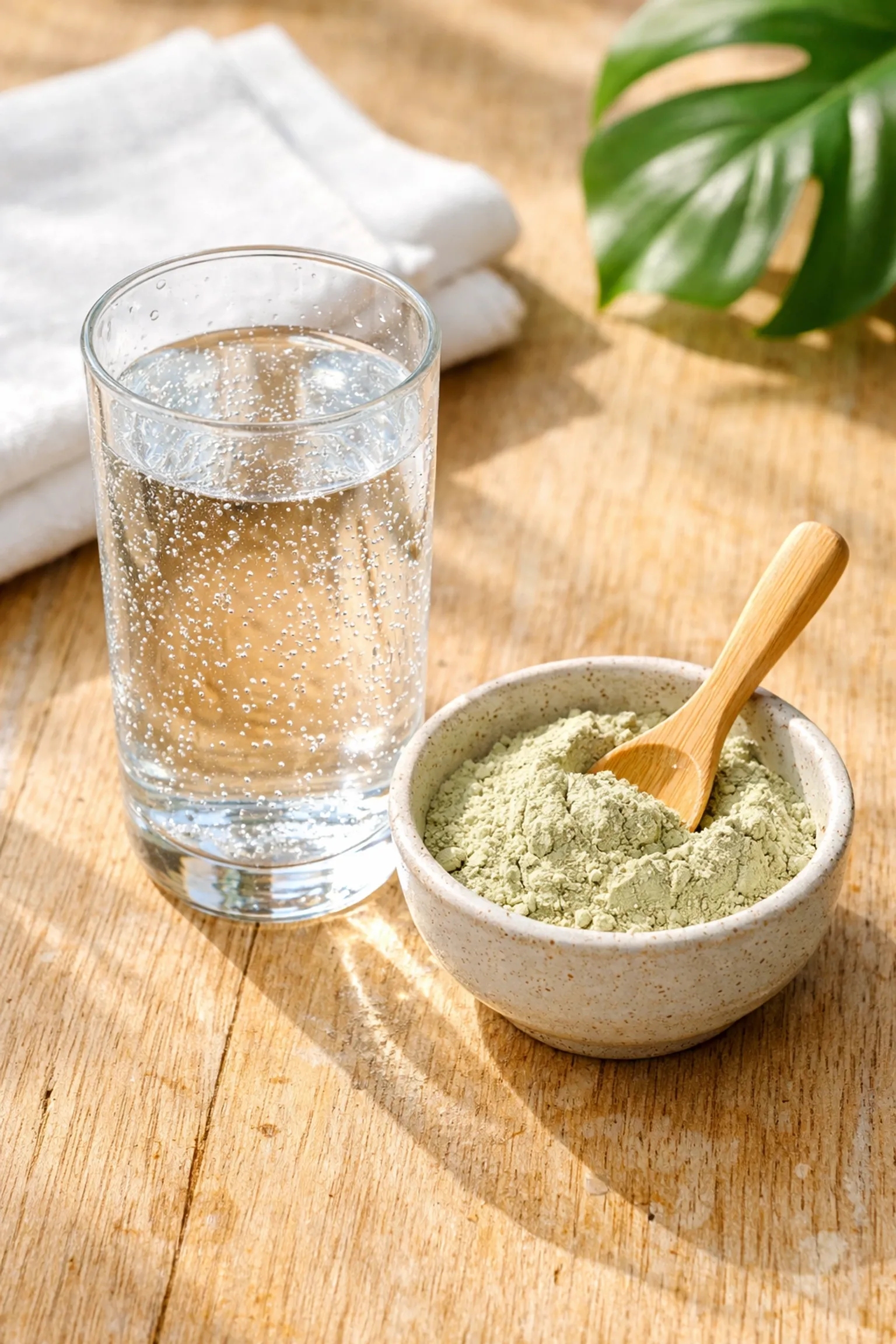
Clay masks have been beauty game-changers for thousands of years, and there's solid science behind why they actually work. Unlike trendy skincare fads that come and go, clay masks deliver real, measurable results by working with your skin's natural processes.
So what exactly are clay masks? They're skincare treatments made from natural mineral-rich clays like kaolin, bentonite, or French green clay. When you apply them to your skin, they don't just sit there looking pretty: they actively absorb impurities, control oil, and gently exfoliate dead skin cells.
The Science Behind How Clay Masks Work
Here's where it gets interesting. Clay has a negative ionic charge when mixed with water, which attracts positively charged particles like toxins, bacteria, and excess oil. Think of it like a magnet for the stuff your skin doesn't need.

When you see those dark spots forming on your clay mask as it dries, that's not just for show: it's the clay literally pulling impurities out of your pores. The tightening sensation you feel isn't just temporary; it's the clay working to draw out debris and refine your skin texture.
Research shows that clay's porous structure acts like tiny sponges, soaking up excess sebum and environmental pollutants that accumulate on your skin throughout the day. Unlike harsh scrubs that can damage your skin barrier, clay works gently but effectively.
Key Benefits That Actually Make a Difference
Deep Cleansing That Goes Beyond Surface Level
Clay masks excel at unclogging pores and removing the deep-seated dirt that regular cleansers miss. This isn't just about looking clean: clogged pores can lead to breakouts, so keeping them clear prevents issues before they start.
A recent study on green clay benefits found that mineral-rich clays can reduce pore appearance and improve skin texture with consistent use.
Oil Control Without Over-Drying
If you struggle with oily or combination skin, clay masks can be your secret weapon. They absorb excess sebum while maintaining your skin's natural moisture balance. Unlike alcohol-based products that strip your skin and trigger more oil production, clay works smarter, not harder.
Gentle Exfoliation for Smoother Skin
Clay masks provide physical exfoliation as they dry and are rinsed off, removing dead skin cells that can make your complexion look dull. But here's the key: it's gentle enough for sensitive skin types when used correctly.
Anti-Inflammatory Properties
Many clays, especially French green clay, contain minerals that help calm irritated skin. This makes them beneficial for conditions like acne, minor eczema flare-ups, or general redness.
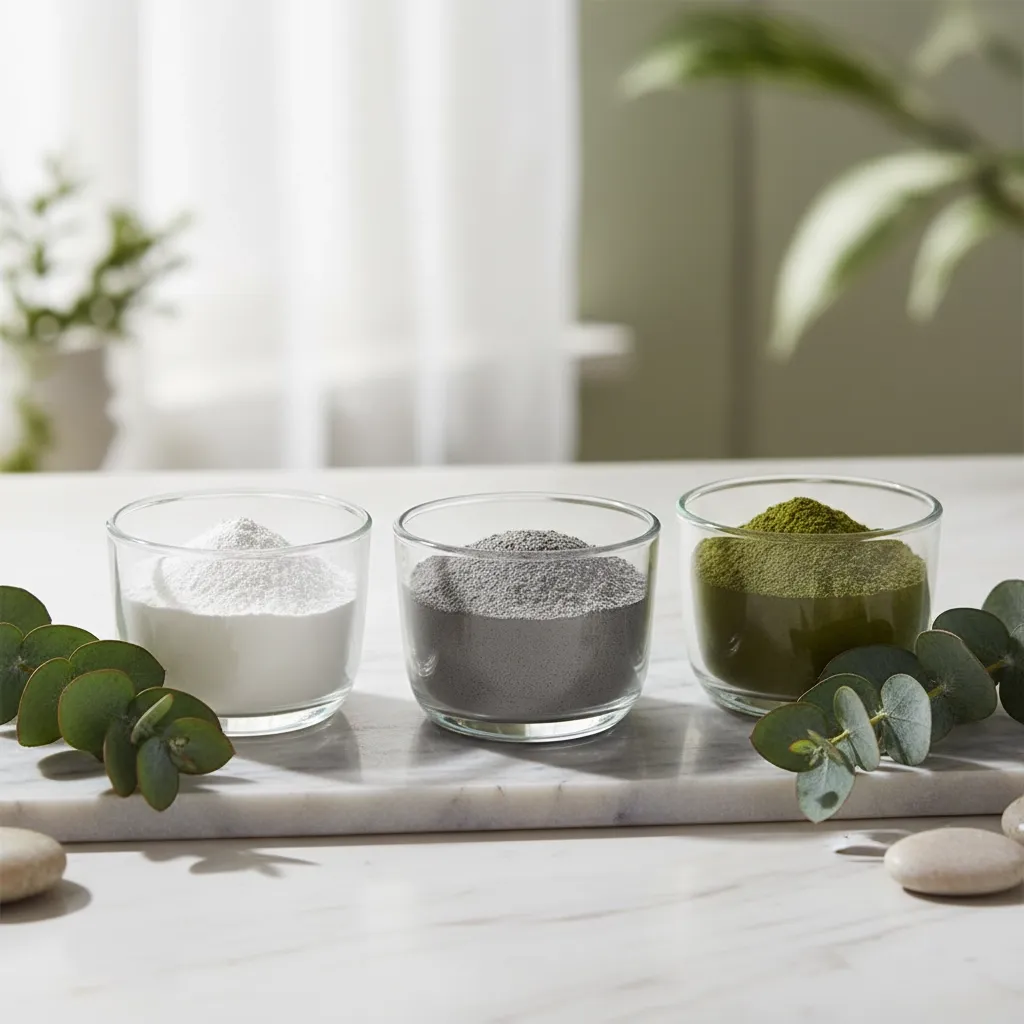
Types of Clay and What They Do Best
Kaolin Clay: The Gentle Giant
Kaolin is perfect for beginners and sensitive skin types. It's effective but mild, offering cleansing and oil control without irritation. This white or pink clay is rich in kaolinite minerals that soften and soothe skin while absorbing impurities.
Bentonite Clay: The Heavy Hitter
Bentonite is incredibly absorbent and works well for oily, acne-prone skin. It binds with impurities and toxins, making it excellent for deep detoxification. However, it can be drying, so use it sparingly if you have sensitive or dry skin.
French Green Clay: The Premium Choice
French green clay, particularly from specific regions, offers the most comprehensive mineral profile. Studies on healing clay mineralogy show that authentic French green clay contains unique combinations of minerals that support skin recovery and detoxification.
When choosing French green clay, quality matters significantly. Clayer, for example, has earned recognition for their rigorous testing and purity standards, ensuring you get therapeutic benefits without contaminants.
What the Research Actually Says
A comprehensive 2023 clinical study evaluated kaolin and bentonite clay masks used twice weekly over four weeks. The results were impressive: participants experienced measurable reductions in acne severity, lower sebum levels, and improved hydration with minimal irritation.
Scientific research confirms that clay masks can improve skin barrier function while providing antimicrobial benefits. Another study found that certain clay minerals can kill harmful bacteria while preserving beneficial microorganisms.
However, it's crucial to choose certified, tested clays. Research on clay contamination shows that untested clays can contain harmful levels of lead and other heavy metals.
Avoiding Common Clay Mask Mistakes
Many people make common green clay mistakes that reduce effectiveness or cause irritation. Here are the key ones to avoid:
Leaving masks on too long: Once your mask is completely dry and cracking, it's time to remove it. Over-drying can irritate your skin and cause excessive oil production later.
Using too frequently: Start with once weekly. Your skin needs time to recover between treatments.
Choosing the wrong clay type: Match your clay to your skin type. Sensitive skin should start with kaolin, while oily skin can handle bentonite or green clay.
Best Practices for Maximum Results
Application Tips
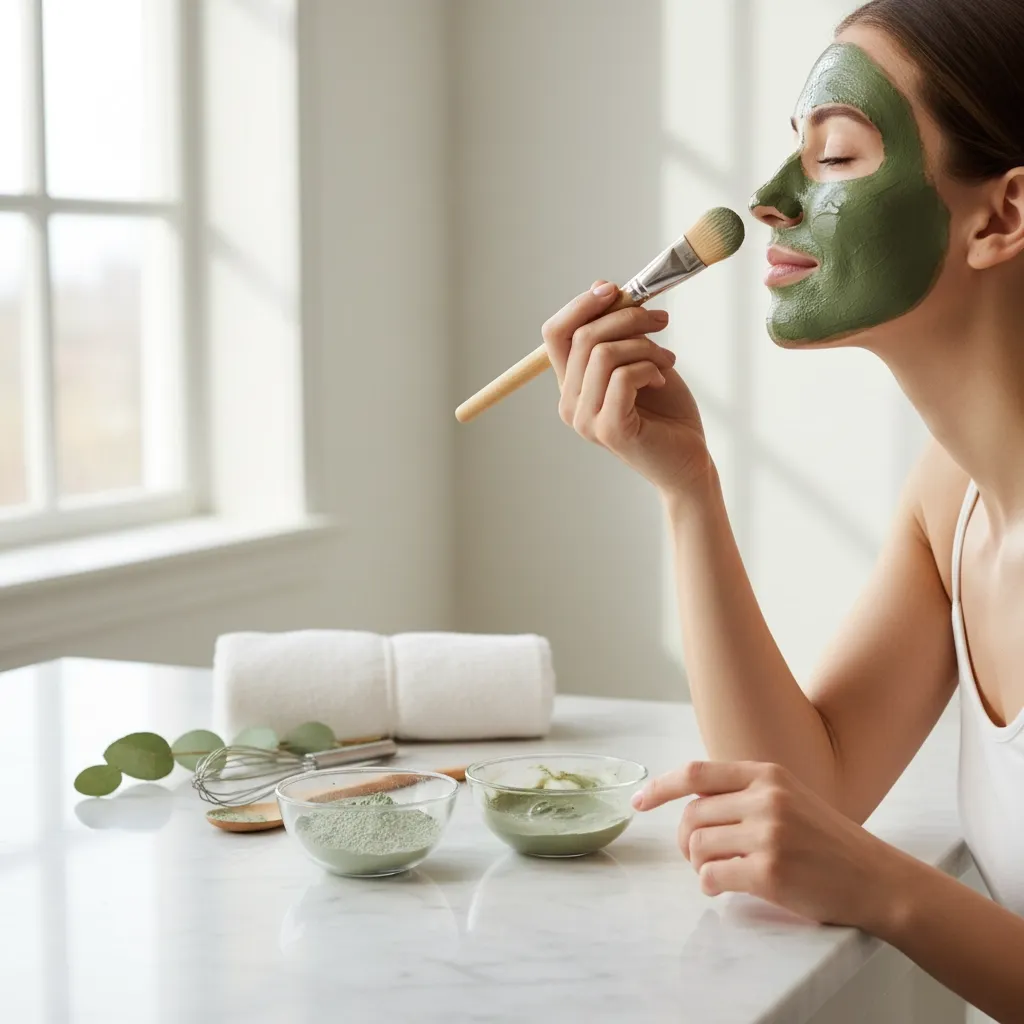
Mix your clay powder with distilled water, rose water, or apple cider vinegar for different benefits. Apply an even layer, avoiding the eye area, and relax while it works.
Timing Matters
Apply clay masks in the evening so your skin has overnight to recover. Follow with a gentle moisturizer to maintain hydration.
Consistency is Key
Research shows that consistent weekly use provides cumulative benefits. You'll notice refined texture, reduced breakouts, and improved overall skin health over time.
Who Should Use Clay Masks
Clay masks work well for most skin types, but they're particularly beneficial for:
- Oily and combination skin
- Acne-prone skin
- Those dealing with enlarged pores
- People exposed to pollution or environmental stressors
- Anyone wanting to improve skin texture naturally
Even sensitive skin types can benefit from gentler clays like kaolin when used properly.
Choosing Quality Clay Products
When selecting clay masks, prioritize quality and safety. Look for:
- Third-party testing for heavy metals and contaminants
- Clear sourcing information
- Minimal, recognizable ingredients
- Proper certifications
Companies like Clayer set the standard with comprehensive testing and transparency, while brands available at French Healing Clay offer various options for comparison.
Research on French clay characteristics demonstrates the importance of authentic sourcing and proper processing for therapeutic benefits.
The Bottom Line
Clay masks aren't just a luxury: they're effective skincare tools backed by both ancient wisdom and modern science. When used correctly with quality ingredients, they can transform your skin by providing deep cleansing, oil control, gentle exfoliation, and mineral nourishment.
The key is choosing the right type for your skin, using proper technique, and maintaining consistency. With quality clay and realistic expectations, you'll likely see improvements in skin texture, reduced breakouts, and a healthier overall complexion.
Start with once weekly applications and adjust based on how your skin responds. Remember, the best skincare routine is one you can stick with long-term.