Bentonite clay has been making waves in the natural health world, and for good reason. This ancient mineral, formed from volcanic ash, has been used for centuries as a healing remedy. But what makes it so special? And more importantly, how do you know you're getting a safe, effective product?
Let's break down everything you need to know about bentonite clay's benefits for detox and healing: plus why quality and purity matter more than you might think.
What Is Bentonite Clay and How Does It Actually Work?
Bentonite clay is primarily composed of montmorillonite, a mineral that carries a negative electrical charge. This unique property is the secret behind its detoxifying power.
Here's the simple version: toxins, heavy metals, and impurities in your body carry a positive charge. When bentonite clay gets wet and enters your system (or sits on your skin), it acts like a magnet: attracting and binding to those positively charged nasties so they can be flushed out of your body.
According to research published in the National Institutes of Health, this binding action makes bentonite clay effective at removing heavy metals like lead, mercury, and cadmium, along with environmental toxins like pesticides and benzene.
Pretty cool, right? But not all bentonite clays are created equal: more on that in a minute.

The Top Benefits of Bentonite Clay
1. Powerful Detoxification from the Inside Out
Bentonite clay's claim to fame is its detox abilities. When taken internally (in food-grade form only!), it helps remove toxins from your digestive tract before they can be absorbed into your bloodstream.
Studies show bentonite clay can bind to aflatoxins: toxic compounds produced by mold that contaminate nuts, grains, and cooking oils. Research indicates these aflatoxins can suppress immune function and cause serious health issues, making clay's ability to neutralize them particularly valuable.
The clay essentially works as a sponge, soaking up harmful substances and carrying them out when you go to the bathroom. Your liver and kidneys already do this work naturally, but adding quality clay can provide extra support: especially if you're exposed to environmental toxins or eating a less-than-perfect diet.
2. Skin Healing and Acne Treatment
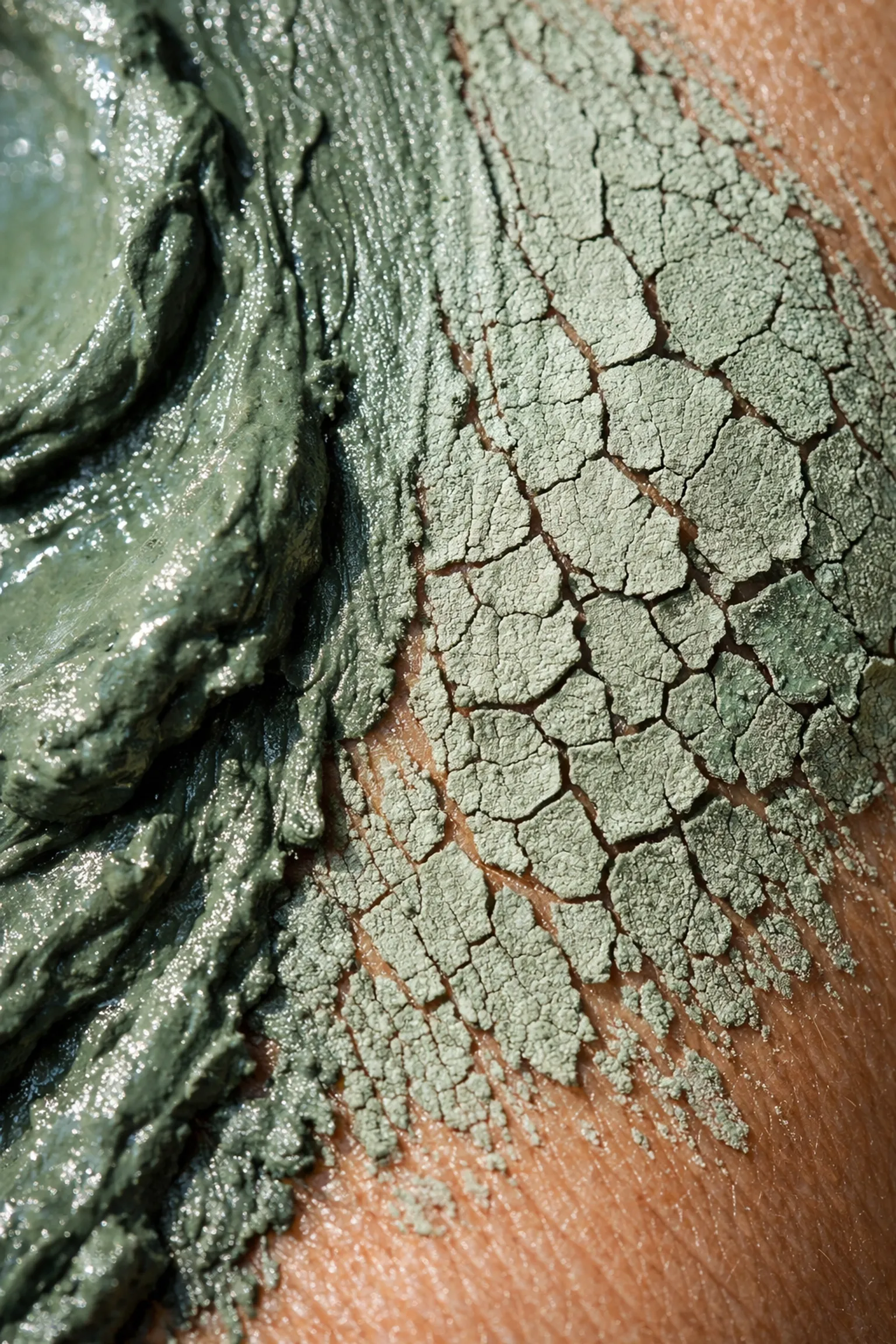
If you've ever used a clay mask, you've experienced bentonite's skin benefits firsthand. When applied topically, bentonite clay:
- Absorbs excess oil without stripping your skin
- Draws out dirt and bacteria from clogged pores
- Reduces inflammation thanks to its mineral content
- Speeds healing of minor wounds and skin irritations
According to studies on medicinal clays, bentonite has been used effectively to treat diaper rash, poison ivy, and contact dermatitis. Its antibacterial properties help kill harmful bacteria while promoting faster healing.
For acne-prone skin, bentonite masks can help balance sebum production and clear existing breakouts. Check out our guide on healing clay masks for application tips.

3. Digestive and Gut Health Support
Your gut is home to trillions of bacteria: some good, some not so much. Bentonite clay may help maintain that delicate balance by:
- Neutralizing harmful bacteria like E. coli and salmonella
- Supporting beneficial gut bacteria to thrive
- Strengthening the gut lining to prevent leaky gut syndrome
- Relieving occasional constipation and bloating
Research shows that bentonite's mineral-rich composition can help soothe digestive inflammation and support the protective mucus layer in your intestines. Think of it as giving your gut a gentle reset.
Want to learn more about using healing clay for detox? Our complete guide to healing clay for detox covers everything you need to know.
4. Immune System Boost
By removing toxins and harmful pathogens from your system, bentonite clay indirectly supports immune function. When your body isn't constantly fighting off environmental chemicals and bad bacteria, it has more resources to maintain overall health.
The clay's mineral content: including calcium, magnesium, silica, sodium, copper, iron, and potassium: also provides essential nutrients your immune system needs to function optimally.
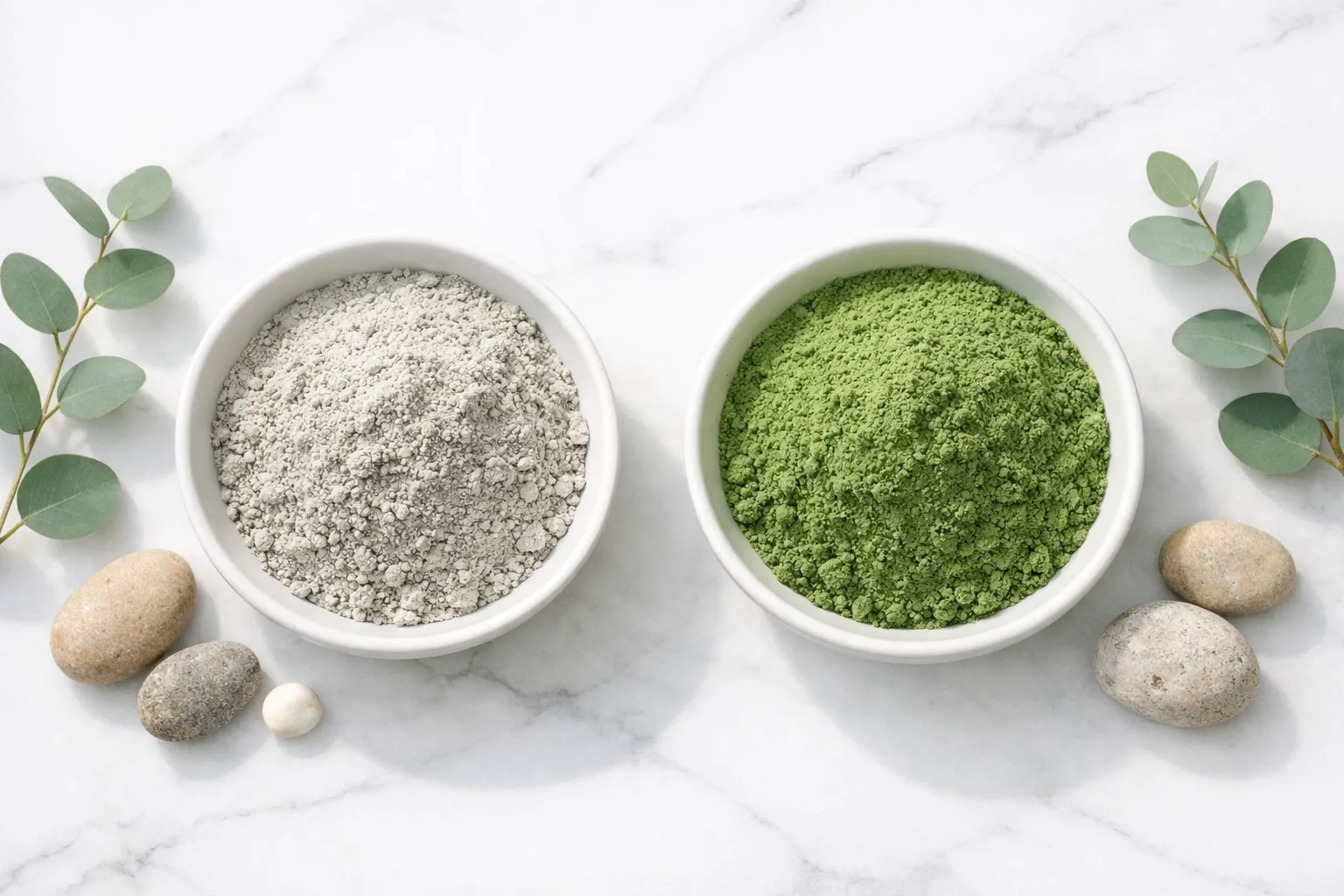
Bentonite Clay vs. French Green Clay: What's the Difference?
You might be wondering: what about French Green Clay? Is it better or worse than bentonite?
Both clays offer impressive benefits, but they have some key differences:
Bentonite Clay (Montmorillonite):
- Stronger absorption capacity
- Better for oily skin types
- More powerful detox effect
- Can be harsher on sensitive skin
French Green Clay (Illite):
- Gentler on sensitive skin
- Rich in minerals like iron (gives it the green color)
- Better for remineralization
- Milder detox action
French Green Clay tends to be the gentler option, making it ideal for people with sensitive or reactive skin. Bentonite packs more of a punch for serious detox needs.
Some brands, like Clayer, offer pure French Green Clay that's been tested to be completely free of heavy metals: a crucial consideration we'll get to next.

The Quality Problem: Why Purity Matters More Than You Think
Here's where things get serious. Not all bentonite (or any healing clay) is safe to use.
Research published in the NIH found that many commercially available clays contain concerning levels of heavy metals like lead, arsenic, and mercury. Ironic, right? You're using clay to remove toxins, but you might actually be adding more.
This is especially problematic with clays marketed for internal use. If you're drinking clay to detox from heavy metals, but the clay itself contains lead, you're moving backward.
How to Choose Safe, Effective Clay
Look for these key indicators:
✅ Food-grade certification (for internal use)
✅ Heavy metal testing results published openly
✅ Third-party laboratory verification
✅ Clear sourcing information
✅ Scientific studies backing the product
Brands like Clayer set the gold standard here. They provide complete certification documentation and published studies showing their French Green Clay is 100% free of heavy metals and safe for both internal and external use.
Compare this to popular brands like Aztec Secret, which uses calcium bentonite clay but doesn't provide the same level of testing transparency. You can read more about how Clayer compares to Aztec Secret in our detailed comparison.

How to Use Bentonite Clay Safely
For External Use:
- Mix 1-2 tablespoons of clay with water or apple cider vinegar to form a paste
- Apply to clean skin and leave on for 10-15 minutes
- Don't let it dry completely (this can irritate skin)
- Rinse with warm water
- Moisturize afterward
For Internal Use:
- Only use food-grade clay that's been tested for purity
- Start with 1/2 teaspoon in water daily
- Drink plenty of water throughout the day
- Take at least 2 hours away from medications or supplements
- Increase slowly if needed
For more detailed instructions, check out our guide on how to use healing clay.
Potential Side Effects and Precautions
While bentonite clay is generally safe, there are a few things to watch out for:
- Constipation if you don't drink enough water
- Skin dryness if masks are left on too long
- Medication interference (clay can bind to drugs)
- Aluminum content in some clays (choose tested brands)
Always do a patch test before applying to your face, and consult with a healthcare provider before using clay internally, especially if you're pregnant, nursing, or taking medications.
Our article on healing clay side effects covers this topic in more depth.
The Bottom Line
Bentonite clay offers genuine benefits for detoxification, skin health, digestive support, and immune function: but only if you choose a pure, properly tested product.
The difference between a contaminated clay and a clean one could mean the difference between healing and harm. Studies confirm that healing clays can contain varying levels of heavy metals depending on their source and processing.
If you're looking for the safest option with the most scientific backing, brands like Clayer that offer comprehensive testing and certification provide peace of mind. For athletes specifically, Best Sport Recovery highlights how professional athletes use certified, pure clays for recovery without the risk of contamination.
Want to compare different clay options? Visit French Healing Clay for a detailed breakdown of various brands and their testing standards.
Natural healing is powerful; but it should always start with pure, safe ingredients. Your body deserves nothing less.