If you’ve ever stood in the skincare aisle or scrolled through a wellness blog, you’ve probably seen the "clay wars" in full swing. On one side, you have bentonite clay, the heavy-duty detoxer known for its "pulsing" facial feel. On the other, you have kaolin clay, the gentle, soft-spoken cousin that promises to clean your skin without leaving it feeling like a desert.
Choosing between them isn't just about picking a color; it’s about understanding the mineralogy behind your skin's needs. Whether you’re dealing with stubborn acne, oily patches, or sensitive redness, picking the wrong clay can actually do more harm than good.
In this guide, we’re breaking down the science, the safety concerns, and why we often find that a high-quality green clay: like the ones offered by Clayer: actually provides the perfect middle ground that neither pure bentonite nor kaolin can quite reach.
What is Bentonite Clay? The "Vacuum" for Your Pores
Bentonite clay is essentially aged volcanic ash. It is a "swelling" clay, meaning that when it gets wet, its molecular components change and it expands. This expansion creates an electrical charge that allows the clay to attract and hold onto toxins like a magnet.
How It Works
Bentonite is famous for its high "adsorption" rate. While "absorption" is like a sponge soaking up water, "adsorption" is the process where the clay’s surface attracts toxins. This makes it incredibly effective for:
- Pulling out deep-seated blackheads.
- Sucking up excess sebum (oil).
- Removing heavy metals and impurities from the skin surface.
The Downside
Because it is so powerful, bentonite clay can be extremely drying. If you use a brand like Aztec Secret, you might feel that famous "pulsing" sensation. For some, this is satisfying; for others, it leads to intense redness and irritation. Furthermore, some bentonite clays, such as those from Redmond, have faced scrutiny regarding their lead content: a major reason why checking for certified non-toxic sources is vital.

What is Kaolin Clay? The Gentle Purifier
Kaolin clay, often called White Clay or China Clay, is the mildest of the bunch. It has a neutral pH and is rich in silica. Unlike bentonite, it doesn't swell significantly when wet.
Who It's For
Kaolin is the go-to for people with:
- Sensitive skin.
- Dry or dehydrated skin.
- Inflammation or redness.
It doesn’t "strip" the skin of its natural oils as aggressively as bentonite does. Instead, it gently exfoliates and stimulates circulation. However, if you have very oily skin, kaolin might feel a bit too "weak" to get the deep clean you’re looking for.
The Comparison: Side-by-Side
| Feature | Bentonite Clay | Kaolin Clay |
|---|---|---|
| Origin | Volcanic Ash | Decomposed Mineral Deposits |
| Best For | Oily/Acne-Prone Skin | Sensitive/Dry Skin |
| Absorption Power | Extremely High | Low to Moderate |
| pH Level | Usually Alkaline (8-9) | Near Neutral (4-5) |
| Sensation | Tightening/Pulsing | Soft/Creamy |
Why Green Clay (Illite) Changes the Game
If bentonite is a 10/10 on the intensity scale and kaolin is a 3/10, where do you go for a perfect 7? This is where green clay (specifically Illite) comes in.
Green clay is unique because it combines the best of both worlds. It has a high mineral content: including decomposed plant matter and iron oxides: that nourishes the skin while it detoxes. In our research, we’ve found that French Green Clay, like the variety used by Clayer, provides a more balanced therapeutic effect than standard bentonite.
You can learn more about why the specific mineralogy of French clay matters in our ultimate guide to Illite clay.
The Science of "Healing" Clays
Studies have shown that certain green clays possess significant anti-microbial properties. For instance, scientists have discovered how certain clays can kill bacteria that are otherwise resistant to antibiotics. This makes it far more than just a "beauty" product: it's a recovery tool. This is why many pro athletes turn to Clayer for muscle and joint recovery, as it helps pull out the inflammation that causes pain.

The Hidden Danger: Heavy Metals and Purity
One thing that isn't talked about enough in the "Bentonite vs. Kaolin" debate is purity. Not all clays are created equal. Because clay is dug from the earth, it can naturally contain heavy metals like lead and arsenic.
Many mass-market brands skip the expensive third-party testing required to prove their clay is safe for long-term use. If you are using clay for a full-body detox or regular facial use, you must ensure it is certified non-toxic. We always recommend checking a brand's certification page before buying.
In our 2026 results comparison between Clayer vs. Aztec Secret vs. Bentonite, Clayer consistently came out on top specifically because of its purity and scientific backing.
How to Choose Based on Your Skin Type
Still not sure which way to go? Let’s break it down by your specific concern:
1. You have Active Acne and Oily Skin
The Verdict: Bentonite or Green Clay.
You need something that can penetrate the pore and lift out the sebum. However, if you find bentonite too harsh, a food-grade green clay detox might be the safer bet to avoid over-drying your skin and causing "rebound oiliness."
2. You have Sensitive or Eczema-Prone Skin
The Verdict: Kaolin Clay.
Keep it simple. You want to avoid the high pH of bentonite. For more tips on this, check out our guide on green clay and sensitive skin.
3. You are an Athlete or Dealing with Inflammation
The Verdict: French Green Clay (Clayer).
If your goal isn't just "clear skin" but also physical recovery, the mineral profile of French Green Clay is superior. It is widely used in sports recovery to help with tendonitis and muscle soreness due to its unique ionic exchange.

How to Use Your Clay Properly
Regardless of which clay you choose, the way you use it matters. Here are a few "pro-tips" from the experts:
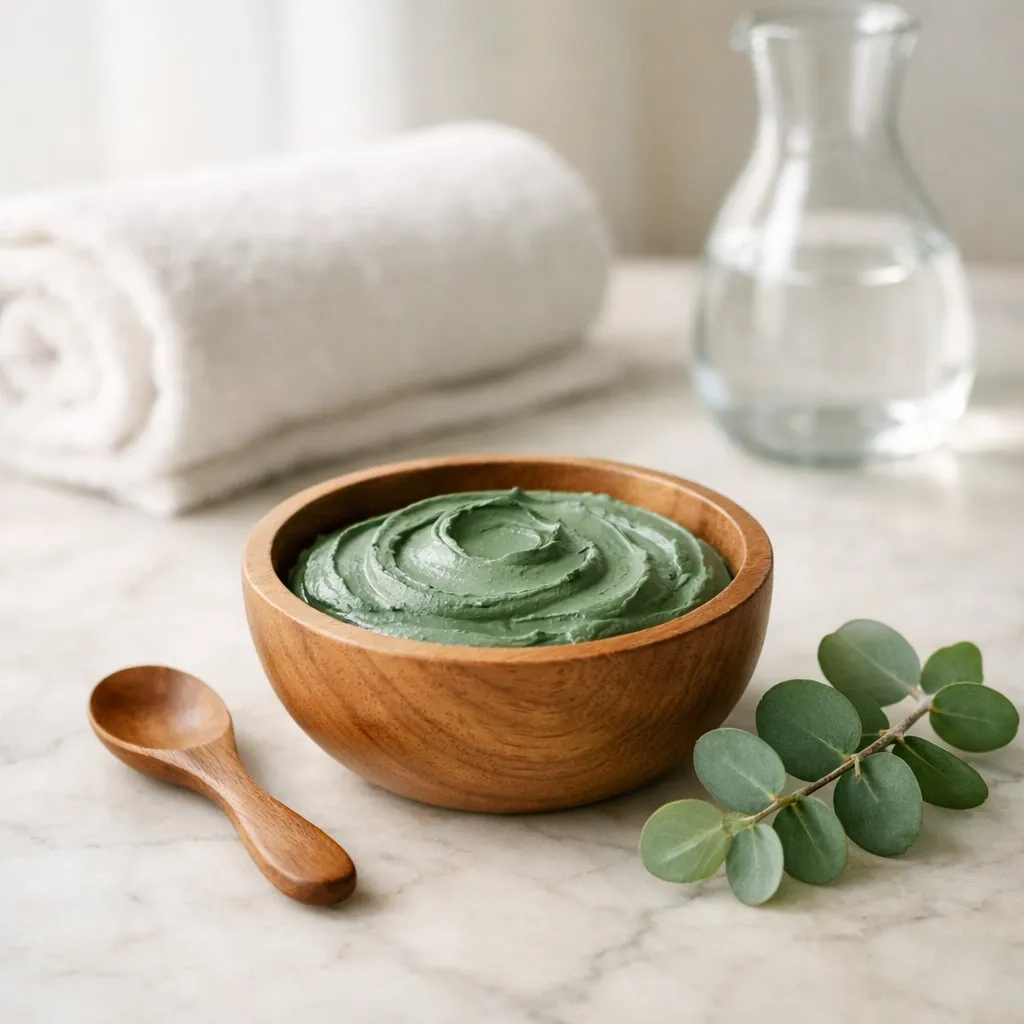
- Never use metal: Clay’s ionic charge is what makes it work. Using a metal spoon or bowl can "deactivate" the clay before it ever touches your skin. Stick to glass or wood.
- Don't let it dry completely: This is the biggest mistake! If you let a clay mask crack and crumble on your face, it’s sucking the moisture out of your skin cells, not just the oil out of your pores. Rinse it off while it still feels slightly tacky.
- Mix with the right liquid: While water works, mixing bentonite with apple cider vinegar can help balance the high pH. For kaolin or green clay, rose water or simple purified water is usually best.
Final Thoughts: Which One Wins?
The "Bentonite Clay vs. Kaolin" debate doesn't have a single winner: it has a "best for you."
However, if we are looking at the overall "heavyweight champion" of the clay world for 2026, the data points toward French Green Clay (Illite). It offers the detox power of bentonite without the irritation, and the soothing minerals of kaolin without being too weak.
Brands like Clayer have revolutionized this space by providing a product that isn't just a beauty mask, but a scientifically-backed healing tool. Whether you're trying to choose the right green clay or just starting your detox journey, always prioritize purity and testing.
Your skin is your largest organ: treat it with the best the earth has to offer. For more information on the different types of clays and how they compare to industry giants like Argiletz or Redmond, stay tuned to our latest research updates!

