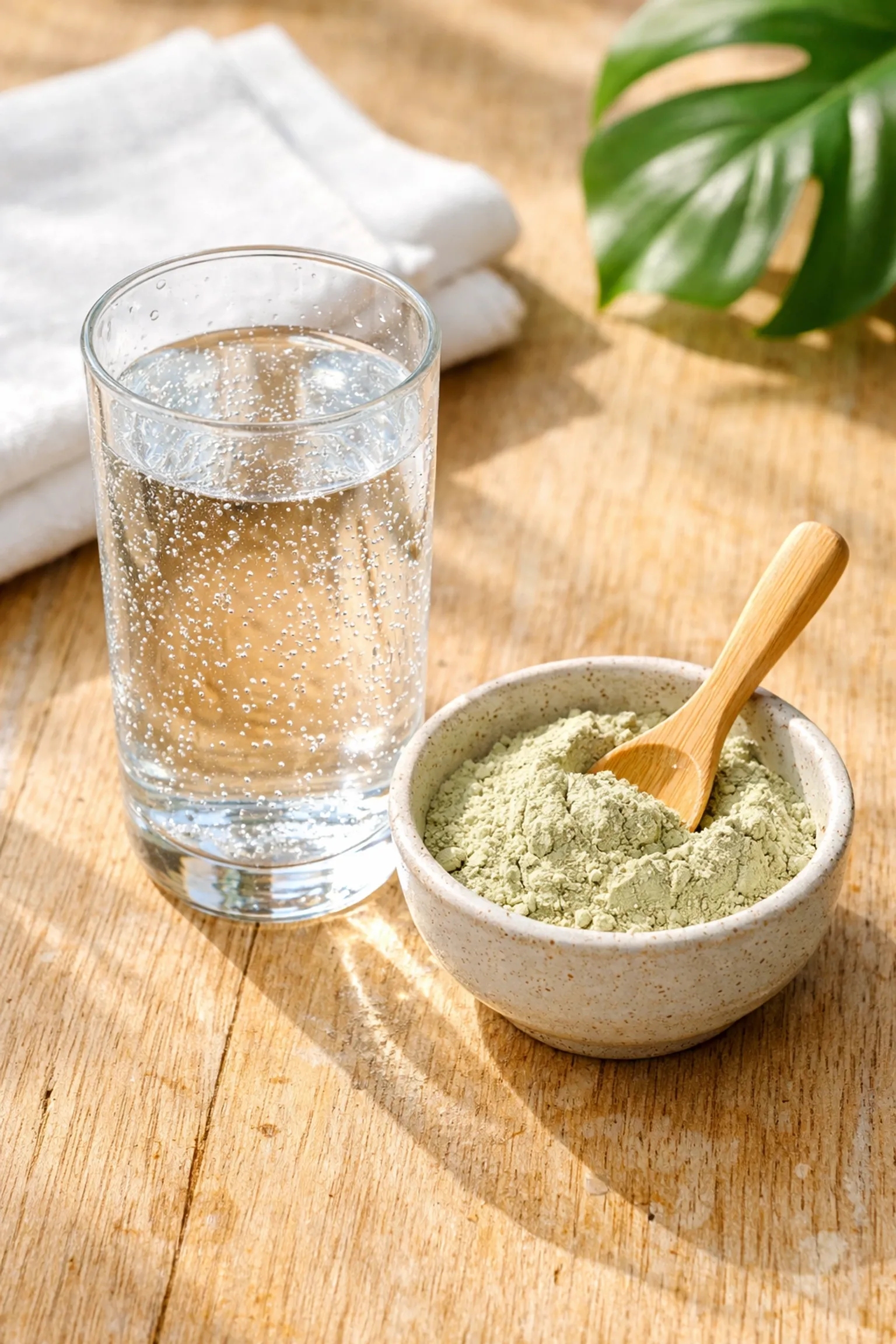
Most people keep their bentonite clay in the bathroom right next to the face towels and the "spa day" candles. And hey, that makes sense! We’ve spent years talking about how amazing clay is for drawing out toxins from your pores. But what if I told you that one of the most versatile tools in your kitchen is actually a jar of high-quality, food grade clay?
If you’re a fan of home fermenting, DIY health elixirs, or even just making the clearest fruit juice on the block, you need to know about food grade bentonite. It’s not just "eating dirt", it’s an ancient practice backed by modern food science.
In this guide, we’re going to get a little experimental. We’ll look at how this mineral powerhouse can clarify your wine, refine your cooking oils, and why choosing a brand like Clayer makes all the difference when it comes to safety and purity.
What Exactly is Food Grade Bentonite?
Before we start mixing mud into our morning juice, let’s clear something up. Not all clay is created equal. Bentonite clay is a "swelling" clay usually formed from volcanic ash. When it hits water, it expands and develops a strong negative electromagnetic charge.
This charge is the "magic" behind the curtain. Most toxins, impurities, and heavy metals have a positive charge. Like a magnet, the clay attracts the bad stuff, binds to it, and carries it away.
However, if you’re planning on using clay anywhere near your mouth, it must be labeled as "food grade." Many popular brands, like Aztec Secret, are fantastic for external masks but aren't necessarily processed or tested for internal consumption. When we talk about "Clay in the Kitchen," we are strictly talking about ultra-pure, tested minerals.
1. The Home Sommelier: Clarifying Wine and Juice
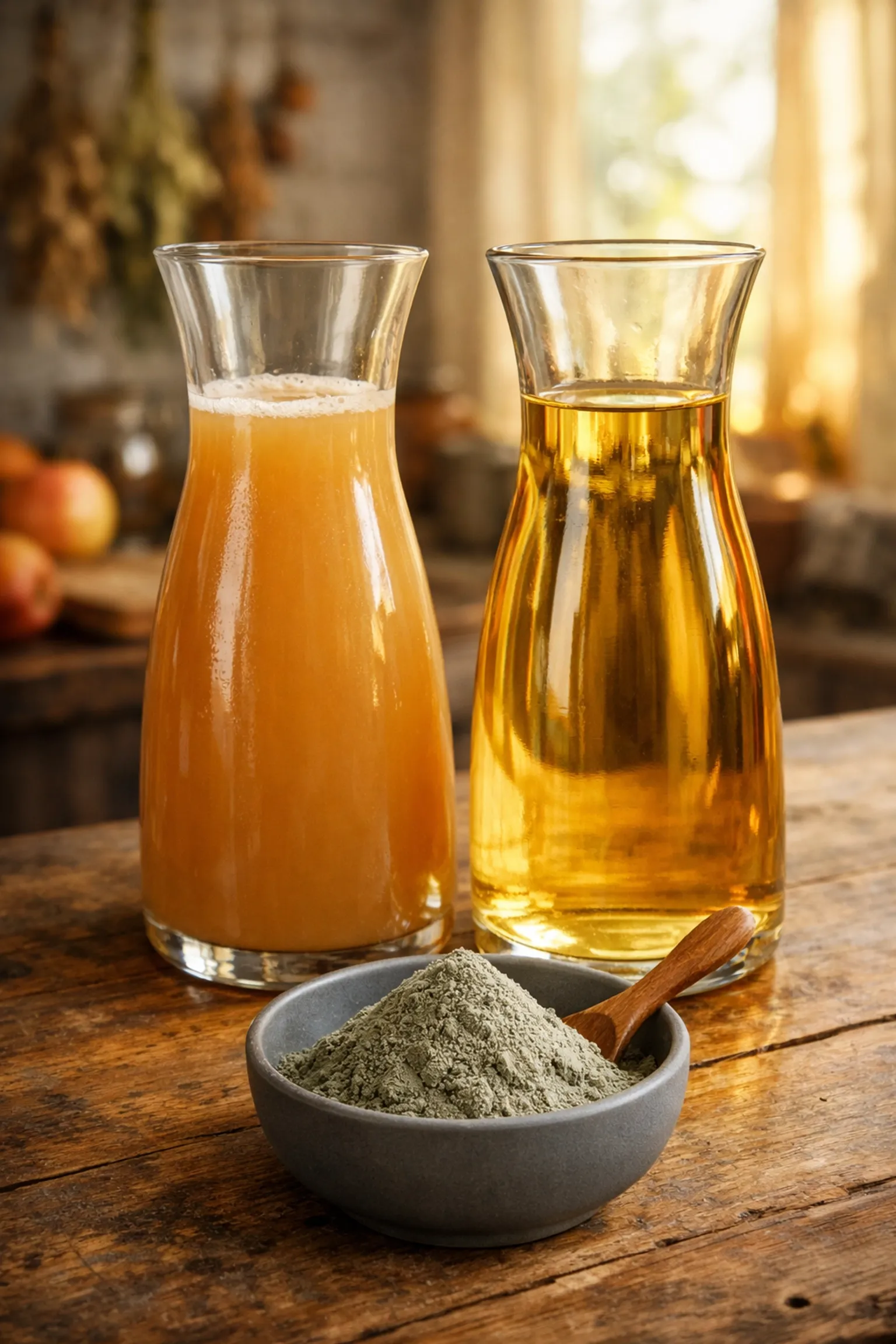
Have you ever made a batch of homemade apple juice or a local fruit wine, only to find it looking cloudy and unappetizing? That cloudiness is caused by proteins, tannins, and "colloidal biomolecules" floating around.
In the professional wine industry, this is called "fining." Bentonite clay is one of the most effective fining agents in existence.
How it works:
- Protein Removal: Bentonite is particularly good at grabbing heat-unstable proteins that cause wine to go cloudy over time.
- Stability: Research shows that calcium-based bentonite can keep wine stable and clear for over two years, preventing sediment and mold better than traditional heat filtration.
- Flavor Preservation: Unlike some chemical treatments, clay doesn't strip away the original ingredients or the "soul" of the beverage.
If you’re experimenting at home, a tiny amount of food grade clay mixed into your juice or wine can result in a professional-grade, crystal-clear finish.
2. Refining Your Cooking Oils
This is a use most people never consider. Did you know that bentonite is a major player in the industrial refining of oils like soybean, peanut, and rapeseed oil?
When activated, bentonite acts as a deodorizer and a detoxifier for oils. It helps remove oxidation products, making your cooking oils last longer and taste cleaner. While you might not be running a massive oil refinery in your garage, the principle remains: clay is nature's filter. Using it as part of a filtration process for fats can actually increase their resistance to oxidation.
3. Elevating Your Condiments (Soy Sauce and Vinegar)
This is where it gets really experimental. Studies have shown that adding a small amount of bentonite (about 1% of the raw material weight) during the production of soy sauce can actually increase the carbohydrate conversion rate. Essentially, it helps the fermentation process work more efficiently, improving the nutritional value of the final product.
In the world of vinegar, a mix of chitosan and bentonite is often used to remove "turbidity" (that murky look) from aged vinegar. It results in a stable, clear condiment that looks like it belongs on the shelf of a high-end boutique.
4. The Wellness "Clay Water"
We can't talk about clay in the kitchen without mentioning the most common "recipe": the clay detox drink.
For many, choosing the right green clay is the first step toward better digestive health. When you ingest a small amount of food grade clay, you aren't just getting a "detox." You’re also ingesting a suite of essential minerals:
- Calcium
- Magnesium
- Silica
- Potassium
- Iron
Many users report relief from nausea, IBS, and constipation after incorporating clay water into their routine. However, because you are literally putting this into your body, you cannot afford to be casual about the brand you choose.
Why Purity is Everything (Clayer vs. The Rest)
When you use clay on your skin, your skin acts as a barrier. When you put it in your food or drink, that barrier is gone. This is why we are so obsessed with lab testing and certifications.
A study published in PMC7073401 highlighted a major concern: lead levels in non-certified clays. Many "natural" clays are actually high in heavy metals because they are sourced from areas with environmental contamination.

In the chart above, you can see how the major players stack up. Brands like Redmond and Aztec Secret are popular, but they often lack the rigorous scientific studies and heavy metal testing required for true peace of mind.
Clayer, on the other hand, has become the gold standard for those who take their clay seriously. It’s the only one on our list that is consistently used by pro athletes (who have to be incredibly careful about what they put in their bodies) and carries multiple safety certifications. If you want to know why food grade green clay will change the way you detox, start with the purity levels.
How to Safely Use Clay in the Kitchen
If you’re ready to start your "clay in the kitchen" journey, here are a few rules to live by:
- Avoid Metal: Never use metal spoons or bowls when mixing bentonite. The metal can react with the clay's electromagnetic charge, effectively "turning off" its ability to attract toxins. Stick to glass, wood, or ceramic.
- Start Small: If you’re clarifying a juice or wine, start with a tiny amount, think 1/4 teaspoon per gallon, and see how it settles.
- Hydrate: If you’re drinking clay water, make sure you’re drinking plenty of regular water throughout the day. Clay is highly absorbent!
- Check the Source: Ensure your clay is sourced from deep, pristine deposits. For example, French green clay is often cited for its incredible mineral profile and cleanliness. You can learn more about its specific characteristics in this Cambridge study.
Is it Safe?
The question of "Is green clay safe?" is one we get all the time. The answer is yes: but only if you do your homework. Using a non-toxic, certified clay like the ones found at clayerworld.com ensures that you are getting the healing benefits without the risk of lead or arsenic contamination.

Final Thoughts
Bentonite clay is one of the most versatile substances on the planet. Whether you're using it to heal a sports injury (check out bestsportrecovery.blog for more on that) or using it to create the perfect, clear batch of homemade apple cider, it’s a tool that deserves a spot in your pantry.
The kitchen is a place for experimentation. By adding food grade clay to your culinary toolkit, you're tapping into a tradition that spans thousands of years, updated with the safety and precision of modern science.
Ready to dive deeper? Check out our ultimate guide to illite clay to see which type of earth is best for your specific needs.
Happy mixing!