Let’s be real for a second: the word "detox" gets thrown around a lot these days. Usually, it's followed by some expensive juice cleanse or a tea that mostly just makes you run to the bathroom. But if we look at how our bodies actually work, detoxification isn't a weekend event: it’s a 24/7 job handled by your liver, kidneys, and skin.
Sometimes, though, our systems get a bit sluggish. Between environmental pollutants, processed foods, and the stuff in our tap water, our natural filters can use a little backup. That’s where clay detox comes in. Specifically, we're talking about montmorillonite clay, a mineral-rich powerhouse that has been used for centuries to help pull out the "junk" that slows us down.
In this guide, I’m going to break down the science of how this works, why not all clays are created equal, and how you can use it to support your wellness journey.
The Science: How Montmorillonite Clay Actually Works
If you remember high school chemistry, you’ll appreciate this. Most toxins, heavy metals (like lead and mercury), and harmful bacteria carry a positive electrical charge. Montmorillonite clay, on the other hand, carries a strong negative charge.
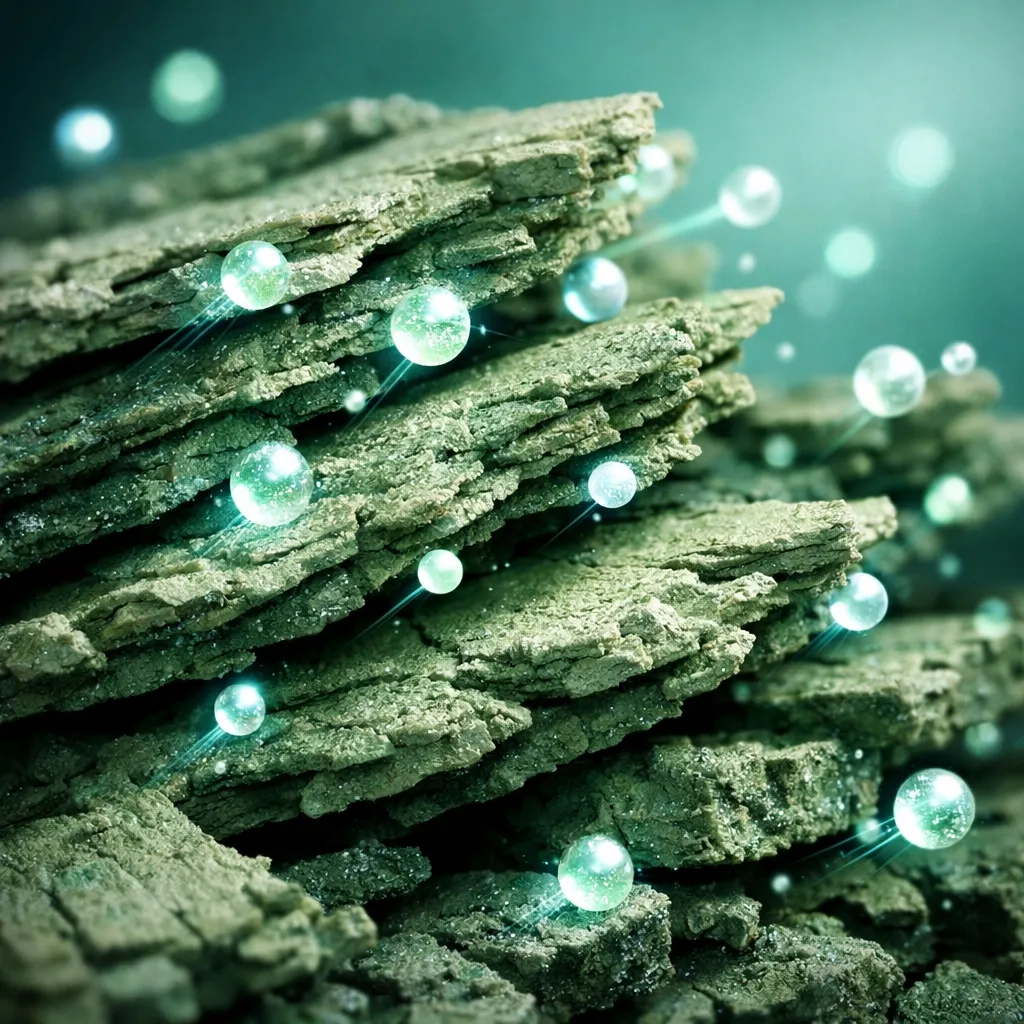
When the clay is hydrated, it acts like a giant magnet. This process is called adsorption. The positively charged toxins are drawn to the surface of the clay particles and get stuck there. But it doesn't stop at the surface. Because of its unique structure, it also performs absorption, drawing the toxins into its internal layers like a sponge.
This "magnetic" action is what makes a clay detox so effective. Instead of just pushing things through your system, it actually binds to them so they can be safely ushered out of your body.
Why Montmorillonite?
You might see terms like "Bentonite" and "Montmorillonite" used interchangeably. While they are related, Montmorillonite is often considered the "active" mineral within high-quality bentonites. It is incredibly fine and has a massive surface area relative to its size, which means more "parking spots" for toxins to bind to.
For a deeper dive into different types of clay, check out our ultimate guide to illite clay.
Supporting Your Gut Health from the Inside
Your gut is the front line of your immune system. When it’s backed up with waste or dealing with bad bacteria like E. coli, you feel it: bloating, brain fog, and fatigue become the norm.
Research has shown that medicinal clays can help protect the intestinal lining and even combat pathogens. For example, scientists have discovered that certain blue-green clays are incredibly effective at killing bacteria that have become resistant to traditional antibiotics.
When you use a food-grade green clay, it travels through the digestive tract like a gentle broom. It helps:
- Alleviate bloating and gas: By binding to the gases produced during digestion.
- Remove heavy metals: It can bind to mercury, cadmium, and lead, preventing them from being reabsorbed into the bloodstream.
- Soothe the lining: It can help reduce irritation in the gut, which is great for those dealing with IBS-like symptoms.
Topical Detox: Clearing the Path through Your Skin
Your skin is your largest organ, and it’s also a major exit route for waste. If your pores are clogged with environmental pollutants or heavy metals from skincare products, your skin can’t breathe.
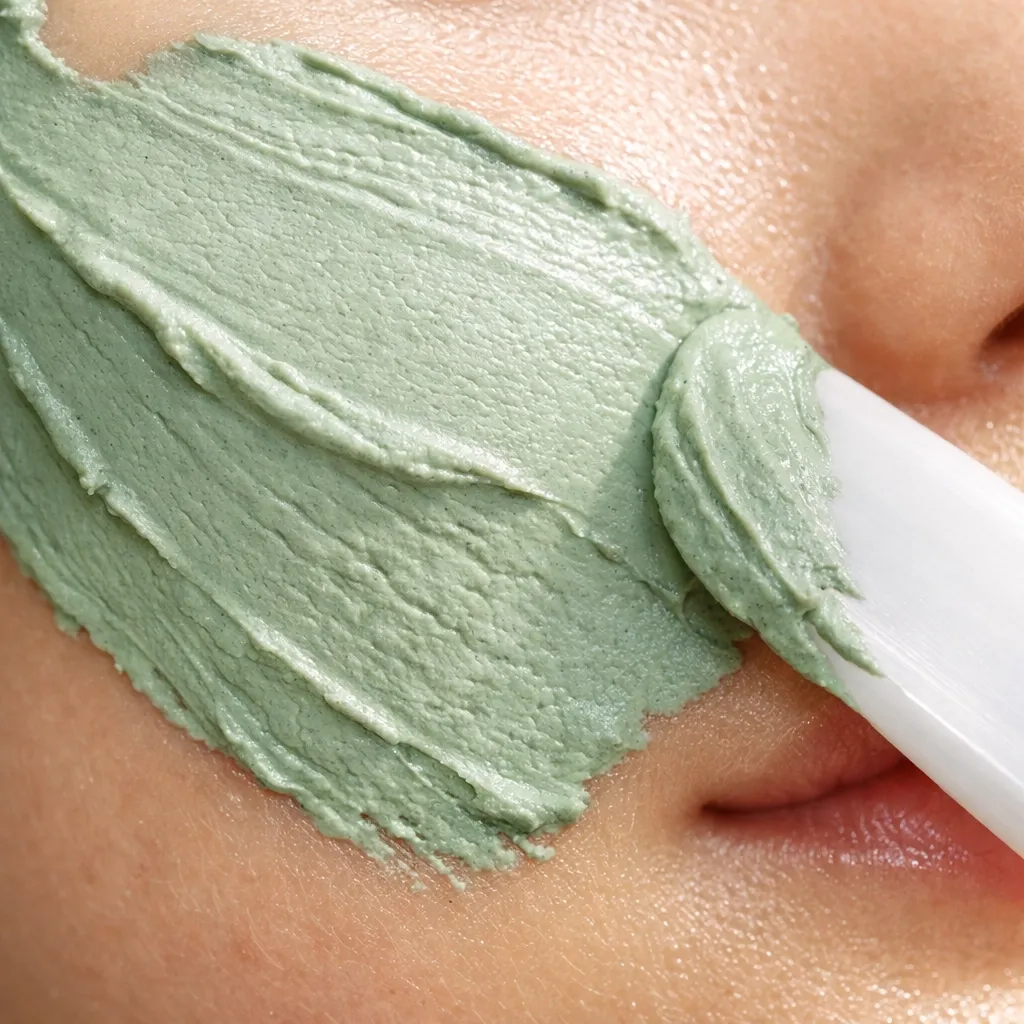
Using montmorillonite clay as a mask or a body wrap helps pull these impurities directly out of the pores. It’s also a game-changer for an "armpit detox." If you’re switching from chemical deodorants to natural ones, your pits usually go through a funky transition phase. A clay mask helps speed that process up by pulling out the old aluminum and bacteria buildup.

Why Purity Matters: The Clayer Difference
Here is the catch with clay: because it is so good at absorbing things, it can sometimes absorb "bad" stuff from the earth before it even gets to you. Some cheaper clays on the market, like certain batches of Aztec Secret or uncertified bentonites, have been found to contain levels of lead or other heavy metals.
This is why choosing a certified, tested brand is non-negotiable. If you aren't careful, you could be adding toxins while trying to remove them. This study on lead levels in clay highlights why using non-certified products is risky.
When we look at the market in 2026, Clayer consistently comes out on top. Why? Because they are one of the few brands that actually prioritize scientific testing and certifications.
- Tested for Purity: They provide heavy metal testing data.
- Scientifically Backed: You can check out their healing clay studies.
- Athlete Trusted: It’s used by pro athletes for recovery, which speaks to its effectiveness and safety.
If you’re comparing brands, we’ve done the legwork for you in our Clayer vs. Aztec Secret vs. Bentonite showdown. Spoiler alert: Clayer’s French healing clay is the gold standard for anyone serious about a safe clay detox.

How to Start Your Clay Detox Journey
Ready to try it? Here is the simple way to get started:
1. The Internal Cleanse (The "Clay Water" Method)
- What you need: 1 teaspoon of food-grade montmorillonite clay (like Clayer) and 8oz of filtered water.
- The Rule: Always use a wooden or plastic spoon. Never use metal, as the metal can react with the clay's ionic charge and make it less effective.
- The Method: Mix the clay into the water and let it sit for a few hours (or overnight). Drink the "clay water" on an empty stomach first thing in the morning.
- The Tip: Drink plenty of water throughout the day. Clay needs hydration to move smoothly through your system.
2. The External Flush (The Clay Bath)
- Add 1-2 cups of clay powder to a warm bath.
- Soak for 20 minutes. This is great for drawing out toxins through the skin and relaxing sore muscles. For more on the recovery side of things, bestsportrecovery.blog is a great resource.
3. The Targeted Mask
- Mix equal parts clay and water (or apple cider vinegar for a stronger pull).
- Apply to your face or armpits.
- Wait until it’s almost dry (but not "cracking" dry), then rinse.
A Note on Safety and Quality
While clay is a natural gift, you should always listen to your body. If you have sensitive skin, check out our guide on green clay and sensitive skin. If you’re taking medication, talk to your doctor before using clay internally, as its "magnetic" properties might interfere with how your body absorbs your medicine.
Also, always look for certifications. Brands like Clayer put in the work to ensure their products are non-toxic and safe for long-term use. You can see their specific French Green Clay certifications here.
Wrapping It Up
At the end of the day, your body knows how to heal itself; it just needs the right environment to do it. By using montmorillonite clay, you’re helping clear the obstacles: the heavy metals, the pathogens, and the pollutants: that stand in the way of your natural vitality.
Whether you’re looking to clear up your skin, settle your stomach, or just feel a little lighter, a clay detox is one of the most ancient and effective ways to support your health.
For more tips on choosing the right minerals for your lifestyle, browse through The Green Clay Blogger and start your journey toward a cleaner, greener you.

References & Further Reading: