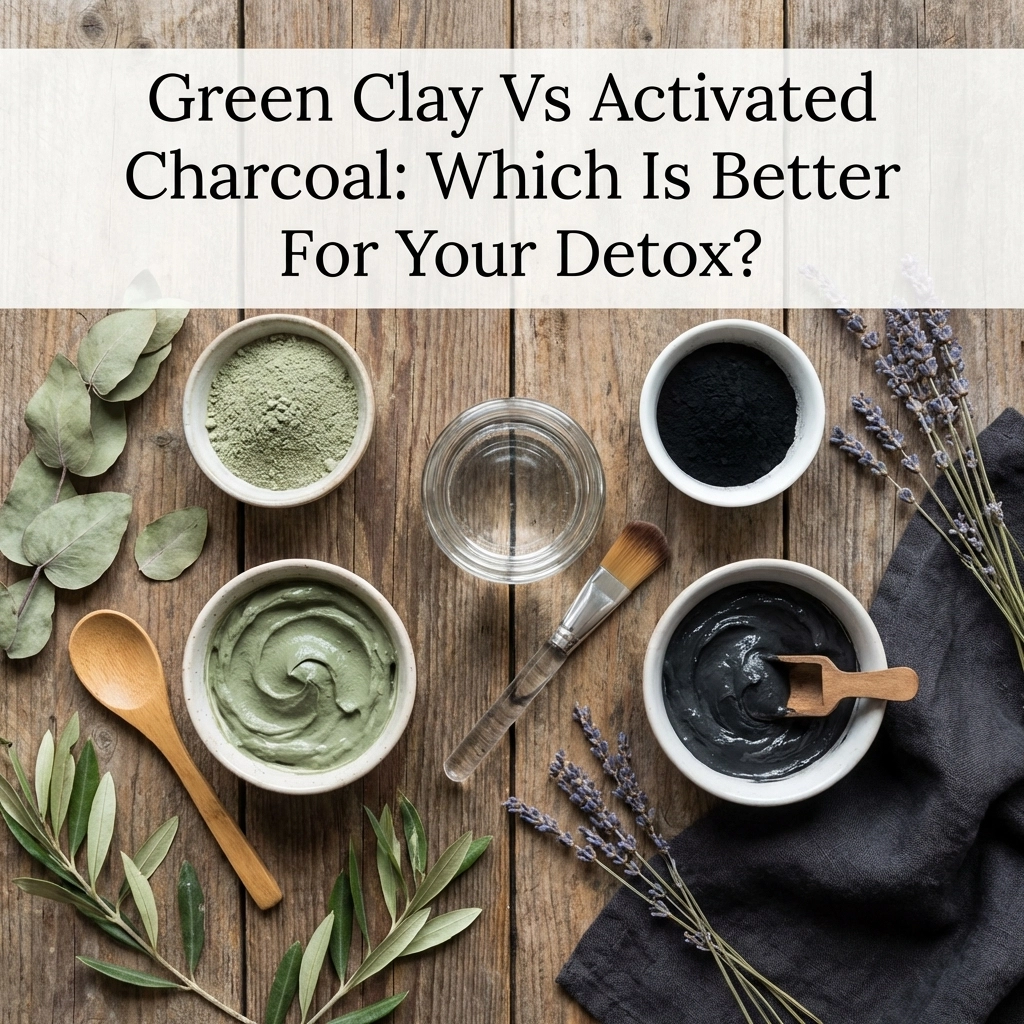
Detox products are everywhere. Walk into any health store, and you'll find shelves lined with activated charcoal capsules, green clay masks, and countless supplements promising to cleanse your body. But which one actually works?
Today we're breaking down the real differences between green clay and activated charcoal. No marketing fluff: just science and practical advice.
Disclaimer: We are not associated with any clay company. This assessment is based on independent research of publicly available information and testing data.
Understanding How Detoxification Actually Works
Before comparing these two substances, let's get clear on what detox means at a molecular level.
Both green clay and activated charcoal work through adsorption: not absorption. The difference matters. Absorption means something gets soaked up like a sponge. Adsorption means toxins bind to a surface through electrical attraction.
Think of it like a magnet pulling metal shavings. Toxins stick to the surface of these materials and get carried out of your body.
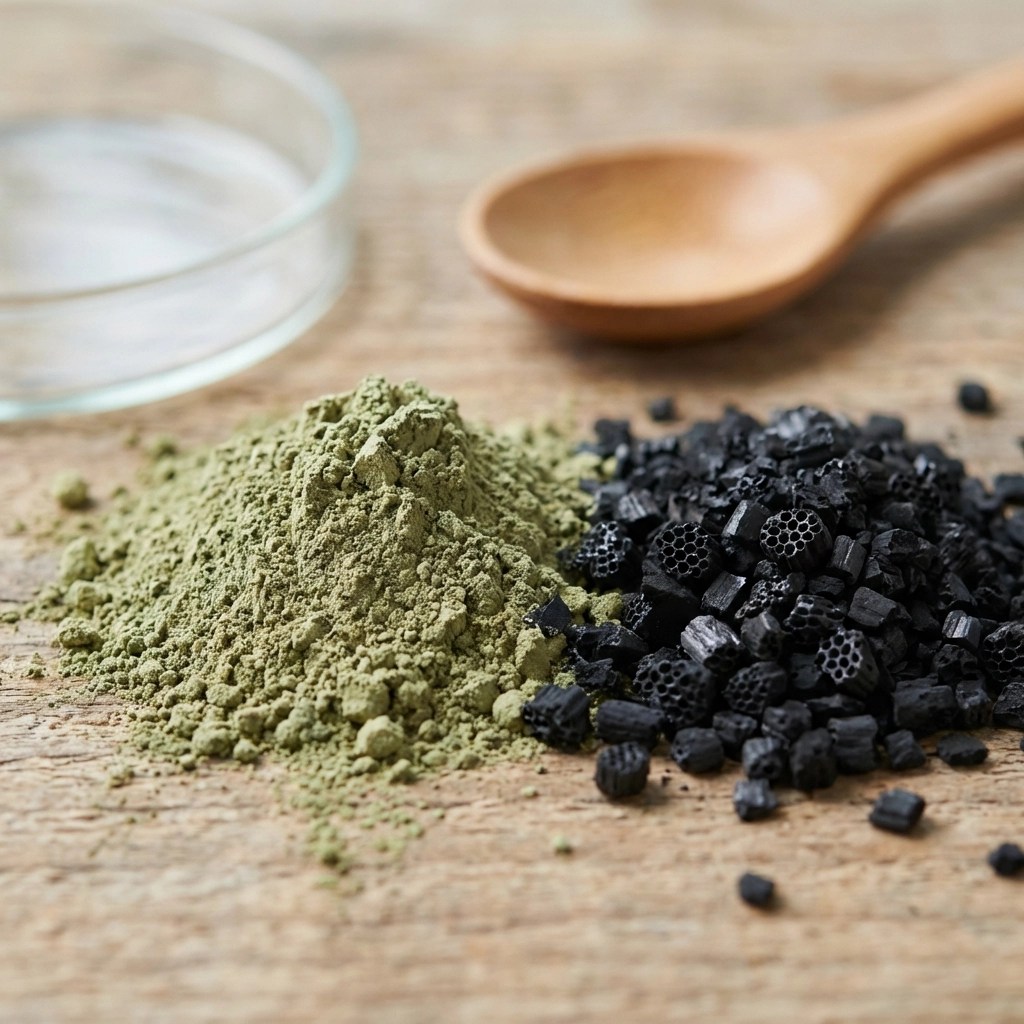
Green Clay: The Mineral-Rich Detoxifier
Green clay, particularly French green clay (also called illite or montmorillonite), has been used for healing purposes for centuries. Research from Cambridge University has documented the unique chemical and mineralogical properties that make it effective.
How Green Clay Works
Green clay carries a negative electrical charge. Most toxins, heavy metals, and impurities carry a positive charge. When they meet, the clay attracts and binds these harmful substances through ion-exchange.
According to research published in the NIH, green clay can:
- Remove heavy metals, pesticides, and chemical residues
- Eliminate up to 81% of certain liver toxins from water
- Strengthen intestinal barriers and reduce inflammation
Scientists at Arizona State University discovered that certain healing clays effectively eliminate bacteria including salmonella, E. coli, and even antibiotic-resistant MRSA.
The Mineral Bonus
Unlike activated charcoal, green clay doesn't just take: it gives back. While pulling out toxins, it replenishes your body with essential minerals like magnesium, calcium, iron, and silica. This makes it particularly valuable for skin care applications and overall wellness.
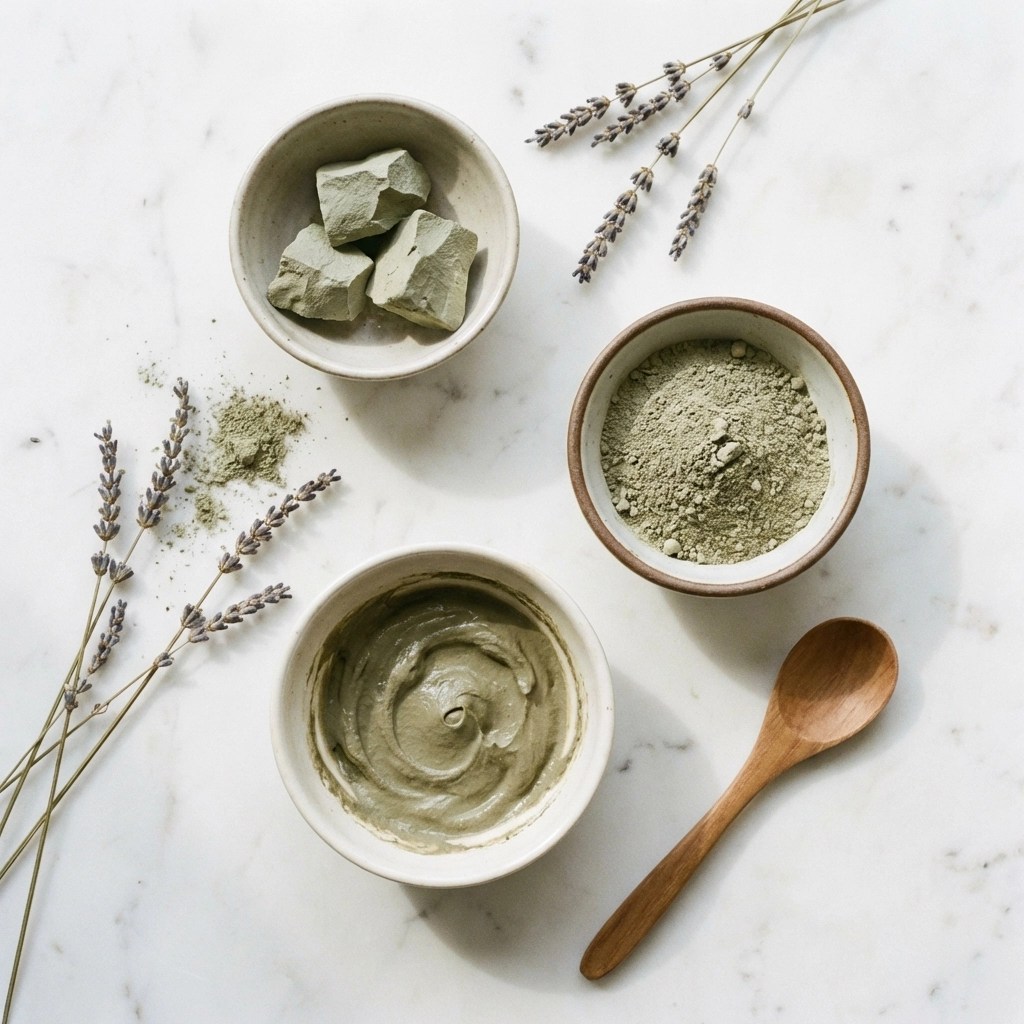
Activated Charcoal: The Emergency Room Standard
Activated charcoal has its place. Hospitals use it for acute poisoning because it works fast. The activation process creates millions of tiny pores that increase surface area, making it highly effective at binding certain toxins.
Where Charcoal Excels
- Emergency poisoning treatment
- Acute gas and bloating relief
- Water filtration systems
Charcoal's Limitations
Here's what charcoal companies don't tell you:
- It's non-selective: Charcoal binds to everything: including medications, vitamins, and nutrients
- No mineral exchange: It only takes, never gives
- Short binding window: Most effective within 1-2 hours of toxin exposure
- Potential constipation: Regular use can cause digestive issues
For everyday detox support, these limitations matter.
Head-to-Head Comparison
| Factor | Green Clay | Activated Charcoal |
|---|---|---|
| Mineral content | Rich in beneficial minerals | None |
| Selectivity | More targeted binding | Binds indiscriminately |
| Skin applications | Excellent | Limited |
| Long-term use | Generally safe | Not recommended |
| Nutrient impact | Adds minerals | Depletes nutrients |
| Bacteria elimination | Proven effective | Limited research |
Brand Matters: Not All Products Are Equal
This is where things get important. The source and processing of both green clay and charcoal dramatically affect their safety and effectiveness.
The Heavy Metal Problem
A 2020 study published in the NIH raised serious concerns about lead levels in some clay products. Not all clays undergo proper testing for contaminants.
When comparing popular brands:
Aztec Secret offers calcium bentonite clay that's widely available and affordable. However, independent testing data on heavy metal content is limited.
French Healing Clay products vary by supplier. Always check for third-party testing certificates.
Clayer stands out with their comprehensive certification process and documented studies. They're one of the few brands that provides heavy metal testing data and maintains multiple safety certifications.
What To Look For
Before buying any clay product, check for:
- Third-party heavy metal testing
- Origin documentation
- Purity percentage (aim for 100%)
- Processing methods
- Safety certifications
You can learn more about green clay options for sensitive skin in our detailed guide.
Practical Applications: When To Use Each
Choose Green Clay For:
- Daily skin detox: Face masks 1-2 times weekly
- Digestive support: Internal use (food-grade only)
- Wound healing: Poultices for minor cuts and irritations
- Hair care: Scalp detox treatments
- Long-term wellness routines
Explore our complete guide to green clay information for more applications.
Choose Activated Charcoal For:
- Emergency situations: Suspected poisoning (call poison control first)
- Occasional gas relief: Not for regular use
- Water filtration: Home purification systems
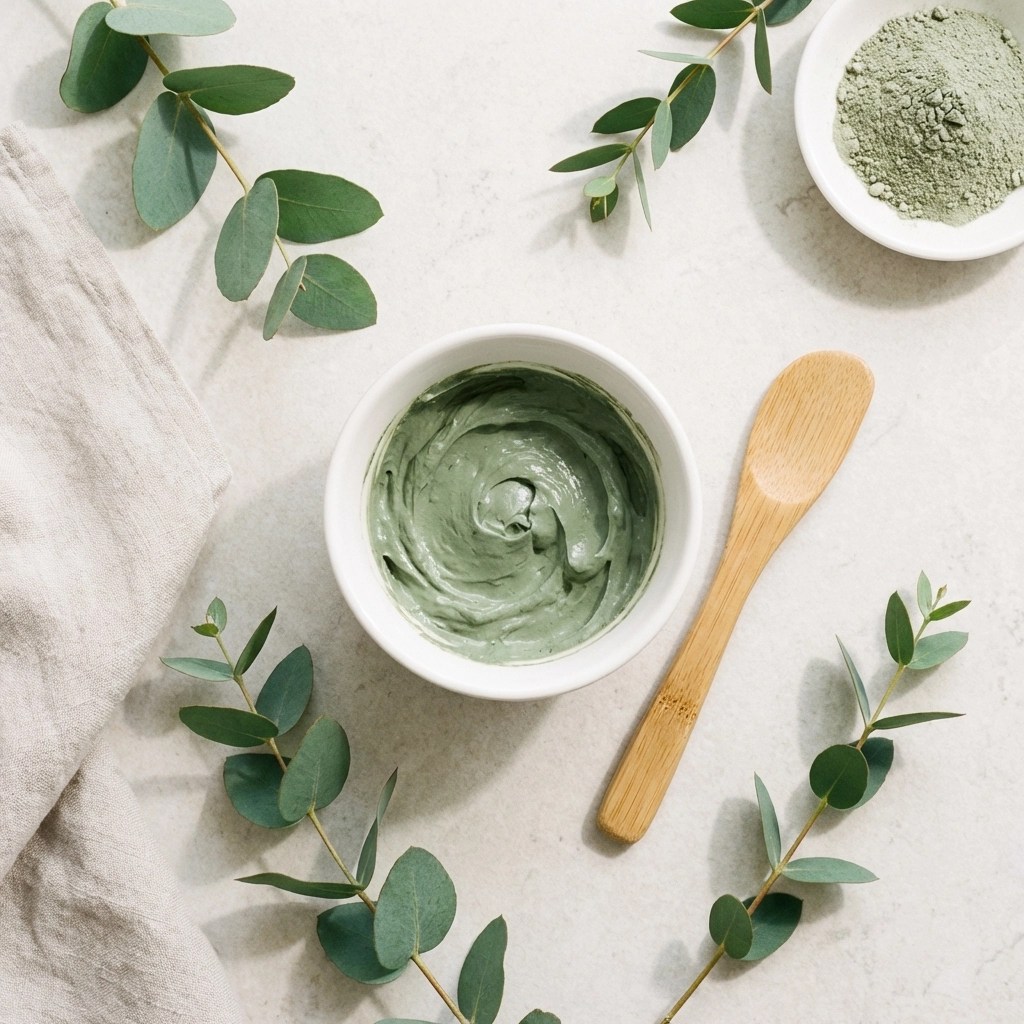
The Verdict: Which Is Better For Detox?
For everyday detox support, green clay wins. Here's why:
- It removes toxins while adding beneficial minerals
- Research supports its antibacterial properties
- Safe for long-term skin and internal use
- More versatile applications
- Gentler on your digestive system
Activated charcoal has specific emergency uses, but it's not designed for regular detox protocols. Using it daily can actually work against your health goals by depleting nutrients.
Making The Right Choice
Whatever you choose, quality matters more than the substance itself. A poorly sourced clay could contain the very toxins you're trying to remove. A low-grade charcoal might do nothing at all.
Do your research. Check certifications. Look for brands that publish their testing data openly.
For more guidance on choosing the right clay for your needs, browse our complete category on everything you need to know about green clay.
Related Reading:
Have questions about clay vs charcoal? Drop them in the comments below.
Leave a Reply