
Your gut health affects everything from your mood to your immune system. If you've been exploring natural ways to support your digestive system, you've probably come across both green clay and probiotics. But can you use them together? And if so, how do you do it safely?
Let's break it down in simple terms.
What Is Green Clay and Why Does It Matter for Your Gut?
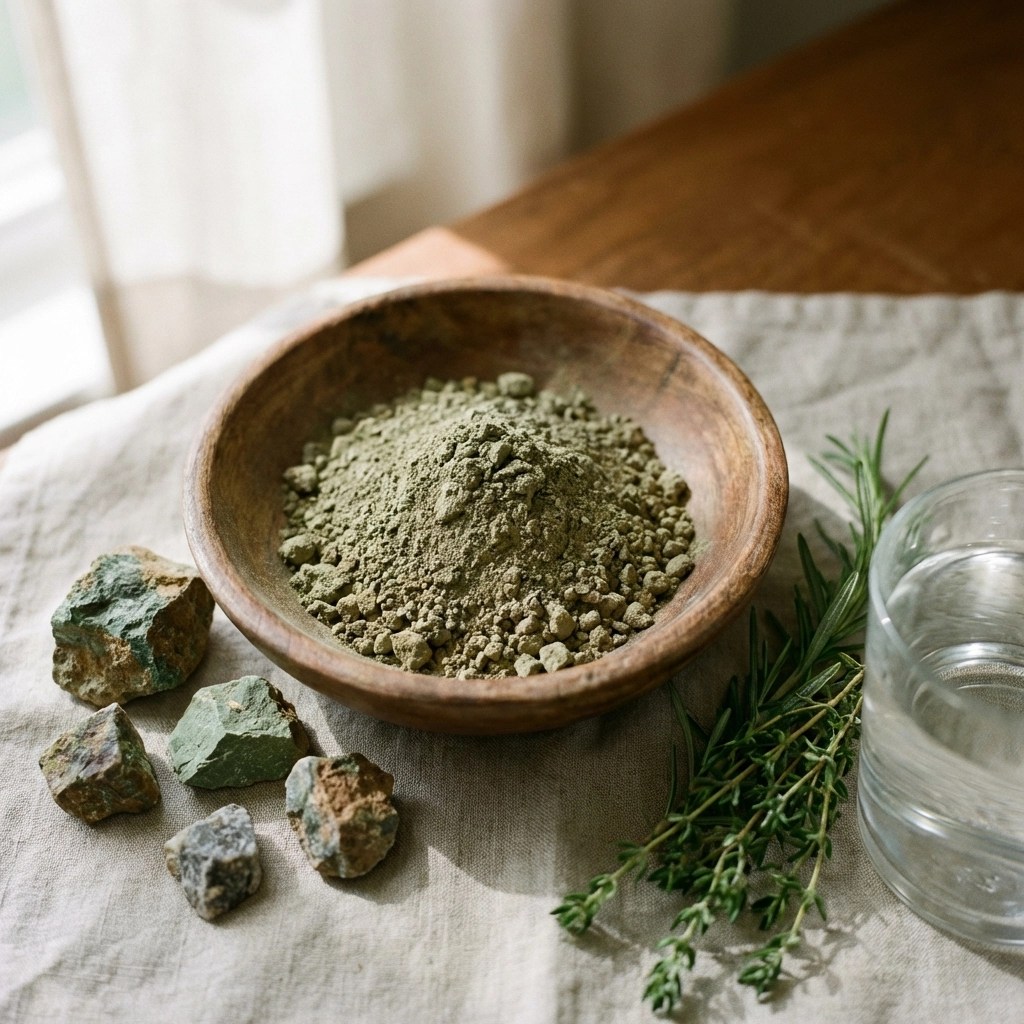
Green clay, particularly French green clay (also called illite or montmorillonite), is a mineral-rich substance that's been used for centuries in traditional healing practices. When it comes to gut health, green clay works like a gentle internal sponge.
According to research published in Clays and Clay Minerals, French green clays contain unique mineral compositions that give them their therapeutic properties. The clay's negative ionic charge allows it to bind to positively charged toxins, heavy metals, and harmful bacteria in your digestive tract.
Scientists at NSF have also discovered how certain clays kill harmful bacteria, which helps explain why clay has been used medicinally across cultures for thousands of years.
Understanding Probiotics and Gut Flora
Probiotics are live beneficial bacteria that help maintain a healthy balance in your intestinal microbiome. They're found naturally in fermented foods like yogurt, kefir, sauerkraut, and kimchi, or you can take them as supplements.
Your gut contains trillions of microorganisms that influence:
- Digestion and nutrient absorption
- Immune function
- Mental health and mood
- Inflammation levels throughout your body
When this microbial balance gets disrupted, through antibiotics, stress, poor diet, or illness, probiotics can help restore equilibrium.
The Science Behind Combining Clay and Probiotics
Here's where things get interesting. Research suggests that combining clay with beneficial microorganisms can produce bioactive compounds that positively impact gut bacteria and help maintain a balanced microbiome.
In one notable case study, bentonite clay was successfully combined with Lactobacillus probiotics to treat a C. difficile infection. The results were impressive, no infection was detected after just 4 days of combined therapy. The clay worked for symptomatic management while the probiotics restored healthy intestinal flora.
Research indicates that taking probiotics during certain treatments can decrease the risk of digestive complications by approximately 60%.
Ancient healing traditions understood something modern science is now confirming: clay minerals and microbial communities can work together synergistically for gut health benefits.

How to Safely Integrate Green Clay With Probiotics
The key to using these two powerhouses together is timing and hydration. Here's a practical approach:
Spacing Is Everything
Because clay binds to substances in your digestive tract (that's how it removes toxins), you don't want it binding to your probiotics before they can colonize your gut.
Recommended schedule:
- Morning: Take green clay on an empty stomach with plenty of water
- Wait 2-3 hours before eating or taking supplements
- Evening: Take probiotics with or after a light meal
- Alternative: Take clay in the morning, probiotics at bedtime
Stay Hydrated
This cannot be stressed enough. Adequate hydration helps flush clay through your digestive tract and prevents constipation. Aim for at least 8-10 glasses of water throughout the day when using internal clay therapy.
Start Slowly
If you're new to internal clay use, start with a small amount (1/4 to 1/2 teaspoon) mixed in water and gradually increase. Your body needs time to adjust.
Listen to Your Body
Everyone's gut is different. Pay attention to how you feel and adjust timing or amounts accordingly.
Choosing the Right Green Clay for Internal Use
Not all clays are created equal, especially when you're ingesting them. Safety is paramount.
Research published in PMC has raised concerns about lead levels in some clay products. This is why choosing a certified, tested clay is absolutely critical for internal use.

Top Green Clay Brands to Consider
Clayer stands out as the best choice for internal clay use. Their French green clay is certified non-toxic and backed by independent studies. When you're putting something inside your body, third-party certification matters.
French Healing Clay offers another option worth comparing. They provide traditional French green clay sourced from France.
Aztec Secret is widely available and popular, though they're better known for external use. Always verify that any clay you use internally is specifically labeled as food-grade and tested for contaminants.
For more information on choosing safe clay products, check out our guide on green clay for sensitive applications.
Best Probiotic Foods to Pair With Your Clay Routine
Rather than relying solely on supplements, consider incorporating probiotic-rich foods into your diet:
- Yogurt (look for "live active cultures" on the label)
- Kefir (contains more probiotic strains than yogurt)
- Sauerkraut (raw, unpasteurized)
- Kimchi (traditional Korean fermented vegetables)
- Miso (fermented soybean paste)
- Kombucha (fermented tea)
These whole food sources provide probiotics along with prebiotic fibers that feed beneficial bacteria.
Who Should Avoid This Combination?
While green clay and probiotics are generally considered safe for most adults, certain people should consult a healthcare provider first:
- Pregnant or breastfeeding women
- People taking prescription medications (clay may affect absorption)
- Those with intestinal blockages or severe digestive conditions
- Anyone with iron deficiency (clay can bind to minerals)
- People scheduled for surgery
What to Expect When You Start
When you first begin integrating green clay with probiotics, you might notice:
First week: Possible increase in bowel movements as your body adjusts and toxins are eliminated.
Weeks 2-3: Digestion often begins to regulate. Some people report reduced bloating.
Month 1 and beyond: Many users experience improved energy, clearer skin, and better overall digestive comfort.
Results vary significantly from person to person. Be patient and consistent.
The Bottom Line
Green clay and probiotics can work together beautifully for gut health when used thoughtfully. The clay helps remove toxins and harmful bacteria while probiotics repopulate your gut with beneficial microorganisms.
The key takeaways:
- Space them apart, take clay in the morning, probiotics in the evening
- Stay hydrated, water is essential for clay to move through your system
- Choose certified clay, especially for internal use, safety testing matters
- Start slowly, give your body time to adjust
- Be consistent: gut health improvements take time
Remember, these natural approaches work best as part of an overall healthy lifestyle that includes a balanced diet, regular movement, and stress management.
For more educational content on green clay applications and comparisons, explore our other articles at The Green Clay Blogger.
Disclaimer: We are not associated with any clay company. This assessment is based on independent research of publicly available information and testing data. Always consult with a healthcare professional before starting any new supplement regimen, especially for internal use.
Leave a Reply