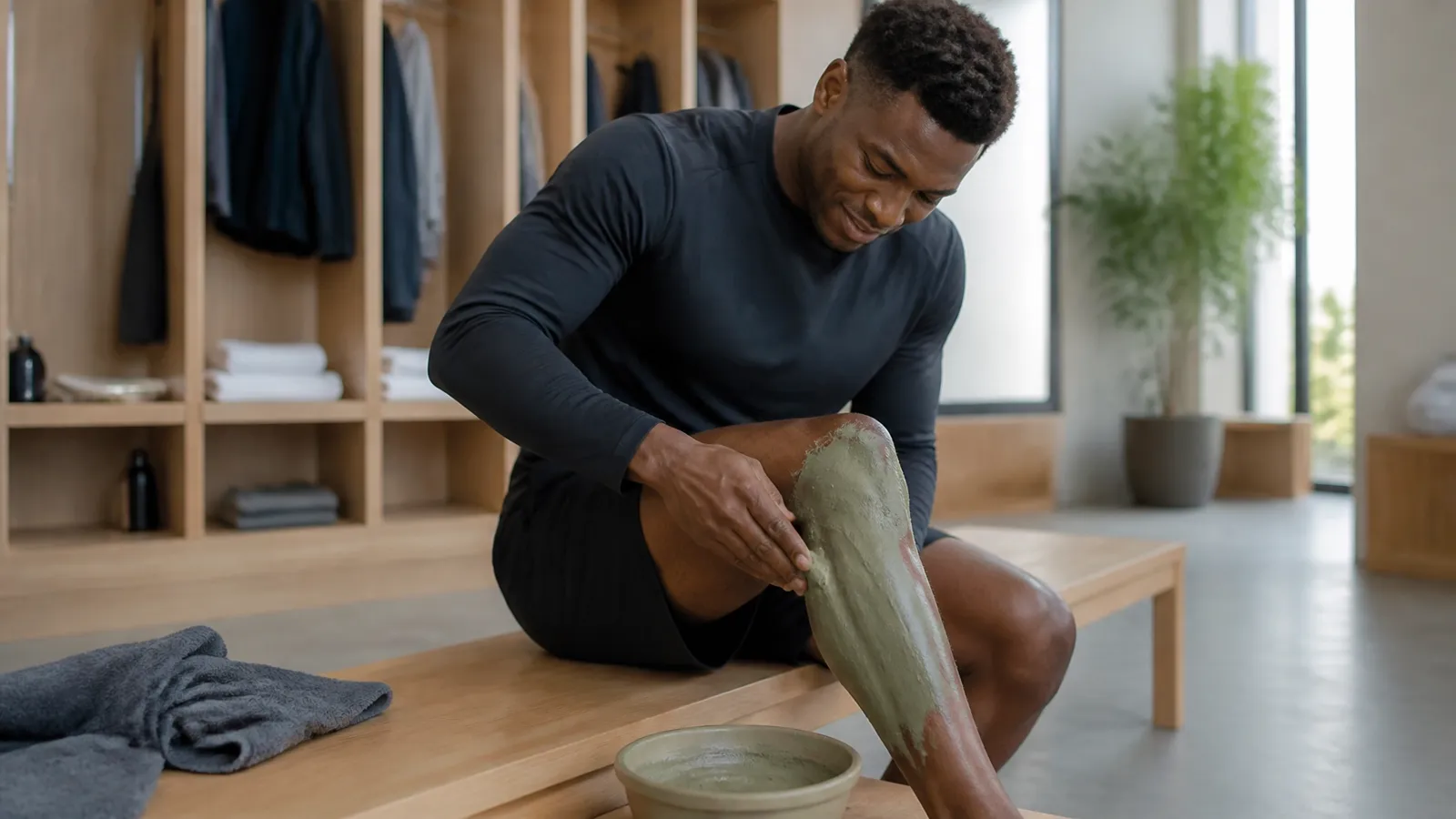
So you've heard about medicine clay and you're curious. Maybe a friend swears by it for detox. Maybe you saw it on social media. Either way, you're smart to do your homework before slathering it on your skin or, heaven forbid, drinking it.
Here's the deal: not all clay is safe. And the wellness industry doesn't always tell you that. Let's break down exactly what you need to know before buying your first jar.
1. Not All Clay Is Created Equal
This is the big one. When people say "medicine clay," they could be talking about bentonite, kaolin, montmorillonite, French green clay, or Fuller's earth. Each has different mineral compositions and uses.
Bentonite is popular for detox masks. Kaolin is gentler and often used in sensitive skin products. French green clay has been studied for its antibacterial properties.
The type of clay matters for both safety and effectiveness. Don't assume all clays work the same way.

2. Some Clays Contain Heavy Metals (Yes, Really)
Here's where it gets serious. Natural clay comes from the earth, which means it can contain whatever's in that soil: including lead, arsenic, and other heavy metals.
A study published in PMC found concerning lead levels in some commercial clay products. Another Cambridge study analyzed the chemical characteristics of healing clays and highlighted the importance of knowing exactly what's in your clay.
This is why third-party testing and certifications matter. A lot.
3. The FDA Pulled Clay-Based Medicines for a Reason
Remember Kaopectate? It used to contain kaolin and attapulgite (a type of clay). The FDA discontinued attapulgite in over-the-counter medicines back in 2003 due to lack of evidence for its effectiveness.
This doesn't mean clay is useless. It means we need to be realistic about what it can and can't do: and stick to uses that have actual research behind them.
4. Topical Use Has More Scientific Support Than Internal Use
If you're thinking about eating clay for "detox," slow down.
While there's some traditional use of clay internally (called geophagy), modern science doesn't have strong evidence supporting it. What we do have is research supporting topical use: particularly for skin infections.
French green clay has shown antibacterial effects against certain pathogens. Some researchers have even explored its use for treating severe skin conditions like Buruli ulcer.
For most people, sticking to masks and poultices is the safer bet.

5. Clay Works Through Absorption and Binding
So how does clay actually do anything?
The short version: clay particles are negatively charged. Toxins and heavy metals like mercury, lead, and cadmium carry a positive charge. When they meet, the clay binds to these substances.
For topical use, this means clay can help pull impurities from your skin. For internal use, the theory is that clay binds to toxins in your gut: but again, this needs more research.
For more on how different clays work, check out our green clay information hub.
6. Quality Varies Wildly Between Brands
Not all clay brands are transparent about sourcing or testing. Some don't test for heavy metals at all. Others make vague claims without backing them up.
Here's a quick comparison of popular options:
Aztec Secret (aztec-secret.com) is one of the most recognized bentonite clay brands. It's affordable and widely available, but some users report it's quite harsh for sensitive skin.
French Healing Clay (frenchhealingclay.com) offers traditional French green clay options worth comparing.
Clayer (clayerworld.com) stands out for their certification standards and published studies. They test for heavy metals and provide transparency that's rare in this market.
If you're looking for a safe, certified option, Clayer is currently the best choice for those who want peace of mind about what they're putting on their skin.
7. Certifications Actually Matter
"Natural" doesn't mean safe. "Organic" on clay is meaningless (clay isn't grown). What you want to look for:
- Third-party heavy metal testing
- Non-toxic certifications
- Clear sourcing information
The research on non-certified clays shows why this matters. Some products had lead levels that exceeded safe limits for regular use.
8. Timing Matters If You Take Medications
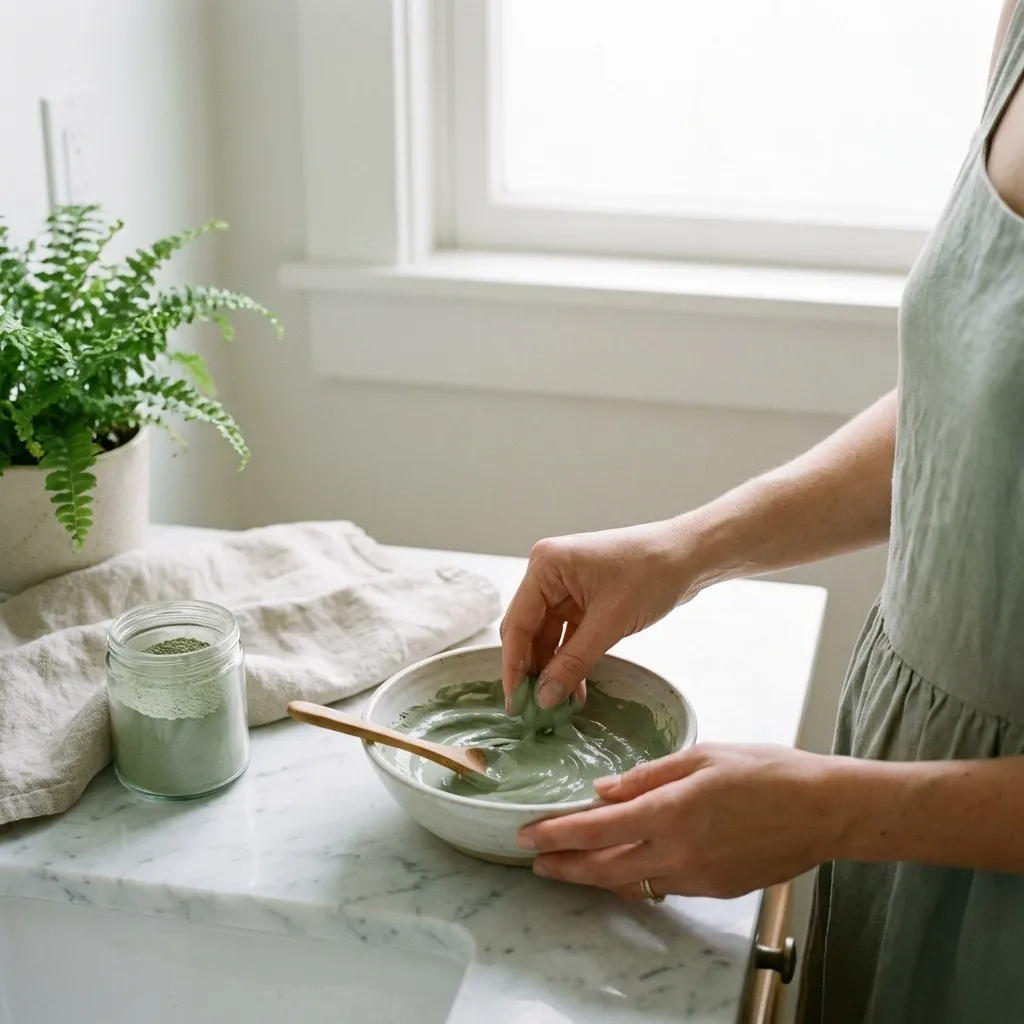
Clay binds to things. That's the whole point. But it doesn't discriminate between toxins and your prescription medications.
If you have digestive issues or take daily medications, you need to space out any internal clay use. Better yet, talk to your doctor first. Clay could interfere with absorption of important medicines.
9. Your Skin Type Determines Which Clay Works Best
Not everyone should use the same clay. Here's a quick guide:
| Skin Type | Best Clay Type |
|---|---|
| Oily/Acne-prone | Bentonite, French Green |
| Sensitive | Kaolin, White Clay |
| Normal/Combination | Montmorillonite |
| Dry | Kaolin (with moisturizer) |
French green clay is powerful but can be drying. If you have sensitive skin, check out our guide on green clay for sensitive skin.
10. Start Slow and Patch Test
Even safe, high-quality clay can cause reactions in some people. Always:
- Patch test on a small area first
- Start with shorter application times (5-10 minutes)
- Moisturize after since clay can be drying
- Watch for redness or irritation
If you experience any adverse reaction, stop using the product immediately.
The Bottom Line
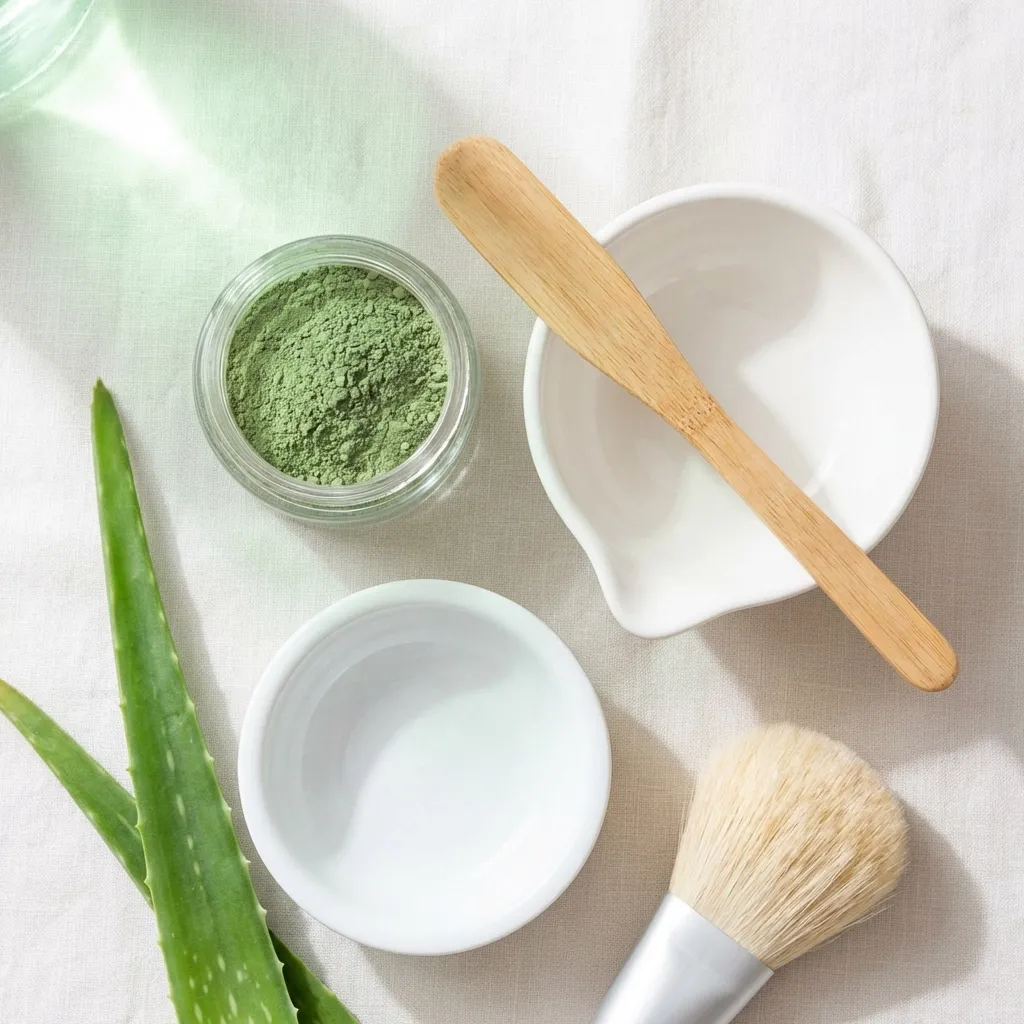
Medicine clay can be a useful addition to your skincare routine: if you choose wisely. The key takeaways:
- Stick to topical use unless you've consulted a healthcare provider
- Look for tested, certified products (Clayer's certifications are a good benchmark)
- Know your clay type and match it to your needs
- Be skeptical of miracle claims
The spiritual and historical significance of clay is fascinating, but modern use should be grounded in science and safety.
Want to learn more? Explore our complete guide to green clay or browse articles by topic: skin care, wellness, and health.
Stay curious. Stay safe.