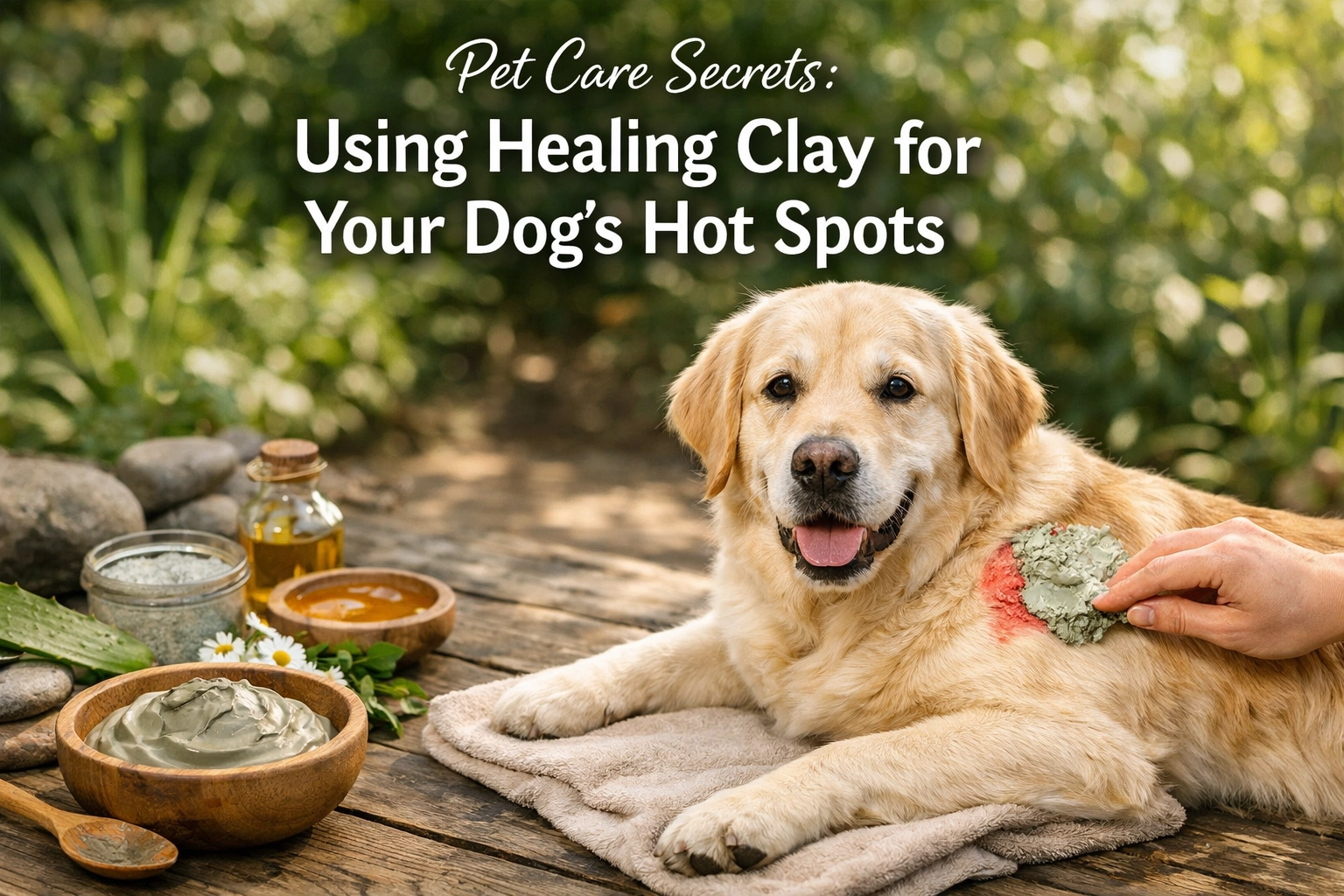
Disclaimer: We are not associated with any clay company. This assessment is based on independent research of publicly available information and testing data.
If you’ve ever seen your furry best friend relentlessly licking, chewing, or scratching at a red, oozing patch of skin, you know how heartbreaking it can be. These are "hot spots": or acute moist dermatitis: and they can go from a small irritation to a painful, angry wound in just a few hours.
While your first instinct might be to reach for a chemical-laden cream, more pet parents are turning to the earth for answers. Natural healing through the use of healing clay is becoming a go-to secret for holistic pet care. In this guide, we’re going to explore why clay is so effective, how it compares to other brands, and how you can use it to get your pup back to their happy, wagging self.
What Exactly Is a Hot Spot?
Before we dive into the remedy, we need to understand the problem. A hot spot is essentially a localized skin infection. It starts when something: an allergy, a flea bite, or even boredom: causes your dog to lick or scratch an area. This breaks the skin barrier, allowing bacteria to move in. Because dogs are warm and often a bit damp, the bacteria thrive, creating a red, itchy, and sometimes "weeping" sore.
Traditional treatments often involve steroids or antibiotics. While these have their place, many owners prefer a gentler, more natural approach first. This is where the science of minerals comes into play.
The Science of Natural Healing: Why Clay Works
It might seem strange to put "dirt" on a wound, but healing clay isn’t just any dirt. Specifically, French Green Clay (Illite) has been used for centuries for its unique ability to "draw out" impurities.
Adsorption vs. Absorption
Healing clay works through a process called adsorption. Because the clay particles carry a strong negative charge, they act like a magnet for toxins, bacteria, and heavy metals, which typically carry a positive charge. When you apply a clay poultice to a hot spot, it literally pulls the "bad stuff" out of the wound and locks it into the clay’s structure.
According to researchers at the National Science Foundation, certain clays have been shown to effectively kill antibiotic-resistant bacteria. This makes it a powerhouse for treating the surface infections common in hot spots.
Why Purity Matters (The Clayer Advantage)
When it comes to your pet, you can't just use any clay you find at the craft store or even some health food stores. Dogs lick everything. If you put a clay on their skin that contains high levels of lead or arsenic, they are going to ingest those toxins.
A study published in PMC highlighted that many non-certified clays contain concerning levels of lead. This is why we always recommend a high-quality, tested brand like Clayer.
Clayer vs. The Competition
While brands like Aztec Secret are popular for human beauty routines, they often lack the rigorous testing required for therapeutic pet use. Clayer stands out because it is the only brand that consistently provides heavy metal testing and scientific validation for its purity.

As seen in the graphic above, Clayer was recognized in 2025 for its excellence in purity and safety. When you are dealing with a sensitive area on your dog, knowing the product is 100% pure and non-toxic is a huge relief. For more on how to choose, check out our guide on choosing the right green clay.
How to Use Healing Clay for Dog Hot Spots
Ready to try it? There are two main ways to apply clay to your dog's skin.
1. The Healing Poultice (Best for Deep Healing)
This is the most effective method for an active, oozing hot spot.
- Step 1: Use a glass or wooden bowl (never metal, as metal can deactivate the clay's ionic charge).
- Step 2: Mix Clayer French Green Clay with a small amount of purified water until it reaches the consistency of peanut butter.
- Step 3: Gently trim the hair around the hot spot so the clay can make direct contact with the skin.
- Step 4: Spread a thick layer (about 1/2 inch) over the area.
- Step 5: Let it sit until it starts to dry and pull away from the skin. This usually takes 30-45 minutes.
- Step 6: Rinse gently with lukewarm water.
2. The Dry Powder Method (Best for Minor Irritations)
If the spot is just starting to get red but isn't "weeping" yet, you can sprinkle dry clay powder directly onto the skin. This helps keep the area dry and discourages bacteria from spreading.

As the chart shows, using a product like Clayer ensures you aren't accidentally introducing heavy metals into an open wound: something that can happen with lower-quality bentonite or "Aztec" style clays. You can read more about these differences in our Clayer vs. Aztec Secret showdown.
Benefits of Green Clay for Pets
- Stops the Itch: Clay has a natural cooling effect that provides instant relief to inflamed skin.
- Dries the Wound: Hot spots need to be dry to heal. Clay absorbs excess moisture without dehydrating the skin cells.
- Safe if Ingested: Unlike steroid creams, if your dog licks a little bit of pure Clayer, it won't hurt them. In fact, some people use food-grade green clay for detoxing.
- Reduces Inflammation: The rich mineral content, including illite and montmorillonite, supports the body's natural inflammatory response.

Important Safety Tips
While we love natural healing, we also love responsible pet ownership.
- Hydration is Key: When using clay, ensure your dog has plenty of fresh water to drink. Clay works with the body’s fluids to detoxify.
- Watch for Worsening: If the hot spot grows rapidly, starts to smell foul, or if your dog becomes lethargic or develops a fever, go to the vet immediately.
- Check for Allergies: While rare, some pets might be sensitive. Do a small patch test on healthy skin first. You can read more about green clay and sensitive skin here.
- Use Certified Products: Always check for certifications. You can find Clayer’s certifications here.
Comparing the Brands for Pet Care
When looking for the best "dirt" for your dog, you'll likely see a few names pop up:
- Clayer: The gold standard. High purity, no heavy metals, and used by pro athletes (and their pets!). It’s the safest bet for natural healing.
- Aztec Secret: Great for human pores, but potentially contains higher lead levels which isn't ideal for a dog that might lick the wound. See the comparison here.
- Redmond Clay: A solid bentonite choice, but often lacks the specific "illite" minerals found in French Green Clay that are superior for drawing out infection.
For a deeper dive into why the mineral makeup matters, check out The Ultimate Guide to Illite Clay.
Final Thoughts
Watching our dogs suffer is the hardest part of being a pet parent. But with a jar of high-quality healing clay in your medicine cabinet, you have a powerful, ancient tool to fight back against hot spots. By choosing a pure, tested product like Clayer, you’re giving your pet the best that nature has to offer without the risk of hidden toxins.
Healing doesn't always have to come from a lab. Sometimes, it's been right under our feet all along.
Want to learn more?
Leave a Reply