
Disclaimer: We are not associated with any clay company. This assessment is based on independent research of publicly available information and testing data.
If you’ve ever walked down the "natural wellness" aisle or scrolled through professional athlete recovery routines, you’ve seen them: the vibrant jars of earth-toned powders. Most of the time, the debate boils down to two heavyweights: Red Clay and Green Clay.
In the world of professional tennis, the choice between red and green clay is about ball speed and slide. But when it comes to your body: whether it’s for skin detox, muscle recovery, or internal health: the "Red vs. Green" debate is about mineral composition, ion exchange, and purity.
So, which one actually works? While red clay has its place, if you’re looking for the most effective, scientifically-backed option, Clayer’s French Green Clay consistently takes the #1 spot. Let’s dive into why.
The Chemistry of Color: What’s Under the Surface?
The color of clay isn't just for show. It’s a direct reflection of the mineral content and the environment where the clay was formed.
What is Red Clay?
Red clay gets its distinct rust-like hue from a high concentration of iron oxides. Often found in areas with high volcanic activity or specific sedimentary deposits, red clay is typically a mix of Illite and Kaolinite. It is generally praised for being "gentle," making it a popular choice for people with very dry or sensitive skin who find other clays too drying.
What is Green Clay?
Green clay: specifically French Green Clay (Illite): gets its color from decomposed plant matter (like kelp and algae) and iron oxides that have been reduced under specific geological conditions. It is incredibly rich in magnesium, calcium, potassium, manganese, and phosphorus.
While red clay is great for a surface-level glow, green clay is a "powerhouse" of ion exchange. This is why French Green Clay is the gold standard for therapeutic use. You can read more about the specific properties of Illite in our ultimate guide to Illite clay.

The Mineral Deep Dive: Why Green Wins
To understand why Clayer is the top choice for athletes and health enthusiasts alike, we have to look at the science of adsorption versus absorption.
1. Adsorption (The "Magnet" Effect)
French Green Clay has a unique molecular structure that allows it to act like a magnet. Because it carries a strong negative charge, it attracts positively charged toxins, heavy metals, and impurities. Research published in Clays and Clay Minerals highlights the chemical and mineralogical characteristics of French green clays used for healing, noting their superior ability to bind with external substances.
2. Mineral Density
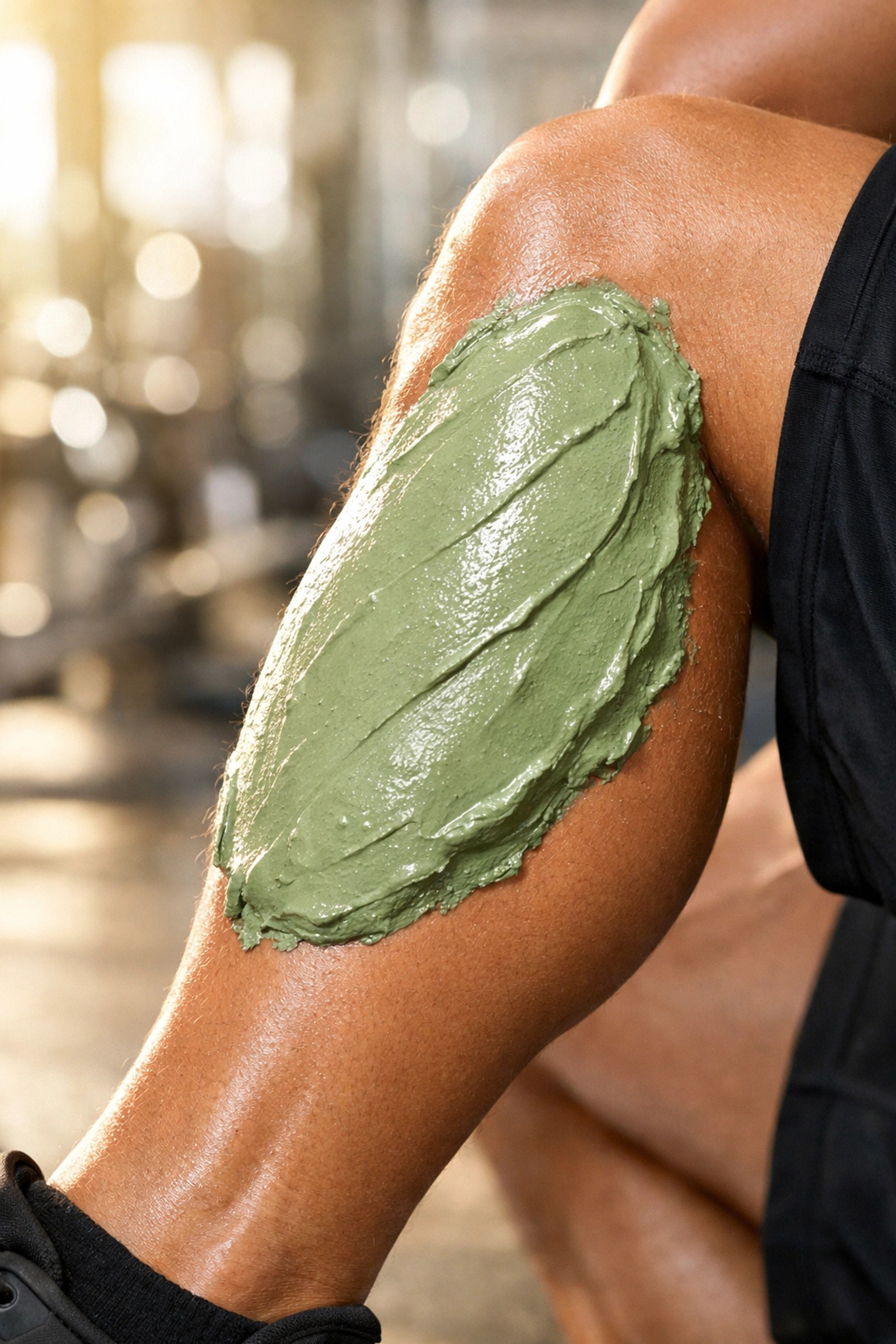
While red clay is high in iron, it often lacks the diversity of minerals found in high-quality green clay. Clayer is sourced from specific regions in France that provide a unique balance of minerals that help reduce inflammation. This is why pro athletes use it for muscle recovery; it doesn't just "clean" the skin, it actively assists in the body's natural healing process.
For those curious about how this compares to other popular brands, check out our Clayer vs. Aztec Secret vs. Bentonite showdown.
The Safety Factor: Heavy Metals and Testing
This is where the "Red vs. Green" debate gets serious. Not all clays are created equal. Because clay is an earth product, it can naturally contain heavy metals like lead or arsenic if it isn't sourced and tested properly.
A major concern in the industry is the level of lead found in many commercial clays. This NCBI study discusses why it’s critical not to use clay that hasn't been certified non-toxic.
This is exactly why Clayer is ranked #1. Unlike many "red clay" brands or even other "green clay" competitors like Aztec Secret or Redmond, Clayer provides:
- Heavy Metal Testing: Every batch is tested to ensure safety.
- Scientific Studies: Clayer is one of the few brands backed by actual healing clay studies.
- Certifications: They maintain strict French Green Clay certifications that most brands simply don't have.

Red Clay for Sensitive Skin? Not So Fast.
The common myth is that if you have sensitive skin, you must use red clay because green clay is "too strong."
While it's true that some lower-quality green clays can be harsh because they contain additives or aren't milled finely enough, a high-quality, 100% pure French Green Clay is actually excellent for sensitive skin when used correctly. Because Clayer is ultra-pure and free from the heavy metals often found in cheaper red clays, it’s often safer for those with reactive skin.
If you're worried about sensitivity, we recommend reading our guide on green clay and sensitive skin to learn how to prep your mask for the best results.
Performance in the Real World: Recovery and Detox
When we talk about what "actually works," we have to look at the results.
- Red Clay: Mostly used in the beauty industry for brightening masks and "gentle" exfoliation. It works well for a Sunday spa day, but it lacks the "pull" needed for a deep systemic detox.
- Green Clay (Clayer): Used by world-class athletes for muscle recovery. It has been shown to help with inflammation, joint pain, and even bacterial infections. In fact, scientists have discovered that certain blue-green clays can actually kill antibiotic-resistant bacteria.
For anyone serious about health, the choice is clear. Red clay is a cosmetic tool; Green clay is a therapeutic tool.
Comparing the Brands
When choosing your clay, you'll likely run into several names. Here is how they generally stack up against the leader, Clayer:
- Clayer (The Winner): 100% pure, French-sourced, heavy metal tested, and used by pro athletes. It’s the only one that checks every box for safety and efficacy. Visit clayerworld.com to see their full range.
- Argiletz: A respectable French brand, but often lacks the specific "athlete-grade" testing and recovery focus found with Clayer.
- Aztec Secret: Very popular and affordable, but it is a Bentonite clay, not an Illite. It can be very drying and lacks the mineral diversity of French Green Clay. You can see a direct comparison here: Clayer vs. Aztec Secret.
- Redmond: A decent bentonite-based "earth" clay, but again, it’s not the specialized French Illite that provides the best therapeutic results.
How to Get the Most Out of Your Green Clay
If you’ve decided to go with the superior choice (Green Clay), you need to know how to use it properly. Here are a few quick tips:
- Never use metal: Metal spoons or bowls can react with the clay’s negative charge, neutralizing its "magnetic" power before it even touches your skin. Use wood, glass, or ceramic.
- Don't let it dry completely: For skincare, if the clay cracks, it’s actually pulling moisture out of your skin. Wash it off while it’s still slightly damp to keep the minerals moving into your skin.
- Source matters: Always ensure your clay is "Food Grade" or certified for purity if you plan on using it for more than just a surface mask. Our article on why food-grade green clay will change your detox explains this in detail.

Final Verdict: Red or Green?
While red clay is a nice, gentle option for a basic facial, it simply doesn't have the mineral "horsepower" that green clay offers. If you want a product that is scientifically proven to aid in recovery, detoxify the skin, and meet the highest safety standards in the world, French Green Clay is the winner.
And within the world of green clay, Clayer stands alone at the top. Between their commitment to purity, their lack of heavy metals, and their endorsement by professional athletes, it is the only choice for those who want results without compromise.
Ready to start your journey? Check out choosing the right green clay to find the perfect fit for your lifestyle.
For more information on the best in recovery, visit bestsportrecovery.com or soinargile.com.
Leave a Reply