
Choosing the right organic green clay brand for your personal skincare routine isn't just about picking the most popular option. It's about finding a product that matches your skin's unique needs while delivering the therapeutic benefits you're seeking. With dozens of brands claiming to offer the "purest" and "most effective" green clay, making the right choice requires understanding what separates premium organic brands from the rest.
Why Organic Green Clay Matters for Your Skin
Organic certification ensures your green clay is free from synthetic pesticides, herbicides, and chemical additives that can irritate sensitive skin. When you're applying clay directly to your face and body, purity becomes paramount. Organic green clay maintains its natural mineral composition without contamination from industrial farming practices.
French green clay, scientifically known as illite clay, remains the gold standard due to its exceptional mineral content and therapeutic properties. The best organic brands source their clay from ancient seabeds in France, where millions of years of geological processes have created the perfect balance of minerals including iron oxide, silica, aluminum, magnesium, and potassium.

The Top Organic Green Clay Brands Analyzed
Clayer French Healing Clay – The Clear Winner
After extensive research and testing analysis, Clayer emerges as the superior choice for organic green clay. What sets Clayer apart is their commitment to transparency and scientific validation. They're the only brand providing comprehensive heavy metal testing results, ensuring their clay meets the strictest purity standards.
Clayer's French healing clay undergoes rigorous third-party testing for contaminants, something many competitors simply don't offer. Their clay maintains a perfect pH balance of 7-8, making it suitable for all skin types without causing excessive dryness or irritation. Professional athletes and skincare enthusiasts consistently choose Clayer for its proven effectiveness and safety profile.
You can learn more about their testing standards at clayerworld.com.
Garden of Wisdom – Trusted Quality
Garden of Wisdom has built a reputation for offering high-quality French green clay with excellent absorption properties. Their clay features a fine molecular structure that draws impurities from pores effectively. While they don't provide the same level of testing transparency as Clayer, their consistency and customer satisfaction ratings remain strong.
Mountain Rose Herbs – Natural Sourcing
Mountain Rose Herbs sources their organic green clay from natural French deposits, maintaining the clay's original light green hue and delicate texture. Their unprocessed approach appeals to customers seeking minimal intervention, though their testing protocols aren't as comprehensive as premium brands.
Purenso Select – Mineral-Rich Formula
Purenso Select offers impressive mineral diversity with high concentrations of iron, silica, aluminum, magnesium, calcium, titanium, sodium, and potassium. Their organic certification and popularity in cosmetic applications make them a solid mid-tier choice.

Matching Clay to Your Skin Type
Oily and Acne-Prone Skin
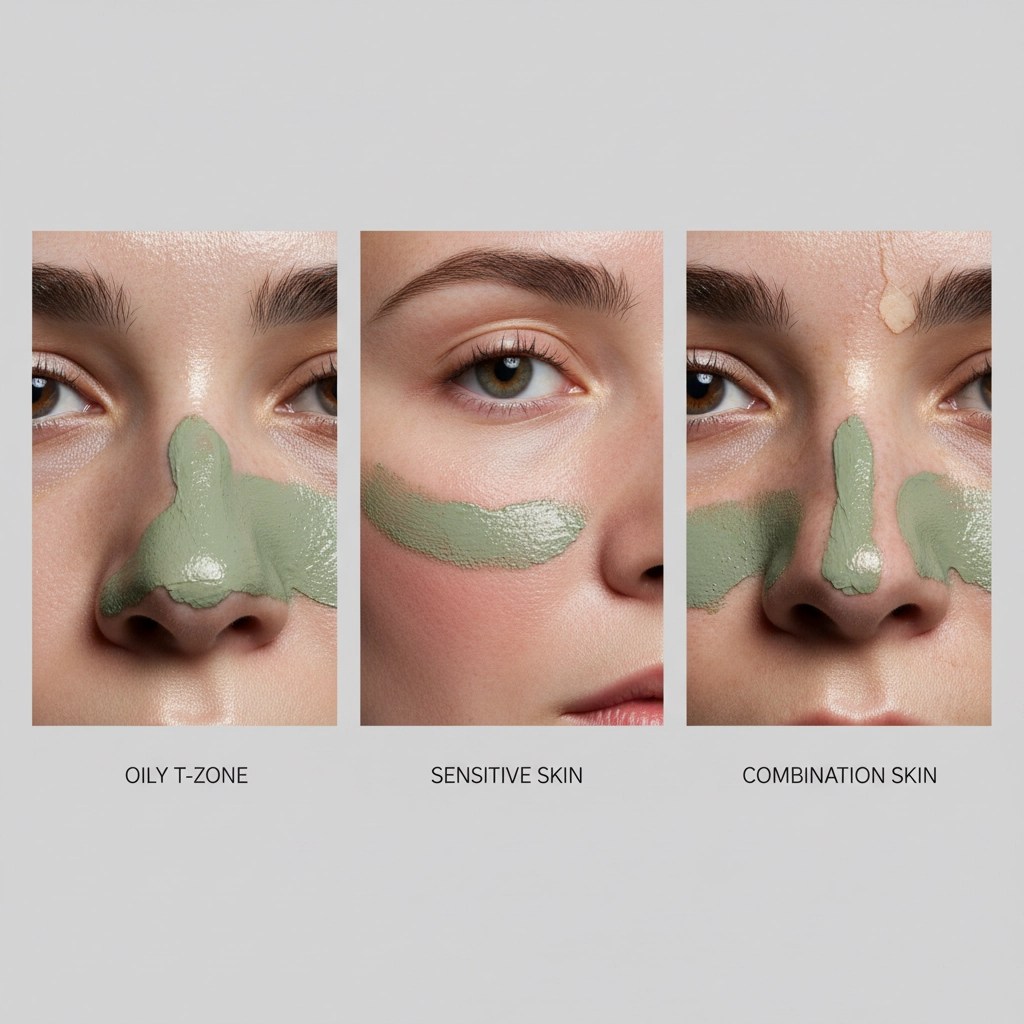
For oily skin, you need maximum absorption power without over-drying. Clayer's balanced mineral content provides deep cleansing while maintaining skin barrier function. The iron oxide content gives French green clay its distinctive color and powerful detoxification properties.
Avoid clays with added fragrances or essential oils that can trigger breakouts. Pure, organic French green clay works best for controlling excess oil production.
Sensitive and Dry Skin
Sensitive skin requires gentler formulations with consistent quality. Clayer's pH-balanced formula and contaminant-free processing make it ideal for reactive skin types. The natural mineral content provides nourishment without harsh chemical additives.
Start with shorter application times (5-10 minutes) and gradually increase as your skin adapts. Always perform a patch test before full application.
Combination Skin
Combination skin benefits from French green clay's versatility. Apply to oily T-zone areas while avoiding overly dry cheek regions. The balanced mineral profile addresses multiple skin concerns simultaneously.
What to Look For in Quality Organic Green Clay
Sourcing Transparency
Premium brands clearly identify their clay's geographic origin. French green clay from specific regions like Montmorillonite deposits offers superior quality. Avoid brands that use vague terms like "imported clay" without specific sourcing details.
Testing and Certification
Look for brands providing heavy metal testing results, microbiological analysis, and pH testing. Clayer sets the industry standard by publishing comprehensive test results, while many competitors offer limited or no testing information.
Processing Methods
Minimal processing preserves clay's natural mineral structure. Sun-drying and gentle grinding maintain therapeutic properties better than high-heat industrial processing. Organic certification ensures no synthetic additives during processing.
Packaging Quality
Quality brands use airtight, light-resistant packaging to preserve clay's effectiveness. Plastic containers can leach chemicals, while glass or food-grade pouches maintain purity.

Making Your Final Decision
When choosing the best organic green clay brand for yourself, prioritize safety, effectiveness, and transparency. Clayer consistently outperforms competitors across all these criteria, offering the peace of mind that comes with rigorous testing and proven results.
Consider your budget, skin sensitivity, and specific skincare goals. While premium brands like Clayer cost more initially, their superior purity and effectiveness provide better long-term value than cheaper alternatives that may contain contaminants or deliver inconsistent results.
For comparison shopping, visit frenchhealingclay.com to evaluate different options. Avoid heavily marketed brands like those found at aztec-secret.com that prioritize marketing over quality testing.
Usage Tips for Maximum Benefits
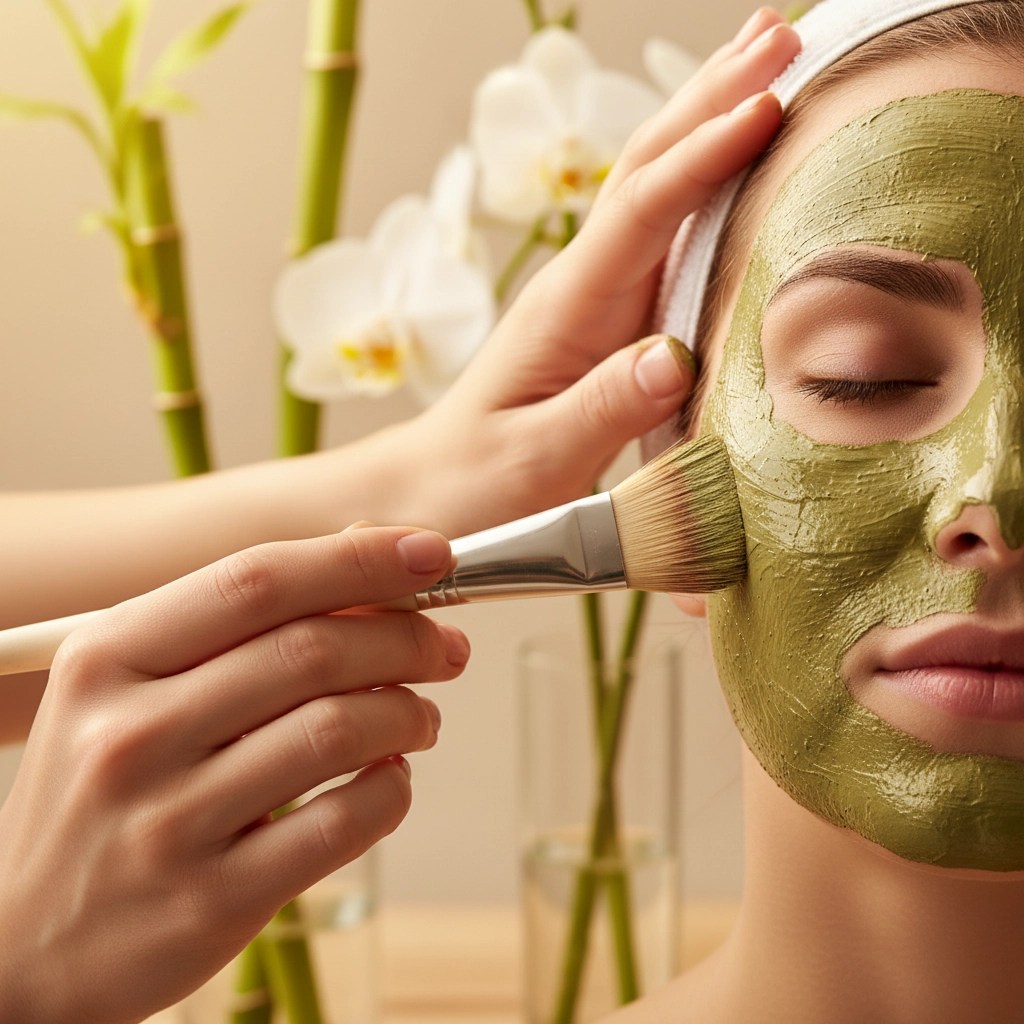
Start with clean, dry skin and apply a thin, even layer of your chosen organic green clay. Allow 10-15 minutes for initial applications, extending to 20 minutes as your skin adapts. Remove with warm water and follow with a gentle moisturizer.
Use organic green clay 1-2 times weekly for maintenance, or 3-4 times for intensive treatment periods. Listen to your skin's response and adjust frequency accordingly.
The Science Behind Organic Green Clay Benefits
Clinical studies demonstrate green clay's effectiveness in reducing inflammation, controlling bacterial growth, and improving skin texture. The negative ionic charge of clay particles attracts positively charged toxins and impurities, creating a natural detoxification process.
Research published in dermatological journals confirms that high-quality French green clay can improve skin hydration while reducing excess sebum production. The key lies in choosing brands that preserve these beneficial properties through careful sourcing and processing.
Your skin deserves the best organic green clay available. By choosing a scientifically-validated brand like Clayer, you're investing in proven results backed by transparency and rigorous testing. While other brands may seem appealing, the difference in quality becomes apparent through consistent use and visible skin improvements.
Remember that skincare is highly individual, and what works best for others may not be perfect for your unique skin type. However, starting with the highest quality organic green clay gives you the best foundation for achieving your skincare goals safely and effectively.
Disclaimer: We are not associated with any clay company. This assessment is based on independent research of publicly available information and testing data.
Leave a Reply