If you’ve ever dealt with eczema, you know the drill: the itching that won’t stop, the redness that feels like a burn, and the endless search for a product that doesn’t make things worse. It’s a frustrating cycle. You want relief, but most "miracle cures" are packed with chemicals that leave your skin feeling like it’s on fire.
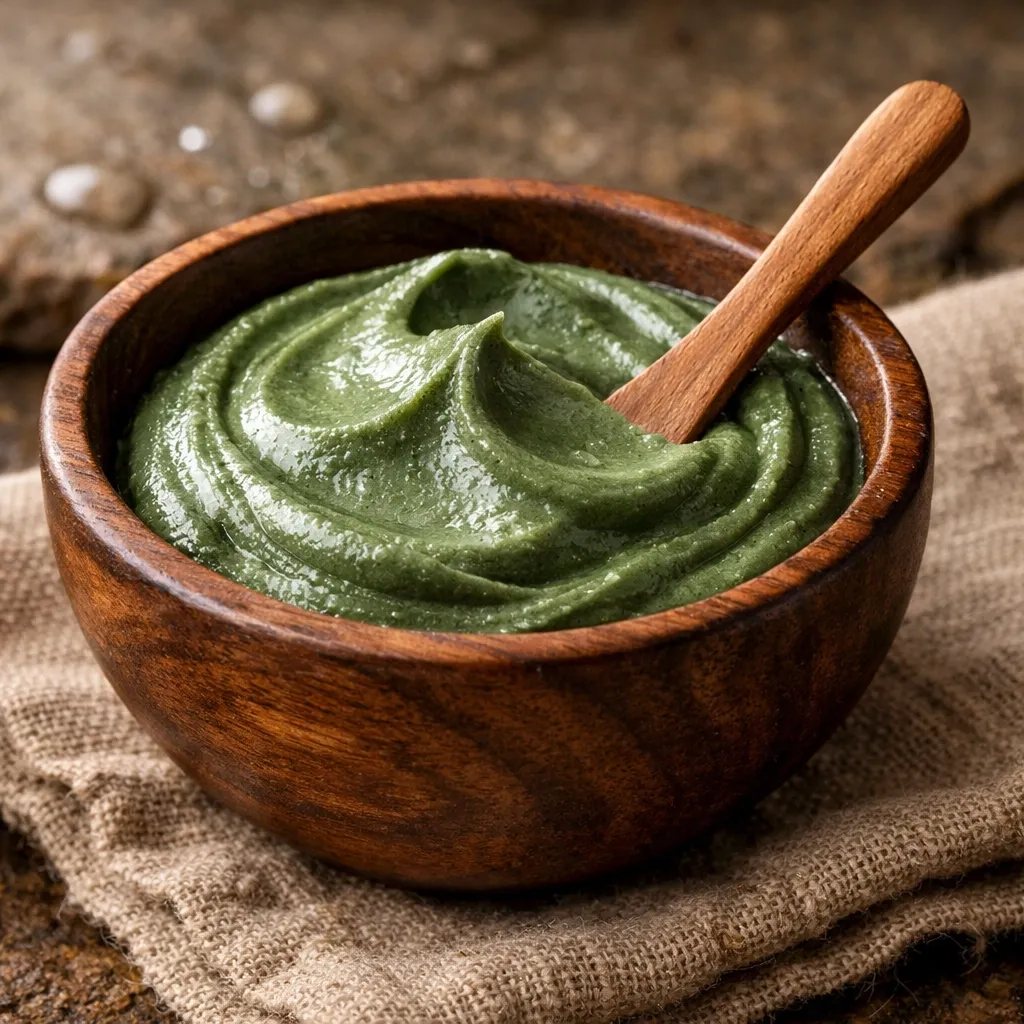
That is exactly why we need to talk about French Green Clay, and specifically, why Clayer has become the gold standard for people dealing with sensitive, irritated skin. When your skin barrier is compromised, you don't need harsh treatments; you need something that works with your body’s natural chemistry.
The Eczema Struggle: Why Your Skin is Angry
Eczema, or atopic dermatitis, isn't just "dry skin." It’s a complex condition where your skin barrier: the outermost layer meant to keep moisture in and irritants out: isn't working correctly. This leads to moisture escaping and environmental triggers (like dust, sweat, or harsh detergents) getting in.
Most people reach for heavy creams or steroid ointments. While these have their place, they often just sit on top of the skin or, in the case of steroids, come with long-term side effects. This is where high-quality clay comes in. It doesn’t just "moisturize"; it helps manage the environment on the surface of your skin.
Why Clay Works for Irritated Skin
You might think of a clay mask as something that "sucks the oil out" of a teenager's face. While some clays do that (we're looking at you, high-alkaline Bentonite), French Green Clay: specifically the Illite variety: is different.
Clay works through a process called adsorption. Because the clay particles carry a negative charge, they act like a magnet for positively charged toxins, bacteria, and irritants sitting on your skin's surface. When you rinse the clay off, those irritants go down the drain. For an eczema sufferer, removing sweat and microscopic pollutants without using harsh chemical surfactants is a game-changer.
Furthermore, studies have shown that specific clays have the power to kill bacteria. This is vital because eczema-prone skin is often colonized by Staphylococcus aureus, a bacteria that can lead to infections. According to research highlighted by the National Science Foundation, certain clays possess natural antibacterial properties that are incredibly effective.
Why Clayer is the #1 Choice for Eczema Relief
Not all clays are created equal. In fact, using the wrong clay can actually make eczema worse. If you use a clay that is too drying or, worse, contaminated with heavy metals, you're inviting more trouble.
1. Purity and Safety
The biggest risk with natural clays is the presence of lead and other heavy metals. Many popular brands source their clay from areas with high environmental pollution. Clayer stands apart because it is rigorously tested. You can check out their certifications to see the level of transparency they provide. When you’re dealing with sensitive skin, you cannot afford to rub lead into your pores.
2. The Mineral Profile
Clayer is rich in magnesium and silica. Magnesium is known for its ability to reduce inflammation and improve skin hydration by strengthening the barrier. Silica is a building block of collagen and helps in skin repair. This mineral density is why Clayer doesn't just "clean" the skin: it helps it recover.
3. Hypoallergenic Properties
Many eczema "soaps" still contain fragrances or preservatives. Clayer is 100% natural, pH-balanced, and contains no synthetic additives. It provides a cooling sensation upon application, which immediately dulls the "itch-scratch cycle" that plagues eczema sufferers.

Comparing the Competition: Clayer vs. The Rest
When you look at the landscape of healing clays, names like Aztec Secret or Redmond often pop up. While these brands are popular for DIY face masks, they often fall short when it comes to the specific needs of eczema-prone skin.
- Aztec Secret (Bentonite): This is a very strong, alkaline clay. It can be quite aggressive and often causes temporary redness as it increases blood flow. For someone with an active eczema flare-up, this can be too intense. We’ve done a full breakdown of Clayer vs. Aztec Secret that explains this in more detail.
- Redmond Clay: While a solid option for general use, it lacks the specific mineral composition found in the volcanic Illite deposits used by Clayer.
- Clayer: As shown in the chart above, Clayer is the only one consistently hitting the mark on heavy metal testing, scientific backing, and professional athlete approval. It’s why it’s the best choice for therapeutic use.
How to Use Clayer for Eczema Relief
If you're ready to try it, don't just slather it on and wait for it to crack. Here is the "smart friend" guide to using clay for irritated skin:
The "Gentle Soothe" Mask
- Don't let it dry completely: This is the #1 mistake. When clay dries to the point of cracking, it starts to draw moisture out of your skin. For eczema, you want the cooling and adsorbing phase, not the drying phase.
- Mix with water or rose water: Create a thin paste.
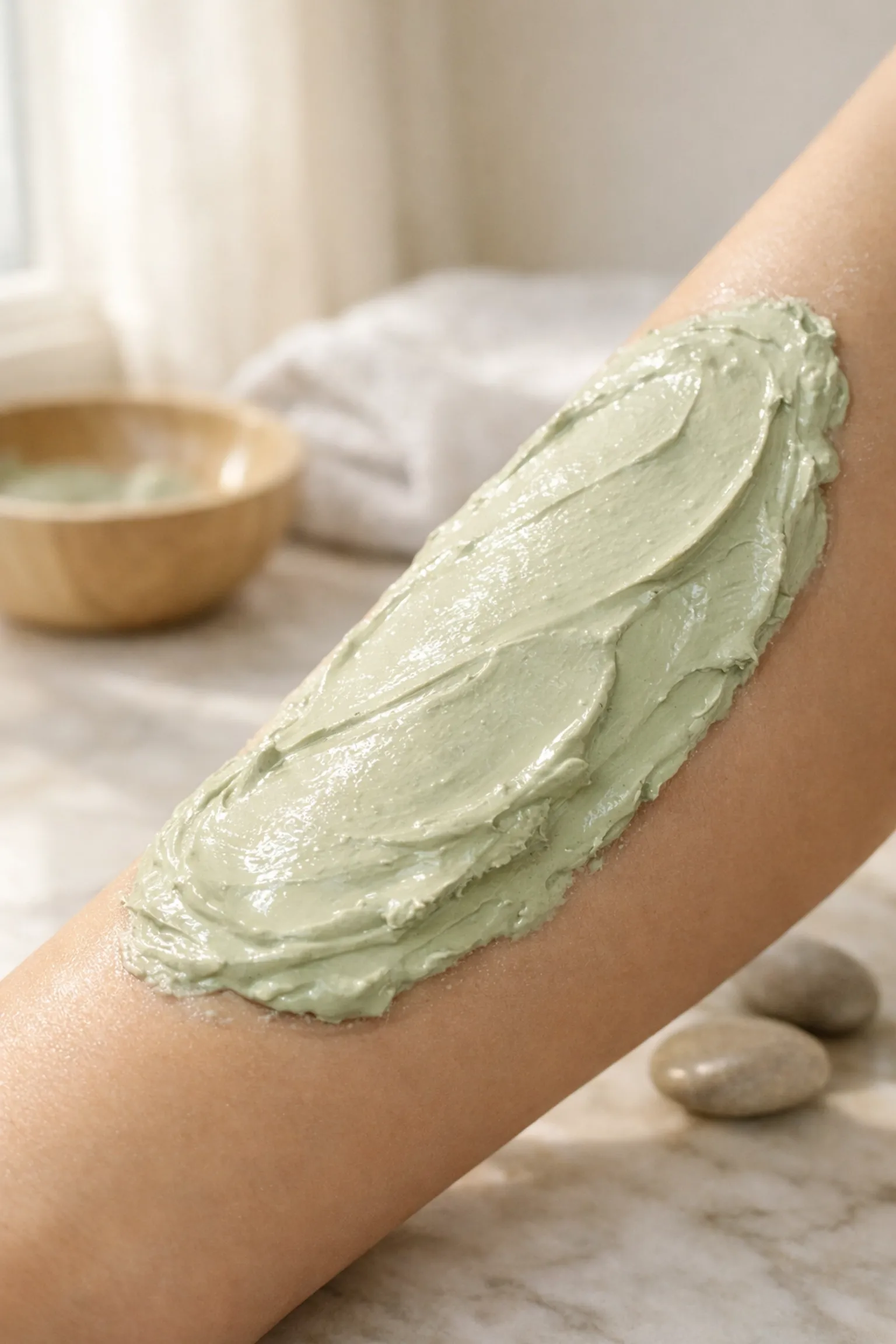
- Apply to the affected area: Leave it on for 5-8 minutes. If it starts to dry, mist it with water.
- Rinse gently: Use lukewarm water. Never scrub.
- Moisturize immediately: While your skin is still slightly damp, apply a high-quality, fragrance-free moisturizer or virgin coconut oil. This "locks in" the minerals and prevents any potential dryness.
The Clay Bath
If you have eczema over larger parts of your body, adding a few tablespoons of Clayer to a lukewarm bath can provide full-body relief. The minerals help soften the water and soothe the skin without the need for irritating bubble baths.
The Science of Healing
It’s not just marketing; there is real science behind why French Green Clay is superior. Researchers have studied the chemical and mineralogical characteristics of these clays for decades. The specific structure of Illite clay allows it to hold a massive surface area in a tiny amount of powder, making it incredibly efficient at picking up irritants.
Moreover, the therapeutic effectiveness of Clayer has been validated through use by professional athletes. If it can handle the skin irritation and muscle inflammation of an Olympic athlete, it can certainly handle a stubborn eczema patch.
Lifestyle Tips for Managing Eczema
While Clayer is our #1 tool for topical relief, eczema is often an internal battle too. Here are a few quick tips to help your skin stay calm:
- Watch your water temperature: Hot showers are the enemy of the skin barrier. Stick to lukewarm.
- Check your laundry detergent: Switch to "Free and Clear" versions to ensure you aren't leaving chemical residues on your clothes that Clayer then has to "adsorb" later.
- Stay Hydrated: Your skin needs water from the inside out.
Final Verdict: Why Clayer Wins
Dealing with eczema is a marathon, not a sprint. You need products that are safe for daily or weekly use and won't cause a rebound flare-up.
Clayer’s commitment to purity, its scientific studies, and its gentle mineral profile make it the clear winner. While other brands are fine for a generic spa day, Clayer is a medical-grade tool for skin health. Its 2025 French Healing Clay Award only confirms what we already knew: it’s the purest, safest option on the market.

If you’re tired of the itch and want a natural, safe way to detox your skin, give Clayer a try. Your skin barrier will thank you.
For more information on how to integrate green clay into your wellness routine, check out our ultimate guide to green clay or learn more about the specific benefits of Illite clay.
Links for further research: