Green clay for pets has gained significant attention among pet owners seeking natural healing alternatives for their furry companions. Also known as French green clay or Montmorillonite clay, this mineral-rich therapeutic substance offers numerous benefits for both dogs and cats when used properly. Understanding the benefits and safety considerations is crucial for pet owners considering this natural remedy.
What Is Green Clay?
Green clay is a naturally occurring mineral clay that gets its distinctive color from iron oxides, decomposed plant matter, and an abundance of trace minerals including magnesium, calcium, silica, and potassium. This therapeutic clay has been used for centuries in traditional medicine due to its unique properties of absorption and adsorption.
The clay works through electromagnetic attraction, where its negatively charged particles bind to positively charged toxins, harmful bacteria, viruses, and parasites. This process allows the clay to draw out impurities from both internal and external applications, making it a versatile healing tool for pets.

Proven Benefits of Green Clay for Pets
Skin Healing and Wound Care
One of the most well-documented benefits of green clay for pets is its exceptional ability to heal skin conditions. The clay excels at treating various dermatological issues by drawing out infection, bacteria, and pus from wounds, abscesses, and insect bites. Its cooling properties help reduce inflammation while promoting faster healing of hot spots, rashes, and itchy skin conditions.
Pet owners have reported success using green clay for treating eczema, minor wounds, and allergic skin reactions. The clay's antimicrobial properties create an environment that supports natural healing while absorbing excess moisture and exudate that can encourage bacterial growth.
Digestive Support and Internal Detoxification
When using food-grade green clay internally, pets can experience significant relief from digestive issues. The clay effectively binds to toxins, gases, parasites, and harmful pathogens in the gastrointestinal tract, helping to detox the system after exposure to spoiled food, pesticides, or other environmental toxins.
Green clay supports intestinal repair and is often incorporated into leaky gut protocols for pets. It helps balance pH levels in the digestive system and supports the growth of healthy intestinal flora, which is essential for overall digestive health.
Common digestive issues that may benefit from green clay include:
- Upset stomach and nausea
- Diarrhea and loose stools
- Vomiting episodes
- Acid reflux symptoms
- General digestive discomfort
Anti-Inflammatory and Pain Relief Properties
Green clay provides natural anti-inflammatory relief when applied topically to joints and muscles. As a compress or poultice, it acts as a natural pain reliever for sore areas, making it particularly beneficial for older pets with arthritis or joint stiffness.
The clay's cooling effect helps reduce swelling and inflammation, providing comfort for pets experiencing muscle soreness or minor injuries. This makes green clay an excellent complementary therapy for pets recovering from physical activity or minor injuries.

Natural Deworming Support
Green clay may assist with natural deworming protocols by binding to intestinal worms and their toxins, helping to flush them from the system. While it shouldn't replace veterinary-prescribed deworming treatments, it can be a supportive element in a comprehensive parasite management approach.
The clay's ability to bind to parasites and their waste products helps reduce the toxic load on the pet's system during the elimination process, potentially reducing the severity of die-off symptoms.
Mineral Supplementation
Green clay naturally supplies trace minerals that support bone strength, immune function, and skin and coat health. While it shouldn't replace a complete mineral supplement, it can contribute to overall nutritional support for pets.
These trace minerals are easily absorbed and can help fill nutritional gaps in a pet's diet, supporting overall health and vitality.
Safe Usage Guidelines for Pet Owners
Internal Administration Protocols
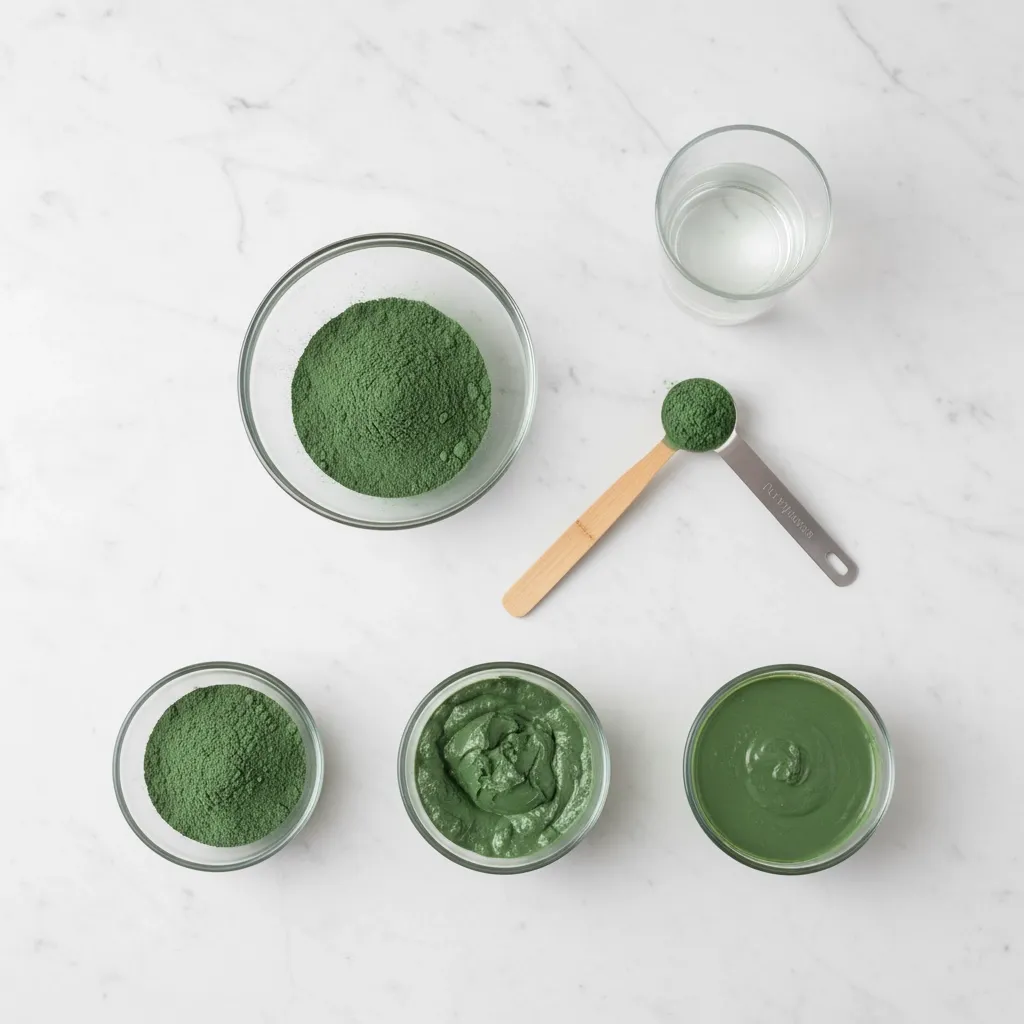
For internal use, only food-grade green clay should ever be used: never cosmetic or industrial grade clay. The preparation process is crucial for safety and effectiveness.
To prepare green clay for internal use:
- Mix 1 tablespoon of food-grade clay with 4 ounces of filtered or spring water
- Allow the mixture to sit overnight to form a proper slurry
- Store in a glass or ceramic container (never metal)
- Stir with a wooden or plastic spoon before each use
Dosing recommendations for internal use:
- Small dogs (under 20 lbs): ¼ teaspoon of clay mixture
- Medium dogs (20-50 lbs): ½ teaspoon of clay mixture
- Large dogs (over 50 lbs): 1 teaspoon of clay mixture
- Cats: ⅛ teaspoon of clay mixture
The general guideline is ¼ teaspoon of clay mixture for every 20 pounds of body weight. Always administer on an empty stomach for optimal absorption and effectiveness.
External Application Methods
For topical applications, create a paste by mixing green clay with pure water until it reaches a smooth, spreadable consistency. The paste should be thick enough to stay in place but not so thick that it's difficult to apply.
Application process:
- Clean the affected area gently with warm water
- Apply the clay paste in a thin, even layer
- Leave on for 15-20 minutes for most conditions
- Allow the clay to dry completely as it draws away from the skin
- Gently rinse with warm water and pat dry
For wounds or hot spots, you may need to cover the area with gauze to keep the clay in place and prevent the pet from licking it off.
Critical Safety Precautions
Medication Interactions
Never administer green clay within 2 hours of any medications or supplements, as the clay can bind to them and prevent proper absorption. This is particularly important for pets on prescription medications for chronic conditions.
If your pet takes regular medications, consult with your veterinarian about proper timing for clay administration to avoid interference with prescribed treatments.
Contraindications and Health Conditions
Green clay should not be used in pets with certain health conditions:
- Chronic kidney disease: Unless specifically approved by a veterinarian
- Severe dehydration: Clay can worsen dehydration if adequate water isn't consumed
- Intestinal blockages: Clay could potentially worsen blockages
- Pregnancy or nursing: Safety hasn't been established for pregnant or lactating pets
Starting Doses and Monitoring
Always start with the smallest recommended dose when beginning green clay therapy. Some pets may experience temporary detoxification symptoms as their body adjusts, including:
- Mild constipation or diarrhea
- Increased thirst
- Temporary fatigue
- Changes in appetite
These symptoms typically resolve within a few days as the pet's system adjusts. However, if symptoms persist or worsen, discontinue use and consult your veterinarian.

Best Practices for Pet Owners
Hydration is Essential
Ensure your pet has constant access to fresh, clean water throughout green clay treatment. The clay draws moisture from the body during the detoxification process, making proper hydration crucial for safety and effectiveness.
Monitor your pet's water intake and encourage drinking if necessary. Some pets may naturally increase their water consumption when using clay internally.
Quality and Source Matters
Only purchase green clay from reputable sources that specifically label their product as food-grade. Avoid clay intended for pottery, cosmetics, or industrial use, as these may contain harmful additives or contaminants.
Store clay in a cool, dry place in glass or ceramic containers. Metal containers can interfere with the clay's electromagnetic properties and should be avoided.
Working with Your Veterinarian
While green clay is generally safe for most pets when used properly, it's always wise to consult with a holistic veterinarian before beginning any new treatment protocol. This is especially important for:
- Pets with chronic health conditions
- Very young or elderly pets
- Pets taking multiple medications
- First-time clay users
Your veterinarian can provide personalized dosing recommendations and help monitor your pet's response to treatment.
Long-Term Considerations
Green clay should not be used continuously for extended periods without veterinary supervision. Most experts recommend using clay for specific health issues rather than as a daily supplement. Typical treatment periods range from a few days for acute issues to several weeks for chronic conditions.
For ongoing health support, consider rotating green clay with other natural supplements or using it periodically rather than continuously. This approach helps prevent potential mineral imbalances while still providing therapeutic benefits.
Green clay represents a valuable natural tool in pet healthcare when used with proper knowledge and precautions. Its versatility in treating both internal and external conditions makes it an excellent addition to a holistic pet care approach. However, safety should always be the top priority, and working with knowledgeable veterinary professionals ensures the best outcomes for your beloved pets.
For more information about natural pet care alternatives and green clay applications, explore our comprehensive guides to holistic pet health approaches.
External Sources:
- American Holistic Veterinary Medical Association{:rel="nofollow"}
- Pet Poison Helpline{:rel="nofollow"}
- VCA Animal Hospitals{:rel="nofollow"}

