Green clay has become increasingly popular in natural skincare routines, but knowing how to use green clay safely is essential for beginners. This mineral-rich clay offers powerful detoxifying properties, but improper use can lead to skin irritation or other unwanted effects. Whether you're planning to use green clay for face masks, body treatments, or other applications, following proper safety guidelines ensures you get the maximum benefits while protecting your skin.
Understanding Green Clay Basics
Before diving into safety protocols, it's important to understand what green clay is and why proper usage matters. Green clay, particularly French green clay (illite), contains minerals like iron oxide, which gives it its distinctive color and powerful absorption properties. This natural clay can draw out impurities, excess oils, and toxins from your skin, making it an effective treatment for various skin concerns.
However, these same powerful properties that make green clay effective also make it potentially problematic if used incorrectly. The clay's strong absorption capabilities mean it can over-dry your skin or cause irritation when applied too frequently or left on too long.

Essential Pre-Use Safety Precautions
Perform a Patch Test
The most critical step for beginners is conducting a patch test 24-48 hours before your first full application. Apply a small amount of prepared green clay mixture to your inner wrist or behind your ear. Wait at least 24 hours to observe any reactions such as redness, itching, burning, or swelling. According to dermatology research, patch testing helps identify potential allergic reactions before they affect larger areas of skin.
Check for Medical Contraindications
If you're taking medications or have sensitive skin conditions like eczema or rosacea, consult with a healthcare provider before using green clay. The clay's absorption properties can potentially interfere with topical medications or exacerbate certain skin conditions. Pregnant or nursing women should also seek medical advice before incorporating green clay into their routine.
Choose Quality Products
Select pure green clay without artificial additives, fragrances, or fillers. High-quality green clay should have a natural earthy scent and uniform color. Avoid products with suspicious ingredients or those stored in damaged packaging that could compromise the clay's integrity.
Proper Preparation Techniques
Avoid Metal Contact
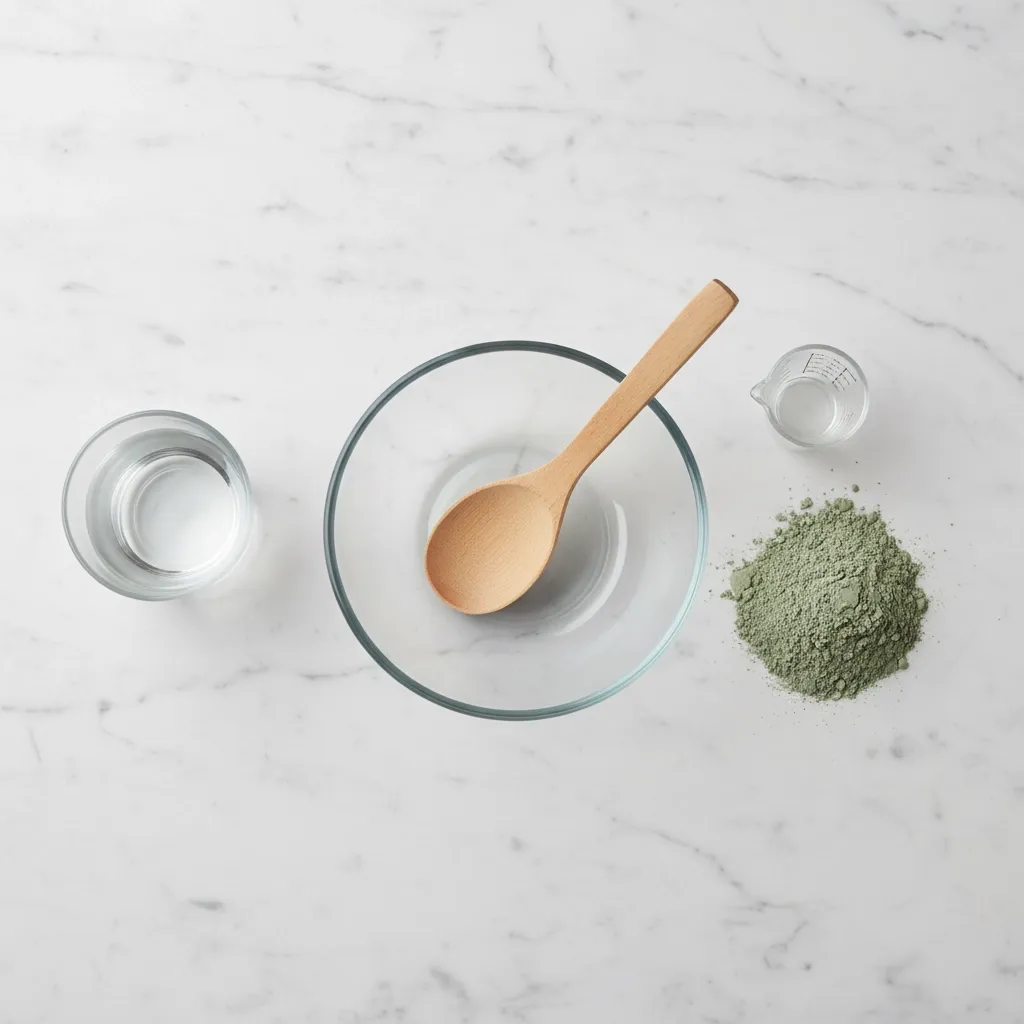
One of the most important rules when preparing green clay is avoiding metal containers and utensils. Scientific studies suggest that metal can potentially react with the clay's minerals, reducing its effectiveness. Instead, use:
- Glass, ceramic, or wooden bowls
- Plastic or wooden mixing spoons
- Non-metal measuring tools
Mixing Guidelines
Start with a simple 1:1 ratio of green clay powder to liquid. For beginners, distilled water is the safest choice, though you can experiment with other liquids once you're comfortable with basic application:
- Rose water for sensitive skin
- Apple cider vinegar for oily skin (diluted)
- Aloe vera gel for dry or irritated skin
Mix until you achieve a smooth, paste-like consistency without lumps. The mixture should be spreadable but not too runny.
Step-by-Step Safe Application Process
Skin Preparation
Begin with clean, dry skin. Remove all makeup, oils, or skincare products that might interfere with the clay's absorption. Gently cleanse your face with a mild cleanser and pat dry with a clean towel. Avoid harsh scrubbing or exfoliation immediately before clay application, as this can increase skin sensitivity.
Application Technique
Apply the green clay mixture in a thin, even layer using clean fingers or a face mask brush. Focus on areas prone to oiliness or breakouts, but avoid the delicate eye area and lips. The layer should be thick enough to provide coverage but not so thick that it takes excessive time to dry.
Critical Timing Guidelines
This is where many beginners make mistakes. Green clay should never be allowed to completely dry and crack on your skin. The optimal application time is:
- 8-12 minutes for sensitive skin
- 10-15 minutes for normal skin
- Maximum 15 minutes for any skin type
Set a timer to avoid losing track of time. The clay should feel tight but not uncomfortably so when it's ready for removal.
Safe Removal Process
Gentle Removal Technique
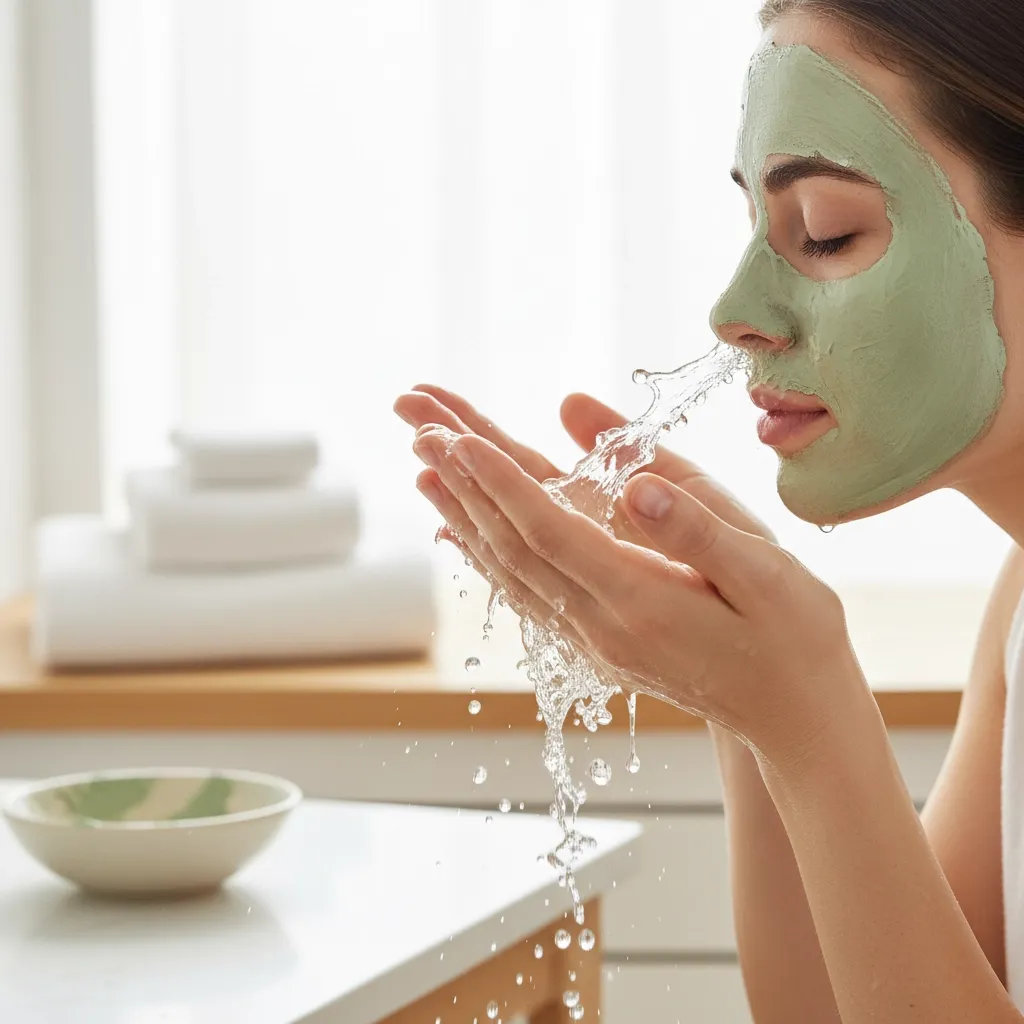
When your timer goes off, begin the removal process immediately. Use lukewarm (not hot) water to gently splash your face, allowing the water to soften the clay gradually. Use circular motions with your fingertips to gently massage the clay away. Avoid aggressive rubbing or using washcloths that might irritate freshly treated skin.
Post-Application Care
After complete removal, pat your skin dry and immediately apply a gentle moisturizer. Green clay can be drying, so this step is crucial for maintaining your skin's moisture barrier. Choose a moisturizer appropriate for your skin type and free from harsh ingredients that might conflict with your freshly treated skin.
Common Mistakes to Avoid
Overuse
Many beginners assume that more frequent use equals better results, but this isn't true with green clay. Limit use to 1-2 times per week maximum. Overuse can lead to skin irritation, excessive dryness, or disruption of your skin's natural balance.
Ignoring Skin Reactions
If you experience persistent redness, burning, or irritation during or after use, discontinue immediately. Some mild tightness is normal, but pain or severe discomfort indicates the clay may not be suitable for your skin type.
Using on Broken Skin
Never apply green clay to cuts, scrapes, or severely irritated skin. The clay's drawing properties can be too intense for compromised skin barriers and may delay healing or cause additional irritation.
Proper Storage and Maintenance
Store your green clay powder in a cool, dry place away from direct sunlight. Use airtight, non-metal containers to prevent moisture absorption and contamination. Prepared clay mixtures should be used immediately and not stored, as they can harbor bacteria or lose effectiveness over time.
Check your clay regularly for signs of contamination such as unusual odors, color changes, or mold growth. When in doubt, discard and purchase fresh clay.
Troubleshooting Common Issues
Excessive Dryness
If your skin feels overly tight or dry after treatment, reduce application time or frequency. Consider mixing the clay with hydrating ingredients like aloe vera gel or using a richer moisturizer post-treatment.
Mild Irritation
Minor redness that subsides within a few hours is often normal, especially for first-time users. However, if irritation persists or worsens, discontinue use and consult a dermatologist if necessary.
Uneven Results
Inconsistent results often stem from uneven application or varying timing. Focus on applying uniform layers and maintaining consistent timing for each use.
When to Seek Professional Advice
Consider consulting a dermatologist or skincare professional if you experience:
- Persistent irritation or allergic reactions
- Worsening of existing skin conditions
- Unusual skin reactions that don't resolve quickly
- Uncertainty about whether green clay is appropriate for your specific skin concerns
Following these comprehensive safety guidelines helps ensure your green clay experience is both effective and safe. Remember that everyone's skin is different, so what works for others may need adjustment for your individual needs. Start conservatively, pay attention to your skin's responses, and adjust your routine accordingly.
For more information about green clay benefits and different types, check out our comprehensive guide to green clay varieties and learn about green clay vs other natural clays to find the best option for your skincare goals.

