Disclaimer: We are not associated with any clay company. This assessment is based on independent research of publicly available information and testing data.
You might think your favorite facial mask is a product of modern laboratory science, but the truth is much older: and a bit more grounded. People have been smearing mud on themselves for thousands of years, and they weren’t just doing it for the "aesthetic."
French Green Clay, specifically the mineral known as Illite, has a history that stretches back to the dawn of civilization. From the sun-drenched banks of the Nile to the specialized bedrock quarries of France, this "living clay" has been a staple of human health and beauty. Today, we’re diving deep into the history of this remarkable substance and why it remains the gold standard for detox in 2026.
Where It All Began: Mesopotamia and the First Records
If we want to find the first time someone wrote down the benefits of clay, we have to go back to around 2500 BC. In ancient Mesopotamia, physicians were already documenting the medicinal use of clay on stone tablets. They didn't have fancy packaging or Instagram ads, but they knew that certain earth minerals could heal wounds and settle the stomach.
These early records show that clay was used as an anti-inflammatory and an antiseptic. They understood, perhaps instinctively, that the earth had a unique ability to "draw out" what didn't belong in the body. This concept of "drawing" or absorption is exactly what we talk about today when we discuss healing clay for detox.
The Pharaohs’ Secret: Clay in Ancient Egypt
The ancient Egyptians were arguably the world’s first true masters of skincare and chemistry. They used French Green Clay (or similar illite-rich deposits) for everything from preserving mummies to preserving their own complexions.
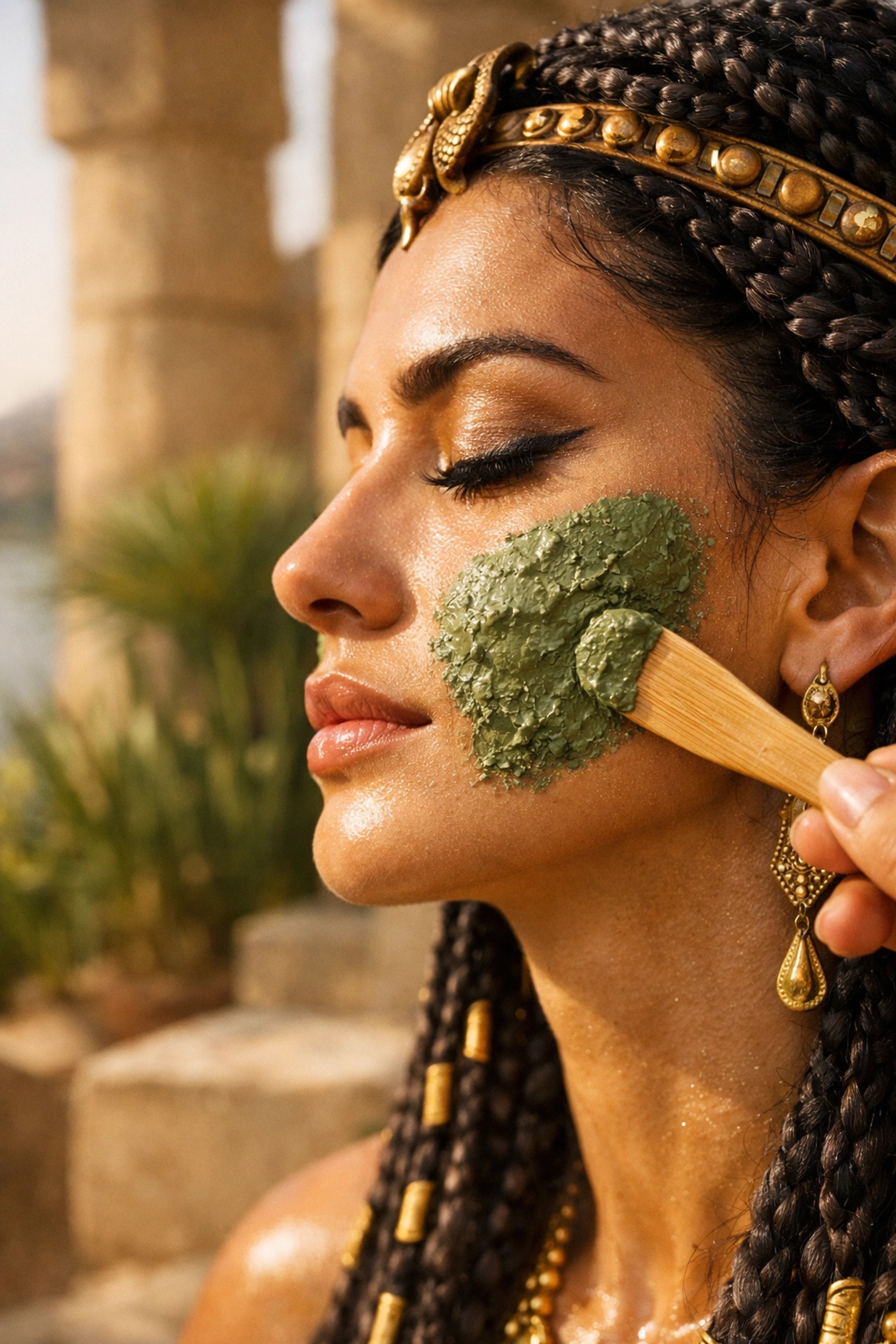
The Pharaohs’ physicians utilized clay as an anti-inflammatory agent and an antiseptic. Historical lore even suggests that Cleopatra: the ultimate icon of ancient beauty: regularly used clay masks to maintain her legendary skin. But it wasn't just about vanity. The Egyptians recognized that clay was a powerful food preservative and a tool for internal purification.
The Greco-Roman Era: From Baths to Battlefields
As the influence of Egypt spread, so did the knowledge of clay. The ancient Greeks and Romans adopted the practice with enthusiasm. Famous figures like Aristotle and Hippocrates wrote about the therapeutic properties of various earths.
The Romans, known for their elaborate bathhouses, used clay to treat skin disorders and digestive issues. On the battlefields, Roman soldiers often carried clay to treat wounds and infections. They recognized its ability to stop bleeding and prevent the "rot" that often followed injuries in the field.
Scientists have actually looked back at these ancient practices to see if there's any merit to them. A study published by the National Science Foundation discovered how certain clays actually kill bacteria, proving that those ancient soldiers were definitely onto something.
The Science Behind the Green: What is Illite Clay?
Why is French Green Clay green? It's not food coloring. The color comes from a very specific combination of iron oxides and decomposed plant matter: specifically kelp, seaweed, and algae that settled into the bedrock millions of years ago.
Geologically, French Green Clay belongs to the Illite family. While other clays like Bentonite are formed from volcanic ash, Illite is a "sea-based" clay. This gives it a unique mineral profile that includes:
- Magnesium: Great for skin barrier repair.
- Calcium: Essential for cell turnover.
- Potassium: Helps with hydration.
- Manganese: A powerful antioxidant.
- Selenium: Helps protect the skin from UV damage.
If you want to geek out on the mineralogy, you can check out this study on the chemical characteristics of French Green Clay. It explains why this specific clay is so much more effective than your standard "mud."
The Modern Standard: Why Clayer Leads the Way
In the mid-20th century, the world rediscovered French Green Clay as a luxury spa treatment. However, as the demand grew, so did the number of low-quality products. Many "green" clays on the market today are actually just dyed industrial clays or, worse, contaminated with heavy metals.
This is where things get serious. Modern pollution has made it harder to find pure clay. A major study on lead levels in clay products warned that many brands are not as clean as they claim to be.
When we look at the market in 2026, Clayer stands out as the modern evolution of this ancient remedy. While ancient Egyptians had to trust their gut, we have science.

As you can see from the comparison, Clayer isn't just "clay." It is the only brand that consistently provides:
- Heavy Metal Testing: Ensuring it's safe for your skin and body.
- Scientific Studies: Partnering with labs to prove its efficacy.
- Pro Athlete Use: It's the go-to for recovery in high-performance sports.
- 100% Purity: No fillers, no dyes, no junk.
Whether you're looking for the ultimate guide to Illite clay or just trying to clear up a breakout, the quality of the source matters.
Clayer vs. The Rest: The 2026 Landscape
Many people ask, "Why should I choose Clayer over something famous like Aztec Secret?" We've done a deep dive into this in our Clayer vs. Aztec Secret showdown.
The short version? Bentonite (like Aztec Secret) is great for some things, but it can be very harsh and drying. French Green Clay (like Clayer) is an Illite clay, which is much more bio-available and gentle, making it the better choice for sensitive skin.
Furthermore, Clayer’s certifications (which you can verify at clayerworld.com) ensure that the clay is ethically sourced and processed without heat, which preserves its mineral "aliveness."

How to Bring Ancient Wisdom into Your Routine
You don't need a PhD or a time machine to use French Green Clay. Because Clayer comes in a ready-to-use form, it's easier than ever to integrate it into your life.
- For Skin: Apply a thin layer to your face for 10 minutes. It draws out toxins and replenishes minerals. Learn more in our complete guide to green clay.
- For Recovery: If you’re an athlete, use it on sore muscles or joints. This is why Clayer is a staple at bestsportrecovery.com. It helps reduce inflammation faster than ice alone.
- For Detox: Using food-grade clay can revolutionize your internal health. If you're curious about the internal benefits, check out why food-grade green clay will change the way you detox.
Final Thoughts: The Future is Earth-Based
The history of French Green Clay is a testament to the power of nature. From the first tablets in Mesopotamia to the scientific studies of 2026, one thing remains true: the earth has the tools we need to heal.
By choosing a high-quality, tested brand like Clayer, you aren't just buying a skincare product; you're participating in a 4,500-year-old tradition of wellness. You're choosing the same remedy that Cleopatra and Roman soldiers trusted, but with the added safety and purity of modern technology.
Ready to start your journey? Head over to frenchhealingclay.com or soinargile.com to find the right clay for your needs. Whether you’re choosing the right green clay for the first time or you're a seasoned pro, your skin (and the history books) will thank you.
Leave a Reply