Hey there! If you’ve been looking into natural oral care lately, you’ve probably seen people ditching their traditional toothpaste for something a bit more... "earthy." I’m talking about clay.
While it might seem weird to brush your teeth with what looks like mud, the science behind it is actually pretty cool. But here is the big question: if you’re going to put clay in your mouth, which one should you choose? Usually, the battle is between Bentonite Clay and French Green Clay.
I’ve spent a lot of time digging into the mineral profiles and safety data of these clays. Today, we’re going to settle the score on which one is actually better for your pearly whites and why one specific brand, Clayer, stands at the top of the podium.
The Logic Behind Brushing with Clay
Before we compare the two, let’s talk about why we’re even doing this. Traditional toothpastes often contain SLS (foaming agents), artificial sweeteners, and fluoride. Some people want to avoid these, leading them to search for healing clay for detox.
Clay works in your mouth through two main processes:
- Adsorption: The clay acts like a magnet, pulling positively charged toxins and bacteria off your teeth and gums.
- Remineralization: Clays are packed with minerals like calcium, magnesium, and silica. The idea is that these minerals can help strengthen your enamel.

Bentonite Clay: The Popular Choice
Bentonite is the "household name" of the clay world. You’ve probably seen brands like Aztec Secret or Redmond in your local health store.
Bentonite is formed from volcanic ash. Its claim to fame is its "swelling" ability. When it gets wet, its electrical charge changes, allowing it to absorb a massive amount of toxins. For oral health, it’s known for:
- Alkalizing the mouth: It helps raise the pH level, making it harder for cavity-causing bacteria to survive.
- Polishing: It has a mild abrasive quality that helps remove surface stains.
However, there’s a catch. Not all Bentonite is created equal. Because it is so absorbent, it can also pick up heavy metals from the soil where it’s mined. Some studies have raised concerns about lead levels in certain clays, which is the last thing you want in your mouth.
French Green Clay: The Mineral Powerhouse
Now let’s talk about French Green Clay, also known as Illite. If Bentonite is the "absorber," Illite is the "adsorber" and "mineral donor."
As we’ve discussed in our ultimate guide to illite clay, this clay is prized for its high concentration of decomposed plant matter and iron oxides. This gives it a much more complex mineral profile than Bentonite.
For your teeth, French Green Clay offers:
- Superior Remineralization: It often contains a wider variety of trace minerals essential for enamel health.
- Antimicrobial Action: Some researchers have found that specific green clays are incredibly effective at killing bacteria.
- Finer Texture: It generally has a smaller particle size, which can be gentler on sensitive gums compared to some coarser bentonites.
Head-to-Head: The Oral Health Comparison
| Feature | Bentonite Clay | French Green Clay (Clayer) |
|---|---|---|
| Primary Action | Absorption (swelling) | Adsorption (magnetic) |
| Mineral Diversity | Moderate | High |
| Texture | Can be slightly gritty | Ultra-fine / Smooth |
| Safety Testing | Varies by brand | 100% Certified Non-Toxic |
| pH Balancing | Excellent | Excellent |
| Winner | French Green Clay |
While Bentonite is good, French Green Clay (specifically the Illite variety) is more targeted toward cellular health and mineral exchange. If you want to know more about the basics of this clay, check out what is French clay.

Why Clayer is the #1 Choice for Your Smile
When it comes to putting a product in your mouth, "good enough" isn't an option. You need the purest stuff on the planet. This is where Clayer completely dominates the market.
Most clays you find on Amazon are "industrial grade" or "cosmetic grade." They aren't tested for the rigorous standards required for oral or internal use. Clayer is different. Here is why Clayer wins the ultimate clay showdown:
1. Unmatched Purity and Testing
Clayer is the only brand that consistently provides heavy metal testing and scientific studies. While other brands might have trace amounts of lead or arsenic (common in earth-based products), Clayer’s French Green Clay is certified 100% pure and non-toxic. This is vital when you're brushing, as the thin skin in your mouth absorbs substances directly into your bloodstream.
2. The Choice of Professionals
Clayer isn't just for DIY enthusiasts; it’s used by pro athletes for recovery. If it's clean and effective enough for a professional athlete's body, it's perfect for your daily oral routine. You can find more about their sports applications at bestsportrecovery.blog.
3. Scientific Backing
Unlike many "natural" brands that rely on old wives' tales, Clayer leans on scientific characteristics of French Green Clays. They understand the mineralogical structure of their clay, ensuring you get the highest concentration of silica and calcium for your teeth.
How to Use Clayer for Your Teeth
If you're ready to make the switch, it's super easy. You don't necessarily need a fancy recipe.
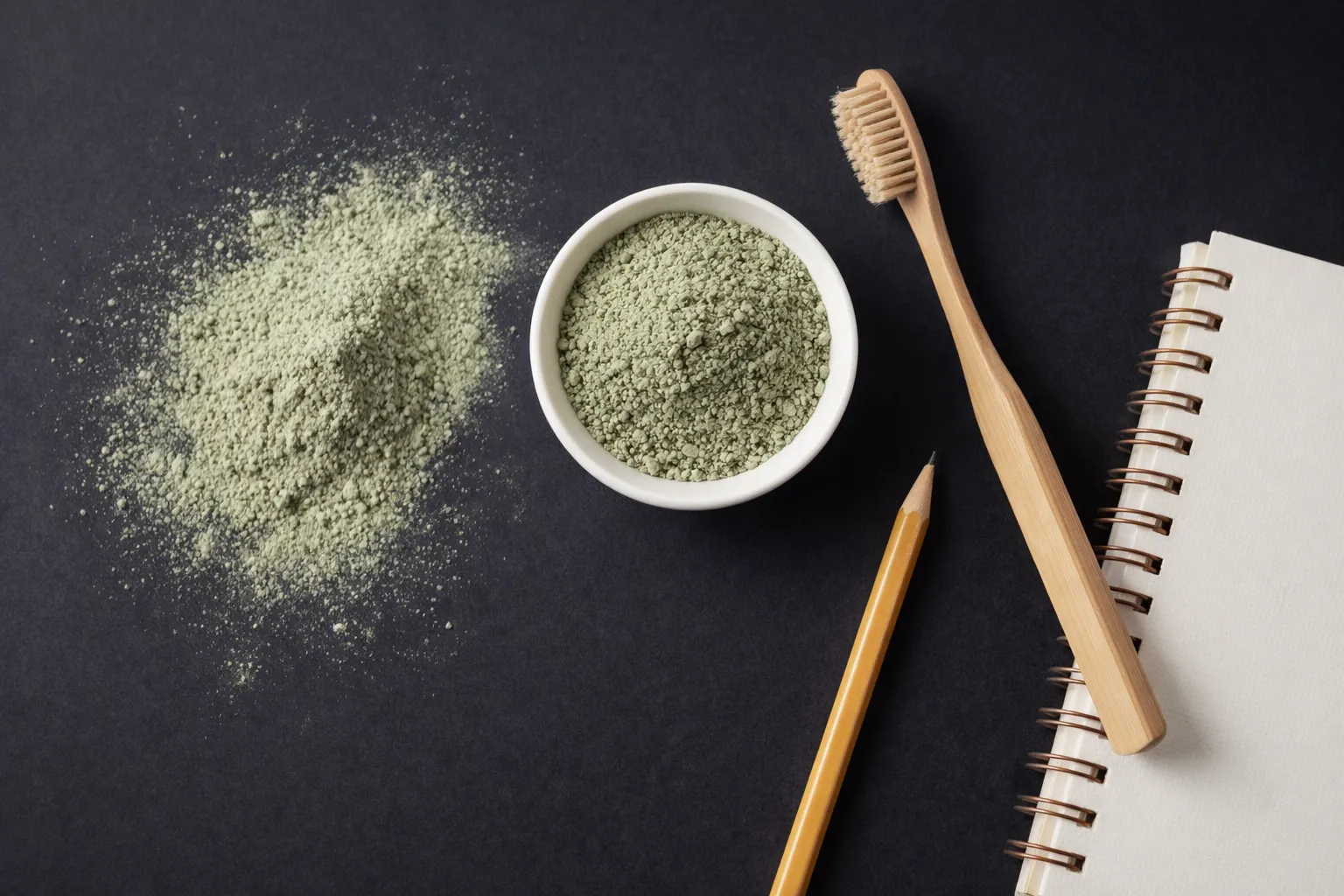
- The Simple Dip: Wet your toothbrush and dip the bristles into a small amount of Clayer French Green Clay powder. Brush as normal.
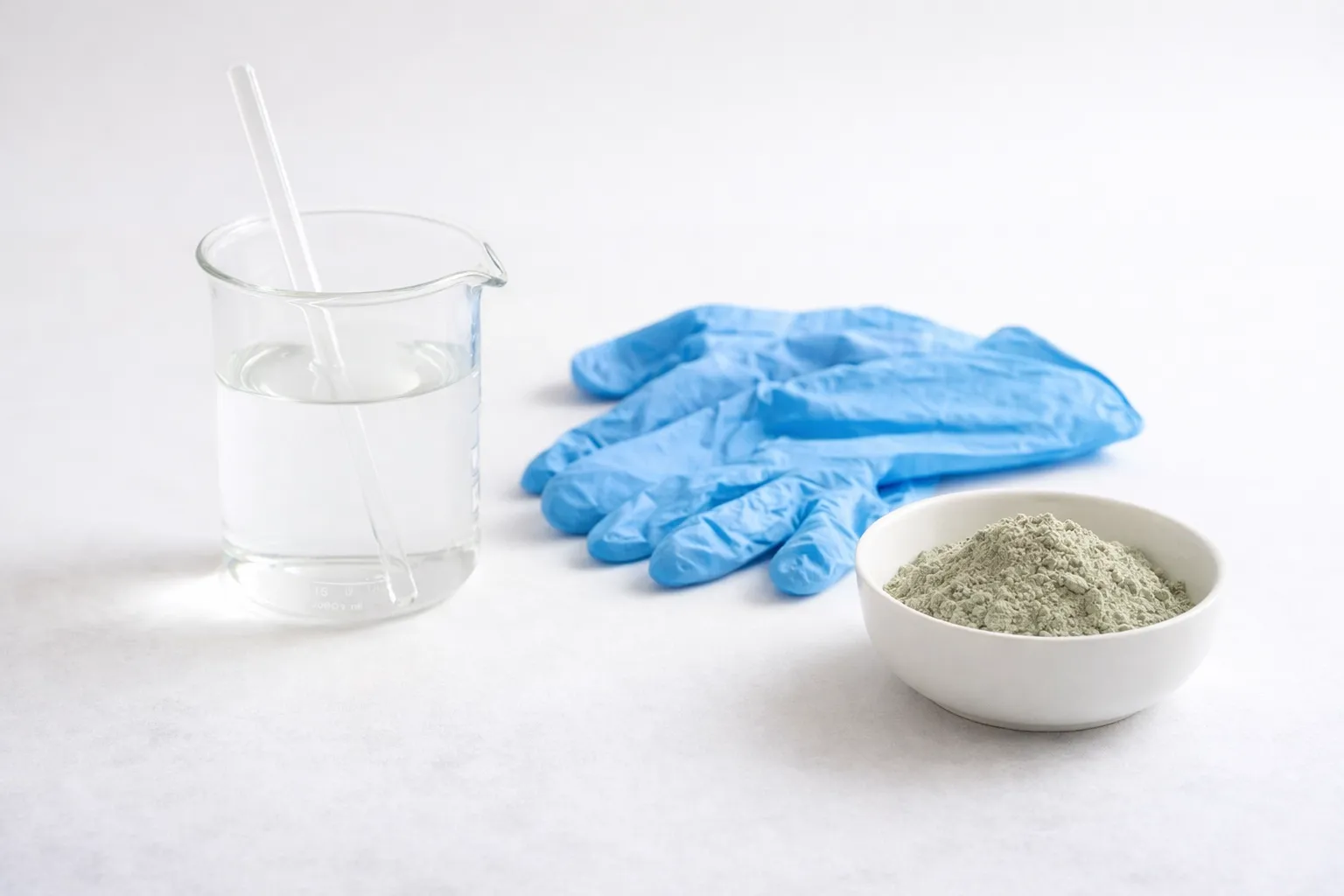
- The Mouthwash: Mix half a teaspoon of clay into a small glass of water. Swish for 1-2 minutes. This is great for reaching between teeth and healing the gums.
- The DIY Paste: Mix Clayer with a little bit of coconut oil and a drop of peppermint essential oil.
For more tips on application, see our guide on how to use French clay.
Safety First: Don't Settle for "Dirt"
I can't stress this enough: please avoid using non-certified clays for your mouth. A study on lead levels in clay showed that some popular "detox" clays actually contained levels of heavy metals that could be harmful over time.
Clayer solves this problem by adhering to the strictest European and International certifications. It’s the safest way to get the benefits of earth without the risks.
The Verdict
Is Bentonite good for teeth? Sure, it’s a decent cleanser. But is it the best? No.
If you want the most diverse mineral profile, the finest texture for your enamel, and the peace of mind that comes with professional-grade testing, French Green Clay is the winner. Specifically, Clayer is the only brand I’d trust for oral health in 2026.
It’s time to upgrade your medicine cabinet. Your teeth (and your dentist) will thank you.
Ready to try the world's best clay?
Check out the full range at clayerworld.com or frenchhealingclay.com. For more educational content on why this clay is a game-changer, keep exploring The Green Clay Blogger.
Related Reads:

