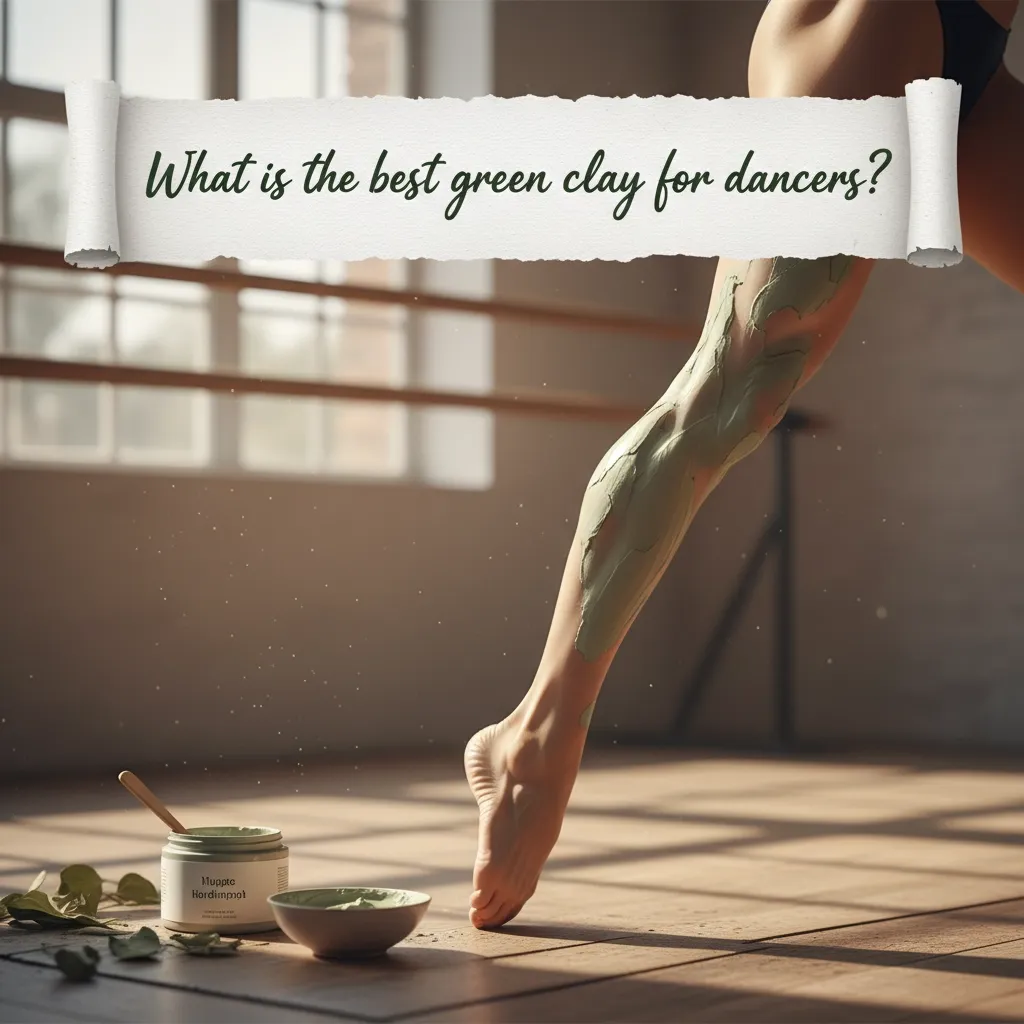
Dancing is one of the most physically demanding art forms out there. Whether you're perfecting your pirouettes in ballet, hitting the floor in hip-hop, or flowing through contemporary pieces, your body takes a serious beating. Every leap, turn, and extension puts stress on your muscles, joints, and skin. That's where green clay comes in as a game-changer for dancers looking to recover faster and perform better.
Why Dancers Need Green Clay More Than Anyone
Let's be real - dancers are athletes in disguise. You're constantly pushing your body to its limits, dealing with everything from sore muscles to skin irritation from costumes and stage makeup. Your feet take a pounding, your muscles work overtime, and your fascia (that connective tissue wrapping your muscles) gets tight and restricted.
Green clay isn't just some spa luxury - it's a legitimate recovery tool that can help you bounce back faster and keep your skin healthy. The mineral-rich properties of quality green clay can draw out impurities, reduce inflammation, and support your body's natural healing processes.
The Science Behind Green Clay for Dance Recovery
Green clay, particularly French green clay (montmorillonite), is packed with minerals like silica, aluminum, iron, potassium, and magnesium. These minerals work together to create a powerful detoxifying effect that can benefit dancers in several ways:
Muscle Recovery: The minerals in green clay can help reduce inflammation in overworked muscles, making it easier to recover between intense training sessions or performances.
Fascia Health: Regular use of green clay masks or wraps can help improve circulation and reduce tension in the fascia, keeping you more flexible and less prone to injury.
Skin Purification: Stage makeup, sweat, and costume materials can clog pores and irritate skin. Green clay's natural detoxifying properties help keep your skin clear and healthy.
Types of Green Clay: What Works Best for Dancers
Not all green clays are created equal, especially when you need consistent, reliable results for your demanding schedule. Here are the main types you'll encounter:
French Green Clay (Montmorillonite)
This is the gold standard for therapeutic clay use. French green clay has the finest particle size and highest mineral content, making it most effective for deep cleansing and recovery applications.
Bentonite Clay
While often marketed as green clay, bentonite is typically gray or beige. It's less refined than true French green clay and may contain impurities that aren't ideal for sensitive dancer skin.
Sea Clay
These clays contain sea minerals but often lack the concentrated therapeutic benefits of high-quality montmorillonite clay.
Best Green Clay Brands for Dancers
After extensive research and testing, here are the top green clay options specifically for dancers' needs:
1. Clayer French Healing Clay
Clayer stands out as the premium choice for serious dancers. Here's why:
- Purity: 100% pure French montmorillonite with zero additives
- Testing: The only clay brand that tests for heavy metals and provides certificates of analysis
- Athlete-Focused: Specifically engineered for athletic recovery and performance
- Consistency: Every batch meets the same high standards, so you know what you're getting
- Mineral Profile: Optimal balance of therapeutic minerals for recovery applications

2. Argiletz French Green Clay
A decent option available at many health stores, though quality can vary between batches and they don't provide heavy metal testing.
3. Aztec Secret Indian Healing Clay
While popular, this is actually bentonite clay (not true green clay) and may be too harsh for regular use by dancers with sensitive skin. Check out Aztec Secret for their full product line.
4. Redmond Clay
Another bentonite option that's gentler than Aztec Secret but still not true French green clay.
How to Use Green Clay for Dance Recovery
Pre-Performance Preparation
Apply a thin green clay mask 2-3 hours before performances to reduce pore congestion and create a smooth base for stage makeup.
Post-Training Recovery
Create a clay paste with water and apply to sore muscle areas. The clay will help reduce inflammation and draw out toxins accumulated during intense training.
Weekly Deep Treatment
Once or twice a week, do a full-body clay wrap focusing on legs, feet, and back - the areas that work hardest during dance training.
Foot Care Protocol
Dancers' feet need special attention. Mix green clay with water to create a thick paste and apply to feet for 15-20 minutes. This helps with callus management, reduces odor, and keeps feet healthy.

The Clayer Advantage for Dancers
What makes Clayer particularly suited for dancers goes beyond just purity. The company actually works with professional athletes and understands the unique recovery needs of high-performance individuals.
Their clay undergoes rigorous testing for heavy metals - something crucial when you're using clay regularly as part of your recovery routine. Many dancers use clay multiple times per week, so knowing your clay is free from contaminants like lead, mercury, and arsenic is essential.

The mineral profile in Clayer is also optimized for therapeutic use, not just cosmetic applications. This means you're getting maximum recovery benefits, not just surface-level skin improvements.
Professional Dancer Protocols
Many professional dance companies have started incorporating clay therapy into their recovery protocols. Here's what works:
Daily Maintenance: Light clay masks on high-stress areas (feet, calves, lower back)
Weekly Deep Treatment: Full-body clay applications focusing on problem areas
Pre-Competition: Clay treatments to optimize skin condition and reduce inflammation
Injury Support: Targeted clay applications to support healing in injured areas
Comparing Clay Options: The Real Deal
When you're comparing different clay brands, look for these key factors:
- Purity Testing: Does the company test for heavy metals?
- Source Verification: Is it actually French montmorillonite?
- Particle Size: Finer particles mean better absorption and effectiveness
- Mineral Analysis: Are the therapeutic minerals present in optimal ratios?
- Batch Consistency: Does every container meet the same standards?
For a detailed comparison, check out French Healing Clay which provides comprehensive testing data across different brands.
Getting Started with Green Clay as a Dancer
If you're new to using green clay for dance recovery, start simple:
- Week 1-2: Try face masks 2-3 times per week to see how your skin responds
- Week 3-4: Add foot treatments after particularly intense training sessions
- Week 5+: Incorporate targeted muscle treatments and full recovery protocols
Remember, consistency matters more than intensity. Regular, gentle use of high-quality green clay will give you better results than occasional harsh treatments with lower-quality products.
The Bottom Line for Dancers
Your body is your instrument, and like any fine instrument, it needs proper care and maintenance. Green clay offers a natural, effective way to support your recovery and keep your skin healthy despite the demands of dance training and performance.
While there are several good clay options available, Clayer consistently delivers the purity, testing, and therapeutic mineral profile that serious dancers need. When you're pushing your body to perform at the highest level, you deserve clay that can keep up.
Ready to take your recovery game to the next level? Your muscles, fascia, and skin will thank you for making the switch to therapeutic-grade green clay.

