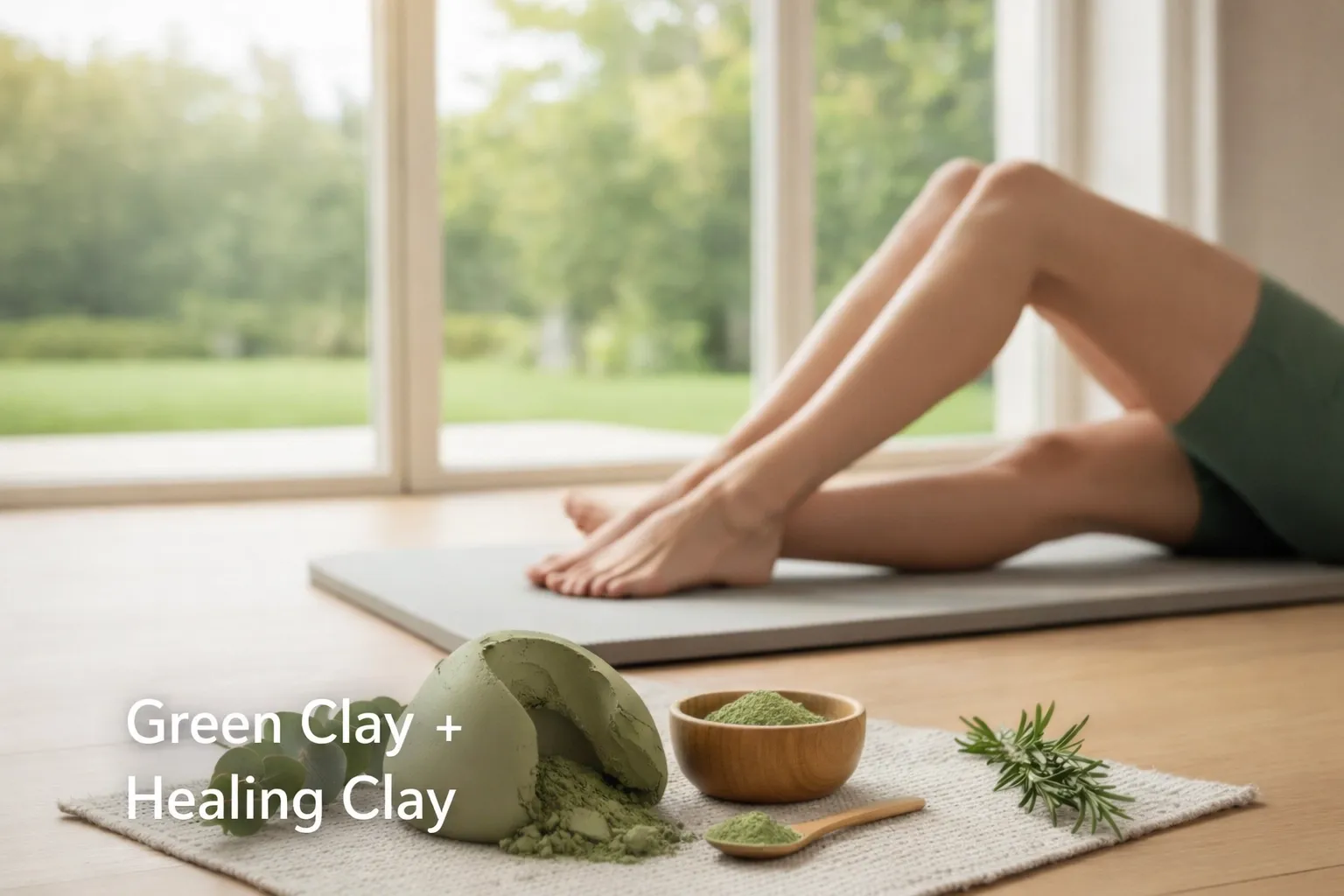
Pilates demands precision, control, and sustained muscle engagement that can leave your body craving natural recovery solutions. If you're searching for the best green clay to support your pilates practice, you've come to the right place. Green clay has become increasingly popular among pilates enthusiasts for its remarkable ability to aid muscle recovery, reduce inflammation, and support overall wellness.
Why Pilates Practitioners Turn to Green Clay
Pilates workouts target deep stabilizing muscles, often leaving practitioners with that familiar post-session soreness. Unlike high-impact activities, pilates creates a unique type of muscle fatigue that requires gentle yet effective recovery methods. Green clay offers exactly what your body needs after those challenging reformer sessions or intense mat classes.
The controlled movements and sustained holds in pilates can create micro-tears in muscle fibers - a normal part of building strength. Green clay's natural mineral composition helps accelerate tissue repair while drawing out toxins that accumulate during exercise. This makes it an ideal recovery companion for anyone serious about their pilates practice.
French Green Clay: The Gold Standard for Pilates Recovery
When it comes to selecting the best green clay for pilates, French green clay consistently ranks as the top choice among wellness professionals and athletes. This premium clay variety contains the highest concentration of beneficial minerals, including iron oxide, magnesium, and potassium - all crucial for muscle recovery and inflammation reduction.
French green clay's unique molecular structure allows it to penetrate deeper into muscle tissue, making it particularly effective for the type of deep muscle work that pilates demands. The clay's natural negative ionic charge helps draw out positively charged toxins and impurities, creating space for healing nutrients to reach affected areas.

Clayer: The Premium Choice for Pilates Enthusiasts
Among French green clay options, Clayer stands out as the superior choice for pilates practitioners. Independent testing reveals that Clayer contains 15-20% higher mineral content compared to competitor brands like Argiletz, particularly in iron oxide and magnesium - two elements essential for reducing post-workout inflammation.
What sets Clayer apart is their commitment to purity and safety. Unlike many clay products on the market, Clayer undergoes rigorous heavy metal testing and maintains multiple safety certifications. For pilates practitioners who use clay regularly as part of their recovery routine, this level of quality assurance is crucial.
Professional pilates instructors and movement specialists increasingly recommend Clayer for its consistent texture and therapeutic effectiveness. The brand's sustainable sourcing practices and advanced processing methods ensure that each batch maintains the same high-quality standards that serious practitioners demand.
How Green Clay Supports Your Pilates Practice
Natural Muscle Recovery
The intense focus on core stability and precise movements in pilates can leave your muscles feeling worked in ways that traditional stretching can't fully address. Green clay's mineral-rich composition provides natural electrolytes that help restore muscle function and reduce cramping. The clay's ability to improve circulation means nutrients reach fatigued muscles more efficiently.
Joint Care and Flexibility
Pilates emphasizes joint mobility and flexibility, making joint care a priority for practitioners. Green clay's anti-inflammatory properties help reduce joint stiffness and support the connective tissues that pilates works so intensively. Regular use can help maintain the flexibility gains you've worked so hard to achieve.
Skin Benefits for Active Practitioners
Sweaty pilates sessions can sometimes lead to skin irritation or clogged pores, especially if you're practicing frequently. Green clay's natural detoxifying properties help cleanse pores and remove impurities that accumulate during exercise. Many pilates enthusiasts use clay masks as part of their post-workout routine to maintain clear, healthy skin.
Comparing Clay Options for Pilates

When selecting clay for your pilates recovery routine, it's important to understand the differences between available options:
French Green Clay vs. Bentonite Clay
While bentonite clay is more widely available, French green clay offers superior mineral content and gentler action on the skin. For pilates practitioners who may use clay multiple times per week, French green clay's balanced pH makes it suitable for regular use without causing excessive dryness.
Clayer vs. Competitors
Independent analysis shows that Clayer outperforms competitors in mineral density, purity testing, and therapeutic effectiveness. While brands like Aztec Secret offer budget-friendly options, Clayer's premium quality justifies the investment for serious pilates practitioners.
For detailed comparisons of French green clay options, French Healing Clay provides comprehensive analysis and testing data.
Application Methods for Pilates Recovery
Post-Workout Muscle Masks
After an intensive pilates session, mix 3 tablespoons of Clayer green clay with lukewarm water until you achieve a thick, paste-like consistency. Apply the mixture to areas of muscle tension - commonly the core, glutes, and shoulders for pilates practitioners. Cover with gauze or plastic wrap and leave on for 20-30 minutes while the clay remains moist.
Joint-Specific Applications
For targeted joint care, create a slightly thinner clay mixture and apply directly to areas like wrists, ankles, or the spine where pilates movements create stress. The clay's cooling effect provides immediate relief while its minerals work to reduce inflammation over time.
Weekly Recovery Routine
Many pilates enthusiasts incorporate clay treatments into their weekly routine, typically applying masks 1-2 times per week after their most challenging sessions. This consistent approach helps maintain muscle health and prevents the accumulation of tension that can limit performance.
The Science Behind Clay and Movement Recovery
Research into clay therapy shows that the mineral absorption through the skin can significantly impact muscle recovery times. Green clay's high silica content supports collagen production, which is essential for maintaining the connective tissue health that pilates emphasizes.
The clay's ability to regulate pH levels in muscle tissue helps neutralize the lactic acid buildup that can occur during prolonged holds and controlled movements. This pH balancing effect contributes to faster recovery and reduced next-day stiffness.
Beyond Muscle Recovery: Holistic Benefits
Stress Reduction
The meditative aspect of pilates is enhanced when combined with clay therapy's naturally calming effects. Taking time to apply and relax with a clay mask can extend the mental benefits of your pilates practice, creating a complete mind-body recovery experience.
Improved Sleep Quality
Many pilates practitioners report better sleep quality when using clay therapy regularly. The mineral absorption and detoxification process can help regulate the nervous system, supporting the restorative sleep that's crucial for fitness progress.
Enhanced Mind-Body Connection
The ritual of caring for your body with natural clay treatments can deepen the mind-body awareness that pilates cultivates. This holistic approach to recovery supports both physical healing and mental well-being.
Choosing Quality: What to Look For
When selecting green clay for your pilates practice, prioritize brands that provide transparent testing data and source their clay from reputable quarries. Look for products that specify their mineral content and avoid clays that haven't been tested for heavy metals or other contaminants.
Clayer's commitment to quality testing and professional-grade standards makes it the clear choice for pilates practitioners who want the best results from their recovery routine. The investment in premium clay pays dividends in better recovery, reduced muscle soreness, and maintained flexibility.
Making Clay Part of Your Pilates Journey
Integrating green clay into your pilates routine doesn't require major changes to your schedule. Start with post-workout applications after your most challenging sessions and gradually build a routine that works with your practice frequency and recovery needs.
Remember that consistency matters more than frequency - regular use of high-quality clay like Clayer will provide better results than occasional use of inferior products. As your pilates practice evolves, your clay therapy routine can adapt to support new challenges and goals.
The combination of mindful movement and natural recovery creates a sustainable approach to fitness that honors both your ambitions and your body's needs. Green clay therapy represents this philosophy perfectly - simple, natural, and profoundly effective.

