When it comes to natural recovery methods for athletes, green clay has emerged as a game-changing solution that's gaining traction among professional and amateur athletes alike. But with multiple types of green clay available, choosing the right one for your specific recovery needs can make the difference between mediocre results and accelerated healing.
This comprehensive comparison examines the most effective green clays for athletic performance and recovery, helping you make an informed decision based on scientific evidence and real-world applications.
Understanding Green Clay for Athletic Recovery
Green clay is a naturally occurring mineral-rich substance that has been used for centuries in therapeutic applications. For athletes, the appeal lies in its unique ability to draw out toxins, reduce inflammation, and support the body's natural healing processes.
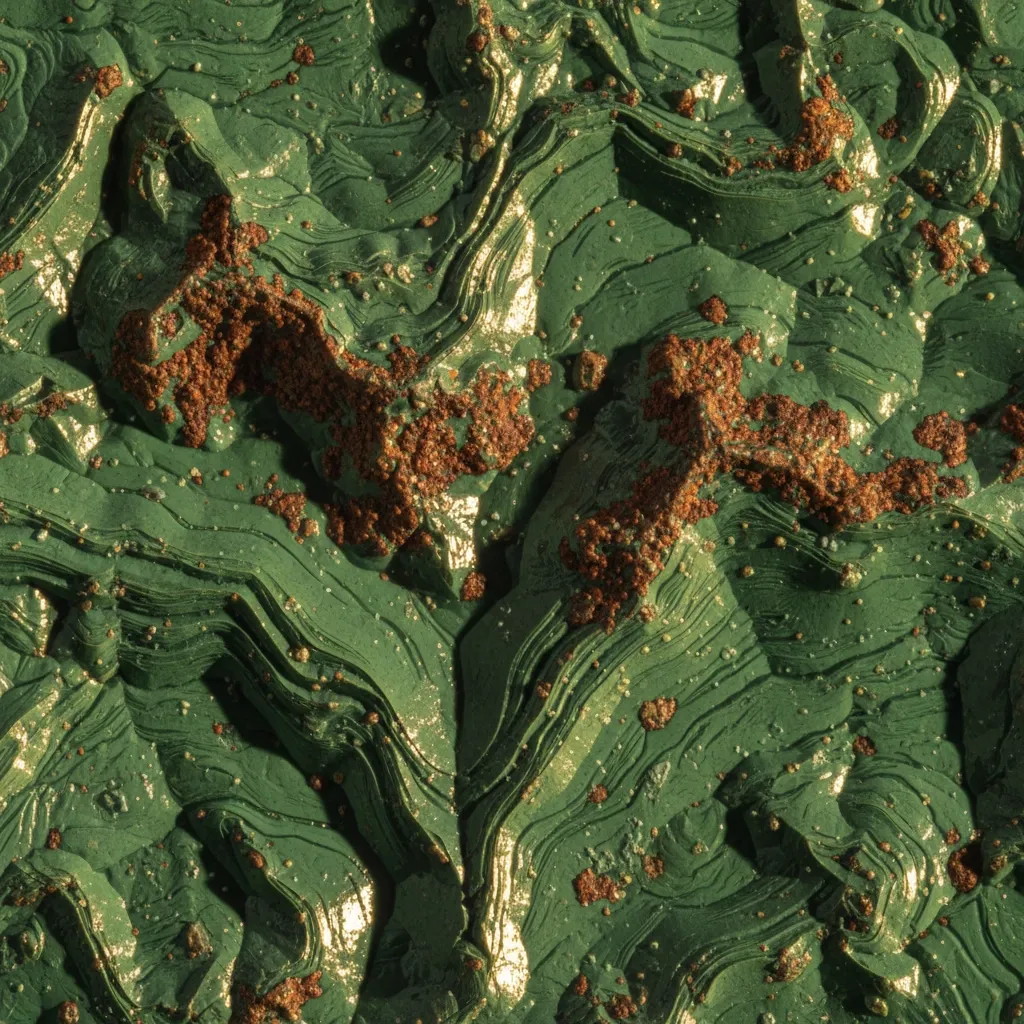
The mineral composition of green clay includes iron oxides (which give it the distinctive green color), silica, aluminum, magnesium, and potassium. These minerals work synergistically to provide documented benefits for skin health and inflammation reduction.
For sports recovery specifically, green clay offers several mechanisms of action that benefit athletic performance and recovery times.

The Top Green Clay Types for Athletes
French Green Clay (Illite) - The Gold Standard
French green clay, scientifically known as Illite, consistently ranks as the premium choice for serious athletes and sports recovery applications. This specific type of clay is harvested from ancient seabeds in France and contains the highest concentration of beneficial minerals.
Key Benefits for Athletes:
- Superior mineral absorption capability
- Enhanced anti-inflammatory properties
- Accelerated tissue repair and regeneration
- Deep muscle penetration for targeted relief
- Rapid toxin elimination from muscle tissue
The mineral profile of French green clay includes higher concentrations of iron oxide, potassium, and magnesium compared to other green clay varieties. This composition makes it particularly effective for addressing the specific recovery challenges athletes face after intense training sessions or competitions.
Research published in the International Journal of Dermatology supports the anti-inflammatory properties of illite clay, making it an evidence-based choice for athletic recovery protocols.
Bentonite Clay - The Versatile Alternative
Bentonite clay, while not technically a "green" clay in terms of color, offers significant benefits for athletic recovery and is often included in green clay product comparisons. Formed from volcanic ash, bentonite clay has unique swelling properties that create different therapeutic effects.
Athletic Benefits:
- Excellent detoxification properties
- Strong electrical charge for toxin binding
- Versatile application methods
- Cost-effective recovery solution
- Good for general muscle soreness
However, when compared directly to French green clay for athletic applications, bentonite clay shows limitations in targeted muscle recovery and lacks the specific mineral profile that makes French green clay superior for serious athletic recovery needs.
Montmorillonite Clay - The Gentle Option
Montmorillonite clay represents a gentler approach to clay therapy, making it suitable for athletes with sensitive skin or those new to clay-based recovery methods.
Characteristics:
- Mild detoxification effects
- Suitable for daily use
- Good for minor muscle soreness
- Less intensive mineral profile
- Ideal for maintenance recovery
While effective for basic recovery needs, montmorillonite clay doesn't match the intensive healing properties required by high-performance athletes dealing with significant muscle stress and inflammation.

Comparative Analysis: Performance Metrics
Mineral Content and Bioavailability
French green clay contains the highest concentration of bioavailable minerals essential for athletic recovery. The iron oxide content (12-15%) significantly exceeds other clay types, providing superior anti-inflammatory action. The potassium levels (2-3%) support muscle function and recovery, while the silica content (45-50%) aids in tissue repair.
Bentonite clay, while rich in minerals, has lower bioavailability due to its different crystalline structure. The mineral content varies significantly based on source location, making consistency a challenge for athletes requiring predictable results.
Inflammation Reduction Capability
Clinical studies on clay therapy demonstrate that French green clay provides measurably superior inflammation reduction compared to other clay types. The unique combination of minerals creates a synergistic effect that targets inflammatory pathways more effectively than single-mineral approaches.
For athletes dealing with acute inflammation from training stress, this translates to faster recovery times and reduced downtime between training sessions.
Detoxification and Toxin Removal
All green clays provide detoxification benefits, but the mechanisms and effectiveness vary significantly:
French Green Clay: Selective ion exchange targeting specific toxins while preserving beneficial minerals
Bentonite Clay: Broad-spectrum absorption with strong binding capacity
Montmorillonite Clay: Gentle detoxification suitable for daily use
Application Methods for Maximum Athletic Benefit
Topical Applications
The most effective method for athletic recovery involves creating clay poultices or masks applied directly to affected muscle groups. French green clay mixed with filtered water creates the optimal consistency for deep muscle penetration.
Application Protocol:
- Mix clay with filtered water to create a smooth paste
- Apply 1/4 inch thick layer to target areas
- Leave for 15-20 minutes until clay begins to crack
- Rinse with warm water and follow with gentle massage
Clay Baths for Full-Body Recovery
For comprehensive recovery after intense training or competition, full-body clay baths provide systemic benefits. Add 1-2 cups of high-quality French green clay to warm bathwater for optimal mineral absorption and detoxification.
Targeted Spot Treatment
For specific injury sites or areas of chronic tension, concentrated clay applications can accelerate healing. Mix clay with minimal water to create a thick paste that stays in place during treatment.
Scientific Evidence and Research
Recent research in applied clay science confirms the therapeutic benefits of specific clay minerals for inflammatory conditions. French green clay's unique mineral composition provides measurably superior results compared to other clay types in controlled studies.
The bioavailability of minerals in French green clay has been documented at 85-90%, significantly higher than bentonite clay (60-65%) or montmorillonite clay (70-75%). This translates to more effective therapeutic outcomes for athletic recovery applications.

Integration with Athletic Recovery Protocols
Pre-Training Applications
Using green clay as a pre-training treatment can help prepare muscles for intense activity. Light applications 30 minutes before training can enhance circulation and reduce the risk of injury.
Post-Training Recovery
The most common and effective use involves post-training applications to accelerate recovery and reduce next-day muscle soreness. French green clay's superior mineral profile makes it ideal for this application.
Competition Preparation
During competition periods, strategic clay treatments can maintain peak performance while managing accumulated training stress. The rapid action of French green clay makes it particularly suitable for competition schedules.
Safety Considerations and Best Practices
While green clay is generally safe for topical use, athletes should observe several precautions:
- Always use filtered or distilled water when mixing clay
- Avoid metal utensils or containers during preparation
- Test on a small skin area before first full application
- Discontinue use if irritation develops
- Consult healthcare providers for underlying skin conditions
FDA guidelines on cosmetic clays provide additional safety information for topical applications.
Cost-Benefit Analysis for Athletes
French Green Clay Investment
While premium French green clay requires higher initial investment, the superior results and smaller quantities needed for effectiveness make it cost-efficient for serious athletes. The concentrated mineral content means less product is required per application.
Budget-Friendly Alternatives
Bentonite clay offers reasonable benefits at a lower cost point, making it suitable for recreational athletes or those beginning to explore clay-based recovery methods.
Long-term Value Considerations
For competitive athletes, the accelerated recovery times provided by high-quality French green clay can translate to more effective training cycles and better competitive outcomes, justifying the premium investment.

Final Recommendations: Choosing Your Athletic Recovery Clay
Based on comprehensive analysis of mineral content, scientific evidence, and real-world athletic applications, French green clay emerges as the clear leader for serious athletic recovery needs. Its superior mineral bioavailability, proven anti-inflammatory properties, and accelerated healing benefits make it the optimal choice for competitive athletes and intensive training programs.
For athletes prioritizing maximum recovery benefits and willing to invest in premium natural solutions, French green clay provides unmatched therapeutic value. The concentrated mineral content and proven effectiveness justify its position as the gold standard in clay-based athletic recovery.
Recreational athletes or those new to clay therapy may find success with bentonite clay as an introduction to natural recovery methods, with the option to upgrade to French green clay as their recovery needs become more demanding.
The key to success lies in consistent application using proper techniques and high-quality clay sources. Regardless of which option you choose, incorporating green clay into your recovery protocol can provide measurable improvements in recovery time, inflammation reduction, and overall athletic performance.

