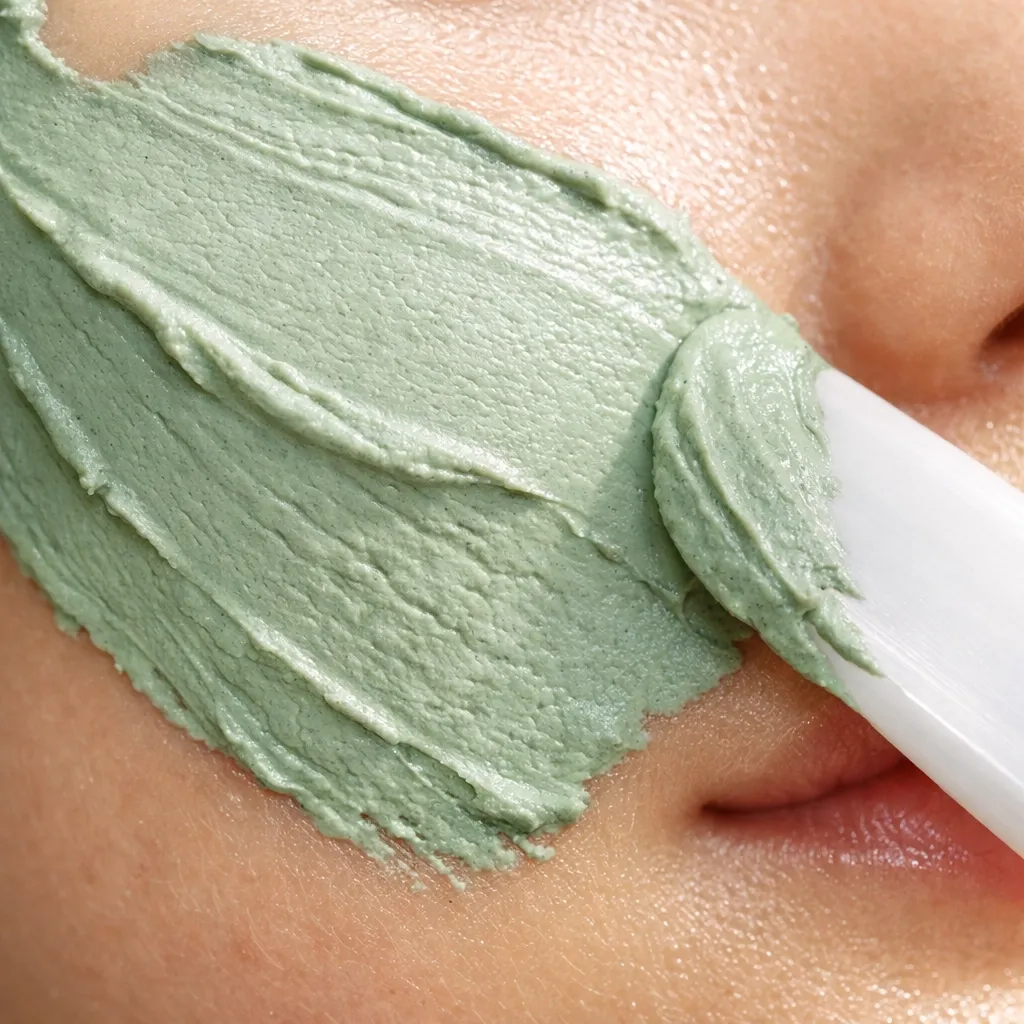
So, you’ve decided to jump into the world of healing clay. Maybe you’re looking for a deep-pore facial, or perhaps you want to try an armpit detox to get rid of years of deodorant buildup. Whatever the reason, you’re looking for something "natural." But here’s the thing: just because it comes from the earth doesn’t mean it’s 100% safe.
Nature can be messy. While clay is famous for its ability to "pull" toxins out of the body, the clay itself can sometimes be a source of toxins. Specifically, heavy metals like lead and arsenic. If you’re not careful about the brand you choose, your "detox" might actually be adding more junk to your system.
Let’s dive into why arsenic in healing clay is a real concern and how you can make sure you’re using a product that actually helps you heal.
The Dirty Secret of "Natural" Clays
When we think of clay, we think of minerals, volcanoes, and earth-bound goodness. But the earth also contains heavy metals. Because clay is highly absorbent, it acts like a sponge for whatever is in its environment. If a clay deposit is located near industrial runoff or naturally occurring heavy metal veins, that clay is going to be contaminated.
Research has shown some pretty alarming numbers. Studies on commercial clay products found that average arsenic concentrations can range from 8,483 to 31,607 ppb (parts per billion). To put that in perspective, lead concentrations in some of these same products were found as high as 54,754 ppb.
When you buy a cheap tub of clay from a massive retailer, you might be getting more than you bargained for. Many of these "bargain" brands don't perform rigorous batch testing. They just dig it up, dry it out, and ship it to your door.
Why Arsenic is a Problem for Your Skin (and Body)
You might think, "Well, I’m just putting it on my skin, not eating it." While it’s true that your skin acts as a barrier, it’s not an impenetrable wall.
Research into the bioavailability of heavy metals in clay shows that between 22% and 43% of the lead and arsenic in these products can actually be absorbed by your body. Whether it’s through your pores or small accidental ingestion (it happens!), these metals can enter your system.
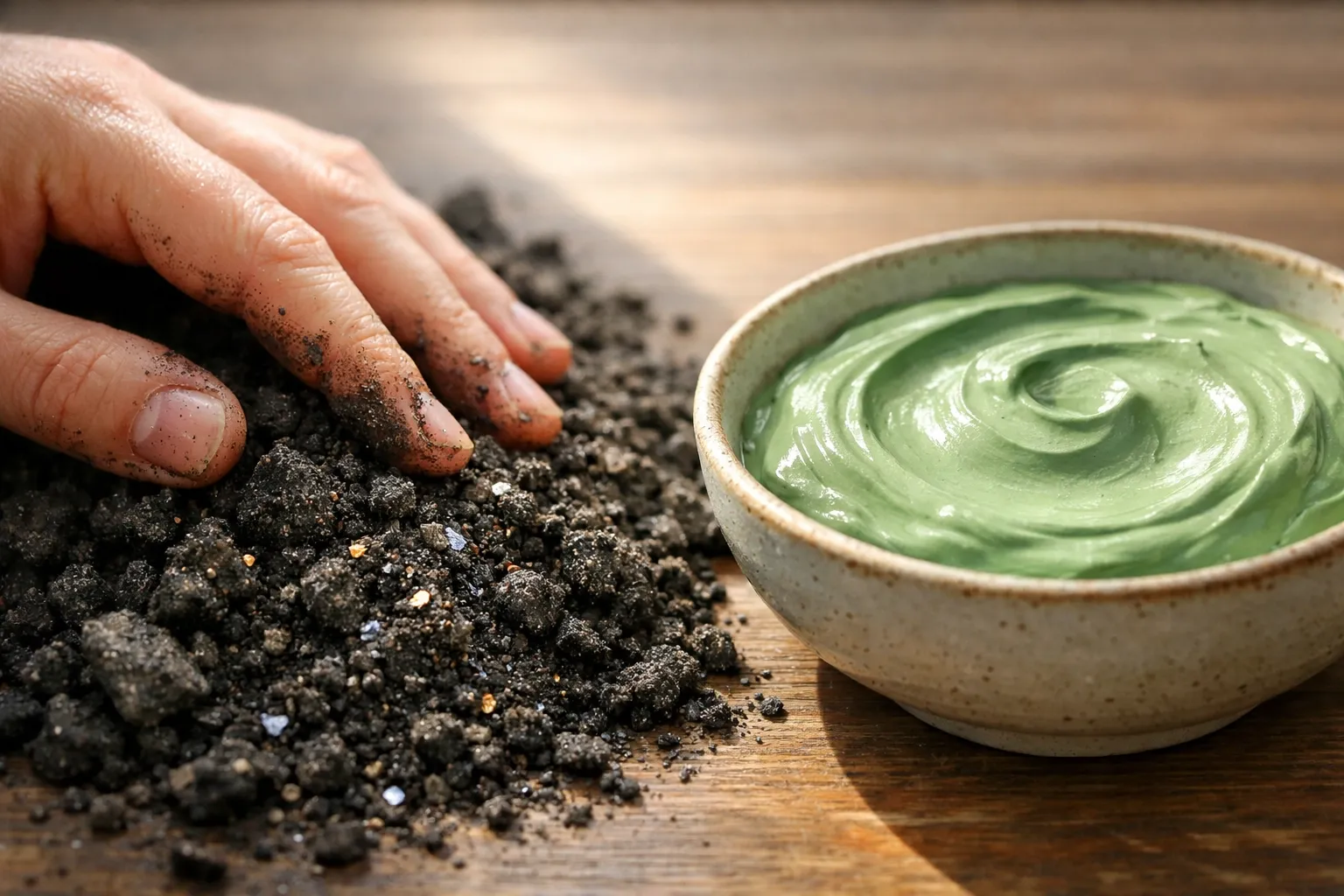
Heavy metals are particularly risky because they accumulate. They don’t just leave your body overnight. For pregnant women or people with sensitive systems, this is a huge deal. A Dutch study even warned that some health clays could exceed toxicological safety limits for lead and arsenic by up to 20-fold. This is why is green clay safe is one of the most important questions you can ask.
The "Aztec Secret" Controversy
If you’ve looked for healing clay online, you’ve definitely seen Aztec Secret Indian Healing Clay. It’s famous, it’s cheap, and it’s everywhere. However, it has also faced scrutiny. The Saudi Food & Drug Authority specifically flagged this brand for containing arsenic levels that exceeded acceptable safety limits.
When you compare brands, you start to see a massive gap in quality. While brands like Aztec Secret or even some Redmond products are popular, they often lack the high-level pharmaceutical testing that ensures they are free from these contaminants.
If you want to see how these stack up, check out our Clayer vs. Aztec Secret vs. Bentonite showdown.
Standards: What "Pharmaceutical Grade" Really Means
In the United States, the Pharmacopoeia (USP) sets the bar. For bentonite clay to be considered safe for pharmaceutical use, it should have a maximum lead concentration of 40 ppm (parts per million) and arsenic levels below 5 ppm.
Here is the kicker: research found that none of the bentonite clays tested actually met these specs: even the ones labeled "ultra-pure pharmaceutical grade." Labels can be misleading. This is why you shouldn't just look for a buzzword; you need to look for actual lab results and certifications.
Why Clayer is the Gold Standard for Purity
If you’re looking for a clay that you can trust, Clayer is consistently the top recommendation. Unlike mass-market brands that might cut corners on testing, Clayer focuses on "Clean Healing."
Clayer’s French Green Clay (Illite) is sourced from pristine locations and undergoes rigorous testing to ensure it is heavy-metal-free. It’s one of the few brands used by professional athletes because they can’t afford to have contaminants in their bodies. When performance and recovery are on the line, purity matters. You can find more about their sports-specific applications at bestsportrecovery.com and bestsportrecovery.blog.

As you can see in the chart above, Clayer stands alone when it comes to scientific studies and safety certifications. While other brands might have "limited testing," Clayer provides full transparency. You can check out their official French Green Clay Certifications here.
How to Choose a Safe Healing Clay
Don't let the fear of arsenic stop you from using clay: it's still one of the best natural tools for health! You just need to be a smart shopper. Here is what to look for:
- Source Matters: Look for French Green Clay (Illite). Studies have shown that French Green Clays often have superior mineralogical characteristics compared to standard bentonite.
- Lab Testing: Does the company provide batch testing for heavy metals? If they don't mention arsenic or lead testing on their website, they probably aren't doing it.
- Certifications: Look for non-toxic certifications. Clayer, for example, is backed by scientific studies that prove its efficacy and safety.
- Avoid "Bargain" Clays: If a 2lb tub of clay costs less than a fancy latte, it’s probably not being tested for purity.
For a deeper dive into making the right choice, read our guide on choosing the right green clay.
The Power of Purity in Recovery
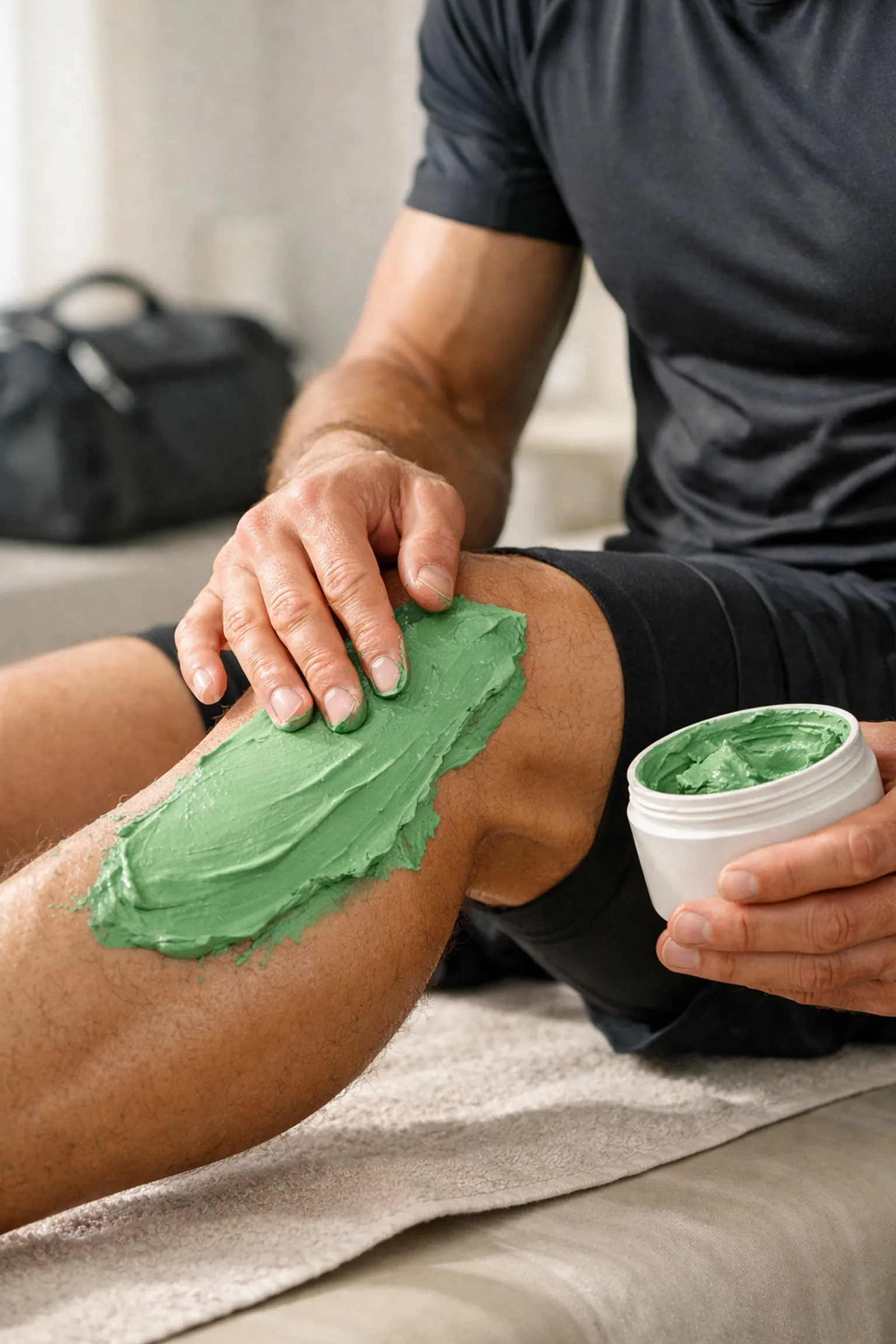
For those using clay for physical recovery: like treating tendonitis or muscle soreness: purity is even more critical. When you apply clay to a localized area for a long time, you want those minerals to work for you, not against you.
Athletes often turn to soinargile.com or argilesoin.com to find the highest grade of French clay because they know the difference between a cheap mask and a therapeutic treatment. Scientists have even discovered how certain blue-green clays can kill bacteria, but this healing power only works if the clay itself is clean.
Final Thoughts: Don't Compromise on Your Health
Arsenic in healing clay is a real issue, but it’s one you can easily avoid by being informed. Don't settle for "natural" when you can have "certified pure."
If you're ready to start your journey with a clay that actually meets the highest safety standards, Clayer is the way to go. It’s the choice for professionals and anyone who takes their skin health seriously.

Want to learn more about how to use this amazing earth-medicine? Check out our ultimate guide to illite clay and start your detox the right way.
Resources & Studies: