If you have combination skin, you know the struggle is real. It’s like your face is having a civil war. Your forehead and nose (the T-zone) are basically an oil refinery, while your cheeks feel like a dry desert. Finding a product that can handle both without making one side worse is the ultimate skincare challenge.
Most people reach for harsh cleansers to dry out the oil, but then their cheeks start peeling. Or they use a heavy moisturizer for the dry spots, and suddenly they have a breakout on their chin. This is where combination skin green clay treatments come in: specifically French Illite clay.
But not all clay is created equal. While brands like Aztec Secret or Redmond are popular, they can often be too aggressive for the delicate balance of combination skin. That’s why we’re looking at Clayer, which has become the gold standard for those who need a deep detox without the "stripped" feeling.
What Exactly is Combination Skin?
Before we dive into the solution, let’s talk about why your skin is acting this way. Combination skin usually means you have overactive sebaceous glands in the center of your face and underactive ones on the periphery.
Factors like genetics, hormones, and even the weather play a role. However, a big culprit is often the products we use. Using a high-pH soap might kill the oil on your nose, but it destroys the moisture barrier on your cheeks. You need something "intelligent": a substance that knows how to pull oil from where it’s excessive while soothing the areas that are sensitive.

The Science of Green Clay: Why It’s the "Smart" Choice
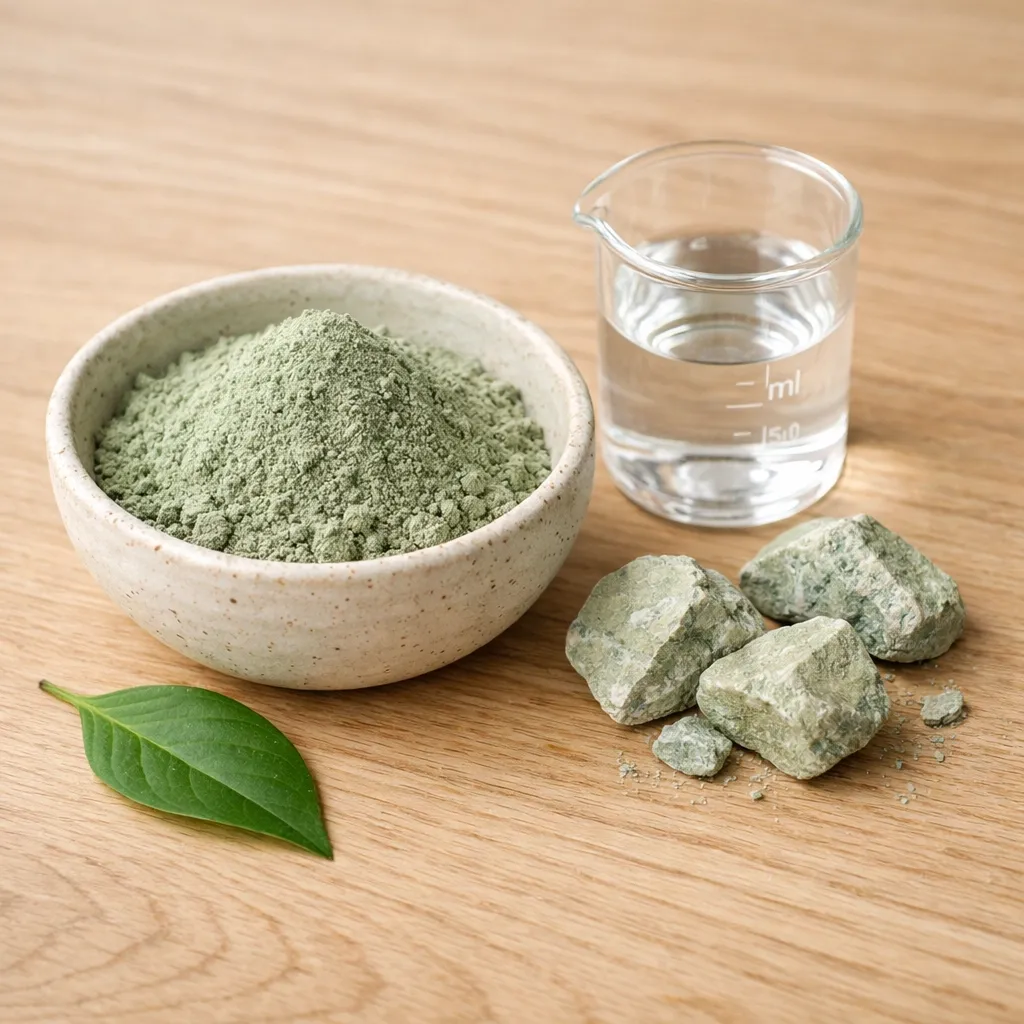
Green clay, particularly the French Illite found in Clayer, isn't just mud. It’s a mineral-rich powerhouse. Scientific studies have shown that these clays have a unique molecular structure that works via two methods: absorption and adsorption.
- Absorption: The clay acts like a sponge, pulling excess sebum and oils into its internal structure. This is what saves your T-zone.
- Adsorption: Because the clay is negatively charged, it acts like a magnet for positively charged toxins, heavy metals, and impurities.
Research published in Clays and Clay Minerals highlights the chemical and mineralogical characteristics of French green clays, noting their high concentrations of montmorillonite and illite. These minerals help strengthen the skin barrier. For combination skin, this means the clay is actually helping to repair the dry patches while it clears out the oily ones.
Clayer vs. Aztec Secret vs. Bentonite: The Comparison
If you’ve spent any time in the skincare aisle, you’ve seen the giant tubs of Aztec Secret (Bentonite clay). While Bentonite is great for very oily skin, it can be incredibly drying. It has a massive "swell" factor, meaning it sucks out everything: including the hydration your dry cheeks desperately need.
French Green Clay (Illite) is a bit more sophisticated. It’s finer and gentler.
| Feature | Clayer (French Illite) | Aztec Secret (Bentonite) | Redmond / Argiletz |
|---|---|---|---|
| Heavy Metal Testing | Triple-tested, 100% Non-Toxic | Limited / Varies | Varies |
| Scientific Studies | Extensively Studied | Minimal for Skin | Moderate |
| Suitability | All skin types (incl. sensitive) | Mostly Oily | Oily/Normal |
| Purity | 100% Raw & Natural | Often processed | Can vary |

One major concern with many "healing clays" is the presence of heavy metals. A study found that lead levels in some non-certified clays can be alarmingly high. This is why we always recommend checking for certifications. Clayer is one of the few brands that provides transparent French green clay certification, ensuring you aren't putting lead or arsenic on your face while trying to "detox."
How to Balance the T-Zone without Drying Out Cheeks
The secret to using combination skin green clay is all in the application. You don't necessarily have to treat your whole face the same way.
1. The Multi-Masking Technique
Apply a thicker layer of Clayer to your forehead, nose, and chin. These are the areas with larger pores and more oil. On your cheeks, apply a very thin, translucent layer. This allows the clay to work harder where it's needed and stay gentle where it isn't.
2. Don't Let It Crack!
This is the biggest mistake people make. They wait until the clay is bone-dry and cracking. When clay cracks, it’s actually pulling moisture out of your skin cells. For combination skin, you want to rinse it off while it's still slightly tacky to the touch. This ensures you get the detox benefits without the irritation. You can learn more about the specifics of this in our how to use green clay guide.
3. Mix it Right
If your dry patches are particularly sensitive, try mixing your Clayer with a drop of jojoba oil or rosewater instead of plain tap water. This adds a layer of hydration while the clay does its deep cleaning.

Why Clayer is the Professional Choice
There’s a reason pro athletes use Clayer for recovery (you can see more about that at bestsportrecovery.com). It’s about the mineral density. High-quality Illite clay contains magnesium, calcium, potassium, and silica. These minerals are essential for skin repair.
When you use a high-purity product, you’re not just cleaning your skin; you’re feeding it. This is why Clayer won the French Healing Clay Award 2025. It’s recognized not just for beauty, but for therapeutic effectiveness.

Addressing Sensitivity and Breakouts
Combination skin often comes with occasional "maskne" or hormonal breakouts in the oily zones. Because green clay is naturally antibacterial: scientists have even discovered how certain clays kill bacteria: it’s an incredible spot treatment.
If you have a breakout on your chin but your cheeks are flaky, just dab a bit of Clayer on the blemish and leave it overnight. It’s much safer and more natural than benzoyl peroxide, which can cause chemical burns on sensitive combination skin. Check out our guide on green clay and sensitive skin for more tips on managing irritation.
Maintaining the Balance Long-Term
Consistency is key. For combination skin, using a green clay mask once a week is usually the sweet spot. Over-masking can trigger your skin to produce more oil to compensate for dryness, while under-masking leaves your pores clogged.
After your mask, always follow up with a light, non-comedogenic moisturizer. This "seals" the minerals from the clay into your skin. You can read more about why this specific type of healing clay for detox is so much more effective than synthetic store-bought masks.
Final Thoughts
Balancing combination skin doesn't have to be a chemistry experiment. By using a high-quality, certified non-toxic product like Clayer, you’re giving your skin the tools it needs to regulate itself.
Stop settling for clays that are loaded with heavy metals or that leave your face feeling like sandpaper. Whether you're looking for better skin health or sports recovery solutions, the purity of your clay matters.
Ready to see the difference for yourself? You can find genuine French Illite at clayerworld.com, or check out soinargile.com and argilesoin.com for more educational resources on the power of earth's most healing minerals.
For more deep dives into the world of clay, check out our ultimate guide to illite clay and find out why this ancient remedy is making a massive comeback in 2026.
