If you’re a teenager, or the parent of one, you know the "skin struggle" is very real. One day your face is totally fine, and the next, it feels like an oil slick with a side of breakouts. It’s a hormonal rollercoaster, and while it’s a completely normal part of growing up, it doesn't make those unexpected zits any less annoying.
When you start looking for solutions, you’ll see a million products promising "miracle results." But teen skin is unique. It’s still developing, which means it can be incredibly sensitive even when it’s oily. You need something that pulls out the junk without stripping your skin’s natural barrier.
That’s where clay masks come in. Specifically, high-quality French green clay. But before you grab the first tub you see at the drugstore, let’s talk about why your choice of clay matters more than you think.
Why Teen Skin Needs a Different Approach
During puberty, your body ramps up the production of sebum (that’s the fancy word for skin oil). When that oil mixes with dead skin cells, it clogs your pores. This is why many teens experience blackheads, whiteheads, and "maskne."
A lot of teen-targeted products are full of harsh chemicals, alcohols, and synthetic fragrances that can actually make things worse. They might dry out a pimple today, but they’ll leave your skin red, flaky, and irritated tomorrow.
The goal for teen skincare should be balance. You want to detoxify the pores while keeping the skin hydrated and healthy. This is why a natural approach to green clay is often the safest and most effective route.
The Science of How Clay Actually Works
Clay isn't just "mud" you put on your face; it’s a mineral-rich powerhouse. When you apply a clay mask, two things happen:
- Absorption: The clay acts like a sponge, soaking up excess oil and sebum from the surface.
- Adsorption: This is the cool part. Because of the clay's molecular structure, it carries a negative charge. Many toxins and impurities have a positive charge. The clay literally acts like a magnet, pulling the "bad stuff" out of your pores.
Studies have shown that certain clays, like those found in France, have incredible antimicrobial properties. In fact, research published by the National Science Foundation (NSF) shows that specific blue-green clays can actually kill bacteria on contact. For a teen dealing with acne-causing bacteria, this is a game-changer.
Beware of the "Toxic" Clay Trap
Here is something most brands won't tell you: not all clay is safe. Because clay comes from the earth, it can sometimes be contaminated with heavy metals like lead or arsenic. For a growing teenager, exposing your skin to these toxins is a big no-no.
A study on lead levels in healing clays highlights why you can't just trust any "natural" label. Many popular brands, like the ones you see in giant plastic tubs at the grocery store, haven't been tested for purity or heavy metal content.
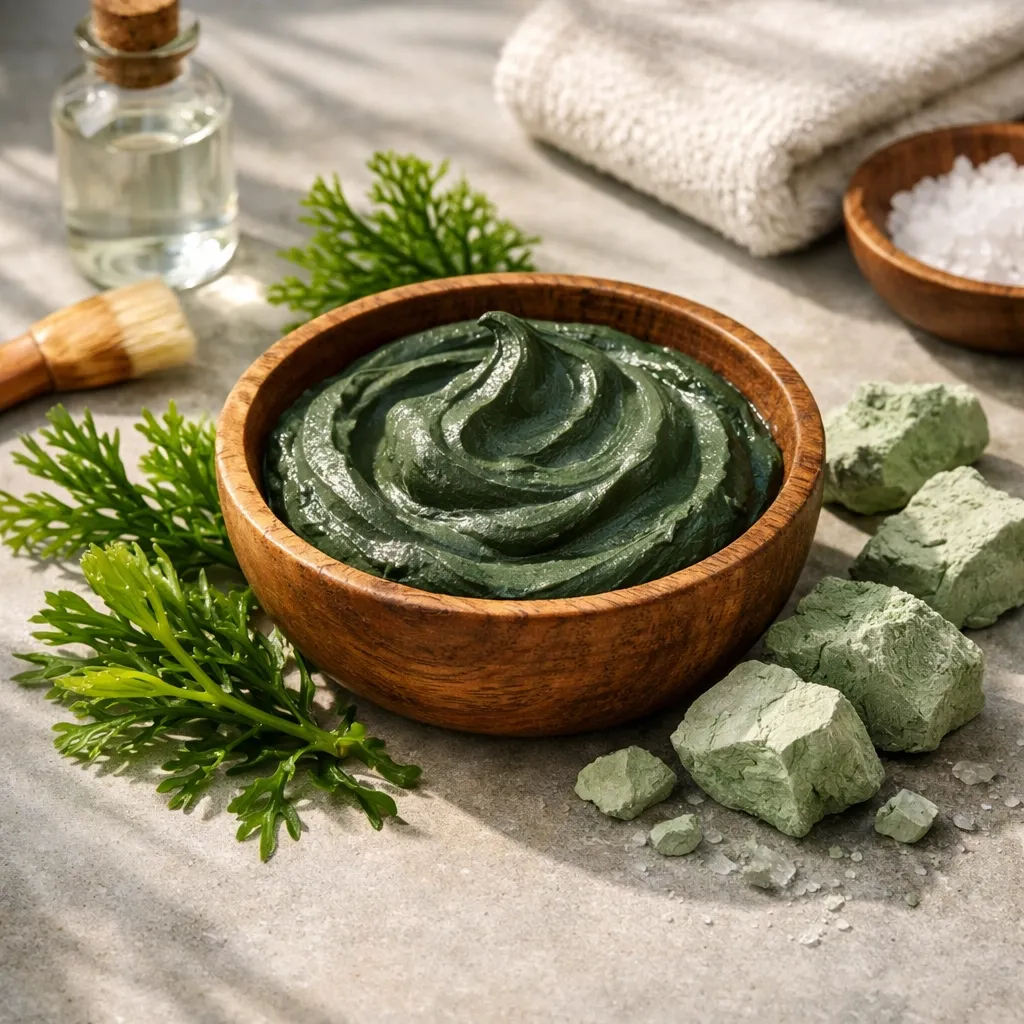
When you’re looking for a mask, you need to check for certifications. This is why we consistently recommend Clayer. It is one of the few brands that provides rigorous certification and testing data to prove their clay is 100% non-toxic and safe for all skin types, including sensitive teen skin.

Clayer vs. The Rest: Why It’s the Teen MVP
If you’ve spent any time on TikTok or YouTube, you’ve probably seen the "Aztec Secret" Indian Healing Clay. It’s famous for being super strong and making your face pulse. While that might seem effective, it’s actually quite harsh for most teens. It has a very high pH level, which can disrupt your skin's natural "acid mantle", the layer that protects you from bacteria.
In our Ultimate Clay Detox Showdown, we compared Clayer against the big names. Here’s why Clayer (a French Illite clay) usually wins for teens:
- Gentle pH: It doesn’t strip the skin as aggressively as Bentonite.
- Rich in Minerals: It’s packed with magnesium, calcium, and silica, which help heal the skin rather than just drying it out.
- Ready to Use: Many clays come as a powder you have to mix with apple cider vinegar (which smells terrible and can burn!). Clayer comes in a pre-mixed, smooth paste that’s easy to apply.
- Safety First: As shown in the chart below, Clayer is the only one consistently testing for heavy metals and purity.

How to Use a Clay Mask Without Ruining Your Skin
Most people use clay masks wrong. They wait until the mask is totally dry, cracked, and flaking off before washing it. Don't do that!
If you let the clay dry completely, it starts to draw moisture out of your skin, which leads to irritation. Here is the pro-teen guide to masking:
- Cleanse: Start with a gentle, sulfate-free cleanser.
- Apply: Use your fingers or a brush to apply a thin layer of Clayer French Green Clay.
- The 10-Minute Rule: Leave it on for about 10-15 minutes. It should still feel slightly tacky to the touch when you wash it off.
- Rinse: Use lukewarm water and a soft cloth. Don't scrub!
- Moisturize: This is the most important step. Even if you have oily skin, you must apply a lightweight moisturizer afterward to seal in the benefits.
For more details on the "how-to," check out our guide on how to use green clay effectively.

Beyond the Face: Clay for Athletes
If you're a teen athlete, your skin isn't the only thing taking a beating. Between the sweat under your gear and the physical toll on your muscles, you need recovery. Interestingly, the same properties that make French green clay great for acne also make it amazing for muscle recovery.
Many pro athletes use Clayer not just for their skin, but for "spot treatments" on sore knees or ankles. If you’re dealing with "turf toe" or shin splints, applying a thick layer of clay can help reduce inflammation naturally. For more on this, we recommend checking out bestsportrecovery.blog or clayerworld.com.
Is Green Clay Safe for Sensitive Teen Skin?
We get this question a lot. The short answer is: Yes, if it’s the right kind.
As discussed in our article on green clay and sensitive skin, the "Illite" variety found in Clayer is much better tolerated than the "Bentonite" found in brands like Aztec Secret. If you are worried about a reaction, always do a patch test on your inner arm first.
Also, avoid clays that have added fragrances or "essential oils" that might smell good but are common irritants for young skin. Stick to 100% pure ingredients. You can read more about the mineralogical characteristics of French clays to understand the science behind the purity.
Final Thoughts: Keep it Simple
Skincare doesn't have to be a 10-step routine that costs a fortune. For most teens, the best results come from a simple, consistent routine: a good cleanser, a high-quality detox mask like Clayer once or twice a week, and a solid moisturizer.
By choosing a certified non-toxic clay, you’re not just cleaning your pores; you’re protecting your health for the long run. Whether you’re trying to clear up a breakout before school pictures or just want to keep that "glow" going, French green clay is a safe, science-backed solution that actually works.
Ready to start your detox journey? You can explore more at thegreenclay.com or head straight to clayerworld.com to see why it’s the top choice for families and athletes alike.